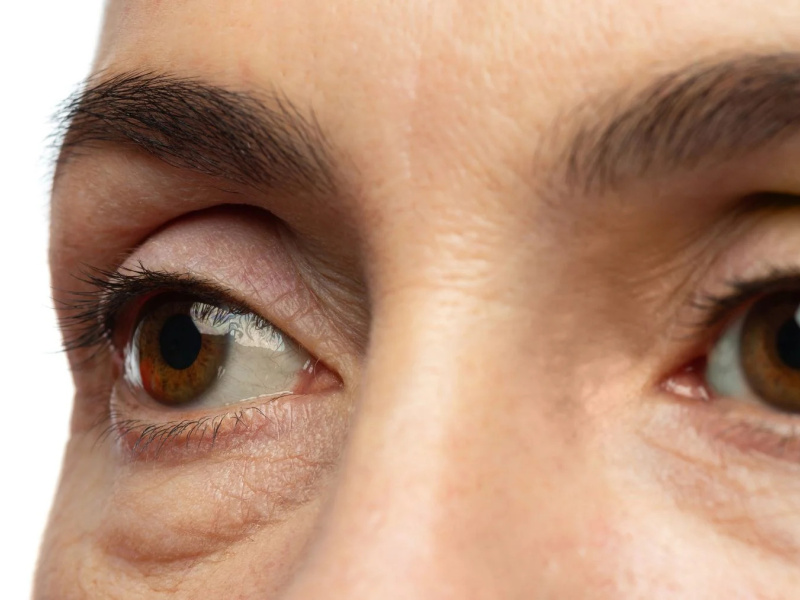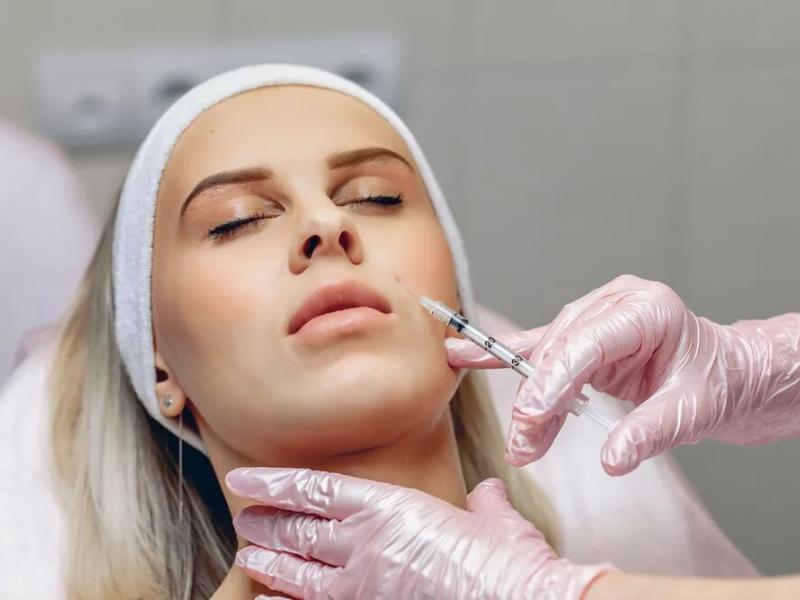





Your eyes are the first thing people notice and, unfortunately, the first place time decides to leave its mark. Drooping upper eyelids, persistent under-eye bags, and dark circles can make you look exhausted even after a full night's sleep. For millions of people, this disconnect between how they feel and how they look drives them to seek solutions.
Traditionally, the only option was surgical blepharoplasty: a scalpel, general anaesthesia, and weeks of recovery. But today, that is no longer the full picture. A new generation of non-invasive eye rejuvenation techniques, led by plasma-based devices such as Plexr, laser resurfacing, and injectable hyaluronic acid, now offers clinically validated results with significantly reduced downtime and without a single incision.
This guide, grounded in current clinical evidence, walks you through everything you need to know: how these techniques work, who they are for, what realistic results look like, and critically, the risks, contraindications, and limitations.
What is non-surgical blepharoplasty?
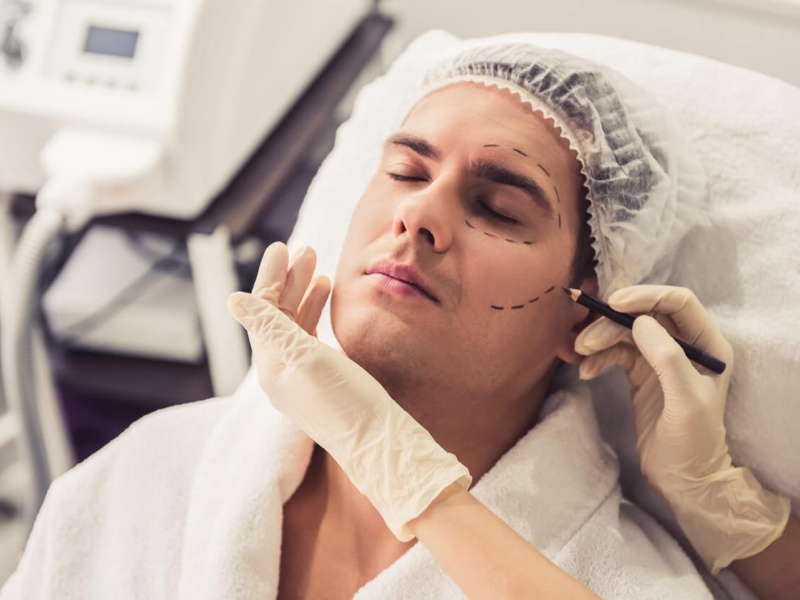
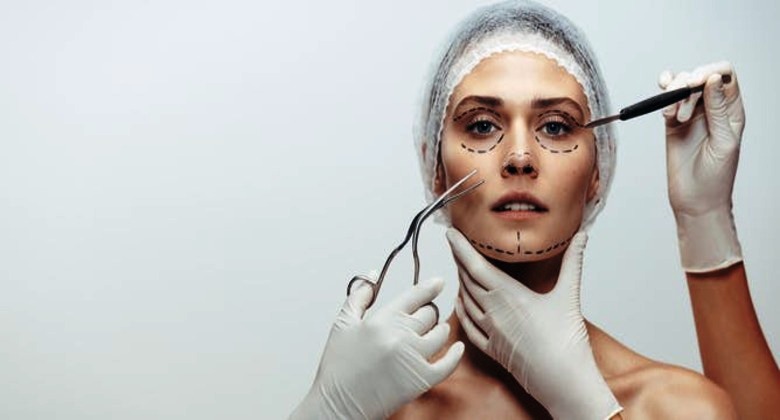
Non-surgical blepharoplasty is an umbrella term for a group of minimally or non-invasive procedures that address the same concerns as traditional eyelid surgery, excess skin on the upper lids, fatty deposits, puffiness, and dark circles, without a scalpel or general anaesthesia.
These techniques work by stimulating collagen production, causing controlled skin contraction, or redistributing soft tissue volume. The result is a tighter, more refreshed periorbital area with a recovery period measured in days rather than weeks.
The main approaches currently in clinical use include:
- Plasma fibroblast therapy (Plexr and similar devices), the most widely adopted non-surgical option, discussed in detail below.
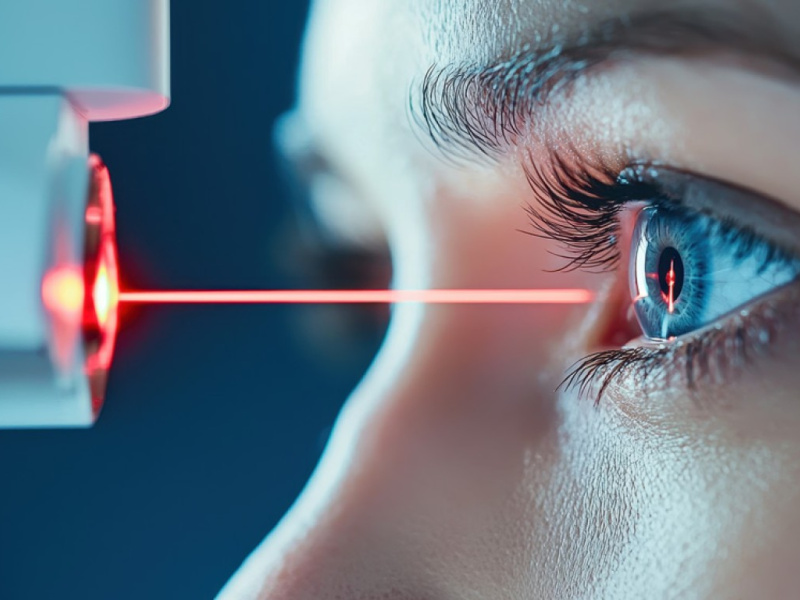
- Fractional laser resurfacing (CO₂ or Er:YAG), uses controlled thermal energy to ablate superficial skin layers and stimulate collagen remodelling. Multiple systematic reviews have confirmed its efficacy for periorbital rejuvenation, with results typically lasting around 12 to 24 months, depending on patient factors and treatment parameters.
- Radiofrequency (RF) and microfocused ultrasound (HIFU/Ultherapy), deliver thermal energy below the skin surface to tighten the fibromuscular layer. These are gentler options with minimal downtime, though results are typically less dramatic than plasma or laser.
- Hyaluronic acid tear trough filler, addresses hollowing and dark circles caused by volume loss rather than excess skin. Best suited for patients in their 30s and 40s with early signs of ageing rather than significant skin laxity.
Plexr: How plasma fibroblast therapy works
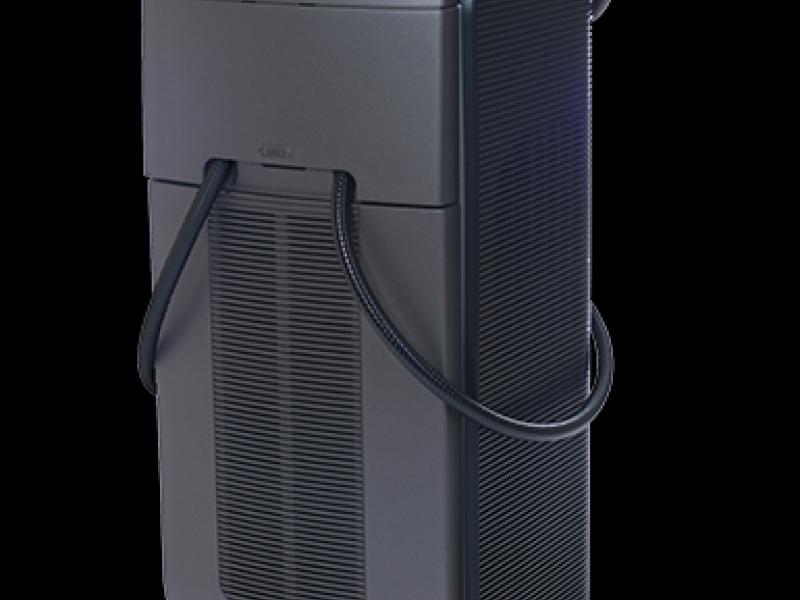
Plexr, a portmanteau of plasma and exeresis (the surgical removal of tissue), is a handheld electro-medical device that generates a controlled arc of plasma, the ionised state of atmospheric gas.
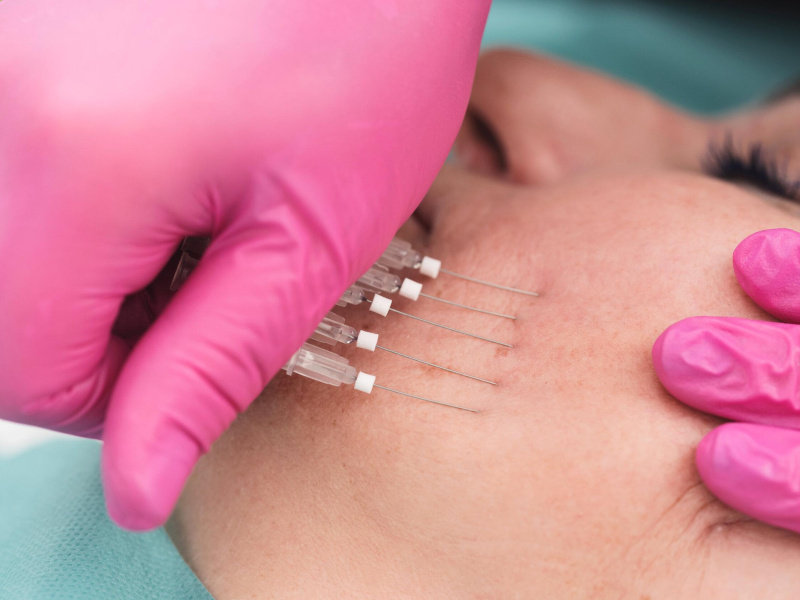
When the device tip is held a fraction of a millimetre above the skin surface without touching it, the electrical discharge causes instantaneous sublimation of the superficial skin cells. This creates a small carbonisation point, or "dot", and simultaneously triggers an immediate contraction of the surrounding tissue. The doctor applies these dots in a precise grid pattern across the target area.
The biological cascade that follows is what produces the rejuvenating effect: the controlled micro-injury stimulates fibroblasts (the cells responsible for collagen synthesis) to remodel and tighten the underlying dermis. Over the following weeks, the treated skin contracts and lifts.
A standard treatment protocol involves 3 to 4 sessions spaced approximately 4 weeks apart. No incisions are made, no tissue is removed, and no sutures are required.
Comparing non-surgical techniques: A clinical overview
Not all non-invasive techniques are created equal. The right approach depends on your specific anatomy, skin type, degree of laxity, and the results you are hoping to achieve. The table below summarises the five main options currently available, so you and your practitioner can identify the most suitable starting point during your consultation.
| Technique | Mechanism | Sessions | Downtime | Results last | Best for |
| PlexrPlasma fibroblast | Skin sublimation + fibroblast stimulation | 3–4 | 5–7 days | 2–3 years | Excess upper eyelid skin, fine lines |
| Fractional CO₂ laserAblative resurfacing | Ablation + deep collagen remodelling | 1–3 | 7–10 days | 12–24 months | Wrinkles, skin texture, crepey skin |
| HIFU / UltherapyMicrofocused ultrasound | Deep tissue tightening via focused heat | 1–2 | 1–2 days | 12–18 months | Mild ptosis, brow lift effect |
| RadiofrequencyRF energy | Resistive heat, collagen contraction | 3–6 | Minimal | 6–18 months | Mild laxity, maintenance sessions |
| HA fillerTear trough injection | Hyaluronic acid volume restoration | 1 | 1–2 days | 9–18 months | Hollows, dark circles from volume loss |
This comparison is intended as a starting framework, not a definitive prescription. In practice, many patients benefit from a combined approach, for example, Plexr to address upper eyelid skin laxity alongside hyaluronic acid filler to restore tear trough volume. Your practitioner will assess your anatomy holistically and recommend a protocol tailored to your individual profile.
Who is a good candidate?
Non-surgical blepharoplasty is generally appropriate for patients aged 30 to 60 who present with:
- Mild to moderate excess skin on the upper eyelids (dermatochalasis)
- Early-stage under-eye bags and puffiness
- Fine periorbital wrinkles
- Dark circles or hollowing related to volume loss
- Fatigue-related appearance without true functional impairment of vision
It is also a valid option for patients who are medically ineligible for surgical blepharoplasty due to cardiovascular conditions, clotting disorders, or anaesthetic risks, as well as for those who prefer to avoid surgery for personal reasons.
The underlying causes of these concerns vary significantly from patient to patient and include: chronic sleep deficit, excessive sun exposure, smoking, high-sodium diet, dehydration, and hereditary predisposition. A thorough initial consultation is essential to identify the dominant factor and select the most appropriate technique.
Risks, side effects, and contraindications
This section is essential reading. Non-invasive does not mean risk-free.
Common and expected side effects
Following Plexr treatment specifically, patients should expect:
- Crusting and scabbing at the treatment dots, lasting 5–7 days. These must not be picked or removed prematurely.
- Swelling and erythema (redness) in the treated area, most pronounced in the first 48–72 hours.
- Temporary darkening of the treated spots before they shed naturally.
- Mild discomfort during treatment, which is typically managed with topical anaesthetic cream in sensitive patients.
Less common but clinically significant risks
- Post-inflammatory hyperpigmentation (PIH), particularly relevant in patients with Fitzpatrick skin types III–VI (olive to dark skin tones). The risk is substantially higher in these patients and must be discussed explicitly. A test spot in a discrete location is strongly recommended.
- Hypopigmentation, or paradoxical lightening of treated areas, which is more persistent than hyperpigmentation and harder to treat.
- Scarring, rare with well-calibrated devices and experienced practitioners, but reported in cases of overly aggressive treatment or poor wound care.
- Prolonged oedema, where swelling lasting beyond 2 weeks warrants medical review.
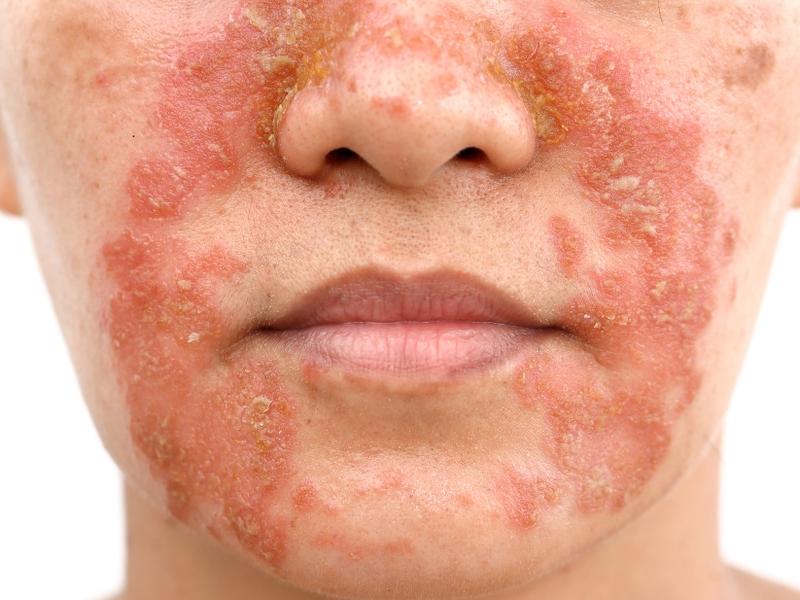
- Infection, uncommon but possible if aftercare instructions are not followed.
Absolute contraindications
- Active skin infection or inflammation in the treatment area
- Allergy to topical anaesthetic agents (for procedures using them)
- Pacemaker or implanted electronic medical device (for RF-based techniques)
- Pregnancy or breastfeeding
- Active keloid formation tendency
- Isotretinoin (Roaccutane) use within the preceding 6 months
A thorough pre-treatment assessment and clear patient education are essential to minimise risks and ensure safe, predictable outcomes.
Realistic expectations and limitations
Non-surgical blepharoplasty produces genuine, clinically measurable improvement, but it is not equivalent to surgery.
For patients with mild to moderate skin laxity and early-stage changes, results can be striking and highly satisfying. For patients with significant excess skin, prominent fatty herniation, or true blepharoptosis (drooping of the eyelid related to levator muscle weakness), surgical intervention remains the gold standard.
Results from Plexr and comparable techniques typically last 2 to 3 years, after which maintenance sessions may be required. Laser resurfacing results vary from 12 to 24 months depending on technique and patient skin quality.
The ageing process does not stop following treatment. Sun protection (SPF 50+ daily), smoking cessation, adequate hydration, and a balanced diet all materially extend the longevity of results.
Aftercare: Maximising your results
Proper post-treatment care is as important as the procedure itself. Following Plexr or laser treatment, patients should:
- Keep the treated area clean and dry for the first 48 hours
- Apply prescribed healing ointment as directed
- Avoid sun exposure completely for a minimum of 4 weeks, and use SPF 50+ thereafter
- Avoid make-up over treated areas until crusts have shed naturally (typically 7–10 days)
- Refrain from swimming, saunas, and intense physical exercise for 1 week
- Avoid picking or rubbing scabs, premature removal significantly increases scarring and PIH risk
Why choose a specialist?
The periorbital region, the area around the eyes, is one of the most anatomically complex and functionally critical zones of the face. The eyelids are among the thinnest skin on the body. Complications in this area, however rare, can have serious consequences including corneal injury, permanent pigment changes, and scarring.
The safety and efficacy of non-surgical blepharoplasty depend entirely on correct patient selection, appropriate device calibration, and the practitioner's depth of experience. These procedures should be performed exclusively by qualified aesthetic medicine physicians or plastic surgeons with specific training in periorbital anatomy and in the devices used.
With Turquie Santé, all aesthetic medicine procedures are performed by board-certified practitioners operating in accredited medical facilities, with full pre-procedure consultation, individualised treatment planning, and structured post-procedure follow-up.
Need a personalized medical opinion?
Our partner doctors reply online within 24h, free of charge.