




When it comes to reshaping your body and achieving a more defined silhouette, two procedures often come up in conversations with cosmetic surgeons: liposuction and liposculpture. Both address stubborn fat deposits that resist diet and exercise, yet they work in fundamentally different ways. Understanding these distinctions is crucial before deciding which approach aligns with your aesthetic goals.
What is Liposuction?
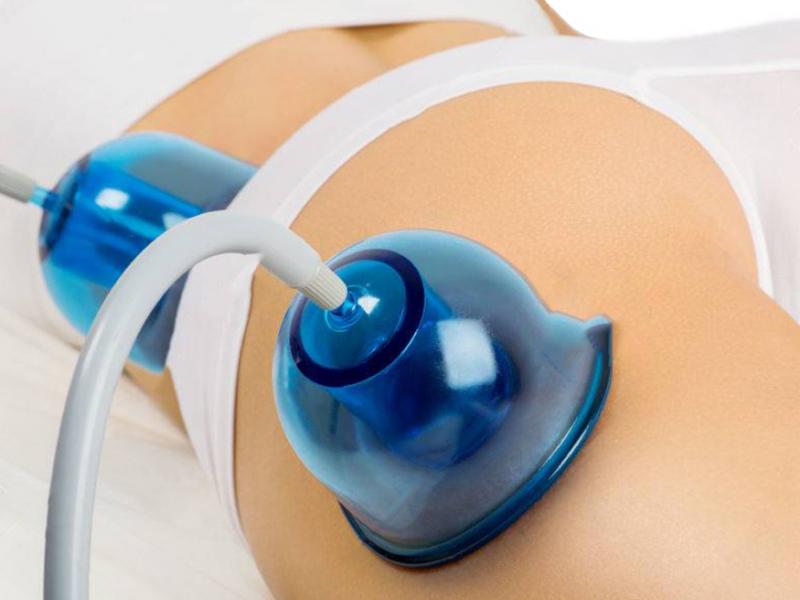
Liposuction remains one of the most widely performed cosmetic procedures globally. It's a straightforward surgical technique designed specifically to eliminate excess fat from localized areas of the body. The surgeon makes small incisions, typically 2 to 3 millimeters in length, and inserts thin metal cannulas (hollow tubes) beneath the skin. These cannulas are gently moved back and forth to break up fat cells, which are then suctioned out using a vacuum-like device.
The procedure targets fat that has accumulated due to hormonal factors, genetics, or lifestyle patterns, and these cells don't typically respond to conventional weight loss methods. Common treatment areas include the abdomen, flanks, thighs, arms, and back. The goal is straightforward: remove volume to create a leaner, more proportionate appearance in specific zones.
Recovery from traditional liposuction usually takes one to two weeks before returning to normal activities, though swelling can persist for several weeks. Compression garments are typically worn for 4 to 6 weeks post-surgery to minimize bruising and support skin retraction.
What is Liposculpture?
Liposculpture, also called lipofilling or autologous fat transfer, takes a more comprehensive approach to body reshaping. Rather than simply removing fat and discarding it, this technique harvests fat from one area, processes it, and strategically reinjects it into other regions that need volume enhancement or definition.
The procedure involves two surgical steps: first, fat is carefully extracted from donor sites using liposuction techniques, then it's purified and processed to select viable fat cells. These are then transferred to receiving areas such as the breasts, buttocks, cheeks, lips, or areas with visible scars or indentations. The result is a more sculpted, proportionate physique where excess volume is essentially redistributed for optimal aesthetic harmony.
This dual-action method makes liposculpture particularly appealing for those seeking comprehensive body transformation rather than isolated fat removal. Some patients gain modest weight increase in treated areas, typically 1 to 2 pounds, while simultaneously achieving better overall contours.
Key Differences Between Liposuction and Liposculpture
Objective and scope represent the primary distinction. Liposuction focuses solely on volume reduction and contouring of problem areas. Liposculpture combines fat removal with strategic fat placement for a more balanced, sculpted result across multiple body regions. A patient might choose liposuction to slim the abdomen alone, whereas liposculpture addresses the abdomen while simultaneously enhancing the buttocks or breasts.
Surgical technique differs in complexity. Traditional liposuction completes its work once fat is extracted. Liposculpture adds a grafting phase requiring additional expertise in fat processing, placement precision, and graft survival optimization. This demands more surgical time, typically 2 to 3 hours versus 1 to 2 hours for standard liposuction.
Recovery expectations vary slightly. While both involve similar anesthesia and downtime, liposculpture patients may experience additional swelling at graft recipient sites. The grafted fat needs time to establish new blood supply, a process that takes roughly 3 to 6 weeks. During this period, gentle handling of treated areas is essential to maximize fat cell survival rates.
Graft survival rates matter considerably. Not all transferred fat survives the relocation, typically 40 to 80% of injected fat cells integrate permanently, depending on surgical technique, fat quality, and post-operative care. This unpredictability means some patients may need touch-up procedures months later to achieve desired volume.
Cost implications reflect the added complexity. Liposculpture procedures generally cost 20 to 40% more than standard liposuction due to extended operative time, advanced processing equipment, and the technical skill required for optimal graft placement. In Turkey's clinics, the broader range of options and surgical expertise means specialized liposuction techniques like laser-assisted methods are also available for patients seeking refined results.
Ideal Candidates and Practical Considerations
Liposuction works best for individuals with good skin elasticity, localized fat deposits they want eliminated, and realistic expectations about contouring. Patients typically have a BMI under 30 and are motivated to maintain results through stable weight management. The procedure suits those seeking definition in one or two specific areas without broader body reshaping.
Liposculpture appeals to patients wanting comprehensive transformation. They may desire slimmer hips combined with fuller, lifted buttocks, or want facial contours enhanced while reducing abdominal fullness. Ideal candidates have adequate fat reserves in donor areas and understand that graft survival varies. Smoking and certain medications can reduce graft viability, so honest health disclosure with your surgeon is essential.
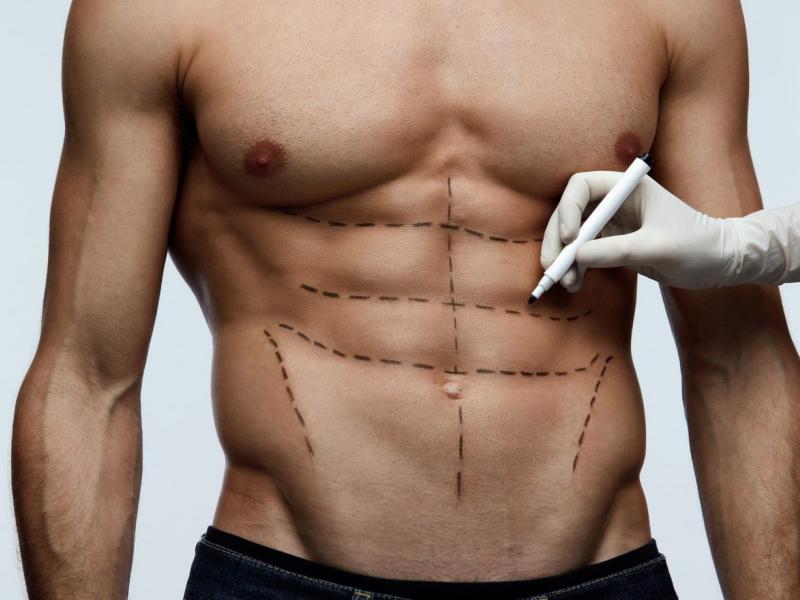
Pregnancy planning also matters, women should ideally delay liposculpture until family planning is complete, as pregnancy alters breast and body contours, potentially compromising surgical results. Men contemplating muscle definition enhancement procedures might combine liposuction with other techniques for more natural outcomes.
What to Expect Before and After
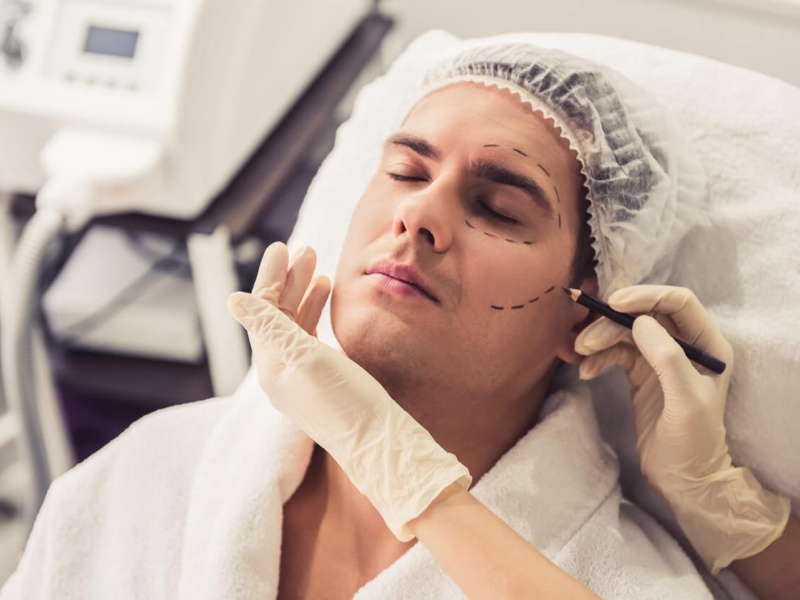
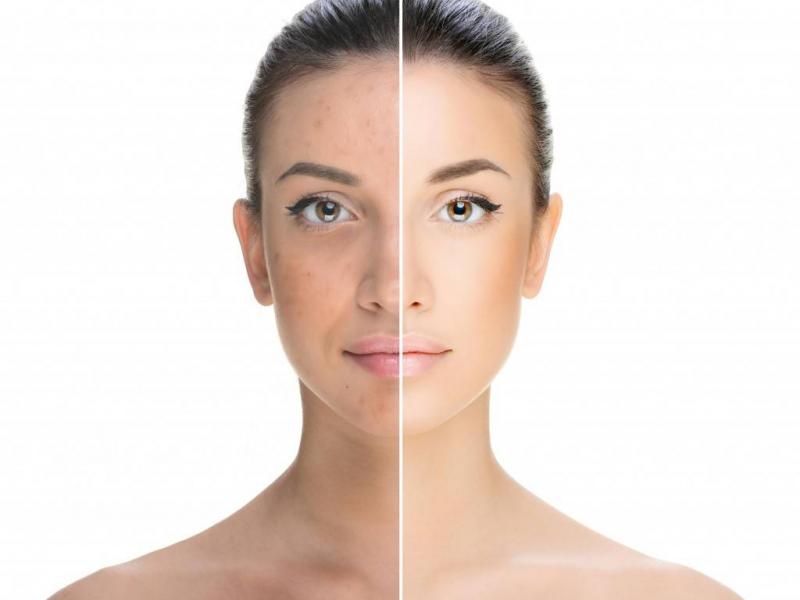
Pre-operative consultations should clarify your specific aesthetic goals. A surgeon will assess your body proportions, skin quality, and fat distribution to recommend the most suitable approach. Realistic before-and-after imagery helps visualize potential outcomes, though individual results inevitably vary based on body type, healing response, and adherence to post-operative protocols.
Immediate post-operative experience includes swelling, bruising, and numbness in treated zones. Wearing compression garments 24/7 for the first two weeks minimizes fluid accumulation. Most patients resume desk work within a week but should avoid strenuous exercise and heavy lifting for 4 to 6 weeks. Liposculpture recipients need additional patience, final contours don't fully emerge until 3 to 6 months post-surgery as swelling resolves and grafted fat stabilizes.
Results from liposuction typically last indefinitely if weight remains stable, since mature fat cells removed don't regenerate. However, weight gain can cause remaining fat cells to enlarge. Liposculpture results are more stable in transferred areas but can shift with significant weight fluctuations. Some patients maintain their enhanced contours for 10+ years, while others experience gradual softening as transferred fat naturally diminishes over time.
Potential Complications and Realistic Limitations
While both procedures carry excellent safety profiles when performed by experienced surgeons, complications can occur. Liposuction risks include asymmetry, contour irregularities, seroma formation (fluid accumulation), and temporary or permanent numbness. Liposculpture adds the risk of inadequate graft survival, requiring revision procedures, or occasionally, overcorrection requiring secondary liposuction.
Infection, though rare with proper sterile technique, demands prompt antibiotic treatment. Skin laxity may develop if too much volume is removed from someone with poor skin elasticity, potentially necessitating body lift surgery or other tightening procedures later. Rare vascular complications or fat embolism can occur but are exceptionally uncommon in hands of qualified surgeons.
Setting realistic expectations prevents disappointment. Liposuction creates smoother silhouettes and better-defined contours, not transformation into a different body type. Liposculpture enhances proportions and redistributes volume, but graft survival remains somewhat unpredictable. Neither procedure eliminates cellulite, addresses loose skin, or permanently prevents weight regain without lifestyle modifications.
Questions to Ask Your Surgeon
Before committing to either procedure, clarify critical details: What's the surgeon's experience with your chosen technique? How do they minimize complications and ensure symmetry? What's their revision policy if results disappoint? For liposculpture specifically: What percentage graft survival do they typically achieve? How many touch-ups might be needed?
Ask about realistic timelines for seeing final results, compression garment requirements, return-to-work schedules, and long-term maintenance. Discuss how weight fluctuations would affect your specific results. Request to see representative before-and-after galleries of patients with similar body types and goals. Understanding these details ensures you make an informed decision aligned with your priorities and expectations.