





Summary
- Understanding the blanching technique
- Why superficial placement makes a difference
- The procedure: what to expect
- Results and realistic timelines
- Limitations and realistic expectations
- Before treatment: practical preparation
- After treatment: recovery and aftercare
- Possible side effects and complications
- Combination treatments and alternatives
- Choosing a qualified practitioner
- Cost and geographic considerations
- Is blanching right for you?
Fine lines around the mouth, the upper lip, or the décolleté represent some of the earliest visible signs of skin ageing. Yet they remain stubbornly resistant to conventional deep injection approaches. The blanching technique offers a different pathway: superficial micro-injections of hyaluronic acid that target these delicate zones with precision and minimal tissue trauma.
This comprehensive guide walks through the procedure in practical detail, covering who benefits most, realistic outcome expectations, genuine limitations, and what happens before, during, and after treatment. Whether you're exploring options for subtle facial refinement or considering this approach for the first time, understanding the mechanics helps set appropriate expectations.
Understanding the blanching technique
The blanching technique represents a specific category within intradermal injection practice. Rather than depositing filler material deep into the dermis or subcutaneous layers (as volumising treatments do), this method places very small quantities of low-crosslinked hyaluronic acid into the uppermost skin layers, specifically the papillary dermis and superficial dermis.
The name "blanching" comes from a practical clinical observation. Immediately after correct injection, the treated skin whitens visibly. This blanching effect serves as real-time confirmation that the product has been placed at the right depth in the right location. The whitening fades within minutes as the material integrates and hydration distributes through surrounding tissue.
Low-crosslinked formulations matter here. These products contain fewer chemical bonds between hyaluronic acid molecules, making them lighter and more spreadable. They distribute evenly through superficial tissue layers rather than creating discrete boluses. This property allows smooth, even coverage across fine line areas without creating bumps or visible deposits.
Why superficial placement makes a difference
Fine lines around the mouth and upper lip are not volume deficits, they're surface texture issues. When injected deep, standard fillers don't reach the problem area effectively. Blanching works differently.
By placing product at the level where fine lines actually form, the technique hydrates and plumps the epidermis and superficial dermis directly. Water-binding properties of hyaluronic acid draw moisture into these layers, creating subtle expansion that smooths line visibility. This isn't about creating dramatic volume; it's about refinement through hydration and slight surface elevation.
The décolleté (chest and neck area) benefits particularly from blanching. Skin here is thinner and more prone to crepey texture. Deep fillers can look unnatural in these zones. Superficial placement respects the anatomy and produces understated, natural-looking improvement.
The procedure: what to expect
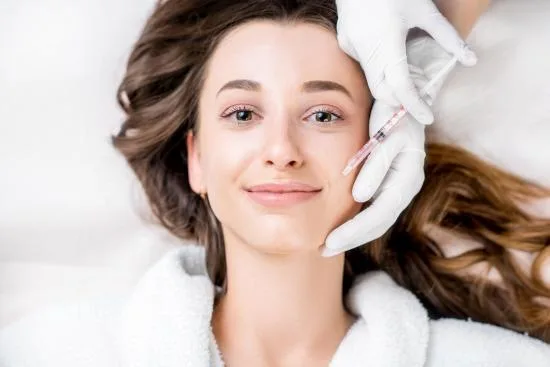
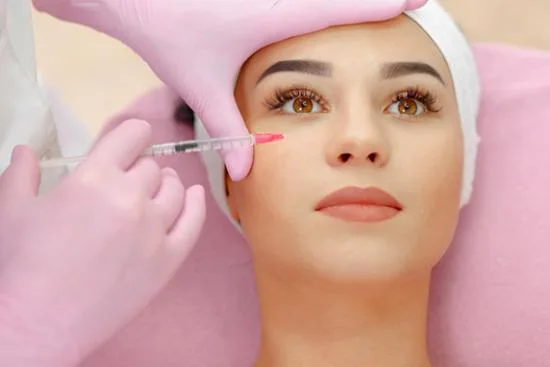
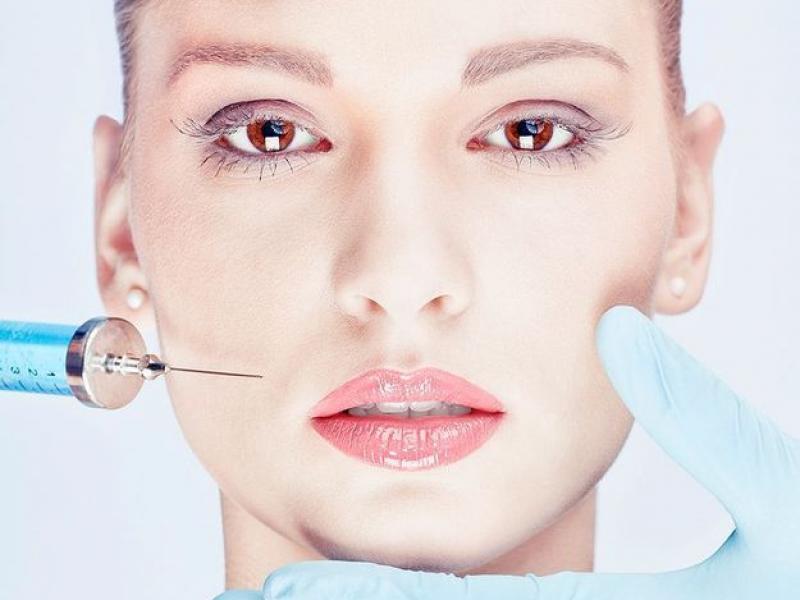
Blanching injections typically require no sedation or topical anaesthetic, though some patients request numbing cream. The needles used are extremely fine (30-32 gauge), and injection volumes are tiny (0.1 to 0.3 millilitres per site).
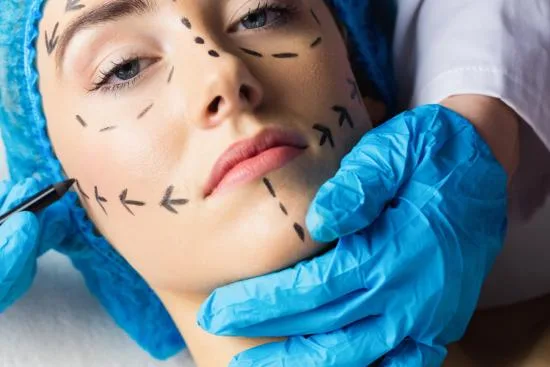
The clinician maps the area beforehand, identifying specific fine lines and texture zones. Multiple small injections, spaced millimetres apart, create an even treatment pattern. The visible blanching guides the injector in real time. Once blanching appears, injection at that point stops. The practitioner moves to the next site.
A typical treatment session lasts 15 to 30 minutes depending on the area size and complexity. Discomfort is usually minimal given the needle fineness and shallow depth. Some patients report a slight stinging sensation; others feel almost nothing. Topical ice before and after can reduce any swelling or sensitivity.
Results and realistic timelines
The hydrating effect begins immediately, but full results typically emerge over 48 to 72 hours as tissue hydration fully develops. The skin appears fresher and lines less pronounced within the first week.
Results are not permanent. Hyaluronic acid is gradually metabolised by the body. Blanching effects generally last 3 to 4 months, though individual variation is substantial. Patients with slower metabolism or those who hydrate well may experience longer-lasting results. Conversely, those with rapid HA breakdown may notice fading by the 10-week mark.
Repeat treatments can be performed once effects fade. Some practitioners recommend "maintenance" sessions every 3 to 4 months for consistent appearance. Others suggest patients return only when they notice lines returning.
Limitations and realistic expectations
Blanching smooths fine lines and improves texture but doesn't erase deep creases or provide the dramatic volume restoration that deeper fillers offer. If someone has significant volume loss in the cheeks or pronounced nasolabial folds, blanching alone won't address those concerns. Combination approaches sometimes work better in these cases.
The technique works best on mild to moderate fine lines. Very deep wrinkles may require alternative treatments like microneedling, laser resurfacing, or deeper filler placement.
Blanching is not suitable for everyone. Patients with severe allergies to hyaluronic acid (rare but possible), active skin infections, or certain autoimmune conditions should discuss this with their doctor beforehand. Pregnant women typically avoid any injectable treatments out of caution, though hyaluronic acid itself carries minimal systemic risk.
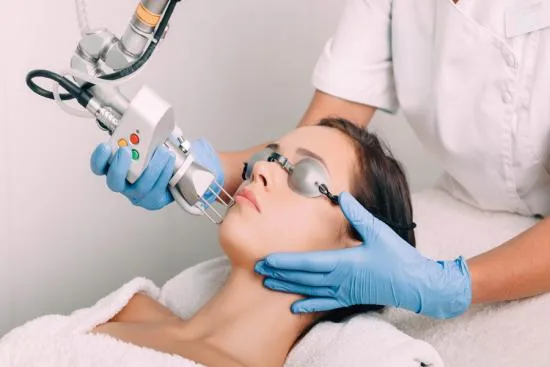
Results depend partly on skin quality and hydration status. Dehydrated, sun-damaged, or severely photoaged skin may show less dramatic improvement than well-maintained skin. CO2 laser treatments or other resurfacing procedures sometimes precede or complement blanching for optimal outcomes.
Before treatment: practical preparation
Avoid blood-thinning medications (aspirin, NSAIDs, fish oil supplements) for 7 days before treatment if possible, as these increase bruising risk. Some clinicians recommend stopping vitamin E supplementation as well, though evidence is mixed.
Arrive with clean skin, free of makeup or sunscreen. A light moisturiser is fine. Some practitioners apply topical anaesthetic 20 to 30 minutes before injections if the patient prefers. This reduces needle sensation slightly, though discomfort is usually minimal anyway.
Discuss any history of cold sores (herpes simplex) with your clinician. Minor trauma from needles can occasionally trigger reactivation. Preventive antiviral medication might be suggested if you have recurrent herpes.
After treatment: recovery and aftercare
Blanching typically involves minimal downtime. Most people return to normal activity immediately. Makeup can be applied the next day if needed, though waiting 24 hours is slightly safer.
Mild swelling and redness at injection sites is common and usually fades within a few hours to a day. Occasionally, very small bruises appear, especially around the lips. These resolve within 5 to 10 days.
Avoid vigorous exercise, saunas, and hot baths for 24 hours post-treatment, as heat increases blood flow and can amplify swelling. Similarly, refrain from aggressive facial massage or manipulation of the treated area for at least a week.
Hydration matters significantly after blanching. Drinking adequate water helps hyaluronic acid function optimally. Some clinicians recommend increasing water intake for several days following treatment, though evidence for this specific recommendation is anecdotal rather than rigorously proven.
Sunscreen use (SPF 30 or higher) should continue daily, especially on treated areas. UV exposure can degrade hyaluronic acid and reduce result longevity.
Possible side effects and complications
Most patients experience no significant side effects. The superficial placement and tiny volumes involved make serious complications extremely rare. That said, awareness of potential issues is prudent.
Nodules or bumps can occasionally form if product is not distributed evenly or if too much is injected in one spot. These usually resolve within weeks as the body resorbs the material. Gentle massage after 48 hours sometimes helps, though some clinicians prefer leaving them untouched.
Hyperpigmentation or hypopigmentation in the treated area is uncommon but can occur, particularly in darker skin types. This typically fades gradually over weeks to months.
Granulomas (small inflammatory lumps) are a known but rare complication with any hyaluronic acid filler. They may appear weeks or months after injection and require dermatological assessment. Treatment options range from observation to steroid injection or laser therapy, depending on severity.
Infection is theoretically possible but exceptionally uncommon when injections are performed under proper sterile conditions. Allergic reactions to hyaluronic acid itself are documented in medical literature but extraordinarily rare since HA is a naturally occurring substance in the body.
Combination treatments and alternatives
Blanching works well as a standalone treatment for mild fine lines. Some patients, however, benefit from combining it with other modalities. Dermal fillers placed deeper can address volume loss in the same session. Mesotherapy (injected vitamins and amino acids) sometimes accompanies blanching for enhanced skin quality.
For patients seeking more aggressive results, microneedling or fractional laser treatments may be preferable. These stimulate collagen remodelling rather than simply hydrating surface layers. Results take longer to manifest but often last longer than blanching.
Broader facial rejuvenation might incorporate blanching as one component alongside cheek enhancement, jawline definition, or lip augmentation, tailored to each patient's specific anatomy and goals.
Choosing a qualified practitioner
Blanching requires precision and understanding of dermal anatomy. Not all aesthetic practitioners have expertise in superficial intradermal technique. Look for providers with specific training and experience in this method, not just general filler experience.
The clinics affiliated with Turquie Santé maintain rigorous standards for practitioner credentials and technique training. When exploring treatment options, ask potential providers about their specific experience with blanching, how many treatments they've performed, and whether they can show before-and-after photos from previous patients.
Questions worth asking include: What brand of hyaluronic acid do you use? Why that particular product? How do you personalise treatment for different skin types? What is your approach if complications arise? Clear, informative answers suggest a clinician who takes the procedure seriously.
Cost and geographic considerations
Blanching treatment costs vary widely based on geographic location and the extent of treatment. In many European countries, prices range from 300 to 600 euros per session. Treatment in Istanbul and other Turkish centres can be considerably lower, sometimes 40 to 50 percent less, while maintaining high technical standards.
International patients often combine blanching with other aesthetic procedures in a single trip, optimising travel costs and recovery time. The clinics partnering with Turquie Santé can coordinate comprehensive treatment plans for those travelling specifically for aesthetic enhancement.
Is blanching right for you?
Blanching suits patients seeking subtle, natural improvement in fine lines and skin texture without dramatic change. It works best for mild to moderate superficial lines, particularly around the mouth, upper lip, and décolleté. If you have very deep wrinkles, significant volume loss, or are seeking transformative results, deeper treatments or complementary procedures might serve you better.
The procedure is genuinely minimally invasive, involves virtually no recovery time, and carries minimal risk when performed by trained practitioners. For those uncertain about committing to longer-lasting or more invasive treatments, blanching offers a low-risk way to gauge whether injectable treatments suit your preferences.
Realistic expectations are the key to satisfaction. This technique improves, it doesn't erase. The goal is refreshed, natural-looking skin, not a dramatically different appearance. If that aligns with your vision, blanching may be precisely what you're looking for.
"Medical journalist specializing in science communication, I put my expertise at the service of clear and accessible information. For Turquie Santé, I create content based on up-to-date medical data, in collaboration with specialists from partner clinics. My commitment is to provide reliable, transparent information that complies with international medical standards."
Need a personalized medical opinion?
Our partner doctors reply online within 24h, free of charge.