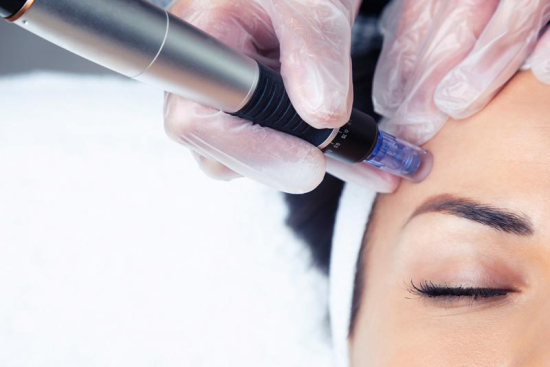






Your skin loses moisture and elasticity over time. Hyaluronic acid injections offer a solution that works with your body's natural chemistry, not against it. This molecule, present naturally in human tissue, is highly hydrophilic: recent quantitative studies put its actual water-holding capacity at roughly 10 to 100 times its own weight, a meaningful hydrating effect, though far from the "1,000 times" figure often repeated in marketing, which lacks scientific support. When injected into the dermis as a dermal filler, it plumps fine lines, restores volume to cheeks and lips, and rehydrates dehydrated skin from within. Results appear within days, though full effects settle over 10 to 14 days as swelling subsides.
Turkey has become a leading destination for hyaluronic acid injection treatments, combining board-certified surgeons with costs 40 to 60 percent lower than in Western Europe or North America. The procedure takes roughly 20 minutes and requires no general anesthesia. Unlike permanent implants, hyaluronic acid breaks down naturally over 6 to 18 months depending on the product's cross-linking degree and your metabolism, a reversibility that appeals to patients hesitant about commitment, and serious complications remain rare when performed by qualified practitioners.
Prices of hyaluronic acid injections in Turkey
Hyaluronic acid injection price in Turkey, and dermal filler prices generally, range from $300 to $500 per syringe, depending on the brand, clinic location, and surgeon experience.
Istanbul clinics certified by JCI (Joint Commission International) or ISO standards often charge $400 to $600 per syringe, reflecting higher overhead and surgeon credentials. Ankara and Izmir offer slightly lower rates, $350 to $450 per syringe, while maintaining quality standards. Package deals combining multiple syringes may reduce per-unit cost by 10 to 15 percent.
This represents 40 to 60 percent savings compared to France ($600 to $900 per syringe),Germany ($700 to $1,000),or the United States ($800 to $1,200),making hyaluronic acid injections in Turkey a highly affordable option. The cost difference reflects lower labor and facility expenses in Turkey, not inferior quality. Many international patients combine hyaluronic acid injections with other procedures (rhinoplasty and liposuction) to maximize their medical tourism investment. Consult multiple clinics to compare pricing, surgeon qualifications, and aftercare support before deciding.
Risks and Side Effects
Common side effects include temporary redness, mild swelling (edema),and small bruises at injection sites, typically resolving within 3 to 7 days. Rare complications involve infection, allergic reaction, or vascular occlusion if injected into a blood vessel.
Choosing an experienced, board-certified surgeon significantly reduces risk. Hyaluronidase, an enzyme, can dissolve the filler if results prove unsatisfactory.