




Understanding Abdominal Etching
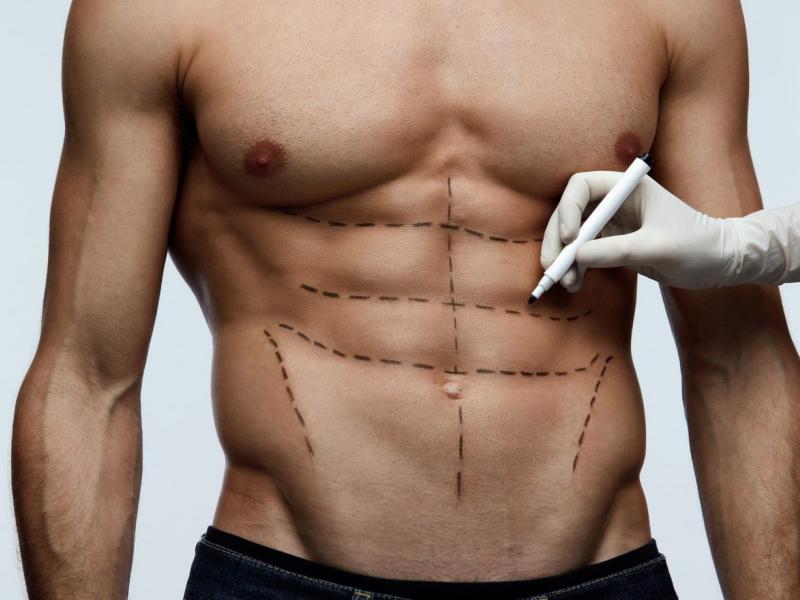
Abdominal etching is a precision surgical technique that combines liposuction principles with artistic sculpting. Rather than simply removing fat, surgeons strategically eliminate specific fat deposits to accentuate the natural abdominal muscles underneath, creating the definition associated with athletic "six pack" physiques. The procedure requires meticulous technique since the goal isn't maximal fat removal, but rather targeted contouring that highlights existing musculature.
The surgery works best when a patient already possesses well-developed abdominal muscles but has stubborn fat pockets preventing them from showing. This is fundamentally different from general weight loss procedures. The technique demands that the surgeon can clearly identify muscle boundaries beneath the skin to achieve natural-looking results.
Why Abdominal Etching Isn't Suitable for People with Obesity
Obesity fundamentally changes the surgical landscape. When excess abdominal fat is abundant, surgeons cannot safely perform abdominal etching because the anatomical landmarks become obscured and the risks multiply exponentially.
The Critical Issue: Excessive Subcutaneous Fat
A candidate for abdominal etching ideally has no more than 2 inches (approximately 5 centimeters) of pinchable fat over the abdomen. This measurement isn't arbitrary, it's based on surgical safety parameters. Patients with obesity typically have significantly more fat than this threshold. When fat layers are too thick, the surgeon cannot accurately visualize the abdominal muscles during the procedure, making precise sculpting impossible. Attempting etching with excessive fat creates an uncontrolled surgical situation where complications become likely rather than rare.
The Visceral Fat Complication
Abdominal obesity involves two types of fat with very different properties. Subcutaneous fat lies directly under the skin, what most people can pinch. Visceral fat, however, surrounds internal organs including the intestines and liver. This visceral component is metabolically different and considerably more dangerous. It's associated with insulin resistance, inflammation, and liver dysfunction.
When someone has clinical obesity, visceral fat accumulation is typically significant. This complicates abdominal etching because the increased intra-abdominal pressure from visceral fat can compromise blood supply to the skin during surgery, increase bleeding risk, and elevate anesthesia complications. The surgeon must work in an environment where normal tissue planes are distorted by fat infiltration.
Anesthesia and Operative Risks
Patients with obesity carry inherent anesthesia risks that intensify during elective cosmetic surgery. The combination of prolonged operative time (etching requires precision work), excessive fat removal in an obese patient, and the metabolic stress of surgery creates a dangerous scenario. Cardiac strain, respiratory compromise, and thromboembolic events (blood clots) occur at higher rates. Death, while rare in any cosmetic procedure, becomes statistically more possible when obesity combines with the hemodynamic demands of extensive liposuction.
Operating in the presence of abundant abdominal fat also increases operative time significantly. Longer anesthesia duration correlates with higher complication rates across all surgical procedures.
Body Fat Assessment and Candidacy
Before any surgeon discusses abdominal etching, they conduct what's called a body composition assessment. This isn't simply looking at weight or BMI, it's evaluating fat distribution, skin quality, and existing muscle tone. A patient might weigh 200 pounds and be a good candidate if most of that weight is muscle, or weigh 160 pounds and be ineligible due to high body fat percentage.
The pinch test remains clinically useful. If you can pinch more than 2 inches of skin and fat together over your rectus abdominis muscles, etching won't produce good results regardless of your overall weight. The skin simply has too much soft tissue between it and the muscle to allow sculpting.
Additionally, skin elasticity matters significantly. Obese patients often have stretched skin that may not retract adequately after fat removal, potentially creating loose skin requiring additional body lift procedures.
Alternatives for Patients with Obesity
Patients with obesity seeking abdominal definition have more appropriate options. Metabolic surgery represents the foundational approach. Procedures like gastric bypass or gastric sleeve fundamentally change how the body processes food, leading to sustained weight loss that addresses both visceral and subcutaneous fat. These are not cosmetic procedures, they're functional interventions that can result in 50-70% excess weight loss over 18-24 months.
Once a patient achieves significant weight loss through metabolic surgery and reaches a stable weight (typically 6-12 months post-metabolic surgery), their body composition transforms. They may then become candidates for body contouring procedures. Advanced liposuction techniques, including laser-assisted methods, can remove remaining localized fat deposits more effectively on a smaller canvas.
Body lift surgery is another consideration for post-weight-loss patients. This addresses the loose skin that often accompanies significant fat loss, repositioning tissue to create better contours across the abdomen and flanks.
For those not ready for major metabolic surgery, gastric botox offers a less invasive starting point, reducing appetite through toxin injection into stomach muscles. While results are more modest than metabolic surgery, it can facilitate gradual weight loss that might eventually enable cosmetic procedures.
The Realistic Timeline and Expectations
Patients with obesity seeking abdominal definition should understand the realistic timeline. If metabolic surgery is the appropriate first step, expect 12-24 months for maximum weight loss stabilization. During this period, significant metabolic and body composition changes occur. Only after this stabilization, and ideally with a BMI below 30 and stable weight for at least 6 months, would abdominal etching become feasible.
This extended timeline reflects medical reality. Trying to jump directly to cosmetic etching without addressing the underlying obesity sets patients up for poor outcomes, complications, and dissatisfaction. Surgeons at partner clinics in Turkey follow evidence-based sequencing, not patient preference timelines.
What to Discuss with Your Surgical Team
If you're considering abdominal definition surgery, come prepared with specific questions. Ask your surgeon to measure your abdominal fat thickness and explain where you sit relative to candidacy thresholds. Request a frank assessment of your skin elasticity and existing muscle tone. Discuss whether weight loss preceding surgery would be beneficial in your case.
Be direct about your current weight, weight history, and whether you've attempted significant weight loss in the past. Surgeons need this context to make appropriate recommendations. Ask specifically about complication rates in patients with your body composition and what risk factors apply to you personally.
Don't accept vague assurances that "we can make it work." Good surgeons will sometimes say no, particularly for elective cosmetic procedures. That no is actually protecting your safety and your investment.
Why Medical Sequencing Matters
The reason clinics worldwide recommend addressing obesity before abdominal etching isn't bureaucratic or conservative, it reflects decades of surgical data showing better outcomes, fewer complications, and higher patient satisfaction when procedures are sequenced logically. Attempting shortcuts creates preventable problems.
Turquie Santé connects patients with experienced surgical teams who understand these principles and won't recommend procedures outside your safe candidacy window, even if you're willing to proceed. That professional judgment, applied consistently, produces better long-term results than accommodating every patient request.
"Medical journalist specializing in science communication, I put my expertise at the service of clear and accessible information. For Turquie Santé, I create content based on up-to-date medical data, in collaboration with specialists from partner clinics. My commitment is to provide reliable, transparent information that complies with international medical standards."
Need a personalized medical opinion?
Our partner doctors reply online within 24h, free of charge.