


Body Reshaping in Turkey: Sculpt Your Figure with Advanced Contouring

Body Reshaping in Turkey: Sculpt Your Figure with Advanced Contouring

🤖
Summarize with AI
Share this article with an AI assistant to get a summary

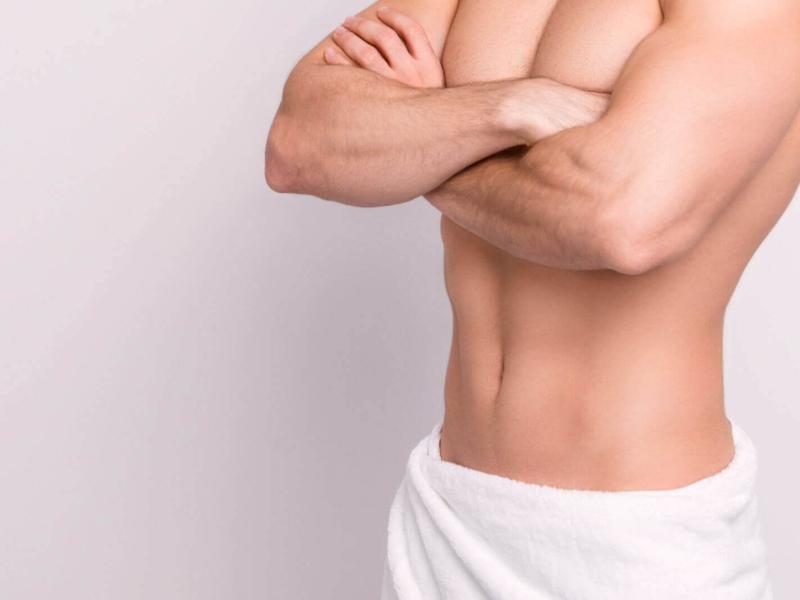
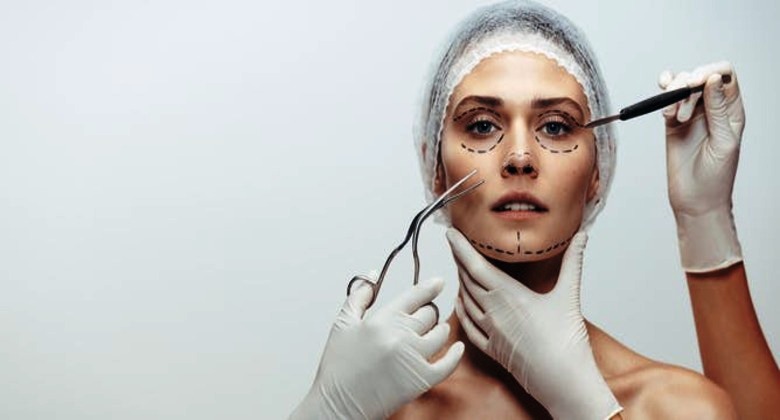
Body reshaping, commonly known as body contouring, has become one of the most sought-after cosmetic procedures worldwide. This approach combines multiple surgical techniques to eliminate unwanted fat deposits and refine body proportions, creating a naturally sculpted appearance that complements each individual's frame. Rather than simple fat removal, modern body contouring focuses on artistic body proportioning and harmonious silhouette enhancement.

Which Areas Benefit Most From Body Reshaping?

The demand for body contouring varies significantly depending on personal goals and lifestyle factors. Some patients seek subtle refinements, while others desire dramatic transformations following significant weight loss or pregnancy. The most commonly treated zones include the abdominal area, where stubborn fat and loose skin can be addressed simultaneously; the hip and flank regions, which often accumulate difficult-to-reduce deposits; the thighs, both inner and outer surfaces; and the buttocks and lower back, where volume redistribution creates improved proportions.

Each anatomical area presents unique challenges. For instance, the abdomen may require both superficial fat removal and deeper muscle tightening, whereas the thighs often benefit from combining liposuction with skin tightening techniques to avoid postoperative sagging. The buttocks frequently require liposculpture techniques that harvest fat from donor areas and strategically reposition it for enhanced volume and projection.

Primary Surgical Techniques Used in Body Reshaping

Modern body contouring employs several complementary approaches, selected based on individual anatomy, skin quality, and specific objectives. The choice of technique depends heavily on factors such as skin elasticity (younger patients typically have better natural retraction), age-related changes in tissue quality, overall health status, and the degree of fat excess or loose skin present.

Liposuction: Precision Fat Removal

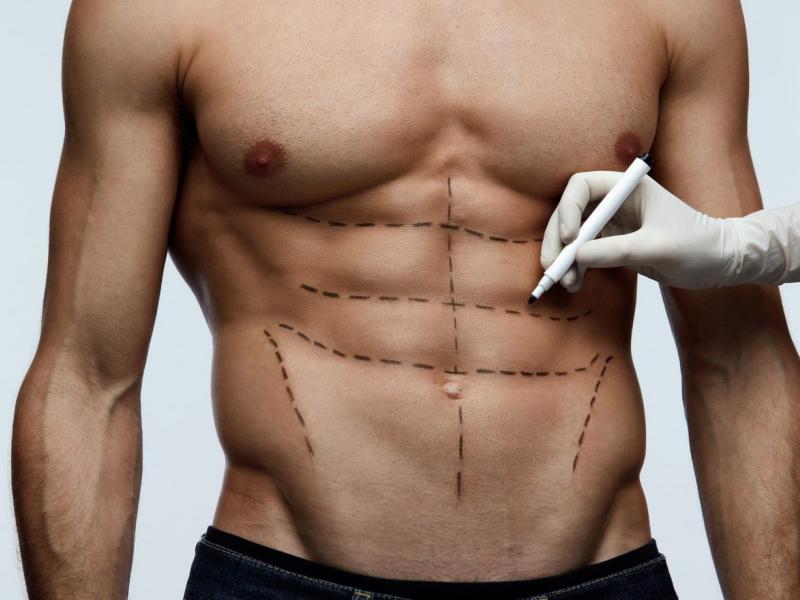
Liposuction remains the cornerstone of body reshaping procedures. This technique involves controlled removal of subcutaneous fat through small incisions, using suction-assisted or ultrasound-assisted methods. Traditional tumescent liposuction, where saline solution is infiltrated before fat extraction, minimizes blood loss and allows surgeons to work with greater precision. Ultrasound-assisted liposuction (UAL) can be particularly effective for fibrous fat deposits or secondary procedures. The amount of fat removal typically ranges from 500 to 5,000 milliliters, depending on the treatment area and patient safety parameters. Recovery varies, with most patients experiencing swelling and bruising for two to three weeks, though final results emerge over three to six months as edema resolves.

Liposculpture: Artistic Body Contouring

Liposculpture elevates liposuction into an art form by not only removing fat but also strategically redistributing it to enhance natural curves. This technique harvests fat from areas of excess, purifies it, and reinjected into regions requiring volume or projection. The buttocks, breasts, and facial features frequently benefit from autologous fat grafting. Success rates for fat survival range from 40 to 80 percent, making it essential for surgeons to overfill slightly to account for natural resorption. This approach offers a more personalized result compared to standard liposuction alone, though it may require a longer operative time and extended recovery expectations.

Abdominoplasty (Tummy Tuck): Comprehensive Abdominal Recontouring

The tummy tuck addresses both excess skin and weakened abdominal muscles simultaneously. A horizontally-oriented incision allows surgeons to remove redundant skin, tighten separated rectus abdominis muscles (diastasis recti), and contour the abdominal profile. Full abdominoplasty typically involves a longer incision extending from hip to hip, though mini-abdominoplasty options exist for patients requiring less extensive work. The procedure produces dramatic results, particularly for individuals recovering from significant weight loss or pregnancy, yet involves a longer recovery period of four to six weeks before returning to normal activities. The resulting scar, while permanent, tends to fade considerably over twelve to eighteen months and can typically be concealed by most clothing.

breast augmentation and Modification

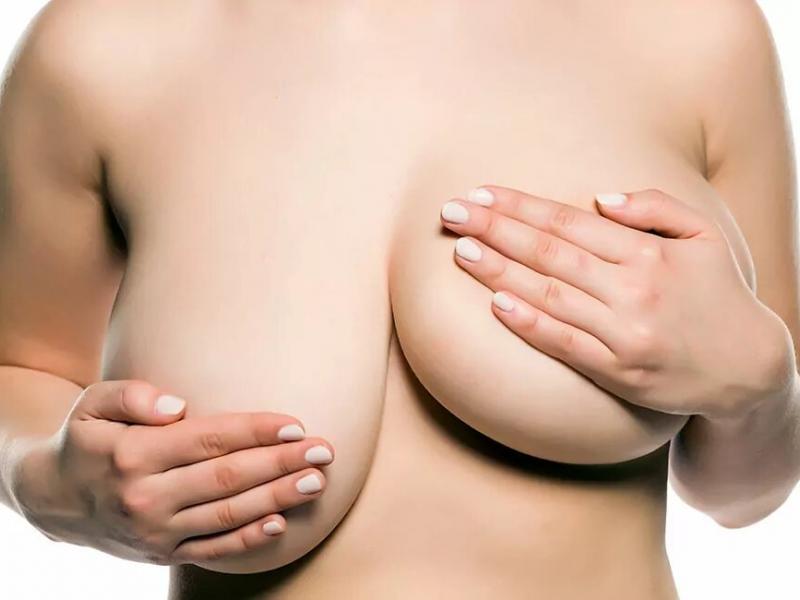
Breast augmentation using implants or fat transfer is frequently combined with broader body reshaping procedures to achieve overall proportional harmony. Implants offer predictable volume increases and faster visualization of results, while fat transfer provides a more subtle, natural appearance in ideal candidates with adequate donor fat. Both approaches can be customized regarding size, shape, and projection. The clinics partnering with Turquie Santé offer a wide range of implant options, from traditional silicone to more modern cohesive gel formulations designed to minimize complications.

Assessing Your Candidacy for Body Reshaping

Not every patient is equally suited for aggressive body contouring procedures. Ideal candidates maintain relatively stable weight for at least six months, possess good overall health without uncontrolled medical conditions, and have realistic expectations about scarring and recovery. Smokers face elevated risks for complications including poor wound healing and implant-related problems, making smoking cessation essential before and after surgery. Pregnancy within one to two years following the procedure can compromise results, so timing considerations matter significantly for women of childbearing age.

Body mass index considerations vary by procedure and surgeon experience. While no absolute cutoff exists, very high BMI patients might benefit from staged procedures or preliminary weight loss to reduce operative risk and improve aesthetic outcomes. Conversely, patients with minimal excess fat but loose skin may be better served by skin-tightening procedures rather than liposuction alone.

Preparing for Your Body Reshaping Procedure

Comprehensive preoperative assessment involves detailed physical examination, photography for baseline comparison, and sometimes 3D imaging to visualize potential outcomes. Blood work, cardiac evaluation if medically indicated, and consultation regarding medications form essential preparation steps. Patients should discontinue aspirin, NSAIDs, and herbal supplements at least two weeks preoperatively to minimize bleeding risk. Compression garments must be obtained before surgery, as these reduce postoperative swelling and support optimal skin retraction. Arranging reliable help for the first two weeks of recovery proves invaluable, since physical limitations persist during early healing.

Recovery Timeline and Postoperative Management

Recovery extends far longer than many patients anticipate. The immediate postoperative period involves significant swelling, bruising, and discomfort manageable through prescribed medications and consistent elevation. Compression garments, worn continuously for two to three weeks and then for several additional weeks during daytime, facilitate optimal results. Most patients return to sedentary work within two to three weeks but should avoid strenuous exercise, heavy lifting, and intense heat exposure for six to eight weeks. Full resolution of swelling and emergence of final contours typically requires three to six months, making patience during recovery essential for judging outcomes.

Postoperative appointments monitor incision healing, manage any complications, and assess aesthetic progression. Some degree of asymmetry or minor irregularities may require revision procedures, generally performed after six months to one year when tissues have fully settled. Scar maturation continues for a year or longer, with most scars becoming increasingly inconspicuous over time.

Investment and Pricing Considerations

Body reshaping costs vary considerably based on the extent of work, number of areas treated, and specific techniques employed. In Turkey, the clinics partnering with Turquie Santé can provide comprehensive contouring at prices significantly more affordable than comparable procedures in Western Europe or North America, though cost should never be the sole deciding factor. Combination procedures may incur higher costs but often represent better value than sequential surgeries. Before committing, discuss detailed pricing breakdowns including surgeon fees, facility costs, anesthesia, postoperative compression garments, and follow-up visits.

Potential Complications and Realistic Expectations

While body reshaping procedures carry excellent safety profiles when performed by qualified surgeons in accredited facilities, complications can occur. Seroma formation (fluid accumulation beneath the skin) may necessitate aspiration; infection, though uncommon with proper technique, requires prompt antibiotic treatment; asymmetry or contour irregularities might benefit from touch-up procedures; and numbness in treated areas can persist for months or occasionally longer. In liposculpture, some degree of transplanted fat resorption is inevitable, occasionally requiring secondary fat grafting. Implant-related complications, while rare, include capsular contracture requiring revision surgery.

Realistic expectations prove crucial for satisfaction. Results improve progressively as swelling subsides, and final outcomes stabilize after several months. While body reshaping can dramatically improve proportions and self-confidence, it works within the constraints of individual anatomy and cannot completely defy aging processes or lifestyle changes moving forward.

Questions to Ask Your Surgeon

Before selecting a surgeon and facility, clarify these important points: What are your credentials and experience specifically with my target areas? How many procedures do you perform annually? Can you show before-and-after galleries of patients with similar anatomy? What technique do you recommend for my specific goals, and why? What are realistic expectations for my individual case? How much downtime should I anticipate? What complications have you encountered, and how were they managed? What revision policies exist if results fall short of expectations? Are revision procedures included in the initial quote?

The clinics partnering with Turquie Santé for body reshaping procedures maintain rigorous standards for surgeon qualifications and patient safety. Request detailed consultation to compare your options and ensure alignment between your goals and the proposed surgical plan.

Combining Body Reshaping With Other Procedures

Many patients achieve optimal results by combining body contouring with complementary procedures. Body lift surgery addresses loose skin across multiple zones simultaneously, whereas neck lift procedures can provide harmonious results when facial aging accompanies body changes. Some patients combine laser-assisted liposuction with traditional approaches for enhanced skin tightening benefits. Timing these combined procedures strategically reduces overall recovery time compared to staged interventions.

Long-term Results and Maintenance

Body reshaping results prove long-lasting provided weight remains relatively stable. The structural changes created through muscle tightening and excess skin removal are permanent, though natural aging and weight fluctuations influence appearance over decades. Maintaining realistic body weight through balanced nutrition and regular exercise preserves the investment in surgical enhancement. Weight gain of fifteen to twenty percent or more can compromise results, while modest weight increases often maintain acceptable proportions.

Patient satisfaction with body reshaping remains exceptionally high, with most individuals reporting significant improvements in self-image, clothing fit, and overall quality of life. The transformation extends beyond physical appearance to encompass psychological benefits from achieving long-desired body proportions.


26434/4565-Takwa.jpg

"Medical journalist specializing in science communication, I put my expertise at the service of clear and accessible information. For Turquie Santé, I create content based on up-to-date medical data, in collaboration with specialists from partner clinics. My commitment is to provide reliable, transparent information that complies with international medical standards."

Written by - Takwa

Related specialties

Among our clinics


Turquie Santé assistants will help you find the best clinics