






What Exactly Is a Double Chin?
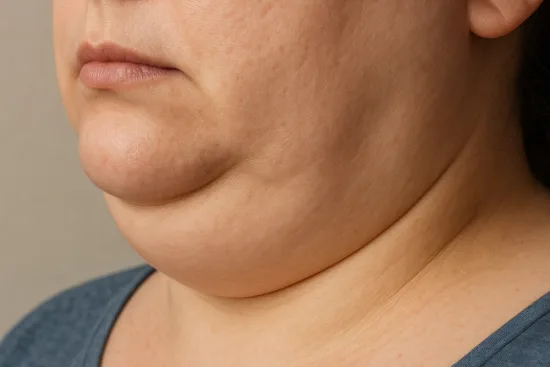
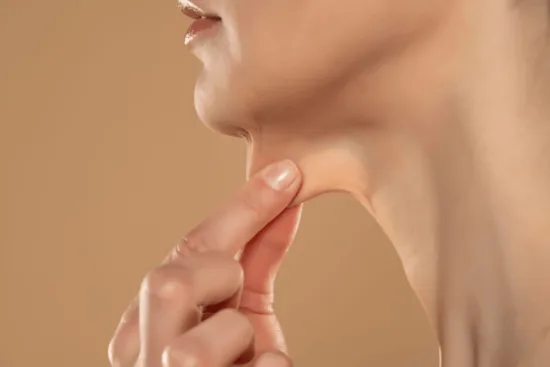
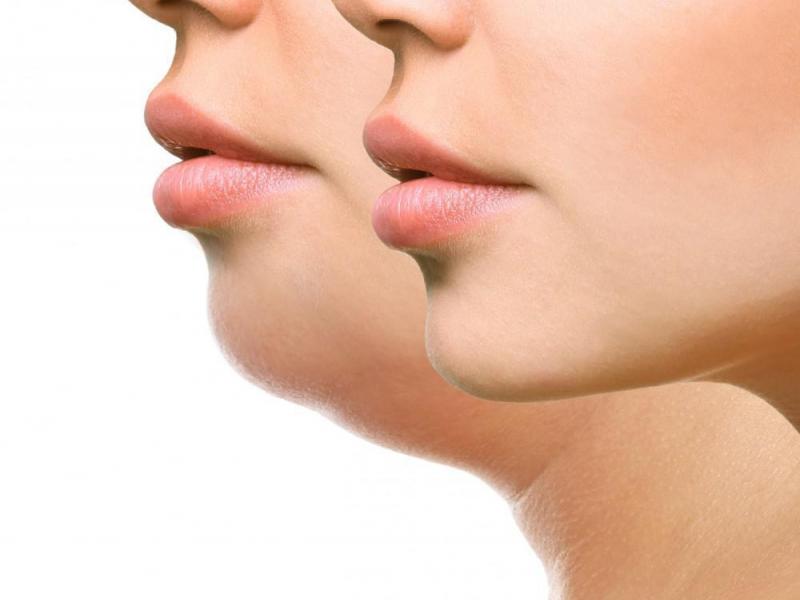
A double chin, medically termed submental fullness, refers to an accumulation of fat deposits beneath the chin that create an unattractive bulge. This fatty mass develops between the skin and the platysma muscle, the thin layer covering the neck. When pronounced, it can extend downward, making the entire face appear tired, heavier, and less defined than it actually is.
The condition affects both men and women across all age groups, though it becomes increasingly common with advancing years. Many people who develop a double chin experience genuine psychological distress, as it dramatically alters the profile and can make someone look older or heavier than their actual body weight. Fortunately, unlike decades past, numerous proven remedies now exist, ranging from conservative approaches to surgical interventions.
Primary Causes Behind Double Chin Formation
Several interconnected factors contribute to double chin development:
- Weight fluctuations: Significant weight gain deposits excess fat throughout the body, including under the chin. Conversely, rapid weight loss sometimes leaves loose skin in this area.
- Aging and skin elasticity: As we age, collagen and elastin production decline. The skin loses its natural bounce and firmness, causing it to sag. Simultaneously, the platysma muscle weakens, offering less structural support to the tissues above.
- Genetic predisposition: If your parents or grandparents had submental fullness, you're statistically more likely to develop it yourself, regardless of weight or lifestyle. Genetics determine fat distribution patterns and skin thickness.
- Poor posture: Chronic forward head posture (often from desk work or smartphone use) stretches neck muscles and skin, accelerating sagging over time.
- Sedentary habits: Lack of physical activity combined with modern lifestyle tends to concentrate fat in the submental region.
- Hormonal changes: Thyroid dysfunction and menopause can alter fat storage patterns, sometimes favoring chin accumulation.
When skin separates from the underlying structure due to age or weight loss, the chin loses elasticity and becomes slack. Fat cells intensify simultaneously, reinforcing the visible fullness. These mechanisms often compound, a person might face genetic predisposition plus aging plus weight gain, creating a stubborn double chin that resists diet and exercise alone.
Non-Surgical Treatment Options
For mild to moderate cases, several minimally invasive approaches deliver satisfactory results without surgical recovery time.
Cryolipolysis (CoolSculpting)
This FDA-approved technology freezes fat cells selectively, causing them to crystallize and eventually die. The body's natural lymphatic system eliminates these dead cells over subsequent weeks. A single cryolipolysis session typically lasts 35 to 60 minutes. Most patients notice visible improvement after 4 to 12 weeks, with final results appearing around 16 weeks post-treatment. Results are permanent for the treated cells, though remaining fat cells can still enlarge if weight is gained. Multiple sessions (usually two) spaced 4 to 8 weeks apart often produce optimal contouring. Side effects are generally mild: temporary numbness, redness, or mild bruising in the treatment zone.
Kybella Injections (Deoxycholic Acid)
Deoxycholic acid injections directly dissolve fat cell membranes. FDA-approved in 2015 specifically for submental fat, Kybella requires a series of injections, typically up to six treatment sessions spaced one month apart, to achieve noticeable reduction. Results develop gradually as treated fat cells are metabolized. Swelling and bruising are common immediately post-injection and can persist for several days. Full results appear after completing the injection series. This approach suits patients with moderate submental fullness who prefer a non-surgical path.
Radiofrequency and Ultrasound Treatments
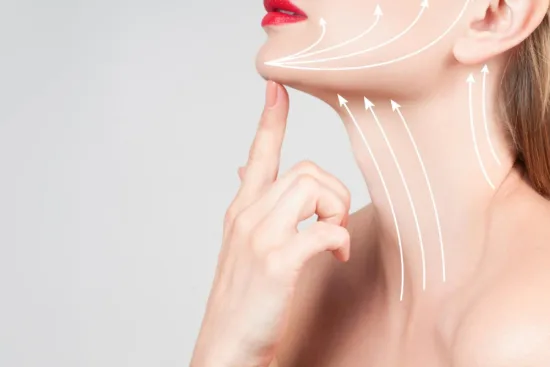
Devices such as Thermage or Ultherapy use targeted energy to heat deep skin layers, stimulating collagen remodeling and skin tightening. These treatments work best for patients with mild sagging rather than substantial fat deposits. Results appear gradually over 2 to 3 months and continue improving for up to six months. Treatment sessions range from 30 to 90 minutes depending on the device and area size. Minimal downtime exists, though mild redness or swelling may occur temporarily.
Surgical Solutions for Pronounced Double Chins
When non-surgical methods prove insufficient or fat deposits are substantial, surgical intervention offers more dramatic, permanent reshaping.
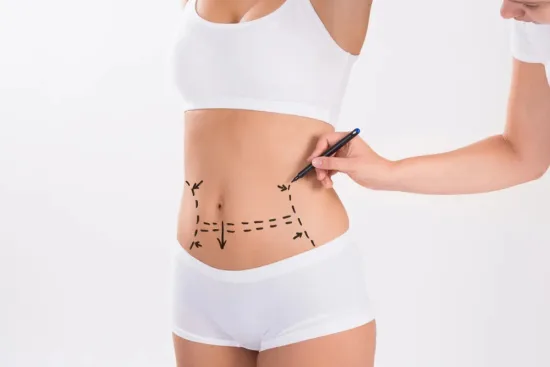
Submental Liposuction
Liposuction of the submental region involves inserting a thin cannula through a small incision under the chin to suction excess fat. Tumescent anesthesia (saline solution infused with local anesthetic) minimizes bleeding and post-operative pain. The procedure typically requires 30 to 60 minutes under local or general anesthesia depending on the volume of fat and patient preference. Recovery includes 1 to 2 weeks of mild swelling and bruising; compression garments (a chin strap) are worn continuously for 1 to 2 weeks to optimize skin redraping. Results become apparent within 4 to 6 weeks as swelling subsides, with final contours visible at 3 months. Liposuction suits patients with good skin elasticity, as the skin must naturally contract after fat removal. If skin elasticity is poor, a neck lift may provide superior results.
Neck Lift (Platysmaplasty)
A neck lift directly addresses both fat and loose skin, making it ideal for older patients or those with significant sagging. The surgeon typically makes an incision under the chin and sometimes behind the ears, removes or redistributes fat, tightens the platysma muscle, and excises excess skin. The procedure lasts 1 to 3 hours under general anesthesia. Recovery involves 2 to 3 weeks of visible swelling and bruising; most patients return to light activities by week two but must avoid strenuous exercise for 4 to 6 weeks. Results stabilize over 3 to 6 months. A neck lift produces more dramatic jawline definition than liposuction alone because it simultaneously tightens the muscular and cutaneous layers.
Chin Augmentation Combined with Contouring
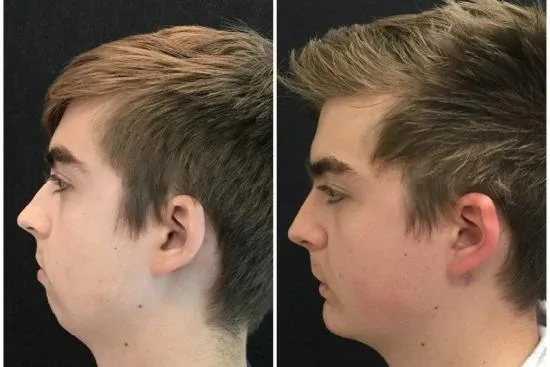
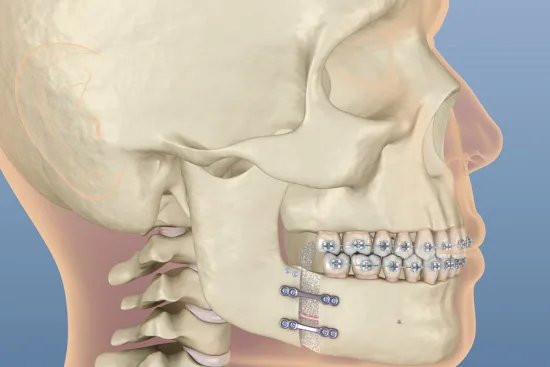
Sometimes a weak or recessed chin visually exaggerates submental fullness. Chin augmentation using an implant or fat transfer can project the chin forward, improving the overall profile and creating better visual balance. This may be combined with liposuction or neck lift for comprehensive rejuvenation. The combined approach requires careful surgical planning to ensure proportional results.
Preparing for Double Chin Treatment
Before any procedure, schedule a detailed consultation with a qualified surgeon. Bring clear photographs of your side profile and describe your aesthetic goals precisely. Discuss realistic outcomes, recovery timelines, and potential complications specific to your anatomy. If pursuing surgery, arrange time off work (typically 1 to 3 weeks depending on the procedure), arrange transportation home, and prepare a recovery space with extra pillows for elevation.
Stop smoking at least two weeks before surgery, nicotine impairs blood flow and delays healing. Discontinue blood-thinning supplements (fish oil, vitamin E, aspirin) one week prior unless your surgeon advises otherwise. Wear comfortable, loose clothing for your procedure day.
Post-Treatment Recovery and Results
Following non-surgical treatments, most patients resume normal activities immediately, though results develop gradually over weeks. With surgical procedures, the first week involves the most visible swelling and discomfort. Compression garments must be worn as directed, typically day and night for 1 to 2 weeks, then nights only for an additional 2 to 4 weeks. Sleeping elevated on extra pillows reduces swelling. Light walking promotes circulation; more vigorous exercise should be deferred until cleared by your surgeon, generally 4 to 6 weeks post-op.
Results vary based on the procedure type, patient age, skin quality, and genetics. Non-surgical treatments provide subtle but visible improvement; surgical approaches deliver more dramatic jawline definition lasting many years. Maintaining stable weight and good posture helps preserve results long-term.
When to Seek Professional Guidance
If a double chin bothers you cosmetically, or if it's accompanied by other neck symptoms (difficulty swallowing, breathing changes, progressive enlargement), consult a surgeon to explore your options. The clinics partnered with Turquie Santé offer comprehensive consultations to assess your anatomy, discuss realistic expectations, and recommend the most suitable approach, whether non-surgical refinement or surgical transformation. Early intervention often prevents the need for more invasive procedures later.

"Medical journalist specializing in science communication, I put my expertise at the service of clear and accessible information. For Turquie Santé, I create content based on up-to-date medical data, in collaboration with specialists from partner clinics. My commitment is to provide reliable, transparent information that complies with international medical standards."
Need a personalized medical opinion?
Our partner doctors reply online within 24h, free of charge.