







Summary
- Understanding Facial Volume Loss
- How Facial Volumetry Works: The Microcannula Advantage
- Filler Materials: Hyaluronic Acid and Beyond
- Treatment Areas: Where Volumetry Makes the Most Difference
- The Treatment Process: What to Expect
- Results and Longevity
- Complications and How to Minimize Them
- Cost and Availability in Turkey
- Who Is a Good Candidate?
- Recovery and Aftercare Tips
- Alternatives to Consider
- Questions to Ask Your Clinician
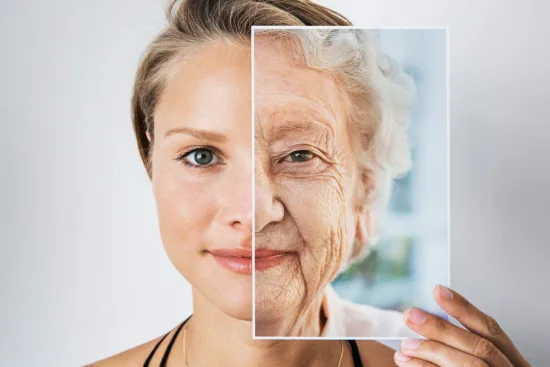
As we age, our skin naturally loses volume in key areas of the face. The cheekbones flatten, the cheeks hollow slightly, and the jawline softens. This happens because the skin contains less collagen and elastin, and the underlying fat pads shift over time. The result is a tired, drawn appearance that doesn't match how we feel inside. Volumetry with fillers offers a way to reverse this process, restoring the fullness and contour that made your face look younger.
Understanding Facial Volume Loss
The aging process changes facial structure in predictable ways. Cheekbones lose their definition, temples become hollow, and nasolabial folds deepen. Some patients notice their face looks longer or their jawline less defined. These changes happen gradually, which is why the difference between a 30-year-old face and a 50-year-old face can be striking, even when wrinkles alone don't account for it.
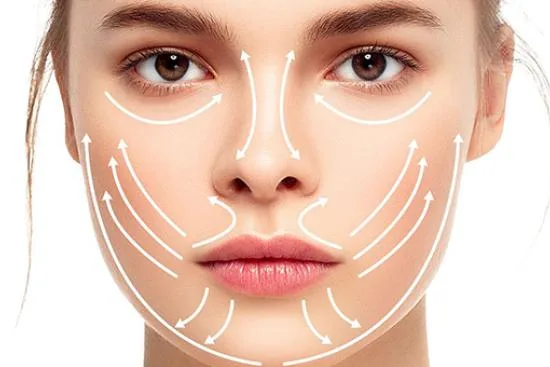
Volume loss starts around the mid-face and progresses downward. The malar region, the area beneath the cheekbone, becomes less prominent. The lips thin naturally. The skin loses its plump, youthful quality. Injectable fillers address this directly by replacing lost volume where it matters most.
Different patients lose volume in different patterns. Genetics, sun exposure, and lifestyle all influence how quickly these changes occur. A consultation with an experienced medical professional helps identify exactly which areas would benefit most from volumetry.
How Facial Volumetry Works: The Microcannula Advantage
Modern volumetry relies on specialized microcannulas rather than traditional needles. A microcannula is a thin, hollow tube with a rounded, blunt tip, typically 0.7 to 1.2 millimeters in diameter. The approach transforms the entire experience for patients because these instruments are far gentler on delicate facial tissues.
The procedure begins with a single needle puncture to introduce the microcannula beneath the skin. Once in place, the blunt tip glides smoothly through tissue without cutting blood vessels or nerves. As the microcannula advances, it gently displaces small blood vessels rather than piercing them. This is the critical difference. Traditional needles puncture vessels, which causes bleeding and bruising. Microcannulas avoid this trauma almost entirely.
The clinician threads the microcannula along a specific plane beneath the dermis, the layer just below the skin's surface. From this position, filler material is deposited in small, precise amounts along the entire length of the cannula as it withdraws. This creates a smooth, natural contour without lumps or irregularities. The rounded tip means no scarring, no permanent marks, and in most cases, patients have minimal visible trauma immediately after treatment.
Because hematomas (bruising) rarely form with microcannula technique, downtime is dramatically reduced. Many patients return to normal activities the same day. Some experience mild swelling for 24 to 48 hours, but this is usually manageable with basic post-treatment care.
Filler Materials: Hyaluronic Acid and Beyond
Hyaluronic acid (HA) is the gold standard for facial volumetry. It's a naturally occurring substance that holds water in the skin, providing hydration and plumpness. When injected, HA fillers immediately restore volume while integrating seamlessly with existing tissue. The body gradually absorbs HA over 6 to 18 months, depending on the product formulation and the area treated. Denser areas with more muscle movement, like the lips, break down faster. Static zones like the cheekbone retain results longer.
Different HA products offer varying degrees of thickness and lift. Lighter formulations are ideal for superficial lines and lip enhancement. Thicker, more cohesive formulations provide the projection needed for cheekbone and chin augmentation. Dermal fillers come in numerous brands and formulations, each with specific characteristics. Experienced clinicians select the right product and concentration for each facial area.
Polylactic acid (PLLA) is another option for longer-lasting results. This biocompatible material stimulates collagen production over time, meaning results improve gradually and persist for 2 to 3 years. PLLA works well for moderate to significant volume loss, particularly in the cheeks and temples. It requires a different injection technique and typically needs 2 to 3 treatment sessions spaced a few weeks apart.
Calcium hydroxylapatite is a third choice, offering immediate results with collagen stimulation benefits. It's denser than HA and particularly effective for deep folds and structural augmentation. Results generally last 12 to 18 months.
Treatment Areas: Where Volumetry Makes the Most Difference
Cheekbone and cheek augmentation is perhaps the most transformative application. Restoring projection to the malar prominence creates instant lift throughout the midface. The entire face appears more defined, less sagging, more youthful. This single treatment often makes the largest visual impact.
Temples are frequently overlooked in anti-aging discussions, yet hollow temples make the entire face appear older and tired. Adding subtle volume here creates a more rested appearance and supports the cheekbone projection above it. A balanced approach to temples and cheeks is usually more effective than addressing either area alone.
The chin and jawline benefit greatly from volumetry. A more defined chin creates better facial proportions and supports the neck profile. For patients concerned about the jowl effect, jawline definition through strategic filler placement can subtly counteract this change.
Nasolabial folds, the lines running from the nose to the mouth, improve when volume is restored to the cheeks above them and the lips below them. Rather than injecting directly into the fold, skilled clinicians support these areas with filler placed deeper, allowing the fold to flatten naturally. Nasolabial fold treatment requires understanding the underlying structural changes.
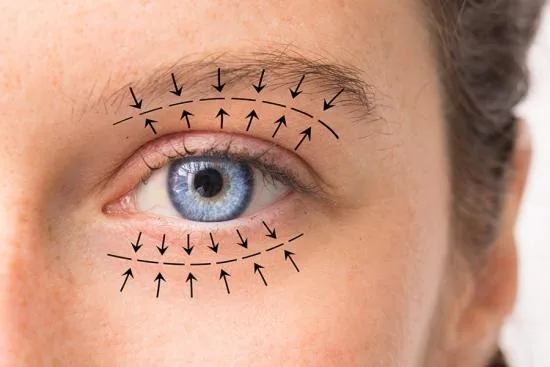
Under-eye hollowing, common after 40, can be addressed with cautious volumetry. The area is delicate and requires experienced injection. Results here make a noticeable difference in how refreshed and alert someone appears.
The Treatment Process: What to Expect
Consultation is the first step. The clinician assesses your face, discusses your goals, and creates a customized plan. Not everyone needs the same approach. Someone in their 40s with moderate volume loss requires different treatment than someone in their 60s with significant changes. Photography helps document baseline appearance and measure results objectively.
Treatment day begins with cleansing and usually a topical anesthetic cream. Some fillers contain lidocaine, a numbing agent, which further reduces discomfort. The clinician maps injection points using careful measurement and anatomical landmarks to ensure symmetry. Most patients report the procedure feels like pressure more than pain. The entire process takes 20 to 45 minutes depending on the number of areas treated and the amount of filler needed.
Immediately after, expect mild swelling and possibly minor bruising. Applying ice for the first 24 hours helps minimize both. Avoid strenuous exercise, saunas, and excessive heat for 48 hours. Most patients can return to work the same day or next day. Results are immediate but improve over the next 5 to 7 days as swelling resolves.
Touch-ups may be recommended at two weeks if additional refinement is desired. Some clinicians prefer a conservative first treatment, knowing they can always add more filler at the follow-up visit.
Results and Longevity
Results from hyaluronic acid fillers typically last 12 to 18 months in the cheeks, though individual variation is significant. Faster metabolisms, more active facial expressions, and sun exposure accelerate breakdown. Maintenance treatments, usually performed once or twice yearly, keep results consistent. Many patients find that regular treatment prevents the face from reverting to a hollow appearance, maintaining the improved volume continuously.
Polylactic acid fillers offer longer-lasting results, typically 2 to 3 years, because they work partly through collagen stimulation. The improvement also evolves gradually, making results look increasingly natural over months rather than appearing obviously different overnight.
Cumulative effects matter. Repeated filler treatments over years gradually build a more youthful facial structure. Patients who started volumetry in their 40s often report that by their 50s, their face looks better than it did a decade earlier, because they've been systematically restoring and maintaining volume.
Complications and How to Minimize Them
Bruising and swelling are the most common temporary effects, not true complications. They resolve within days to two weeks. More serious complications are rare when the procedure is performed by experienced, qualified clinicians. However, they warrant discussion.
Lumpiness or irregularity can occur if filler is not smoothly distributed or if too much is placed in one location. Experienced clinicians blend filler carefully and use massage techniques to smooth any irregularities before they set. If lumpiness persists beyond two weeks, it can sometimes be corrected with additional treatment or, in the case of HA fillers, enzymatic dissolution with hyaluronidase.
Vascular occlusion, where filler inadvertently blocks a small blood vessel, is extremely rare but serious. It can cause skin necrosis in that area. This risk is minimized through proper anatomical knowledge, slow injection technique, and avoiding deep injection in high-risk zones. Skilled clinicians understand facial vasculature and inject accordingly.
Allergic reactions to filler materials are uncommon because modern fillers are biocompatible. More often, patients experience sensitivity or inflammation that resolves with conservative care. True allergy is exceptional.
Granulomatous reactions, where the body treats filler as foreign material and creates inflammatory nodules, can develop weeks or months after treatment. This happens in a small percentage of cases and is more common with certain types of filler. It's manageable but may require additional treatment.
Migration, where filler shifts away from the injection site, is prevented through proper placement and technique. Gravity can cause some settling, which is why injecting slightly above the desired final position is sometimes appropriate.
Cost and Availability in Turkey
Prices for facial volumetry in Turkey are considerably lower than in Western Europe or North America, typically 40 to 60 percent less expensive. However, cost varies based on filler type, the amount used, and the number of areas treated. Hyaluronic acid fillers generally cost less per milliliter than stimulatory fillers like polylactic acid. Treatment of one cheek might use 1 to 2 milliliters of filler, while comprehensive facial volumetry addressing multiple areas can use 4 to 8 milliliters or more.
The clinics partnered with Turquie Santé in Istanbul offer consultations, often virtual, where you can discuss treatment specifics and pricing. Turquie Santé coordinates your entire process, from initial assessment through post-treatment follow-up, ensuring communication between you and your chosen clinic.
Many patients combine volumetry with other aesthetic procedures for comprehensive facial rejuvenation. A mini facelift can complement filler treatment, or microneedling can enhance skin quality while fillers restore volume. Coordinating treatments often provides better overall results and better value.
Who Is a Good Candidate?
Ideal candidates are those with moderate volume loss who want natural-looking improvement without surgery. There's no strict age cutoff. Some people in their 30s have genetic predisposition to hollow cheeks and benefit from early volumetry. Most patients seeking volumetry are 35 and older, when age-related changes become noticeable.
Realistic expectations matter enormously. Volumetry restores youthfulness but doesn't create a different face or erase all signs of aging. The goal is usually to look like yourself but refreshed, not dramatically transformed.
Certain medical conditions make volumetry inadvisable. Active infections in the area, severe autoimmune diseases, or specific medications that thin the blood excessively warrant caution. A thorough medical history during consultation identifies these concerns.
Pregnancy and breastfeeding are reasons to postpone treatment, not because fillers are inherently dangerous but because elective cosmetic procedures are typically deferred during these periods.
Recovery and Aftercare Tips
The first 48 hours are critical for optimal results. Apply ice wrapped in a cloth for 10 to 15 minutes at a time, several times daily, particularly the first day. This reduces swelling and bruising. Keep your head elevated when resting. Sleep on your back if possible to avoid putting pressure on treated areas.
Avoid makeup over injection sites for at least 24 hours to prevent infection. When you do resume makeup, use clean brushes and new products if possible. Gentle cleansing is fine, but scrubbing or aggressive manipulation should wait several days.
Sun exposure and heat accelerate swelling and bruising. Stay out of direct sunlight, avoid hot showers or baths, and skip saunas and steam rooms for at least a week. UV protection becomes even more important; use a broad-spectrum sunscreen daily if any sun exposure occurs.
Exercise can increase swelling and bruising by increasing blood flow. Avoid strenuous activity for at least 48 hours, preferably a week for significant treatments. Light walking is generally fine.
Some clinicians recommend avoiding aspirin and NSAIDs like ibuprofen for a few days before and after treatment, as these can increase bleeding and bruising. Acetaminophen is usually acceptable for any discomfort.
Alcohol dehydrates tissue and can worsen swelling and bruising, so minimizing alcohol for the first few days is prudent.
Alternatives to Consider
If you're hesitant about injectables, other options exist. CO2 laser treatment can stimulate collagen and tighten skin, improving volume appearance indirectly. Facial lipofilling uses your own fat to restore volume permanently, though it requires a minor surgical procedure. Some prefer this approach because results last indefinitely and the material is autologous, meaning no risk of allergic reaction.
Facelift surgery addresses volume loss comprehensively by repositioning tissue, though this is more invasive and requires longer recovery. For mild to moderate changes, volumetry with fillers is less risky and requires no downtime compared to surgery.
Combining approaches often yields best results. A patient might use fillers for volume and laser treatment for skin quality, or combine fillers with a mini facelift for structural support. Discussing your full goals with an experienced clinician helps design an optimal plan.
Questions to Ask Your Clinician
Before treatment, clarify which filler material is recommended and why. Ask how long results typically last in your specific case, accounting for your metabolism and lifestyle. Understand the expected cost for your full treatment plan, including any anticipated follow-up sessions. Request before-and-after photos of similar patients to set realistic expectations.
Ask about the exact technique being used, the number of injection points, and how symmetry will be ensured. Discuss potential risks specific to your anatomy or medical history. Know what to expect during recovery and when you'll see final results. Clarify the policy for touch-ups if you're unhappy with results.
Ask whether the clinic uses brand-name, FDA-approved fillers or less expensive alternatives. There's cost difference, and understanding this matters for your decision. Finally, ask about the clinician's training, experience, and continuing education in aesthetic procedures.

"Medical journalist specializing in science communication, I put my expertise at the service of clear and accessible information. For Turquie Santé, I create content based on up-to-date medical data, in collaboration with specialists from partner clinics. My commitment is to provide reliable, transparent information that complies with international medical standards."
Need a personalized medical opinion?
Our partner doctors reply online within 24h, free of charge.