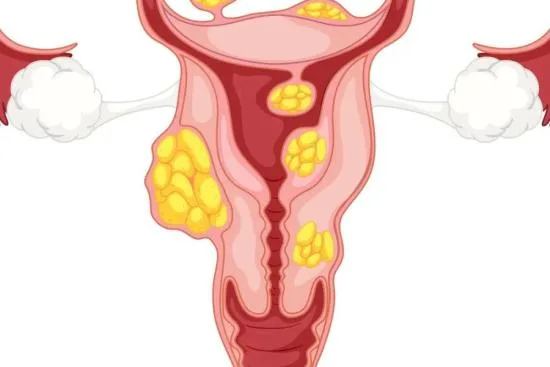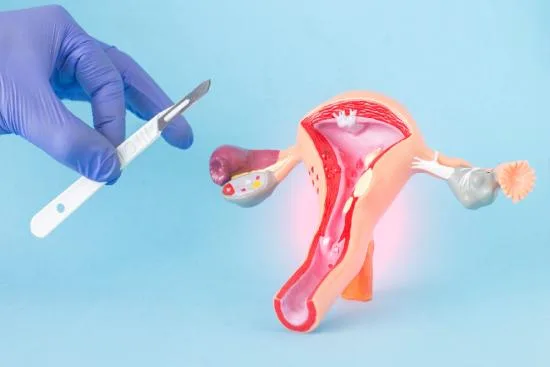




If you notice unusual bleeding, pelvic discomfort, or fertility concerns, you may be facing decisions about gynecological treatment. Gynecological surgery can address conditions such as endometriosis, fibroids, ovarian cysts, chronic pelvic pain, abnormal bleeding, and other issues. Turkey has become a destination for gynecological procedures combining experienced surgeons with reproductive medicine expertise at costs significantly lower than Western clinics. Turquie Santé connects you with accredited hospitals performing minimally invasive cosmetic and functional gynecological procedures, offering pre-operative consultations, surgical scheduling, and post-operative follow-up. Most procedures involve either diagnostic assessment or targeted surgical correction, with same-day discharge rates around 60% for outpatient minimally invasive hysterectomy for benign conditions, allowing you to return home quickly while maintaining recovery quality.


Why choose Gynecology with Turquie Santé ?
Expert surgeons and internationally certified hospitals
Substantial savings compared with European prices

Medical stay organized from A to Z
Direct prices without commission
Free assistance
Verified reviews : 818
Highly qualified professionals in accredited institutions.
We assist you before, during, and after your trip
Book with full transparency, no hidden fees or commissions.

Verified testimonials from our patients
How it works ?


Procedures available for this specialty
Get a free medical opinion on Gynecology with our 33 Recognized Clinics

Assoc. Prof. Dr. Ünal İSAOĞLU

Op. Dr. Elif Esra UYAR

OP. DR. KÜBRA IRMAK

Dr. Fulya Gökdağlı SAĞIR

Dr. Kübra Karakolcu

Op. Dr. Selin Çetinkal

Op. Dr. Faik Tamer Sözen

Assoc. Prof. Dr. Hamdullah Sözen

Prof. Dr. Hatice Çelik

PROF DR ONUR EROL
You have consulted 7 / 33 Hospitals
Related medical articles
Everything you will need for your medical trip
Expert opinions and cost estimates
Understand your procedure before traveling.
We assist our patients in obtaining their visas from the consulates.
We guarantee free and certified translation of your medical documents from all languages.
Your transfers will be provided from the airport and your hotel.
You will be assisted by your attending doctor even after returning to your country, via videos or messages.
Experiences of our patients – Turquie Santé
This content complies with the editorial policy of Turquie Santé. It was written by Emily White, Head of the Editorial Team, who has over 11 years of experience in scientific research and clinic management in Turkey. She ensures the reliability of medical information while making complex data accessible to everyone.


Understanding Gynecological Examinations and Procedures
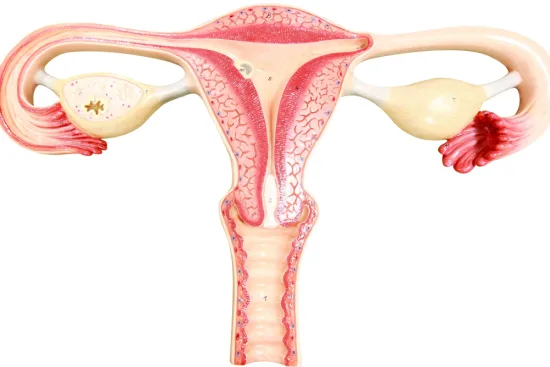
Gynecological examination is performed to collect information about the lower abdomen and external genitalia, vagina, cervix (including cervical cytology),uterus, adnexa, anus, and rectum.Different gynecology examinations are appropriate depending on a patient's age and her diagnosed gynecological conditions. Gynecological care encompasses screening, diagnosis, and treatment of conditions affecting the female reproductive system.
Core Components of the Gynecological Assessment
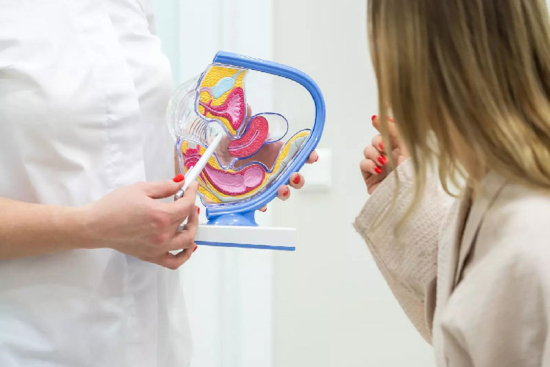
The pelvic examination typically consists of visual external inspection, insertion of the speculum, performance of any tests or cytology, and then bimanual examination to determine the size and character of the uterus and ovaries.A complete gynecological examination includes inspection of the vagina with the aid of a speculum and, if needed, colposcopy and bimanual palpation. The external inspection evaluates the vulva and surrounding structures, while speculum insertion allows visualization of the vaginal wall and cervix for both visual assessment and sample collection.
Diagnostic Procedures for Targeted Investigation
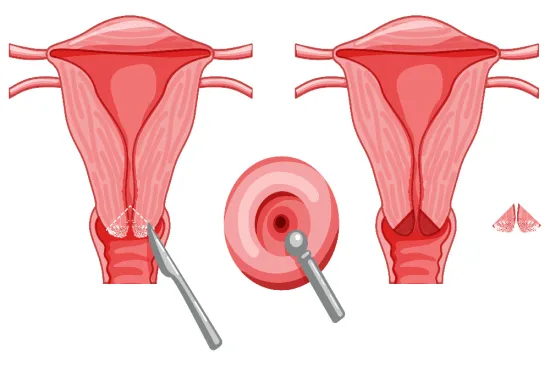
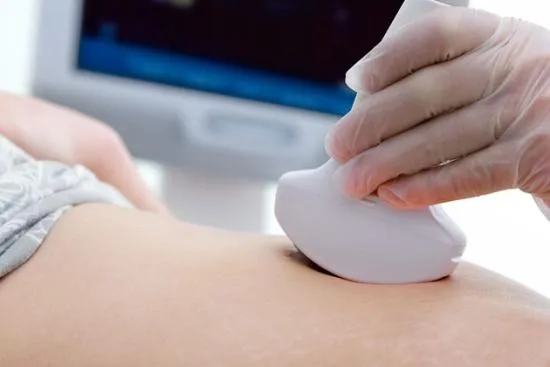
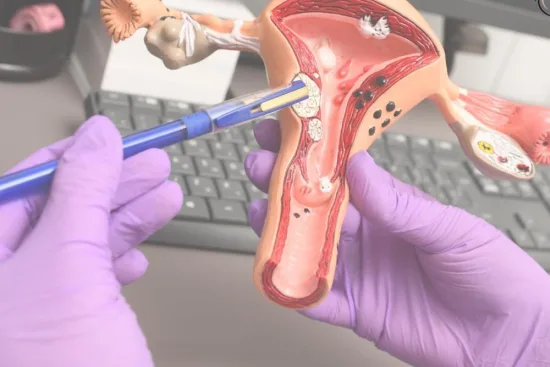
The major diagnostic procedures include speculum examinations, sonography (ultrasound),colposcopy, cervical biopsy and endocervical curettage, loop electrosurgical excision procedures, vulvar biopsy, endometrial biopsy, hysteroscopy, and hysterosalpingography (HSG).A gynecologist will do a colposcopy test if a woman has abnormal cells found on a Pap smear. The procedure involves an instrument called a colposcope, which is a microscope on a stand.Sonohysterography involves isotonic fluid injected through the cervix into the uterus during ultrasonography. The fluid distends the uterine cavity, making it easier to detect intrauterine masses (eg, endometrial polyps, submucosal leiomyomas).Hysteroscopy is a method through which endometrial cavity can be observed and manipulated transcervically.When performed with the correct technique, hysteroscopy is well tolerated by patients and the success rate reported in the literature ranges from around 90 to 95 percent. All of these procedures can be performed in the office setting or in a radiology suite, though in certain situations they are performed in the OR if more sedation or increased monitoring is required.

Clinical Indications and Patient Population
In gynecological practice, it is standard for women to undergo procedures to assess their uterine cavities and the endometrial tissue, in particular for woman suffering from abnormal bleeding, infertility, suspected cancer, sexually transmitted diseases, pelvic pain, and other maladies of the reproductive tract.A pelvic examination is performed for asymptomatic women as a screening tool for gynecologic cancer, infection, and asymptomatic pelvic inflammatory disease.A woman will likely have her first gynecology appointment when she is in her late teens or early 20s and she should continue to see a gynecologist regularly throughout her life.
Recovery and Postoperative Care
Standard procedures typically are performed in an office setting or small suite without the use of anesthesia for the patient.Postoperative advice covers hysteroscopy, large loop excision of the transformation zone (LLETZ) conisation, tension-free vaginal tape (TVT),laparoscopy, hysterectomy, and caesarean section. Topics included duration of sick leave, follow-up, bathing, tampon use, sexual activity, sports, and lifting restrictions.For LLETZ conisation, specialists advised 2 to 4 weeks of rest. For hysterectomy and caesarean section, both groups advised 4 to 6 weeks of recovery, with restrictions on weight lifting, sexual activity, and sports. Implementing the fast-track surgery protocol in laparoscopic gynecological surgeries for benign conditions can reduce length of stay, accelerate recovery, and minimize pain without increasing postoperative complications. Each patient receives individualized guidance based on the specific procedure performed and her medical history.