






Summary
- Why Turkey Has Become a Medical Tourism Hub
- Internationally Accredited Clinics: The Foundation of Safety
- Surgical Technology: Modern Equipment Matters
- Surgeon Credentials: Beyond the Certificate on the Wall
- The Role of Turquie Santé in Your Medical Journey
- Cost Transparency: What Pricing Really Means
- Recovery: What to Realistically Expect
- Potential Complications and How Clinics Handle Them
- Questions to Ask Before Committing
- The Importance of Realistic Expectations
- Documentation and Follow-Up Records
- Making Your Decision
Considering aesthetic procedures in Turkey? The appeal is undeniable: lower costs, skilled surgeons, and modern facilities draw hundreds of thousands of medical travelers annually. Yet choosing wisely separates a smooth experience from serious complications. Turquie Santé specializes in coordinating these journeys, connecting patients with vetted clinics that meet rigorous international standards.
Why Turkey Has Become a Medical Tourism Hub
Turkey attracts patients globally for cosmetic and reconstructive procedures. The combination of experienced surgeons trained in Europe and the US, coupled with advanced technology and competitive pricing, explains this surge. Procedure costs typically run 40 to 60% below Western Europe or North America, without compromising quality when clinics are properly selected.
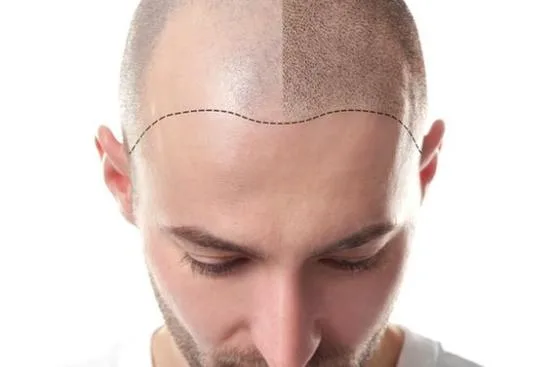
Success rates for hair transplants, rhinoplasty, and dental implants remain comparable to outcomes in established medical markets. However, this advantage only holds when patients partner with accredited facilities and experienced teams. A poorly chosen clinic can negate all financial savings and create lasting problems.
Internationally Accredited Clinics: The Foundation of Safety
The clinics partnered with Turquie Santé meet the highest standards of quality and medical safety. They hold certification from Turkish health authorities and, for the vast majority, accreditation from JCI (Joint Commission International), an organization that evaluates healthcare facilities worldwide using rigorous criteria.
JCI accreditation isn't merely a badge. It represents independent assessment of:
- Infection control protocols and sterilization procedures
- Staff qualifications and ongoing training
- Patient rights and informed consent processes
- Medical record documentation standards
- Emergency response readiness
Operating rooms in accredited facilities feature sterile environments maintained through multiple layers of protection. HEPA filtration systems continuously purify air to eliminate microorganisms. Single-use instruments eliminate cross-contamination risks. Reusable instruments undergo validated sterilization cycles verified by biological indicators.
Surgical Technology: Modern Equipment Matters
Advanced operating rooms contain technology that directly impacts surgical precision and patient safety.
High-definition LED surgical lights provide magnification and true color rendering, allowing surgeons to distinguish tissue planes and identify subtle anatomical variations. Modular operating tables adjust to any body type and surgical position, reducing strain on patients during lengthy procedures. Real-time imaging systems, integrated directly into the operating room, permit surgeons to navigate complex anatomy without leaving the sterile field.
Cardiac monitoring systems track heart rhythm, blood pressure, oxygen saturation, and body temperature throughout surgery. Anesthesia equipment includes advanced ventilators and monitoring displays that alert the anesthesia team to any physiological change. This continuous surveillance means complications are detected immediately, not hours later.
For procedures like dental implants or facial contouring, imaging-guided techniques reduce revision rates. Surgeons can verify positioning before closing, preventing the need for second procedures.
Surgeon Credentials: Beyond the Certificate on the Wall
Cosmetic and reconstructive surgeons in Turkey's accredited clinics typically hold degrees from Turkish medical schools (which require six years of study plus specialty training) and many completed fellowship training in Europe or the United States. Board certification in plastic surgery from Turkish medical boards is standard.
However, credentials alone don't guarantee outcomes. Questions to ask any surgeon include:
- How many times have you performed this specific procedure?
- What complications have you encountered, and how did you manage them?
- Can you provide before-and-after photos from patients similar to my profile?
- What's your revision rate if patients are unsatisfied?
Reputable surgeons welcome these questions. They discuss both aesthetic goals and realistic limitations. They explain the recovery timeline, activity restrictions, and when final results appear (often 6 to 12 months for procedures involving soft tissue remodeling).
The Role of Turquie Santé in Your Medical Journey
Turquie Santé acts as your advocate throughout the process. The platform connects you with partner clinics, but equally important, it ensures continuity of care before, during, and after your procedure.
Pre-operative support includes:
- Detailed consultation with the surgeon, often via video call, to discuss your anatomy, goals, and realistic outcomes
- Medical history review to identify any contraindications (conditions making surgery inadvisable)
- Pre-op testing (blood work, imaging) if needed
- Clear explanation of medication adjustments, certain blood thinners, vitamins, and supplements must be stopped before surgery
During your stay in Turkey, Turquie Santé coordinates accommodation, airport transfers, and interpreter services if needed. You're not navigating a foreign country alone while recovering. Local coordinators speak your language and handle logistics, allowing you to focus on healing.
Post-operative care extends beyond leaving the clinic. Follow-up appointments occur as scheduled, and you receive clear aftercare instructions: wound care, activity restrictions, signs of infection to watch for, and when stitches or implants are removed. For complications arising weeks later, you can contact your surgeon or Turquie Santé's medical team.
Cost Transparency: What Pricing Really Means
Prices for aesthetic procedures in Turkey can be 40 to 70% lower than comparable procedures in the UK, US, or Northern Europe. A rhinoplasty might cost $2,500 to $4,500 in Turkey versus $8,000 to $15,000 in the US. Hair transplants using advanced techniques run $1,500 to $3,500 in Turkey compared to $4,000 to $10,000 elsewhere.
However, pricing varies widely based on surgeon experience, clinic location, and procedure complexity. A quote from an unknown clinic significantly cheaper than established providers warrants scrutiny. Extremely low prices often indicate cutting corners on materials, staff training, or facility standards.
Transparent clinics itemize costs: surgeon fees, anesthesia, operating room use, implants or materials, post-op medications, and follow-up consultations. They explain what's included in the quoted price and what costs extra (revision surgery, extended recovery support, complications).
Recovery: What to Realistically Expect
Recovery varies dramatically by procedure. Procedures involving skin resurfacing (laser treatments, chemical peels) may require one to two weeks before returning to social activities, though full healing takes months. Surgical procedures like facelifts or chin augmentation typically necessitate two to four weeks off work, with visible bruising and swelling subsiding over six to eight weeks.
Swelling peaks around day three to five post-op, then gradually resolves. Some swelling persists for months in deep tissue. Numbness or altered sensation is common and often takes six to twelve months to fully resolve. Scar maturation continues for a year or more.
Turquie Santé ensures you have detailed discharge instructions before leaving Turkey: activity restrictions, medication schedules, wound care protocols, and a contact number for post-op questions. Some patients choose to stay in Turkey for one to two weeks post-op to be near their surgeon if issues arise.
Potential Complications and How Clinics Handle Them
All surgery carries risk. Infection, bleeding, anesthesia reactions, and poor wound healing occur occasionally even in the finest facilities. The difference between safe and unsafe clinics lies in preparedness and transparency.
Accredited clinics have protocols for managing complications: antibiotics for infections, hemostasis techniques (cautery, sutures) for bleeding, emergency airway equipment for anesthesia reactions. They don't hide complications or blame patients; they address problems promptly and document everything.
Before consenting to surgery, confirm the clinic's policy on revision surgery if you're unhappy with aesthetic results. Some clinics include one revision within a set timeframe; others charge separately. Understanding this upfront prevents misunderstandings later.
Questions to Ask Before Committing
Request a detailed consultation with the surgeon via video if traveling from abroad. Bring photos showing your desired outcome. Ask about their approach if your anatomy differs from what achieves that result. Discuss the recovery timeline and any activity restrictions during your stay abroad.
Inquire about the anesthesia plan. Will you be under general anesthesia or local with sedation? Who administers it (a dedicated anesthesiologist, not a nurse)? What monitoring occurs during and after?
Clarify what happens if you experience complications weeks or months after returning home. Can you contact your surgeon with questions? Does your local physician have access to operative reports and photos? Are revisions covered or charged separately?
Ask for references from previous patients, ideally from your own country so you can speak with them directly. Reputable clinics provide these willingly.
The Importance of Realistic Expectations
Cosmetic surgery improves appearance but doesn't transform life outcomes or relationships. Someone unhappy before surgery often remains dissatisfied after. Conversely, patients with specific, achievable goals and realistic timelines for results typically report high satisfaction.
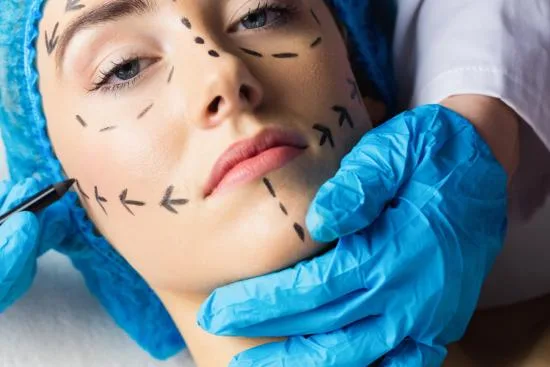
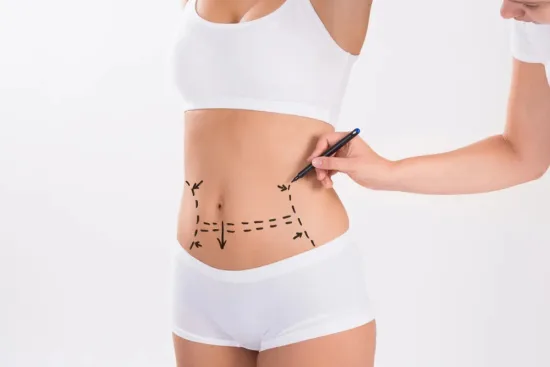
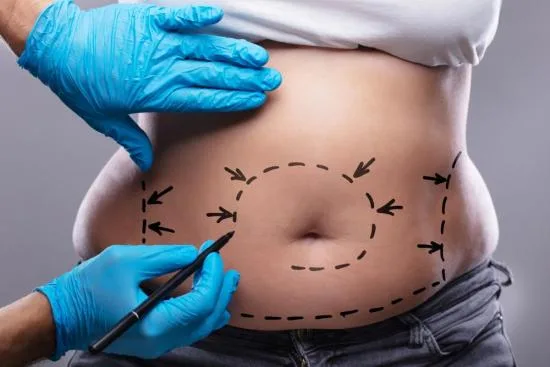
Surgeons in accredited clinics discuss limitations candidly. They explain that rhinoplasty narrows a nose but may not resolve all breathing issues. They note that dermal fillers soften lines temporarily but eventually reabsorb. They acknowledge that body contouring procedures leave scars, though they aim to minimize them.
Your surgeon should educate you about your specific anatomy and what's realistically achievable. If they promise perfection or dramatic transformation with minimal downtime, that's a red flag.
Documentation and Follow-Up Records
Accredited clinics provide comprehensive operative reports including photos, detailed descriptions of techniques used, materials implanted, and any intraoperative findings. You receive copies to share with your local physician. This documentation proves invaluable if complications arise or if another surgeon needs to revise the work.
Ensure all records are yours to keep. You should leave Turkey with operative notes, discharge summaries, medication lists, and contact information for your surgeon. Digital copies are standard practice.
Schedule follow-up appointments before leaving Turkey: typically at one week post-op (suture removal if needed), then at one month, three months, and six months. These appointments confirm normal healing and allow the surgeon to address any concerns early.
Making Your Decision
Medical tourism in Turkey is safe and effective when you partner with accredited clinics, experienced surgeons, and coordinating services like Turquie Santé. The lower costs shouldn't be your primary decision driver; rather, use savings to access premium facilities and surgeons.
Take time with your decision. Request consultations from multiple surgeons. Compare not just prices but qualifications, facility accreditation, and aftercare support. Ask yourself whether you feel confident asking questions and whether the surgeon genuinely listens to your concerns.
Medical tourism works best when combined with realistic expectations, thorough research, and partnership with an organization committed to your safety and satisfaction before, during, and long after your procedure.
"Medical journalist specializing in science communication, I put my expertise at the service of clear and accessible information. For Turquie Santé, I create content based on up-to-date medical data, in collaboration with specialists from partner clinics. My commitment is to provide reliable, transparent information that complies with international medical standards."
Need a personalized medical opinion?
Our partner doctors reply online within 24h, free of charge.