







Summary
- The delicate anatomy of your eyelids
- Why are my eyelids swollen? Common causes
- Natural and at-home remedies
- When natural remedies are not enough
- Non-invasive medical treatments
- Surgical dolutions: Blepharoplasty
- Blepharoplasty in Turkey: Cost and Accessibility
- Recovery timeline after surgery
- How to choose between treatment options
- The bottom line
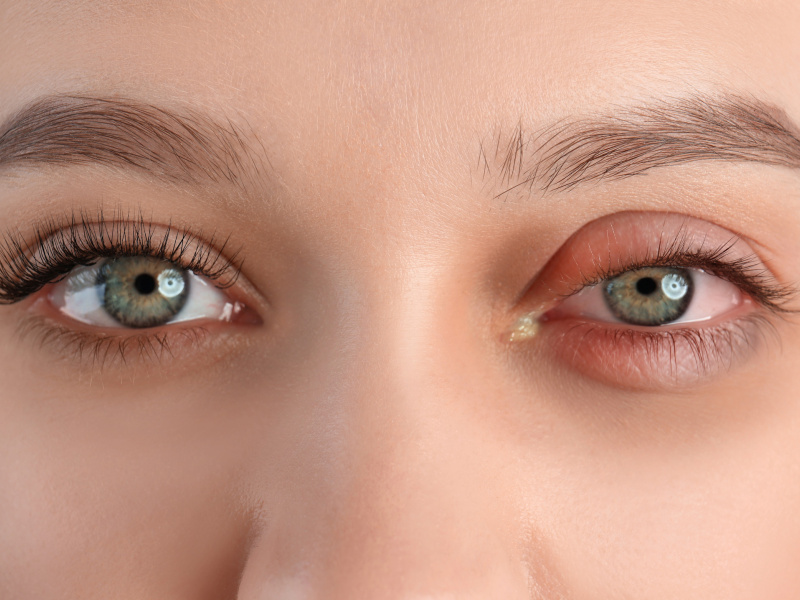
Puffy eyelids are one of the most common complaints we hear about in aesthetic medicine, and one of the most misunderstood. Some mornings, it is simply fluid retention that fades by lunchtime. Other times, the swelling around the eyelids persists for weeks, and no amount of sleep or cold compresses makes a difference. Knowing which situation you are dealing with and how to reduce puffiness naturally when it is truly just fluid can completely change how it should be treated.
In this guide, we'll walk through why eyelids swell, what you can realistically fix at home, and when it's time to talk to a doctor instead of trying another eye cream.
The delicate anatomy of your eyelids
The eyelids are among the most delicate structures in the entire human body. They serve as the first line of defense for the eyes, blinking roughly 15,000 to 20,000 times a day to keep the cornea hydrated and protected from external irritants.
What makes this area particularly vulnerable is its anatomy. The skin of the eyelids is approximately four times thinner than the rest of the face, with significantly lower levels of collagen and elastin. This means less structural support, which makes the area prone to fluid buildup and visible aging.
Beneath the thin surface lies a network of delicate blood vessels and lymphatic vessels. The orbicularis oculi muscle, responsible for blinking and closing the eyes, is one of the most frequently contracting muscles in the body. Over decades, this constant movement contributes to fine lines and weakens the surrounding tissue. The eyelid area also contains specialized oil glands (Meibomian glands and Glands of Zeis) that produce an oily substance to lubricate the eyes and eyelashes, which is part of why it's so easily irritated or dry.
Why are my eyelids swollen? Common causes
We've all been there: waking up with heavy, puffy eyelids that make us look tired before the day has even started. It's one of the most frequent complaints doctors hear, both in aesthetic consultations and in everyday life.
Fluid retention and sleep position
During sleep, circulation slows down. If you sleep on your stomach or with your face pressed into the pillow, gravity can cause fluid to accumulate in the tissues around the eyes overnight. The upper eyelid can be particularly affected because its skin is thinner and looser than the skin below the eye. This is one reason swelling around the eyelids may be more noticeable when you wake up and gradually improve during the day. Elevating your head with an extra pillow or sleeping on your back may help reduce morning puffiness over time.
Sodium can also contribute to fluid retention. Eating a salty meal, especially late in the evening, may cause the body to retain more water, which can make puffiness around the eyes more noticeable the next morning.
Sleep deprivation and fatigue
Poor sleep doesn't just make you feel tired. It can also affect fluid drainage from facial tissues and make the area around the eyes look more swollen.
Getting less than 7 hours of sleep may increase stress and contribute to inflammation and fluid retention. Blood vessels around the eyes can also become more noticeable, making the area look darker and puffier. This can create the classic tired look that concealer cannot completely hide.
Allergies and inflammatory responses
Seasonal allergies, dust mites, or a reaction to makeup or skincare can trigger histamine release, causing small blood vessels in the eyelid to dilate and leak fluid. Allergic puffiness usually comes with itching, which is a useful way to tell it apart from simple fluid retention. Antihistamines and cold compresses tend to bring quick relief.
Age related changes
As we age, collagen and elastin naturally decrease. The orbital septum, a membrane that helps hold the fat pads beneath the eyes in place, can also weaken over time. This may allow the fat to move forward and create visible under eye bags.
The skin also becomes less elastic and does not recover as easily as it did when we were younger. As a result, puffiness that once disappeared during the day may become more persistent.
With age, under eye bags can therefore become a structural change rather than a temporary problem caused by fluid retention.
Thyroid dysfunction and systemic conditions
Persistent eyelid swelling can sometimes be linked to an underlying medical condition. Hypothyroidism may cause facial puffiness, while kidney disease, heart failure, and liver disease can lead to fluid retention that also affects the eyelids.
This is why persistent or unexplained eyelid swelling should not always be considered a cosmetic issue. A medical evaluation may be appropriate when the swelling is prolonged, recurrent, or accompanied by other symptoms. The possible causes range from simple fluid retention to systemic conditions requiring medical attention.
Hormonal fluctuations
The menstrual cycle, pregnancy, and hormone therapy all raise aldosterone, a hormone that regulates water balance. Many women notice puffier eyes a few days before their period, and it typically resolves once menstruation starts.
Natural and at-home remedies
If you're looking for ways to reduce puffiness naturally, the good news is that mild, temporary swelling caused by your sleep position or a salty meal the night before usually responds well to simple, accessible solutions.
A quick and important caveat: these remedies calm the symptom, not the cause. They are worth trying for occasional puffiness, but they will not address fat herniation, skin laxity, or an underlying medical condition. If you find yourself repeating the same routine every morning without lasting improvement, this may indicate that the swelling is related to a structural or medical issue. In that case, a doctor’s opinion is more useful than trying another home remedy.
Cold therapy
Cold temperatures constrict blood vessels and can help reduce inflammation. Apply a cold compress, a chilled spoon, or an ice pack wrapped in a thin cloth to closed eyes for 10 to 15 minutes. The effect is temporary, usually lasting 1 to 2 hours, but it can be an easy way to look more refreshed before a meeting or event. A cold washcloth can work just as well as a refrigerated jade roller.
Elevation and sleep position
Sleep with your head propped up on two pillows instead of one, to stop fluid from pooling overnight. Give it about a week and you may notice morning puffiness decreasing. Try to avoid sleeping on your stomach or side, since both positions compress the face and encourage fluid buildup.
Sodium reduction
Cut back on sodium, especially in meals eaten within 3–4 hours of bedtime. A 24-hour low-sodium day can make a real difference for people whose puffiness appears suddenly or fluctuates from day to day.
Caffeine and topical products
Caffeine is often used in eye creams because it may temporarily reduce puffiness through its vasoconstrictor and anti inflammatory effects. Some studies have shown that topical caffeine can penetrate the skin around the eyes and help reduce eyelid oedema compared with a placebo.
Other ingredients commonly found in eye creams, such as peptides, retinol, and hyaluronic acid, may improve skin quality, firmness, and hydration over time. However, these products cannot correct structural changes such as fat herniation, which is a common cause of persistent under eye bags.
Green tea bags contain polyphenols with anti inflammatory properties. Steep the tea bags, let them cool, and apply them to the closed eyes for 10 minutes. Some people find this method as effective as a cold compress.
Lymphatic drainage
Gentle massage around the temples and cheekbones may help fluid move away from the eye area. A professional lymphatic drainage session can provide a more noticeable result, although the effect is temporary and may require repeated sessions.
When natural remedies are not enough
If puffiness continues despite good sleep, less salt, and regular cold compresses, the cause may be structural rather than fluid related. At this point, home remedies may have limited benefits, and a medical evaluation can help identify the real cause.
For example, a woman in her late 40s consulted an oculoplastic surgeon because of persistent puffiness around her eyes. She had already reduced her salt intake, slept with two pillows, and used a caffeine eye cream for several months without significant improvement. The examination showed that the problem was not mainly fluid retention. Fat pads had moved forward because the orbital septum had weakened with age. She chose lower blepharoplasty to address the structural changes. This example illustrates why persistent eyelid swelling should be properly evaluated rather than treated only with creams or lifestyle changes.
When swelling does not improve with simple measures, identifying the underlying cause is often more important than trying another home remedy.
Non-invasive medical treatments
It's worth being upfront here: none of the treatments below are permanent, and none of them remove fat pads. They can improve skin quality and provide a modest, temporary reduction in puffiness. They are a middle step, not a substitute for surgery when the cause is structural.
Radiofrequency and thermal treatments
Thermage uses radiofrequency energy to heat the deeper layers of the skin and stimulate collagen remodeling. A session typically takes 30 to 90 minutes, depending on the area being treated, with no downtime. Results develop gradually over 2 to 6 months as collagen reorganizes. This treatment is best suited to mild to moderate skin laxity, not to fat bags. Most patients may see a modest improvement in eyelid tightness and puffiness rather than a dramatic transformation.
Plasma therapy
Plasma therapy uses the patient's own blood to extract growth factors and platelets, which are then applied to the periocular area to encourage collagen production and improve skin quality. Results take 6–8 weeks to fully develop, and 3 sessions spaced 4 weeks apart are typically recommended. It's particularly effective for dark circles caused by thin, damaged skin, with only a modest secondary effect on puffiness.
Chemical peels and laser resurfacing
CO2 laser treatment removes damaged skin layers and stimulates collagen production. Around the eyelid, conservative settings are used to avoid complications. Results appear within 2–4 weeks and keep improving for 3–6 months. It's effective for fine lines, texture, and mild puffiness, but again, it cannot remove fat bags.
Dermal fillers
Dermal fillers can be injected into the tear trough, the hollow between the lower eyelid and cheek, to restore volume and soften the appearance of under eye bags. This treatment requires significant expertise because the area has a rich blood supply and very thin skin. Results typically last 9 to 18 months, depending on the type of filler used.
Surgical dolutions: Blepharoplasty
For permanent, structural correction, surgery is the most effective option. Blepharoplasty, or eyelid surgery, addresses the root cause of bags and puffiness directly, by removing excess fat and skin rather than just treating the surface.
Upper eyelid blepharoplasty
Upper eyelid blepharoplasty removes excess skin and, when necessary, may also address excess fat or muscle from the upper eyelid. The incision is usually placed within the natural crease of the eyelid, which helps make the scar discreet once healed.
The procedure is often considered when excess upper eyelid skin creates a heavy or tired appearance. It is commonly performed under local anesthesia, sometimes with sedation, although the approach depends on the patient and the surgical plan.
A systematic review of 26 studies found that patients were generally satisfied with both the aesthetic results and the appearance of their scars after upper blepharoplasty. The review also found no clear difference in patient satisfaction or aesthetic outcomes between the surgical techniques evaluated.
Lower eyelid blepharoplasty
This targets the bags and puffiness directly beneath the eyes. Two approaches exist. The transconjunctival approach removes fat through an incision inside the eyelid, leaving no external scar. This works well when only fat removal is needed. The subciliary approach makes an incision just below the eyelash line, allowing the surgeon to remove both fat and excess skin. This approach is preferred when skin laxity and wrinkles are also present.
Lower blepharoplasty typically takes 45-90 minutes. Swelling peaks at 48-72 hours post-op but improves rapidly. Most patients can return to light activities within one week and strenuous activity within 4-6 weeks. Final results become fully visible within 3-6 months, with complete scar maturation taking up to 6-12 months.
Combined upper and lower Blepharoplasty
Many patients choose to correct both eyelids in the same session for balanced results. Total operative time is typically 1.5 to 3 hours.
Results and longevity
The skin and fat removed during blepharoplasty do not grow back, so the correction of these tissues is considered long lasting. However, the aging process continues, and new skin laxity, wrinkles, or changes in eyelid tissues may develop over time.
A large multicenter prospective study of 2,134 patients found high satisfaction with the results of upper blepharoplasty at 6 months, with outcomes remaining stable between 6 and 12 months after surgery. Long term results can vary from one patient to another depending on age, anatomy, lifestyle, and the natural aging process.
Risks and complications
Blepharoplasty is generally safe, with serious complications affecting fewer than 1-2% of patients. However, specific risks include dry eye (temporary in most cases but occasionally persistent), temporary numbness of the eyelid, asymmetry, and in rare cases, difficulty closing the eye. Infection and bleeding are uncommon but possible. Revision surgery is sometimes needed to address over-resection of fat or uneven results, though this occurs in 5-10% of cases.
A small percentage of patients experience a temporary change in tear production, which usually resolves within 2-8 weeks, with most symptoms improving significantly by 3 months as nerves regenerate. Patients with autoimmune conditions, thyroid disease, or bleeding disorders require special consideration and should discuss these with their surgeon beforehand.
Blepharoplasty in Turkey: Cost and Accessibility
Clinics partnered with Turquie Santé offer blepharoplasty at competitive prices compared with many Western markets. Based on the current prices provided, upper blepharoplasty costs around $2,100, while lower blepharoplasty is also around $2,100. A complete blepharoplasty combining the upper and lower eyelids costs around $3,500.
Prices can vary depending on the clinic, surgeon, surgical technique, anesthesia, and services included in the treatment package. Patients should therefore request a personalized quote before making a decision.
Some international patients also choose to combine blepharoplasty with another cosmetic procedure, such as rhinoplasty or a mini facelift. Combining procedures may be possible in selected cases, but the decision should always be based on the patient's health, anatomy, and the surgeon's assessment.
Recovery timeline after surgery
- Days 1–3: Peak swelling and bruising. Ice packs for 15–20 minutes every 2–3 hours, head elevated during sleep, no strenuous activity or bending over. Eye drops help prevent dryness, and pain is usually mild to moderate.
- Week 1: Swelling starts decreasing noticeably. Most people return to light work and light makeup. Non-dissolving stitches are usually removed around day 5–7. Some bruising may still be visible.
- Weeks 2–4: Residual swelling continues to fade, most bruising clears, and scars start to look less noticeable. Light exercise and full makeup usually resume around week 3, with strenuous exercise resuming around 4-6 weeks.
- Months 2–3: Final scar maturation, with the scar line becoming pale and hard to notice. Swelling fully resolves and the final result becomes apparent.
How to choose between treatment options
The skin and fat removed during blepharoplasty do not grow back, so the correction is considered long lasting. However, aging continues, and new wrinkles, skin laxity, or changes in the eyelid tissues may develop over time.
A large multicenter study involving 2,134 patients found high satisfaction with upper blepharoplasty results at 6 months, with no clinically relevant change in satisfaction between 6 and 12 months after surgery.
The longevity of the result varies from one patient to another. Factors such as age, skin quality, anatomy, and the natural aging process can influence how the eyelids change over time.
The bottom line
Swollen eyelids can affect how people feel about their appearance, and understandably so. Temporary swelling often responds well to cold therapy, better sleep habits, and a lower sodium intake. Persistent puffiness and bags, however, may require a medical evaluation to identify the underlying cause. Home remedies and non invasive treatments can improve the appearance, but they cannot reverse fat herniation or significant skin laxity. When these structural changes are present, blepharoplasty is the surgical option that directly addresses excess skin and fat.
Whichever path fits your situation, Turquie Santé can help you find an accredited surgical center and plan your treatment, whether you choose to proceed in Turkey or elsewhere.

"Medical journalist specializing in science communication, I put my expertise at the service of clear and accessible information. For Turquie Santé, I create content based on up-to-date medical data, in collaboration with specialists from partner clinics. My commitment is to provide reliable, transparent information that complies with international medical standards."
Need a personalized medical opinion?
Our partner doctors reply online within 24h, free of charge.