




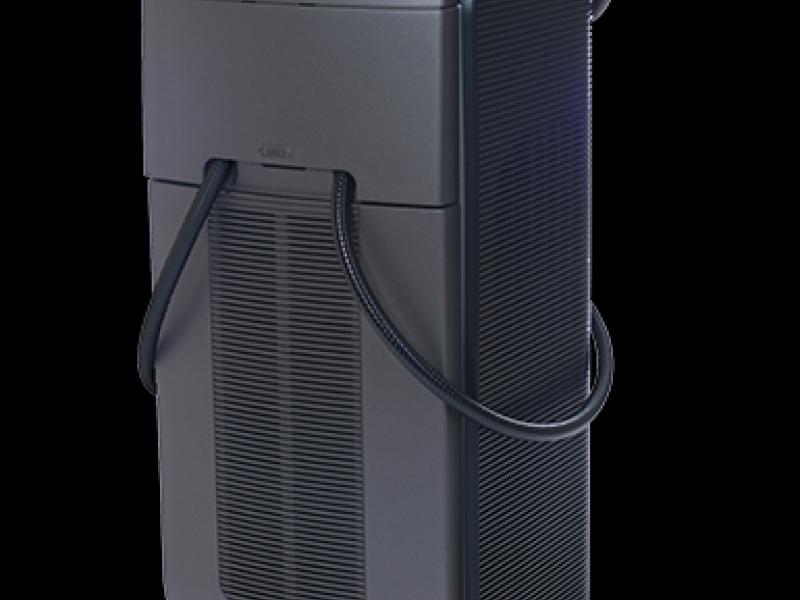



For anyone tired of regular shaving, waxing, or threading, Titanium laser hair removal offers a long-term solution that conventional methods cannot match. Unlike earlier laser technologies, the Soprano Ice Titanium system works safely on all skin phototypes, including tanned or darker skin, and across the full range of body areas. Turkey, and Istanbul in particular, has become a leading destination for this treatment, combining FDA-approved technology with prices 60 to 80% lower than in Western Europe or North America. This article explains how the Titanium laser works, who it is suitable for, and what it realistically costs in 2026.
What is the Titanium laser?
The Soprano Ice Titanium is a third-generation diode laser platform developed by Alma Lasers for permanent hair reduction. It simultaneously combines three laser wavelengths, Alexandrite (755 nm), Diode (810 nm), and Nd:YAG (1064 nm), in a single applicator, allowing it to target hair follicles at different depths and across all skin phototypes in a single pass. The device is FDA-approved and is considered one of the most advanced systems currently available for laser hair removal.
Earlier generations of laser hair removal technology were limited by their single-wavelength design, which made them poorly suited to darker skin tones, tanned skin, or finer hair. The Titanium platform overcomes these limitations by combining wavelengths, gradual heating technology, and an integrated cooling system into one device, significantly expanding the range of patients who can be treated safely and effectively.
How does the Titanium laser work?
The Titanium laser acts on the melanin pigment present in the hair follicle. Laser energy is absorbed by this pigment, converted into heat, and transmitted to the surrounding follicular tissue. When the temperature at the follicle base reaches a sufficient level, the structures responsible for hair growth are permanently damaged, inhibiting or eliminating regrowth from the treated follicle.
Three key technologies distinguish the Titanium system from conventional diode lasers:
- Triple wavelength (Trio HP technology): The simultaneous delivery of Alexandrite (755 nm), Diode (810 nm), and Nd:YAG (1064 nm) wavelengths targets hair follicles at three distinct anatomical depths in a single session. This ensures comprehensive coverage regardless of hair and skin type.
- SHR gradual heating (reverse thermal gradient): Rather than delivering a single high-energy pulse that risks skin damage, the SHR (Super Hair Removal) technology gradually raises the temperature of the dermis to the precise level at which follicles are inactivated, without damaging the surrounding tissue. This is the patented mechanism that enables safe treatment of tanned and darker skin.
- ICE Plus cooling system: An integrated contact cooling head continuously refreshes the skin surface during treatment, reducing discomfort to a minimum and protecting the epidermis. The Titanium's cooling head is 40% larger than that of the previous Soprano Platinum generation, allowing faster session times.
- In-Motion technique: The handpiece is moved continuously over the treatment area rather than applied in static pulses. This technique combined with high-frequency delivery allows a full leg treatment to be completed in approximately 7 minutes.
.jpg)
Who is a suitable candidate?
One of the primary clinical advantages of the Titanium platform over older laser systems is its expanded range of suitable patients. It can be applied to:
- All six Fitzpatrick skin phototypes, including dark and tanned skin
- All body areas: legs, arms, underarms, bikini and intimate areas, back, chest, face, neck, and nape
- Both women and men, including for areas where pain tolerance is typically lower (back, nape, upper cheeks)
- Patients who have been told they are not suitable for conventional diode or alexandrite lasers due to skin tone
The treatment is not effective on white, grey, or very light blonde hair, as the laser targets melanin pigment. Fine, transparent, or vellus hair also responds poorly. A prior consultation with a qualified practitioner is essential to assess whether the treatment is appropriate and to establish the optimal protocol for each patient's skin and hair type.
The following situations generally contraindicate or require caution before treatment:
- Active skin infection or open lesions in the treatment area
- Recent sun exposure or tanning in the 4 weeks preceding the session
- Use of photosensitizing medications (consult your practitioner)
- Pregnancy
- Certain hormonal conditions that stimulate ongoing hair regrowth (treatment may be less effective; consult your doctor)
Clinical advantages of the Titanium laser
- Effective on all skin phototypes, including darker and tanned skin, unlike single-wavelength systems
- Near-painless treatment, including in sensitive areas, due to the continuous ICE Plus cooling system
- No downtime: patients can resume normal activities immediately after each session
- Significantly faster session times compared to previous-generation devices
- No risk of burns when applied correctly by a trained practitioner, due to the gradual heating mechanism
- Usable year-round, including in summer, unlike some conventional laser systems that require strict avoidance of sun-exposed skin
- Improved skin quality often reported after treatment, as the thermal effect can stimulate collagen production in the dermis
- Long-term cost savings relative to ongoing waxing, threading, or depilatory treatments
It is important to note that no laser system currently on the market achieves 100% permanent hair elimination in a single course of treatment. The accepted clinical term is permanent hair reduction. Most patients require 6 to 8 sessions for optimal results, spaced 4 to 8 weeks apart depending on the body area and the hair growth cycle. Maintenance sessions may occasionally be needed, particularly in areas influenced by hormonal variation.
Titanium laser hair removal prices: Turkey vs. the world in 2026
Laser hair removal with the Soprano Ice Titanium in Turkey costs between $100 and $180 per session for a single area, and between $500 and $1,000 for an 8-session full-body package, compared to $300 to $600 per session in Western Europe or the United States. Patients typically save 60 to 80% without a reduction in the standard of equipment or care at accredited Istanbul clinics.
| Country | Per session (single area) | 8-session package |
|---|---|---|
| Turkey (Istanbul) | $100 – $180 | $500 – $1,000 (full body). Save 60 to 80%. |
| France / Western Europe | $200 – $400 | $1,500 – $3,000 |
| United Kingdom | £150 – £400 | £1,200 – £3,200 |
| United States | $200 – $600 | $1,500 – $4,000 |
Price differences reflect lower operating overheads and favourable exchange rates in Turkey, not a lower standard of equipment. Istanbul clinics performing Titanium laser treatments routinely use the same FDA-approved Soprano Ice Titanium platform available in France, the UK, or Germany. Several facilities hold JCI accreditation. The final price per patient depends on the number of areas treated, the number of sessions purchased, and whether a package deal is negotiated. Always request a written quote detailing exactly what is included.
Practical planning for international patients
Since optimal results require 6 to 8 sessions spaced 4 to 8 weeks apart, international patients often plan two to three trips to Istanbul, completing 3 to 4 sessions per stay. Some clinics offer intensive protocols for international visitors, spacing sessions 3 to 4 days apart for different body areas during a single 10-day visit, which is clinically acceptable when each area is given sufficient recovery time. This approach significantly reduces the total number of trips required.
What to expect before, during, and after each session
Before the session
- Shave the treatment area with a razor 1 to 2 days before the session. Do not wax, thread, or use depilatory creams for at least 4 weeks prior, as these remove the follicle root that the laser needs to target.
- Avoid sun exposure, sunbeds, and self-tanning products for at least 4 weeks before treatment.
- Do not apply peeling products or abrasive scrubs in the days immediately before the session.
- Inform the practitioner of any medications, particularly photosensitizing drugs.
During the session
Protective goggles are worn by both the patient and the practitioner throughout the procedure. The handpiece is passed continuously over the treatment area in the In-Motion technique. Most patients describe the sensation as warm, with minimal to no discomfort due to the integrated cooling system. Session duration varies from approximately 5 minutes for a small area such as the upper lip to 1 hour for a full back or full legs.
After the session
- Some temporary redness or mild swelling in the treated area is normal and typically resolves within a few hours.
- Treated hair will shed naturally over the following 3 to 15 days. This is expected and not a sign of regrowth.
- Apply a fragrance-free moisturizer or aloe vera gel to the treated area for several days.
- Avoid sun exposure on treated areas for at least 15 days after each session and apply high-SPF sunscreen when outdoors.
- Avoid hot baths, saunas, and vigorous exercise for 24 to 48 hours post-session.
- Do not apply exfoliating products or abrasive scrubs for at least one week after treatment.
Frequently asked questions
How many sessions are needed for permanent results?
Most patients require 6 to 8 sessions for significant permanent hair reduction. The exact number depends on the body area, hair thickness, skin phototype, and hormonal factors. Areas with strong hormonal influence, such as the face, chin, or bikini zone, may require additional maintenance sessions over time. Your practitioner will establish a personalized protocol during the initial consultation.
Can the Titanium laser be used on all skin tones?
Yes. The combination of three wavelengths and the SHR gradual heating mechanism makes the Soprano Ice Titanium one of the most versatile systems available, suitable for all Fitzpatrick skin phototypes including dark skin and recently tanned skin. Single-wavelength alexandrite lasers, by contrast, are generally not recommended for darker skin tones due to the risk of burns or hypopigmentation.
Is the treatment permanent?
Clinically, the accepted term is permanent hair reduction rather than permanent removal. The Titanium laser destroys active follicles at the time of treatment, but follicles that are in a dormant phase at the time of the session are not affected. This is why multiple sessions are required. After a complete course of treatment, most patients achieve a long-lasting reduction of 80 to 95% of hair in the treated area, with any remaining hair typically finer and lighter.
Is Titanium laser hair removal painful?
The Soprano Ice Titanium is widely regarded as the most comfortable laser hair removal system currently available. The ICE Plus cooling system continuously cools the skin surface during treatment, and the gradual SHR heating mechanism avoids the sharp thermal peaks associated with pulsed lasers. Most patients describe the sensation as a gentle warmth. Intimate or sensitive areas may cause slightly more discomfort, though this remains significantly lower than with conventional laser or waxing methods.
Can I be treated in summer?
Yes. One of the practical advantages of the Titanium platform is its ability to treat tanned skin safely, making year-round treatment feasible in principle. However, active sunburn or very recent, intense tanning in the specific treatment area should be avoided. Your practitioner will assess the condition of your skin at each session before proceeding.

"Medical journalist specializing in science communication, I put my expertise at the service of clear and accessible information. For Turquie Santé, I create content based on up-to-date medical data, in collaboration with specialists from partner clinics. My commitment is to provide reliable, transparent information that complies with international medical standards."
Need a personalized medical opinion?
Our partner doctors reply online within 24h, free of charge.