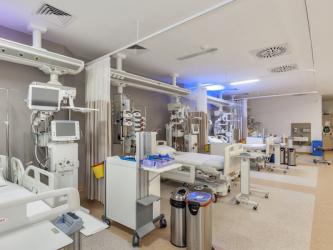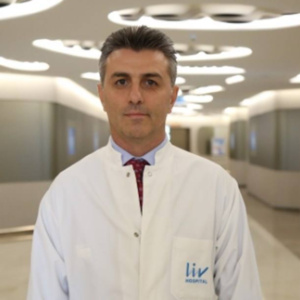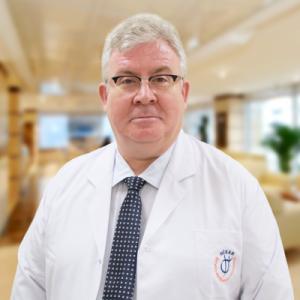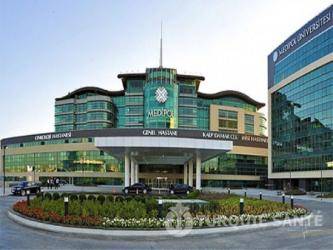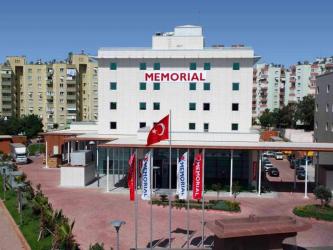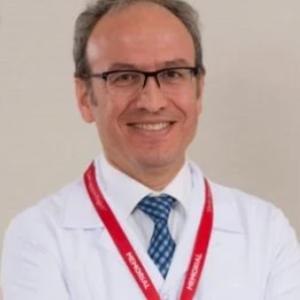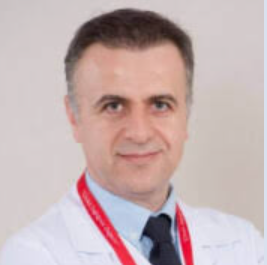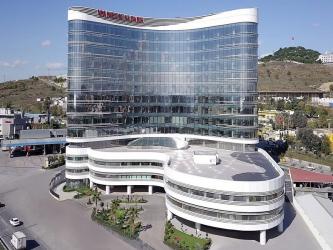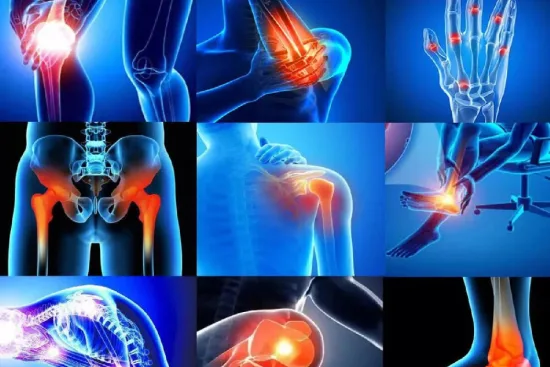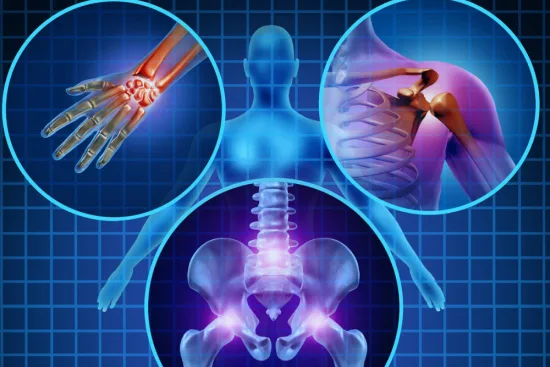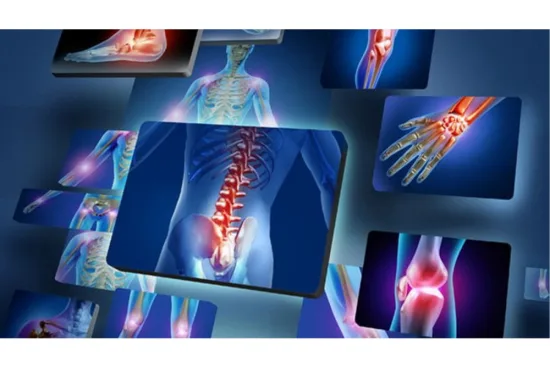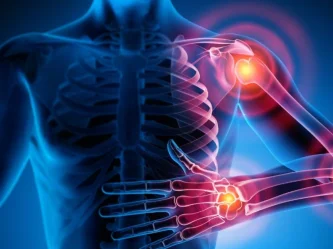


If you experience persistent joint pain, inflammation, or stiffness affecting your daily activities, a rheumatologist can provide targeted diagnosis and treatment. Rheumatology specialists address rheumatic conditions and diseases impacting bones, joints, muscles, and connective tissues through evidence-based care. The clinics partnered with Turquie Santé offer comprehensive evaluations and personalized treatment plans designed to reduce pain, improve mobility, and enhance your overall quality of life.



Why choose Rheumatology with Turquie Santé ?
Expert surgeons and internationally certified hospitals
Substantial savings compared with European prices

Medical stay organized from A to Z
Direct prices without commission
Free assistance
Verified reviews : 640
Highly qualified professionals in accredited institutions.
We assist you before, during, and after your trip
Book with full transparency, no hidden fees or commissions.

Verified testimonials from our patients
What is rheumatology?
Rheumatology focuses on diagnosing and treating diseases affecting your musculoskeletal system. Bones, joints, muscles, tendons, ligaments—the entire network that allows you to move and function.
The specialty spans a broad range. Simple back pain, complex inflammatory disorders, conditions that extend beyond joints into the nervous system. Each requires a careful diagnostic approach to understand what's actually happening in your body.
Why and when should one consult a rheumatologist in Turkey?
Joint pain that lingers? Stiffness, swelling, or discomfort that doesn't seem to improve? A rheumatologist specializes in exactly these problems.
When should you see a rheumatologist?
These specialists work with bone, joint, and muscle disorders. Consider scheduling an appointment if any of the following apply:
- Persistent joint pain develops, concentrated in one area or scattered across multiple joints. Whether it occurs during movement or even at rest, this can signal an underlying rheumatic condition.
- Arthritis symptoms appear: swelling, redness, warmth in a joint, often accompanied by morning stiffness.
- You notice reduced movement that interferes with everyday tasks and routines.
- Chronic back pain develops, particularly if accompanied by stiffness when you wake up.
- Joint blockages occur, creating significant functional limitations that need specialized care.
Why early consultation matters
Detecting rheumatic conditions early opens doors to more effective management. Treatment generally combines several approaches:
- Medication to control pain and reduce inflammation.
- Physiotherapy to restore movement and rebuild muscle strength.
- Surgery when appropriate, though usually reserved for more advanced stages.
Persistent pain shouldn't become your baseline. Turkish rheumatologists can deliver accurate diagnosis and build an individualized treatment plan suited to your needs, helping you regain quality of life.
What conditions does a rheumatologist treat?
Rheumatologists manage diverse conditions affecting joints and musculoskeletal tissues:
- Osteoarthritis occurs as cartilage gradually wears, creating stiffness and discomfort over time.
- Osteoporosis weakens bone structure, significantly raising fracture risk, particularly in older populations.
- Gout causes sudden, sharp joint pain when uric acid crystals accumulate in a joint.
- Rheumatoid arthritis is an autoimmune disorder that creates persistent joint inflammation.
- Ankylosing spondylitis primarily targets the spine, leading to progressive inflammation and rigidity.
- Fibromyalgia involves widespread muscle pain and fatigue that fluctuates day to day.
- Connective tissue diseases such as lupus or scleroderma affect multiple organ systems.
Diagnosis of rheumatic diseases in Turkey
Getting the diagnosis right determines everything about your treatment path. Turkish rheumatologists use multiple diagnostic tools to identify your exact condition.
Medical imaging examinations
Imaging provides crucial visual information about bone and soft tissue damage.
Typical approaches include:
- X-rays visualize bone structure and reveal abnormalities.
- Ultrasound gives detailed soft tissue views and can guide injection placement.
- MRI captures detailed images of cartilage and the structures surrounding it.
- CT scans show cross-sectional views for complex joint analysis.
- Bone scintigraphy detects early bone changes before standard X-rays reveal them.
Which imaging study gets ordered depends on your suspected diagnosis. Imaging also tracks how your disease progresses, guiding treatment adjustments.
Biological tests
Blood tests identify inflammation markers, immune abnormalities, and metabolic factors connected to specific rheumatic conditions.
Joint punctures
Joint punctures remove fluid for microscopic review. The sample shows crystals, bacteria, or inflammatory patterns that clarify your diagnosis.

Treatment options in rheumatology in Turkey
Rheumatologists create customized treatment strategies based on your specific condition, weighing effectiveness against safety concerns.
Medical treatments
Pharmaceutical approaches work along two different lines:
- Symptomatic treatment tackles pain and inflammation directly. Pain relievers, nonsteroidal anti-inflammatory drugs, muscle relaxants, and corticosteroid injections delivered in the clinic often bring quick localized relief.
- Disease-modifying therapy addresses the underlying disease itself. Biotherapy and medications like methotrexate slow disease progression rather than simply masking symptoms.
Multidisciplinary management
Effective treatment rarely relies on one approach alone. Surgery enters the picture only when conservative options fall short. Surgical options may include:
- Removing severely damaged tissue.
- Repairing damaged tendons.
- Arthrodesis to permanently stabilize a joint.
- Joint replacement using prostheses.
The role of physiotherapy
Rehabilitation complements medical therapy. A skilled physiotherapist helps by:
- Reducing pain and improving your overall symptoms.
- Restoring joint mobility and flexibility.
- Teaching movement patterns that minimize unnecessary strain.
- Preventing permanent joint damage and deformities.
Your therapy program is built specifically for you. It incorporates physical therapy alongside massage, targeted stretching and strengthening work. Patient education teaches you practical strategies for managing your condition in daily life, with guidance suited to your actual abilities.
Prevention of rheumatic diseases
Rheumatic conditions can severely restrict your daily life. Yet many prevention strategies sit within your control. A healthy lifestyle substantially reduces your risk of developing these diseases or slowing their progression.
- An anti-inflammatory diet protects your joints. Focus on antioxidant-rich and omega-3 foods: fresh fruits, colorful vegetables, fatty fish, nuts, seeds. Cut back on red meat, processed items, and added sugars—they fuel inflammation. Weight management matters equally, since excess weight puts real stress on your joints.
- Physical activity stands as your strongest defense. Low-impact options like swimming, walking, cycling, or Tai Chi strengthen muscles, improve joint function, and keep pain manageable. Pick activities you actually enjoy and adjust intensity to your comfort level.


- Stress management plays a bigger role than many assume. Chronic stress worsens rheumatic symptoms considerably. Meditation, yoga, and controlled breathing deliver real relief and help you cope with discomfort.
- Protect yourself from cold and damp environments. Cold weather typically intensifies joint pain, so layer up appropriately, especially during winter.
- Stop smoking if you haven't already. Smoking accelerates inflammation and cartilage damage. Quitting offers one of the best health investments for your joints.
Genetics and environment influence rheumatic disease risk, but your lifestyle choices remain the most powerful prevention tool available.

Treat rheumatological diseases with Turquie Santé
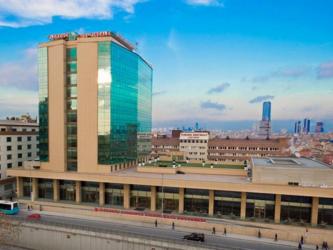
Turkey brings world-class rheumatology expertise. Whether you work with a private practice or hospital setting, you access internationally trained specialists equipped with advanced capabilities.
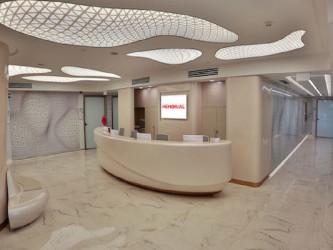
Clinics partnered with Turquie Santé feature cutting-edge diagnostic and treatment technology. A collaborative team—rheumatologists, orthopedic surgeons, pain management specialists, physiotherapists—works together to ensure comprehensive, individualized care matched to your specific condition.
How it works ?


Get a free medical opinion on Rheumatology with our 22 Recognized Clinics


You have consulted 7 / 10 Hospitals
Related medical articles
Everything you will need for your medical trip
Expert opinions and cost estimates
Understand your procedure before traveling.
We assist our patients in obtaining their visas from the consulates.
We guarantee free and certified translation of your medical documents from all languages.
Your transfers will be provided from the airport and your hotel.
You will be assisted by your attending doctor even after returning to your country, via videos or messages.
Experiences of our patients – Turquie Santé
This content complies with the editorial policy of Turquie Santé. It was written by Emily White, Head of the Editorial Team, who has over 11 years of experience in scientific research and clinic management in Turkey. She ensures the reliability of medical information while making complex data accessible to everyone.