




Summary
- Understanding Vaginal Loosening: Definition & Impact
- Primary Causes: Childbirth, Aging & More
- Conservative Approaches: First-Line Interventions
- Laser Therapy: Non-Invasive Tissue Tightening
- Radiofrequency & Ultrasound Treatments
- Vaginoplasty: Surgical Correction
- Labiaplasty & Perineoplatsy: Complementary Procedures
- Dermal Fillers & Injectables
- Choosing the Right Treatment: Consultation & Assessment
- Recovery & Expectations Post-Treatment
- Psychological & Relationship Benefits
Understanding Vaginal Loosening: Definition & Impact
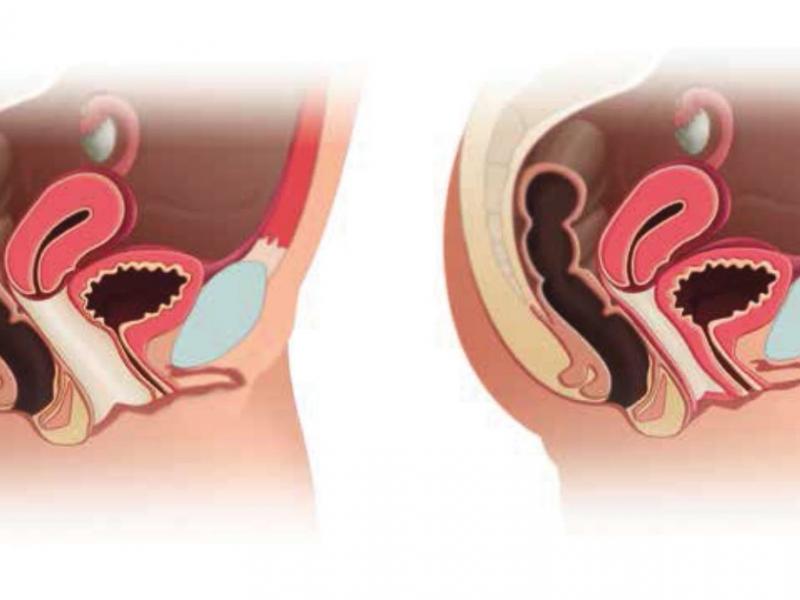
Vaginal loosening, medically termed vaginal laxity, describes a loss of elasticity and tone in the vaginal tissues. The condition is characterized by weakened muscles of the perineum, which normally support and surround the vaginal opening. As these muscles lose their strength, the vaginal diameter increases both internally and externally, while the vaginal walls thin. This physical change directly affects sensations during sexual intercourse.
Beyond the physical aspects, laxity often creates psychological impacts. Women frequently report decreased sexual desire, reduced satisfaction, and a noticeable shift in intimate relationships. The combination of diminished sensation and emotional effects can significantly affect self-confidence and overall quality of life.
Primary Causes: Childbirth, Aging & More
Vaginal delivery remains one of the most common causes of laxity. During childbirth, the vaginal skin stretches considerably to accommodate delivery, and while tissues typically recover, repeated pregnancies compound this stretching. The cumulative effect weakens muscle elasticity over time.
Menopause and natural aging diminish estrogen production, leading to vaginal wall thinning, reduced lubrication, and loss of elasticity. This hormonal shift decreases hydration of the vaginal mucosa, exacerbating laxity sensations. The vaginal tissues become less supple, affecting both tone and sensation during intercourse.
Multiple deliveries, particularly closely spaced pregnancies, accelerate perineal muscle weakening. Beyond childbirth, some research suggests that sustained or intense sexual activity can contribute to gradual stretching of vaginal tissues, though this remains less significant than delivery as a causative factor. Vulvar gaping and overall tissue enlargement progress with repetitive strain on this delicate area.
Certain medical conditions affecting collagen and elastic fiber production, hormonal imbalances unrelated to menopause, or connective tissue disorders may also predispose women to laxity, though these are less frequently encountered.
Conservative Approaches: First-Line Interventions
Not every woman requires surgical intervention. Pelvic floor physical therapy, often called perineal reeducation, strengthens the muscles surrounding the vagina through targeted exercises. A specialized physiotherapist teaches proper contraction techniques, typically performed over several weeks or months. Success rates vary: women with mild to moderate laxity often see meaningful improvement in tone and sensation.
Kegel exercises, when performed correctly and consistently, can restore some muscle tone. However, many women unknowingly perform these exercises incorrectly, limiting effectiveness. Professional guidance ensures proper muscle engagement. Results generally become noticeable after 6 to 12 weeks of regular practice.
Vaginal moisturizers and lubricants address dryness related to laxity, improving comfort during intercourse. While they do not restore tissue elasticity, they enhance sensation by reducing friction and discomfort. Hyaluronic acid-based products and water-soluble lubricants are commonly recommended.
Hormone replacement therapy (HRT) or localized estrogen treatments, applied as creams or suppositories, can thicken vaginal walls and improve elasticity in postmenopausal women. These approaches work gradually over 2 to 3 months and work best for laxity caused by hormonal decline. Women with certain medical histories may not be candidates for HRT.
Laser Therapy: Non-Invasive Tissue Tightening
Vaginal laser therapy uses focused light energy to stimulate collagen production and tissue remodeling. The procedure involves applying a fractional CO2 or erbium laser to vaginal tissues during an outpatient session lasting 15 to 30 minutes. The laser creates controlled microtrauma that triggers the body's natural healing response, resulting in tissue tightening and improved elasticity.
Most women tolerate the procedure well, though some experience mild discomfort managed with topical anesthesia. Recovery is quick. patients typically resume normal activities within a few days, though sexual activity is usually postponed for one to two weeks. Results develop gradually over 2 to 3 months as collagen remodeling occurs, with optimal results often appearing after 3 to 6 months.
Effectiveness varies. Clinical studies report satisfaction rates ranging from 60% to 85%, depending on baseline severity and individual tissue response. Some women achieve meaningful improvement in sensation and tightness, while others notice more modest gains. Multiple sessions spaced 4 to 6 weeks apart may be recommended for optimal results.
Potential side effects include temporary vaginal irritation, spotting, or minimal bleeding. More serious complications, such as tissue burns or vaginal stenosis, are rare when performed by experienced practitioners. Cost varies by clinic and location; clinics in Turkey often offer competitive pricing compared to Western countries.
Radiofrequency & Ultrasound Treatments
Radiofrequency (RF) therapy heats deeper vaginal tissues, promoting collagen contraction and neocollagenesis. Unlike laser, RF energy is less likely to cause surface irritation. Treatment sessions last 20 to 40 minutes, typically requiring 3 to 4 sessions spaced 2 to 4 weeks apart. Recovery involves minimal downtime, and results develop over weeks to months.
Microfocused ultrasound therapy similarly stimulates collagen remodeling through thermal energy. This approach is gentler on surface tissues while reaching deeper muscular layers. Sessions are relatively brief, and downtime is minimal. Some women report immediate mild tightening sensations, with progressive improvement over subsequent months.
Both RF and ultrasound offer alternatives for women concerned about laser side effects. However, evidence comparing these modalities directly to laser therapy remains limited. Individual response varies, and combination treatments sometimes yield better outcomes than single-modality approaches.
Vaginoplasty: Surgical Correction
Vaginoplasty is a surgical procedure designed to tighten and reshape vaginal tissues. The surgeon removes excess mucosa and underlying tissue, then sutures remaining tissues to restore vaginal caliber and tone. The procedure typically takes 45 minutes to 1.5 hours under general or regional anesthesia.
Recovery requires 2 to 3 weeks of limited activity, with complete healing occurring over 6 to 8 weeks. Sutures dissolve naturally or are removed by the surgeon. Sexual activity should be avoided for 4 to 6 weeks to allow proper tissue healing. Pain is generally mild to moderate and managed with prescribed analgesics.
Results are permanent or semi-permanent. The degree of tightening achieved depends on the extent of tissue removal and individual healing. Some women report sustained improvement in sensation and tightness for years. However, future pregnancies or continued aging can gradually reduce the cosmetic and functional benefits.
Surgical vaginoplasty carries inherent risks associated with any surgical procedure: infection, bleeding, asymmetry, or over-tightening leading to painful intercourse. Scarring is possible, though generally minimal with proper surgical technique. Complication rates vary by surgeon experience and technique; clinics partnered with Turquie Santé employ surgeons with extensive experience in vaginal procedures.
Labiaplasty & Perineoplatsy: Complementary Procedures
Some women with laxity also seek labiaplasty to reduce or reshape the labia minora or majora, addressing cosmetic and sometimes functional concerns. Perineoplatyplasty focuses specifically on tightening the perineal body (the tissue between the vagina and anus), often performed alongside vaginoplasty for optimal results.
Combined procedures address both internal vaginal laxity and external appearance. While labiaplasty is purely cosmetic, it may enhance satisfaction for women seeking comprehensive rejuvenation. Recovery for combined procedures is slightly longer, typically requiring 6 to 8 weeks for full healing.
Dermal Fillers & Injectables
Hyaluronic acid fillers can be injected into vaginal tissues to increase volume and improve tone. The procedure is minimally invasive, performed under topical anesthesia in an office setting within 15 to 20 minutes. Results appear immediately and continue improving over two weeks as the filler integrates.
Benefits include rapid recovery and reversibility (fillers gradually absorb over 6 to 12 months). However, results are temporary, requiring repeat injections to maintain effects. Some women report mild improvement in sensation, though fillers work primarily through volume restoration rather than functional muscle tightening.
Platelet-rich plasma (PRP) injections harness growth factors from the patient's own blood to stimulate tissue regeneration. Results develop over weeks and may be longer-lasting than traditional fillers, though still ultimately temporary. Cost is variable, and evidence supporting PRP efficacy remains emerging.
Choosing the Right Treatment: Consultation & Assessment
The ideal treatment depends on severity, patient preferences, timeline, and budget. Mild laxity often responds well to conservative measures or laser therapy. Moderate to severe cases may benefit from surgical approaches. Professional assessment is essential before choosing a path forward.
Questions to discuss with a specialist include expected results, timeline, potential complications, permanence of results, and cost. Realistic expectations are crucial. While treatments significantly improve sensation and confidence for many women, outcomes vary individually.
Women considering treatment through clinics partnered with Turquie Santé's network of gynecological specialists benefit from detailed consultations, often conducted via telehealth before travel. The platform helps coordinate care, accommodation, and follow-up, ensuring continuity throughout the treatment journey.
Recovery & Expectations Post-Treatment
Recovery timelines vary by procedure. Laser and radiofrequency therapies involve minimal downtime, allowing return to daily activities within days. Sexual activity can usually resume within 1 to 2 weeks. Surgical procedures require more substantial recovery, with 4 to 6 weeks before intercourse and 6 to 8 weeks for complete healing.
Initial results from non-surgical treatments appear gradually as collagen remodeling progresses. Patience is necessary; expecting full results within days leads to disappointment. Most women notice meaningful changes between 4 to 12 weeks post-treatment.
Follow-up care is important. Surgeons typically schedule post-operative visits at 1 to 2 weeks and 6 to 8 weeks to assess healing. Some non-surgical treatments require maintenance sessions annually or every 18 months to sustain results. Discussing long-term care expectations during initial consultation helps women plan appropriately.
Psychological & Relationship Benefits
Beyond physical restoration, successful treatment often improves intimate relationships and self-image. Women frequently report renewed confidence, increased sexual desire, and improved partner satisfaction. These psychological benefits can be as significant as physical sensations.
Open communication with partners about treatment expectations helps align perspectives and strengthens relationships. Many couples report improved intimacy following successful intervention, extending benefits beyond the physical realm into emotional connection and marital satisfaction.

"Medical journalist specializing in science communication, I put my expertise at the service of clear and accessible information. For Turquie Santé, I create content based on up-to-date medical data, in collaboration with specialists from partner clinics. My commitment is to provide reliable, transparent information that complies with international medical standards."
Need a personalized medical opinion?
Our partner doctors reply online within 24h, free of charge.