




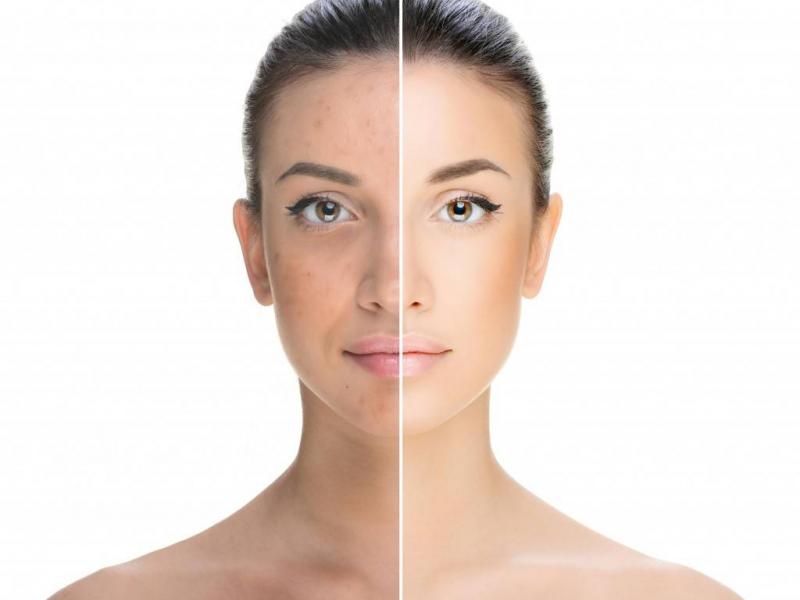



A clear, even complexion is one of the most common skincare goals, and one of the most frustrating to achieve when dark spots are in the way. Whether they appeared after years in the sun, following a breakout, or during pregnancy, hyperpigmentation affects millions of people worldwide and can be remarkably stubborn to treat.
The market is flooded with promises. Miracle creams, viral home remedies, expensive devices that claim to erase spots overnight. Most of them deliver partial results at best. What actually works is understanding the type of spot you are dealing with, choosing the right treatment for that specific cause, and being consistent.
This guide covers everything you need to know: why dark spots form, which medical and aesthetic treatments are most effective, what dermatologists in Turkey offer compared to other countries, and how to protect your results once you have achieved them. Whether you are exploring your options for the first time or looking to go further than what over-the-counter products can offer, you will find practical, evidence-based answers here.
Why Do Dark Spots Appear on the Face?
Dark spots do not appear overnight. They build up over time, and understanding what triggers them is the first step toward getting rid of them for good, not just treating what is visible today.
The most common cause is sun exposure. Ultraviolet radiation stimulates the overproduction of melanin, the pigment responsible for skin color. When melanin accumulates unevenly in certain areas, it creates the flat, brownish patches most people recognize as age spots or sunspots. Years of unprotected sun exposure, even in small daily doses, add up faster than most people realize.
Hormonal changes are another major trigger, particularly in women. Pregnancy, contraceptive pills, and hormonal treatments can all cause a condition called melasma, where patches of darker pigmentation appear on the cheeks, forehead, and upper lip. This type of hyperpigmentation tends to be more persistent and often requires targeted dermatological treatment rather than standard over-the-counter products.
Post-inflammatory hyperpigmentation is what happens after the skin has been through something: acne, a wound, an allergic reaction, or even an aggressive skincare product. Once the inflammation resolves, a dark mark is left behind. This is especially common in medium to darker skin tones, where the inflammatory response tends to produce more visible pigment changes.
Other contributing factors include genetics, certain medications that increase photosensitivity, liver dysfunction, and chronic exposure to alcohol and tobacco, both of which accelerate skin aging and uneven pigmentation over time.
Not every dark spot is harmless. Some changes in skin pigmentation can signal an underlying condition that needs medical attention. A spot that changes shape, grows quickly, has irregular borders, or appears in multiple colors should always be evaluated by a dermatologist. When in doubt, get it checked.
Once you have a clear picture of what is causing your spots, treatment becomes far more effective. Treating a sunspot and treating melasma are not the same thing. The right approach depends entirely on the right diagnosis.
How to Remove Dark Spots on the Face: Medical and Aesthetic Treatments
Here is something dermatologists will tell you straight: dark spots are among the easier skin concerns to treat. The harder part is choosing the right approach for your specific type of pigmentation. Use the wrong treatment on the wrong kind of spot and you will either see no results, or in some cases, make things worse. What follows is a breakdown of what genuinely works and why.
Chemical Peels and Glycolic Acid
A chemical peel is essentially controlled damage. An acid solution is applied to the skin, it breaks down the outermost layers, and those layers peel away over the following days. What comes through underneath is fresher, less pigmented skin that has not yet been through the same cumulative sun exposure and inflammation.
The depth of the peel determines what it can fix:
- Superficial peels use alpha-hydroxy acids like glycolic acid and lactic acid. They work at the very surface. Good for mild, diffuse pigmentation, dull tone, and early sun damage. Minimal downtime, usually just some flaking for a day or two. Safe for most skin types, including sensitive ones.
- Medium-depth peels use TCA (trichloroacetic acid). These go deeper and produce more noticeable results on stubborn spots, melasma, and post-acne marks that have settled into the skin. Expect several days of peeling and redness. Worth it for many people, but requires planning around your schedule.
- Deep peels use phenol-based solutions. Reserved for severe, deeply embedded pigmentation. These are not casual treatments. They require medical supervision, significant downtime, and careful post-procedure care. Not suitable for everyone.
One thing that catches people off guard: timing matters more than most expect. Chemical peels should not be done in summer, or in any period where you cannot reliably avoid sun exposure. Freshly peeled skin is far more photosensitive than normal skin, and even moderate sun exposure in the days following a peel can trigger new pigmentation, sometimes worse than what you started with. If you cannot commit to strict sun avoidance for at least two weeks after treatment, wait for a better time.
Laser Treatments and Pulsed Light (IPL)
Laser treatments are among the most effective options available for persistent dark spots that do not respond adequately to topical treatments. They work by delivering concentrated energy into the skin, targeting melanin deposits directly and breaking them down without affecting the surrounding tissue.
Several laser technologies are used for hyperpigmentation, each suited to different skin types and spot depths:
- Q-switched Nd:YAG laser: widely used for age spots, sunspots, and superficial pigmentation. Highly precise and safe for a broad range of skin tones.
- Fractional laser (CO2 or Erbium): treats both pigmentation and skin texture simultaneously, making it a strong option for patients dealing with post-acne marks alongside uneven tone.
- Intense Pulsed Light (IPL): technically not a laser but uses broad-spectrum light to target melanin and visible vascular irregularities. Best suited for lighter skin tones with diffuse sun damage rather than concentrated spots.
Results from laser treatments are typically visible within two to four weeks as the treated pigment rises to the surface and flakes off naturally. Multiple sessions are often required for optimal results, and sun protection after treatment is non-negotiable.
Depigmenting Creams and Topical Treatments
Creams and serums will not replace a laser session for deep, established pigmentation. But they are the foundation of any serious treatment plan, and without them, even the best in-clinic results will fade faster than they should.
The ingredients that actually have clinical evidence behind them:
- Hydroquinone: still the gold standard after decades of use. It blocks the enzyme that drives melanin production. You will find it at 2% in over-the-counter products and up to 4% or higher on prescription. It works, but long-term use needs dermatologist supervision.
- Retinol and retinoic acid: vitamin A derivatives that speed up cell turnover. Pigmented cells get pushed to the surface and shed faster, while newer, clearer skin comes through underneath. They also boost the effectiveness of everything else you use alongside them.
- Vitamin C: a morning staple for good reason. It interrupts melanin synthesis, brightens existing discoloration, and fights the daily oxidative stress from UV and pollution that contributes to new spots forming.
- Kojic acid: works through the same mechanism as hydroquinone but tends to sit better on sensitive skin. Derived naturally from fungi, it is a solid alternative for anyone who reacts to stronger agents.
- Azelaic acid: quietly effective and consistently underrated. Particularly good for melasma and post-inflammatory marks, and it handles active acne at the same time. Well tolerated by most skin types.
- Niacinamide: does not block melanin production but stops it from transferring into skin cells. The result is a gradual but real brightening effect, with zero irritation and a bonus of strengthening the skin barrier over time.
The hard truth about topicals is that they take time. Eight to twelve weeks of consistent daily use before you see meaningful change. Most people give up at week four. Those who stick with it are the ones who get results. And none of it works without SPF 50 every single morning. Every night of active ingredients is partly undone by one unprotected morning in daylight.
Microneedling for Hyperpigmentation
Microneedling creates hundreds of tiny controlled injuries in the skin. That sounds counterproductive, but the healing response it triggers is exactly the point. The skin ramps up collagen production, accelerates cell renewal, and becomes temporarily more permeable.
That last part matters most for pigmentation. When depigmenting serums are applied immediately after needling, they reach layers of skin that topical application alone never touches. The combination delivers results that neither approach achieves on its own.
It works particularly well for post-inflammatory hyperpigmentation and general uneven tone. And compared to some laser options, it carries a lower risk of triggering new pigmentation in medium to dark skin tones, which makes it a strong choice for patients who have been told they are not ideal laser candidates.
Mesotherapy for Skin Brightening
If topicals absorb unevenly and creams only reach the surface, mesotherapy takes a different approach entirely. Tiny injections deliver a customized mix of vitamins, antioxidants, and brightening agents directly into the skin, right where the pigmentation lives.
There is no absorption barrier. No guessing whether the active ingredient is actually reaching its target. It goes in directly.
Sessions are typically scheduled every two to four weeks, and results build with each one. Most patients start noticing a difference after the second or third session. It pairs well with laser or peel treatments as part of a longer brightening plan, and it is one of the more comfortable procedures available for this indication.
Dark Spot Removal in Turkey: What to Expect
Istanbul has quietly become one of the more serious dermatology destinations in the world. Not because of marketing, but because the infrastructure is genuinely there. Board-certified dermatologists, JCI-accredited clinics, the same laser devices used in Paris or London, and pricing that makes the same treatment accessible to people who would otherwise be priced out of it in their home country.
A laser session for hyperpigmentation that runs 300 to 500 euros in France or Germany is available in Istanbul for considerably less. The equipment is the same. The protocols are the same. The difference is cost of living and operating costs, not quality.
For patients coming specifically for skin treatment, packages cover the full journey: initial consultation, one or more treatment sessions, a personalized homecare plan to follow after returning home, and remote follow-up support. Nothing is left hanging. You do not arrive, get treated, and then figure the rest out alone.
A free online consultation is available before you commit to anything. Send your photos and concerns, and a specialist will review your case and let you know which treatments are actually appropriate for your skin type and the pigmentation you are dealing with.
How to Prevent Dark Spots from Coming Back
Getting rid of dark spots takes time and money. Keeping them away costs almost nothing, but it requires consistency. Most people who see their spots return make the same mistakes: they stop the SPF once the spots fade, or they go back to habits that triggered the pigmentation in the first place.
What actually prevents recurrence:
- SPF 50 every morning without exception. Not just beach days. Not just summer. Every day, year-round, even indoors near windows. UV radiation passes through glass and is present even on overcast days.
- Reapply every two hours when outdoors. One morning application does not last the day. If you are outside, reapplication is not optional.
- Cover up during peak hours. Between 10am and 4pm, physical protection from hats and clothing adds a layer that no sunscreen alone can fully replace.
- Stop picking. Every time you pick at a spot, a pimple, or a scab, you create inflammation. Inflammation leads to pigmentation. It is that direct.
- Keep a maintenance routine going. Vitamin C in the morning, niacinamide or a low-dose retinol in the evening. Not forever at full intensity, but consistently enough to keep melanin activity in check.
- Annual skin check with a dermatologist. Especially if you have had significant sun exposure over the years or a family history of skin changes. Catching things early makes everything easier.
FAQ: Dark Spots on the Face
What is the fastest way to remove dark spots on the face?
Laser and medium-depth chemical peels produce the fastest visible results, typically within two to four weeks of treatment. But fastest is not always best. The right choice depends on the type of pigmentation, how deep it sits, and your skin tone. Going in without a proper assessment first is how people end up with treatments that do not work or make things worse. Start with a consultation.
Can dark spots disappear on their own?
Some do. Superficial post-inflammatory marks from acne or minor irritation can fade over several months as the skin naturally renews itself. Sunspots and melasma are a different story. They do not resolve without active treatment, and without consistent sun protection they will not only stay but deepen.
Is laser treatment safe for dark skin tones?
It depends entirely on the device and the practitioner. Some laser technologies do carry a real risk of triggering new pigmentation in darker skin if used incorrectly. Others, particularly Q-switched Nd:YAG lasers, are well-established as safe and effective across all skin tones when used by someone who knows what they are doing. The key is choosing a practitioner with documented experience treating your specific skin type.
How many sessions are needed to remove dark spots with laser?
Most people need between two and six sessions, spaced four to six weeks apart. Shallow sunspots can respond quickly. Deep melasma takes longer and often requires ongoing maintenance rather than a fixed end point. Your dermatologist will give you a realistic timeline after seeing the pigmentation in person.
Can I treat dark spots at home?
For mild, superficial pigmentation, yes. A consistent routine with vitamin C, niacinamide, azelaic acid, or retinol, combined with daily SPF, can produce real improvement over time. For anything more established or stubborn, professional treatment will always be faster and more reliable. As for lemon juice and other DIY remedies that circulate online: they can irritate the skin barrier and trigger new inflammation, which leads to more pigmentation. Not worth the risk.
Is dark spot treatment available in Turkey?
Dermatology clinics in Turkey, particularly in Istanbul, offer the full range of hyperpigmentation treatments at prices that are significantly more accessible than in most Western European countries. Treatments are carried out by qualified specialists in accredited facilities, and complete packages covering consultation, treatment sessions, and post-treatment follow-up are available for international patients. A free medical evaluation can be requested online to get a personalized assessment before your visit.

"Medical journalist specializing in science communication, I put my expertise at the service of clear and accessible information. For Turquie Santé, I create content based on up-to-date medical data, in collaboration with specialists from partner clinics. My commitment is to provide reliable, transparent information that complies with international medical standards."
Need a personalized medical opinion?
Our partner doctors reply online within 24h, free of charge.