




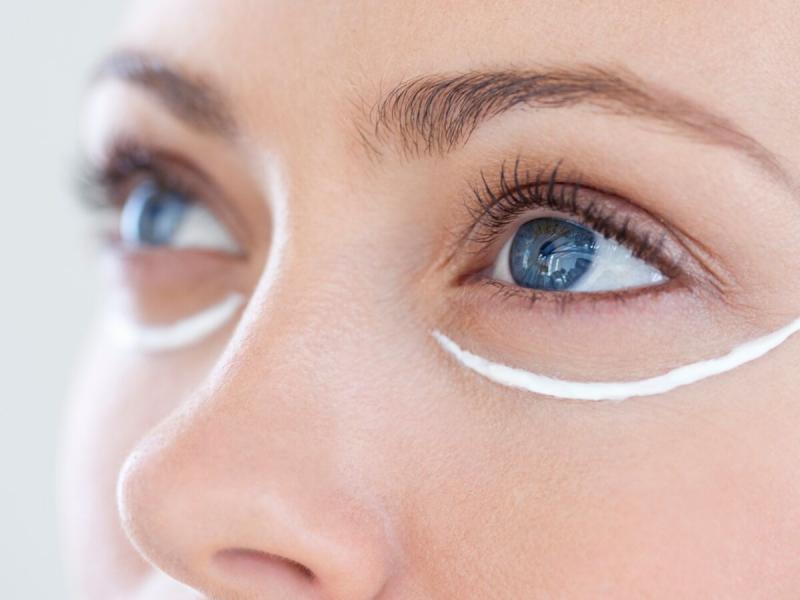


The eye contour, the skin directly surrounding the eyes, including the upper and lower eyelids, outer corners, and under-eye area, is the thinnest skin on the human face, measuring approximately 0.3 mm compared to 2 mm elsewhere. It is the first area to show visible signs of aging, and often the most neglected until those signs become difficult to ignore.
Most patients who come in for a first consultation on this area have been aware of the changes for months, sometimes years. They noticed the fine lines first, then the puffiness, then the persistent shadow under the eyes that no amount of sleep seemed to fix. What they often do not realise is that the process started well before any of this became visible, and that effective care, whether preventive or corrective, looks very different depending on what is actually causing the problem.
What is the eye contour and why does it age differently?
The periocular skin is structurally unlike the rest of the face. It contains fewer sebaceous glands, which limits its capacity to retain moisture. Its collagen and elastin density is significantly lower, making it less resilient to repeated mechanical stress. And it is in near-constant motion: blinking alone accounts for roughly 10,000 micro-contractions per day, before accounting for squinting, smiling, and rubbing.
Lymphatic and blood circulation in this area is slower than elsewhere on the face, which is why fluid accumulates here first. UV exposure compounds this by breaking down the already-thin collagen matrix faster than it can be replenished. The combination of structural fragility and continuous mechanical and environmental stress explains why this area shows aging earlier and more visibly than the forehead or cheeks.
What are the first signs to watch for?
The earliest changes in the periocular area follow a recognisable pattern, though not every patient experiences them in the same order or to the same degree:
- Crow's feet: dynamic expression lines at the outer corners of the eyes, initially visible only during smiling, then progressively present at rest
- Under-eye puffiness: caused by slowed lymphatic drainage and the gradual loosening of the orbital septum, which allows the underlying fat pads to move forward
- Dark circles: either vascular (a bluish-purple discolouration from poor microcirculation), pigmented (melanin accumulation, often with a genetic component), or structural (volume loss in the tear trough creating a shadow)
- Upper eyelid heaviness: as skin loses elasticity, the upper lid begins to look slightly weighted, an early sign that often goes unnoticed until photographs make it obvious
- Skin texture changes: dullness, mild crepiness, and a dehydrated appearance that eye creams alone struggle to correct
The cause behind each sign matters. Dark circles from poor circulation respond to very different treatments than dark circles from volume loss. Making that distinction early, ideally with a practitioner, prevents wasted time and money on approaches that address the wrong problem.
When should eye contour care start?
Earlier than most people expect. Collagen production begins declining from the mid-twenties, even when the skin still looks unaffected. From around age 25 to 28, a basic preventive routine for the eye contour is genuinely worthwhile, not because problems already exist, but because slowing a process in its early stages is significantly more effective than trying to reverse it later.
At this stage, the approach is primarily topical: a dedicated eye cream applied morning and evening with light tapping motions (never pulling or dragging the skin), consistent SPF use, and adequate daily hydration. These are not complex or expensive commitments, but their cumulative effect over time is meaningful.
Eye contour treatments: options and what each one addresses
When topical care is no longer sufficient, or when visible signs are already present, several evidence-based treatments are available. They are not interchangeable, each targets a specific concern, and they are often combined for patients with multiple overlapping issues.
Botulinum toxin (Botox) for crow's feet
Botox injections remain the most effective treatment for dynamic crow's feet, the lines formed by muscle contraction at the outer corners of the eyes. By temporarily relaxing the orbicularis oculi muscle, Botox softens these lines and, with consistent treatment over time, can prevent them from becoming permanently etched into the skin at rest. Results last 4 to 6 months. The procedure involves no downtime, and in experienced hands, the outcome is subtle and natural. It has no effect on puffiness, volume loss, or static lines.
Hyaluronic acid fillers for the tear trough
Dermal fillers are the primary treatment for structural dark circles, those caused by volume loss rather than circulation. As the tear trough deepens with age, it creates a shadow that reads as persistent tiredness, regardless of how much sleep the patient gets. A small, precisely placed amount of hyaluronic acid filler restores volume in this hollow, eliminates the shadow, and can dramatically reduce the appearance of under-eye fatigue. This is one of the technically demanding injection sites on the face, product selection and injector experience matter considerably here.
Microneedling for skin quality and fine lines
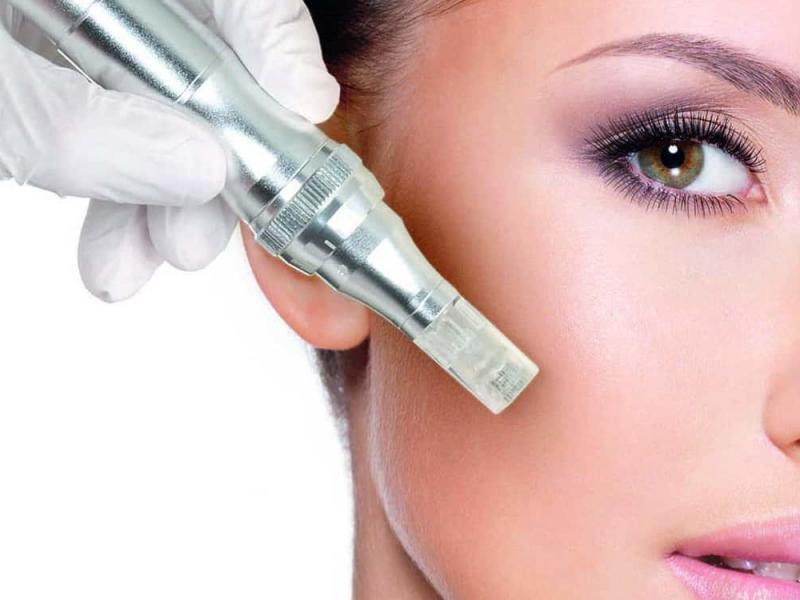
Microneedling works by creating controlled micro-injuries in the skin that stimulate the body's natural repair response, including new collagen and elastin production. Around the eye contour, it progressively improves skin texture, firmness, and hydration capacity. It works best on fine lines, mild crepiness, and early laxity, and typically requires a course of sessions, with results developing gradually over weeks following each treatment. It is not a dramatic intervention, but its cumulative effect on overall skin quality is reliable.
Chemical peels for texture and mild pigmentation
Superficial peels formulated specifically for the periocular area can address skin texture, reduce the appearance of fine lines, and help with mild pigmented dark circles. They stimulate cell renewal and can support and extend the results of other treatments. Because the eye contour skin is thinner and more reactive than the rest of the face, only peels specifically designed for this zone should be used here, and only by trained practitioners.
Blepharoplasty: the surgical option
When excess upper eyelid skin, persistent fat prolapse, or significant under-eye bags reach a point that injectable and topical treatments can no longer meaningfully address, blepharoplasty is the most effective solution available. Upper blepharoplasty removes redundant skin that causes eyelid heaviness, and in advanced cases, can impair the visual field. Lower blepharoplasty addresses fat herniation and skin laxity under the eyes. Both are surgical procedures performed under local or general anaesthesia, with a recovery period of approximately two weeks for the initial bruising and swelling to clear.
Eye contour treatments at a glance
| Concern | Recommended treatment | Results duration |
|---|---|---|
| Crow's feet (dynamic lines) | Botox | 4 to 6 months |
| Structural dark circles / tear trough | Hyaluronic acid filler | 9 to 18 months |
| Fine lines, texture, skin quality | Microneedling, wrinkle treatment | Progressive, lasting |
| Excess eyelid skin / under-eye bags | Blepharoplasty | Several years |
| Vascular dark circles / pigmentation | Chemical peel, topical depigmenting agents | Variable |
Frequently asked questions
What is the eye contour exactly?
The eye contour refers to the entire skin area surrounding the eye: the upper and lower eyelids, the outer corners, and the under-eye zone extending to the top of the cheekbone. It is defined as a distinct skincare and treatment zone because its skin is structurally different from the rest of the face, thinner, more fragile, and more prone to early aging.
At what age should I start using an eye contour cream?
From around 25 years old is a reasonable starting point, even if no visible signs are present yet. Starting a preventive routine early, with a dedicated eye cream, gentle technique, and daily SPF, is meaningfully more effective than starting once the first lines have already appeared. The investment at this stage is small; the return over time is significant.
Can I use my regular face cream around my eyes?
Generally not advisable. Standard face creams often contain active ingredients at concentrations that are too high for the periocular skin, and some can cause irritation or milia, small white cysts, in this area. Eye contour formulations are specifically developed for thinner, more sensitive skin and are worth using as a separate step.
What is the difference between vascular and structural dark circles?
Vascular dark circles have a bluish or purplish tint and are caused by slow microcirculation and thin skin that makes the underlying blood vessels visible. Structural dark circles result from volume loss in the tear trough, which creates a shadow rather than a discolouration. The distinction matters because the treatments are different: vascular dark circles may respond to topical ingredients, certain laser treatments, or improved sleep and circulation; structural dark circles require hyaluronic acid filler to restore the lost volume. Many patients have a combination of both.
Is Botox around the eyes safe?
When performed by a qualified practitioner at appropriate doses, Botox in the crow's feet area has a well-established safety profile, it is one of the most frequently performed aesthetic procedures globally. Side effects such as temporary bruising, mild asymmetry, or a briefly over-relaxed expression are generally minor and resolve without intervention. The most important safety factor is choosing a certified clinic and an experienced injector.
What does eye contour treatment cost in Turkey?
Istanbul in particular has become a significant destination for aesthetic medicine, offering considerably lower prices than Western Europe for equivalent clinical standards. As general reference points: Botox for crow's feet typically ranges from $150 to $400; hyaluronic acid fillers for the tear trough from $230 to $590; and blepharoplasty from $2,350 to $4,480 depending on whether upper, lower, or both eyelids are treated. Prices include consultation, the procedure itself, and standard follow-up. Exact costs depend on the clinic, the practitioner's experience, and the individual treatment plan.
Can eye contour treatments be combined?
Yes, and they frequently are. A patient presenting with crow's feet, mild tear trough hollowing, and overall skin quality concerns might benefit from Botox for the dynamic lines, a filler for the tear trough, and a course of microneedling for texture and firmness, each targeting a different aspect of the same concern. Combining treatments is not about doing more; it is about matching the right tool to each specific problem.

"Medical journalist specializing in science communication, I put my expertise at the service of clear and accessible information. For Turquie Santé, I create content based on up-to-date medical data, in collaboration with specialists from partner clinics. My commitment is to provide reliable, transparent information that complies with international medical standards."
Need a personalized medical opinion?
Our partner doctors reply online within 24h, free of charge.