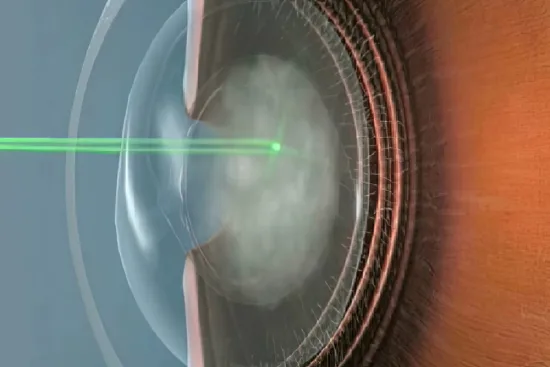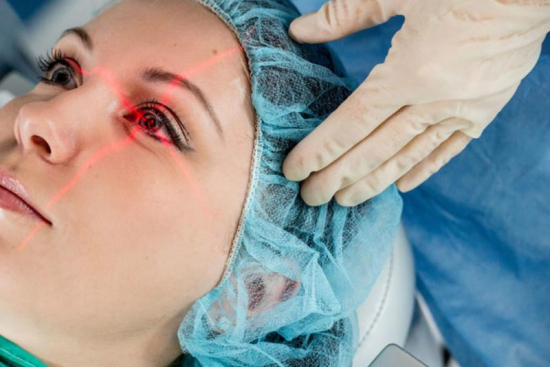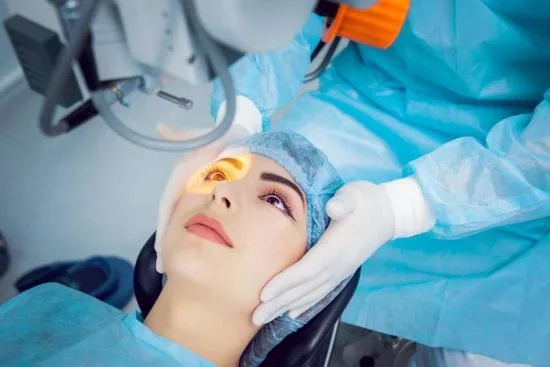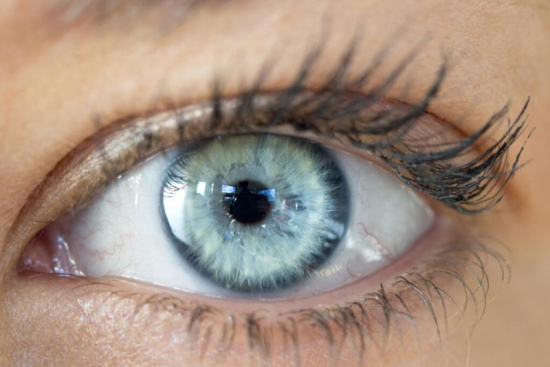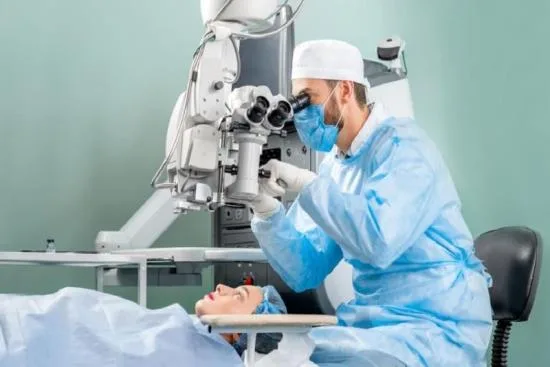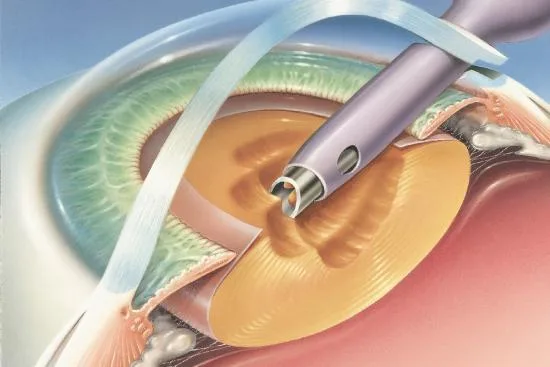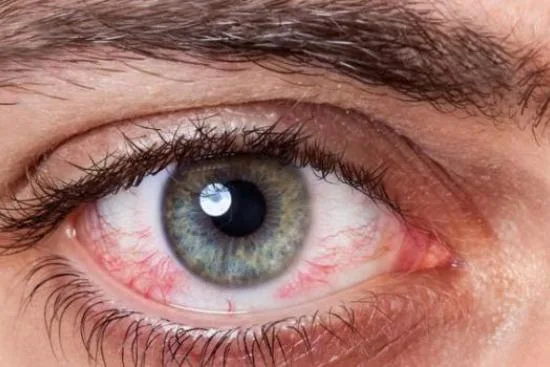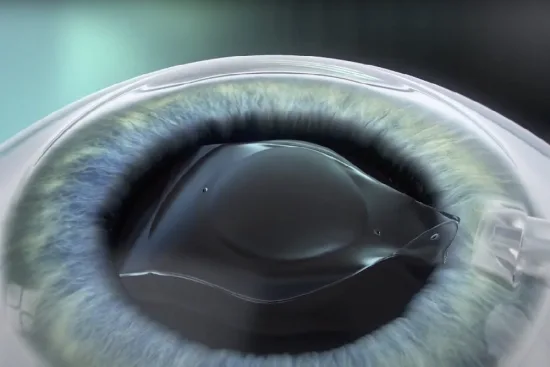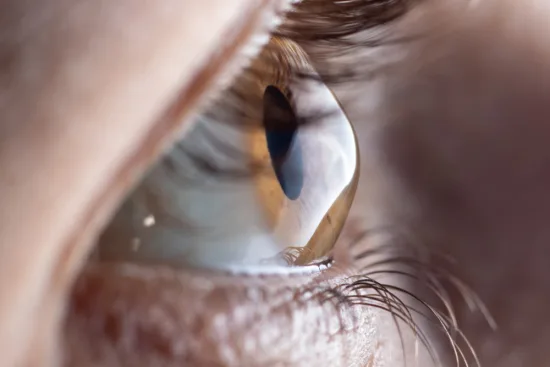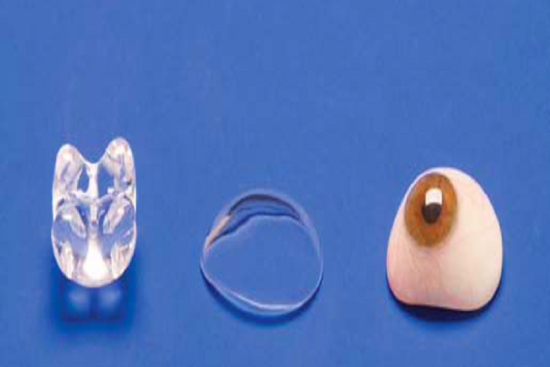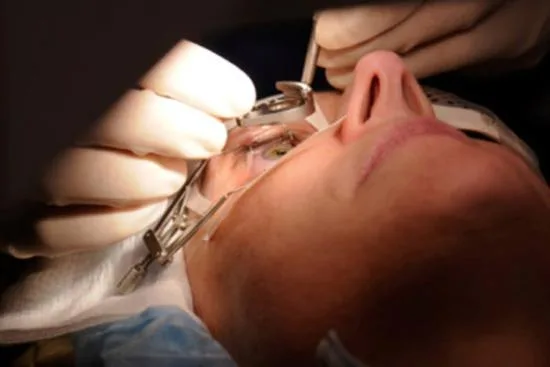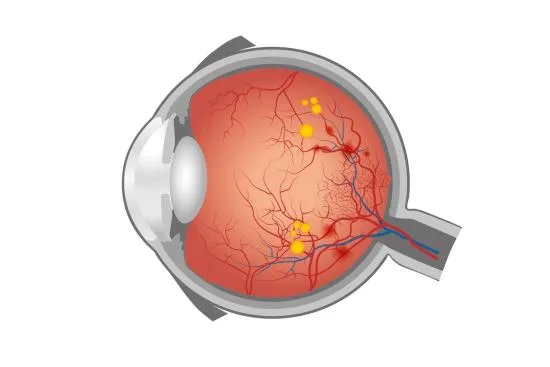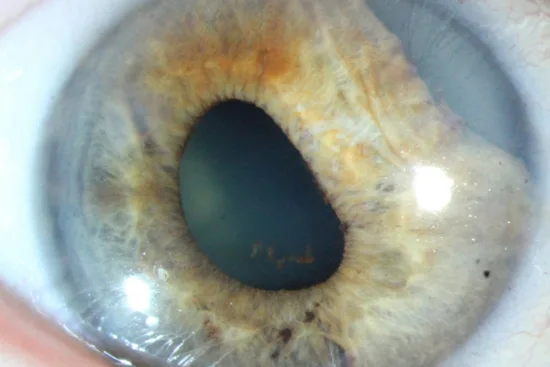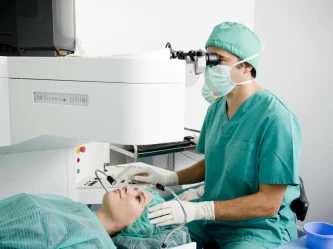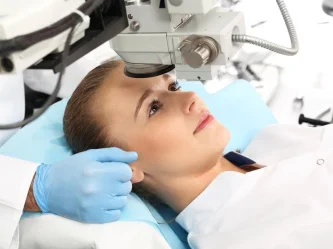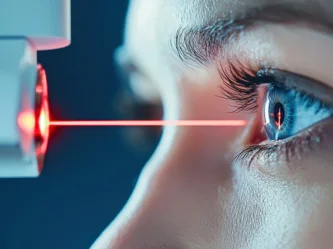



Ophthalmology in Turkey covers vision correction (LASIK, Femto-LASIK, Relex Smile, phakic ICL implants),cataract and lens surgery, and the treatment of glaucoma, corneal and retinal diseases. Care is delivered by ophthalmologists in hospitals, many of which hold JCI accreditation; accreditation and the surgeon's experience should still be checked clinic by clinic.
Indicative prices: LASIK or Femto-LASIK about $1,700 to $2,300 per eye, cataract surgery with a monofocal lens $1,700 to $2,500 per eye, cornea transplant $6,900 to $13,800. The full table is further down this page; the final quote is set after a specialist reviews your file.
Risks: any eye surgery can cause infection, bleeding, inflammation or a result that differs from the target and, rarely, permanent loss of vision. After laser correction, dry eye is the most frequent side effect; endophthalmitis and retinal detachment are rare but serious. Eligibility is confirmed only after a complete eye examination, and sudden vision loss, flashes of light or a curtain over the vision need emergency care, not a planned trip.
Turquie Santé helps you find a clinic and a specialist for your case, with indicative pricing and support at every step.
How much does eye treatment cost in Turkey?
Below are indicative prices, in US dollars (USD) with the euro equivalent, for the most requested procedures. They are estimates and not fixed prices. Your final quote will depend on your diagnosis, your treatment plan, the technique and the lens chosen, the clinic and the surgeon, whether one or both eyes are treated, and what the quote includes. Ask for an itemized quote that states whether pre- and post-operative consultations, medications, accommodation and transfers are included, and what applies if an enhancement or follow-up treatment is needed.
| Treatment | Indicative price (USD) |
| LASIK / Femto-LASIK | $1,700 to $2,300 per eye (about €1,500 to €2,000) |
| Relex Smile | $2,100 to $2,900 per eye (about €1,800 to €2,500) |
| Phakic ICL implant | $2,300 to $3,500 per eye (about €2,000 to €3,000) |
| Cataract surgery (monofocal lens) | $1,700 to $2,500 per eye (about €1,500 to €2,200) |
| Intraocular lens implant (multifocal) | From $3,700 per eye |
| Glaucoma treatment (laser to surgery) | $520 to $8,200 (about €450 to €7,100) |
| Strabismus treatment | From $5,000 |
| Retinal detachment treatment | From $5,200 |
| Cornea transplant | $6,900 to $13,800 (about €6,000 to €12,000) |
| Anti-VEGF injection (diabetic retinopathy) | From $350 per session (about €300) |
| Retinal laser | From $460 (about €400) |
| Vitrectomy | From $2,100 per eye (about €1,800) |
Turquie Santé sends you a detailed quote after a specialist reviews your medical file.
Risks and Side Effects
Risks depend on the procedure, your eye and your general health. The figures below come from published studies that differ in methods; they are indicative, not specific to a clinic or to Turkey, and your surgeon must discuss your individual risks with you. Any eye surgery can cause infection, bleeding, inflammation, a result that differs from the target (residual glasses, under- or over-correction) and, rarely, permanent loss of vision. Infection inside the eye, retinal detachment, glaucoma and graft failure can cause lasting vision loss if not treated promptly, so follow-up visits and urgent contact with your surgeon matter.
- Laser correction (LASIK, SMILE): dry eye is the most frequent effect (about 23% mild at 3 months, 1% to 5% moderate or severe in the PROWL studies; less with SMILE). Night glare and halos are usually temporary; an enhancement may be needed. In a review of 19 studies, 95.4% of patients were satisfied (Solomon et al., 2009). Laser does not prevent presbyopia.
- Phakic ICL: cataract (5.2% in one review),loss of corneal endothelial cells, raised eye pressure and lens malposition; the implant may need repositioning or removal.
- Cataract surgery and lens implants: clouding of the rear capsule in roughly 20% to 30% within two to five years (treated by YAG laser); posterior capsule rupture in about 0.6% to 1.5%; endophthalmitis from about 1 in 750 in older series to 1 in 3,000 to 5,000 in recent data; retinal detachment, macular swelling and a refractive surprise.
- Glaucoma: treatment slows progression but cannot reverse existing damage. Surgery can cause very low pressure, bleb leakage or infection, cataract and scarring.
- Cornea: graft rejection (18.4% of eyes in one tertiary center) and graft failure needing a new transplant; long-term corticosteroids and follow-up are required.
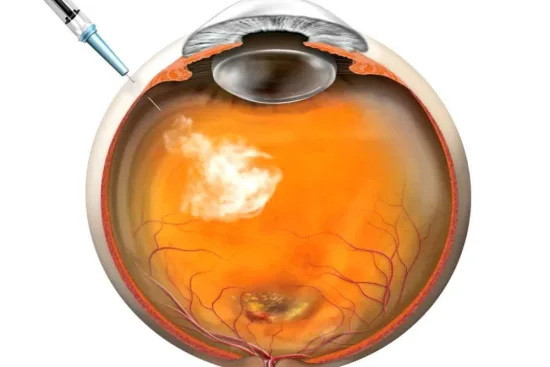
- Retina: re-detachment, cataract after vitrectomy, raised pressure; anti-VEGF injections can cause redness, floaters and, rarely, endophthalmitis, and are repeated over months or years.
Contraindications: untreated eye infection or inflammation, unstable vision, keratoconus or a cornea too thin for laser, severe dry eye, pregnancy and breastfeeding for elective refractive surgery, autoimmune disease, uncontrolled diabetes and unrealistic expectations. Seek urgent care for sudden vision loss, flashes of light or many new floaters, a curtain over the vision, or severe pain or redness after surgery.