





Summary
- What is a Hyaluronic Acid Skin Booster?
- Popular Hyaluronic Acid Skin Booster brands compared
- Expected results: Timeline & realistic outcomes
- Before & After: What actually changes
- Complementary treatments
- What to expect during and after treatment
- Potential side effects & who should be cautious
- Hyaluronic Acid Skin Booster prices in Turkey
- Why professional guidance matters
Healthy, radiant skin takes care, but sometimes it needs an extra boost. Hyaluronic acid (HA) skin boosters are injectable treatments designed to improve hydration, elasticity, texture, and radiance from within.
Unlike dermal fillers, which add volume, skin boosters focus on improving skin quality rather than changing facial contours. They are increasingly used in aesthetic medicine, including in Turkey, where these treatments are often offered at lower prices than in Western Europe.
This guide explains how HA skin boosters work, what results to expect, the main treatment options, and how much they cost in Turkey.
What is a Hyaluronic Acid Skin Booster?
Hyaluronic acid is a naturally occurring polysaccharide already present in human skin, where it binds water molecules, up to roughly 1,000 times its own weight, to keep tissue hydrated and supple. As we age, the skin's natural HA reserves decline, which is one of the reasons skin becomes thinner and more prone to fine lines over time.
A skin booster is a low-viscosity, injectable form of hyaluronic acid administered in a series of micro-injections into the mid-dermis. Rather than filling wrinkles or restoring lost volume, it replenishes the skin's own hyaluronic acid reserves to improve hydration, elasticity, and glow. This distinguishes it clearly from dermal fillers, which are injected deeper and are designed to replace lost volume rather than improve skin texture.
Popular Hyaluronic Acid Skin Booster brands compared
Not all hyaluronic acid skin boosters are alike. They differ by HA concentration, cross-linking technology, and added ingredients, all of which affect how long results last and what they can treat.
| Brand | HA Concentration | Key Feature | Typical Protocol |
| Profhilo | ~32 mg/ml (hybrid, thermally cross-linked) | Strong bio-remodeling effect; stimulates collagen and elastin alongside hydration | 2 sessions, 4 weeks apart |
| Restylane Skinboosters (Vital/Vital Light) | ~20 mg/ml, partially cross-linked | Recharges HA reserves for deep hydration and suppleness | 3 sessions, 4 weeks apart, then maintenance |
| Juvéderm Volite | ~13 mg/ml, cross-linked | Long-lasting hydration, often a single-session protocol, with effects reported to last up to nine months | 1 session |
| Teosyal Redensity I | ~15 mg/ml, non-cross-linked | Enriched with antioxidants, amino acids, minerals and vitamins for an added anti-oxidative effect | 3 sessions, 3-4 weeks apart |
| Belotero Revive | Variable, combined with glycerol | Locks in moisture while enhancing elasticity | 2-3 sessions |
A practitioner will typically select the brand and protocol based on the patient's skin condition, age, and treatment goals, which is why a proper in person or video consultation before booking a course of treatment matters more than the brand name itself.
Expected results: Timeline & realistic outcomes
Results appear gradually rather than overnight. Most patients notice an initial glow within five to seven days, mainly due to improved skin hydration. Improvements in fine lines and skin tone usually become more visible within two to three weeks. More persistent concerns, such as significant sagging or long standing hyperpigmentation, may take six to eight weeks and several treatment sessions to show meaningful improvement.
Clinical research supports this gradual effect. A 2025 prospective study of 81 patients who received three sessions of a hyaluronic acid based skin booster found significant improvements in overall appearance, skin hydration, and elasticity at follow up. A separate review of the dermatology literature also found consistent improvements in hydration, elasticity, and skin brightness following injectable hyaluronic acid treatments.
Results vary from person to person. Younger skin with mild dullness may respond more quickly, while deeper signs of aging may take longer to improve. Age, sun exposure, smoking, and overall skin health can all influence the results and how quickly they appear.
Before & After: What actually changes
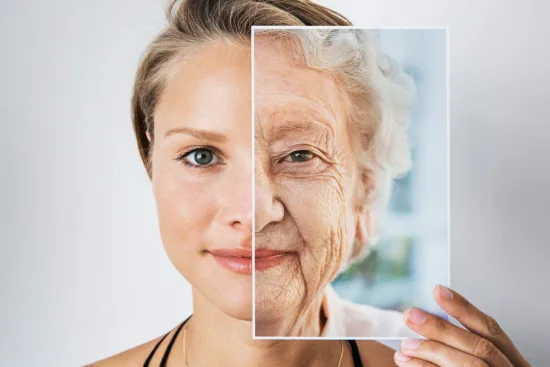
Before treatment, the skin may look dull, dehydrated, or tired, with more visible pores, fine lines, and uneven tone.
After a full course of treatment, patients may notice better hydration, smoother texture, and a more luminous appearance. Fine lines can become less visible, pores may appear tighter, and uneven pigmentation may gradually improve. Skin boosters improve skin quality, but they do not erase wrinkles or significantly lift sagging skin.
A representative patient case
This example is an illustration based on typical treatment pathways and is not a verified patient testimonial.
A 34 year old woman consulted a clinic in Istanbul for dull, dehydrated skin and early fine lines around the eyes associated with significant sun exposure. Three sessions of Restylane Skinboosters, spaced four weeks apart, were recommended.
After the second session, her skin appeared smoother and her complexion looked more refreshed. Following the third session, the fine lines appeared less noticeable and her skin tone looked more even. A maintenance session was then planned six months later.
This case illustrates the gradual effects of skin boosters. They primarily improve skin quality over a series of treatments, and results can vary from person to person.
Complementary treatments
Hyaluronic acid skin boosters are often combined with other procedures for enhanced results:
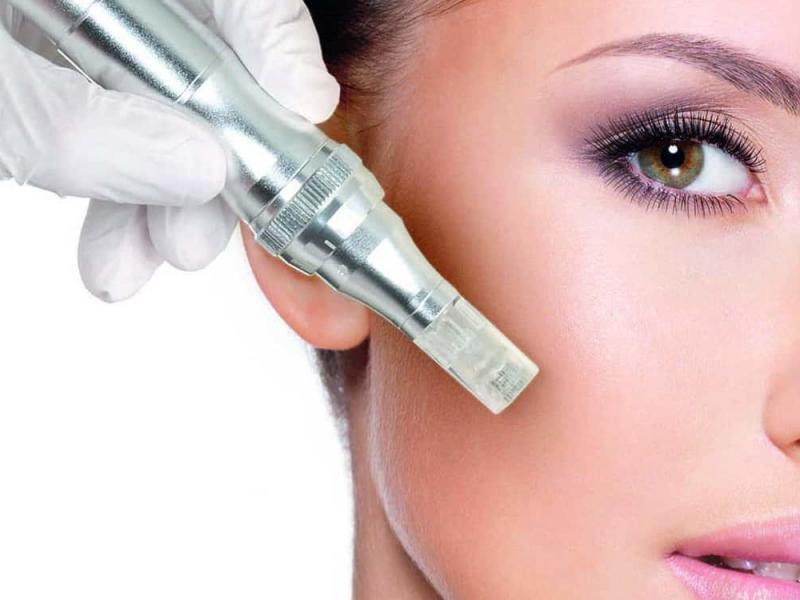
- Microneedling: The micro-punctures created by microneedling increase HA absorption, so many clinics schedule a skin booster session immediately after a microneedling treatment for a synergistic effect.
- CO2 laser resurfacing: Performed two to three weeks before a booster course, once the skin has fully healed, laser treatment stimulates collagen production that the booster then supports with intensive hydration.
- Dermal fillers: Fillers restore lost facial volume structurally, while boosters improve the quality and radiance of the skin covering that volume, many practitioners recommend combining both for comprehensive facial rejuvenation.
What to expect during and after treatment
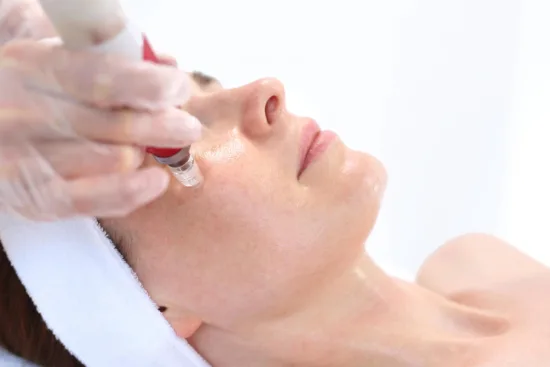
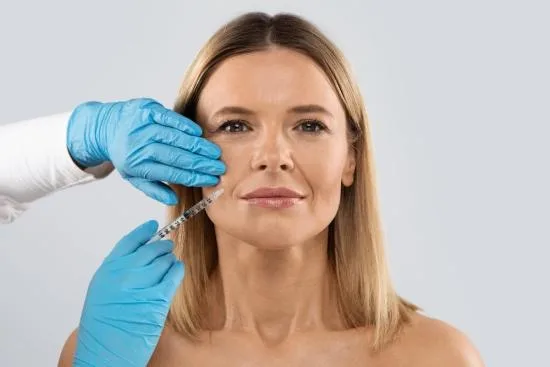
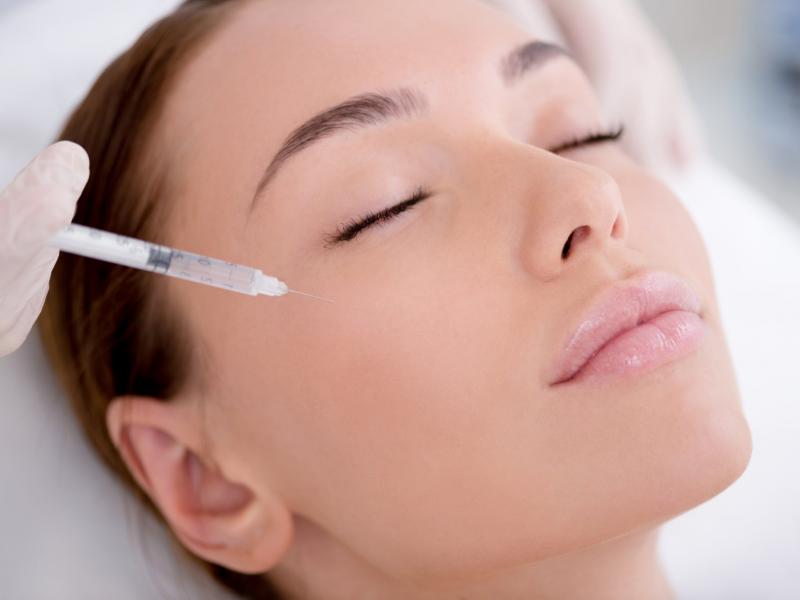
A typical hyaluronic acid skin booster session takes 20 to 40 minutes. A topical numbing cream is usually applied beforehand, and the practitioner administers a series of fine micro-injections across the treatment area (commonly the face, neck, décolletage, or hands).
Mild redness, small bumps at injection points, or slight bruising are common immediately afterward and typically resolve within 24 to 48 hours. Most patients return to normal activities the same day, which is one reason skin boosters are popular among patients combining treatment with a short trip abroad.
Potential side effects & who should be cautious
Hyaluronic acid skin boosters are considered a low-risk aesthetic procedure when performed by a qualified practitioner, but as with any injectable, some precautions apply.
- Common, self-limiting reactions: mild redness, swelling, or small bumps at injection sites, usually resolving within a few days.
- Rare risks: bruising, temporary lumps (more likely with partially cross-linked products), or, very rarely, infection at the injection site if hygiene protocols are not followed.
- Caution advised for patients with active skin infections, uncontrolled autoimmune conditions, or a known allergy to hyaluronic acid products.
- Pregnancy and breastfeeding: most practitioners advise postponing elective injectable treatments, as safety data specific to pregnancy is limited.
- Patients on blood thinners should inform their practitioner in advance, as this increases bruising risk.
A pre-treatment consultation, ideally including a review of medical history and current medications, is the best safeguard against complications, which is why reputable clinics never skip this step even for returning patients.
Hyaluronic Acid Skin Booster prices in Turkey
Price is one of the main reasons patients choose Turkey for hyaluronic acid skin boosters. A session typically costs $500 to $950, compared with around $700 in the UK and $1,000 or more in the US.
For Profhilo, prices vary depending on the clinic and protocol. In Europe, a session often starts at around $380, while prices in Turkey can be lower for comparable international brands.
The final price depends mainly on:
- The brand used, such as Profhilo, Restylane, Juvéderm Volite, or Teosyal
- The treatment area, such as the face, neck, décolletage, or hands
- The number of sessions required
- The amount of product used
Why professional guidance matters
Choosing the right hyaluronic acid skin booster depends on your skin type, concerns, and medical history. A dermatologist or qualified aesthetic physician can assess your skin and recommend the most suitable product and treatment plan.
With Turquie Santé, partner clinics offer a personalized consultation, often free of charge, to discuss your goals, the expected results, the number of sessions, and the cost.
The first step is simply to identify your main concern, such as dullness, fine lines, uneven skin tone, or loss of firmness. The specialist can then recommend the most appropriate treatment and explain what results you can realistically expect.
Note: this article discusses HA concentrations and brand comparisons for general educational purposes. Product formulations and availability may vary by country and clinic; always confirm current specifications with your treating practitioner.

"Medical journalist specializing in science communication, I put my expertise at the service of clear and accessible information. For Turquie Santé, I create content based on up-to-date medical data, in collaboration with specialists from partner clinics. My commitment is to provide reliable, transparent information that complies with international medical standards."
Need a personalized medical opinion?
Our partner doctors reply online within 24h, free of charge.