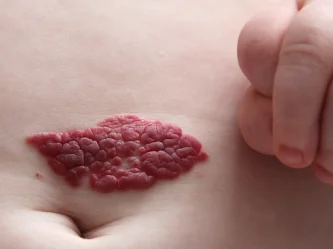



Dermatology in Turkey covers medical conditions (acne, psoriasis, eczema, vitiligo, rosacea, hair loss, skin cancer screening) and aesthetic treatments such as botulinum toxin, fillers and chemical peels. Indicative prices are $100 to 200 for an initial consultation and $200 to 300 for a full-body dermoscopy screening.
A new or changing mole, or a sore that has not healed after 4 to 6 weeks, deserves a dermatologist's check. Medical and aesthetic procedures each carry their own indications, risks and contraindications, to be discussed with your dermatologist before any treatment.
How much does dermatology treatment cost in Turkey?
Dermatology costs shift based on the procedure, how complex your condition is, and who treats you. Turkey typically costs less than Western Europe while staying close in medical quality at accredited clinics.
Below is a rough overview of the procedures most international patients request.
Dermatology treatment cost comparison
| Treatment / service | Turkey ($) | Western Europe ($) |
| Initial dermatology consultation | $100 - 200 | $200 - 500 |
| Full-body skin cancer screening (dermoscopy) | $200 - 300 | $500 - 900 |
| Psoriasis phototherapy (20 sessions) | $500 - 800 | $1,400 - 2,900 |
| PRP for hair loss (3 sessions) | $600 - 900 | $1,700 - 3,500 |
| Chemical peel (medium-depth TCA) | $200 - 300 | $500 - 1,000 |
| Botulinum toxin (per area) | $200 - 300 | $400 - 800 |
| Hyaluronic acid filler (1 ml) | $200 - 400 | $600 - 1,200 |
| Fractional CO₂ laser (full face) | $500 - 900 | $1,400 - 3,500 |
| Mohs micrographic surgery | $1,000 - 2,100 | $3,500 - 9,200 |
| Biologic therapy (e.g. dupilumab) | $700 - 1,400 | $1,700 - 3,500 |
The lower costs in Turkey stem from operational and infrastructure differences. Accredited clinics follow international protocols and treat international and local patients using the same standards, although quality and outcomes still vary by clinic and practitioner.
What you should know
Prices are indicative and vary by clinic, location, specialist experience, and case complexity. A concrete treatment plan is confirmed after your medical assessment.
Most international patients receive a personalised evaluation before starting treatment. This ensures the plan is clinically appropriate and costs are clear upfront.