





Summary
- Why do some injections, treatments, or cosmetic surgeries go wrong?
- What types of after-effects are possible?
- How should you react to a botched injection or aesthetic treatment?
- What can be done to correct the after-effects of botched aesthetic treatments?
- How can I avoid making mistakes in the future?
- Why choose Turquie Santé for corrective treatment?
Whether you were hoping to smooth out your skin, enhance your facial contours, or simply achieve a more refreshed look, ending up with a result that doesn't meet your expectations can be frustrating, even distressing.
Every year, many individuals face the emotional and aesthetic consequences of poorly performed or unsuitable aesthetic treatments. These outcomes can include visible asymmetries, a "frozen" expression, overfilled areas, and other side effects that alter your natural beauty rather than enhance it.
Fortunately, advanced corrective solutions now exist to safely reverse or improve these outcomes, helping you regain a more natural, harmonious appearance, and your confidence.
Why do some injections, treatments, or cosmetic surgeries go wrong?
Aesthetic medicine and cosmetic surgery have grown rapidly in popularity thanks to their accessibility, speed, and minimally invasive nature. They offer effective solutions to enhance appearance and self-confidence. But when performed improperly, these procedures can result in significant aesthetic and sometimes medical complications. Clinical literature confirms that while soft-tissue fillers carry an overall low complication rate, the range of possible adverse events runs from mild superficial irregularities to serious vascular events, which is why technique and provider qualifications matter as much as the product itself.
Several factors can explain an unsatisfactory or even failed result:
- Unqualified or unlicensed practitioners: When treatments are performed by individuals without proper training or legal certification, the risks of complications increase significantly, especially in surgical procedures where precision is crucial.
- Use of poor-quality, non-compliant, or banned products: Some injectables or devices may be counterfeit, expired, or stored improperly. Others may not be approved for medical use at all. These products can trigger serious reactions such as infections, granulomas, or long-term tissue damage.
- Technical errors during the procedure: These can include incorrect dosage, wrong injection depth, asymmetrical outcomes, or surgical techniques that are unsuitable for the patient's unique anatomy.
- Lack of anatomical knowledge: Especially on the face, which contains a dense network of nerves, muscles, and blood vessels, a poorly placed injection or incision can lead to complications like facial asymmetry, necrosis, or even partial paralysis. Intravascular injection is possible at virtually any point on the face, but certain zones, the glabella, the nose, the nasolabial folds, and the forehead, are recognized as particularly high-risk because of their vascular anatomy.
- Overlooked contraindications: Undisclosed allergies, underlying medical conditions, or active infections may interfere with healing and significantly increase the risk of adverse effects.
Often, these issues arise when people prioritize price over safety, or when they rush into a procedure without sufficient research or professional guidance. Unfortunately, what should be a simple aesthetic enhancement can turn into a long and complex corrective journey.
What types of after-effects are possible?
Complications resulting from injections, aesthetic treatments or surgical procedures depend on the type of procedure and the nature of the error. Some side effects are temporary, while others may be permanent and require corrective treatment. The most common are:
- Nodules or indurations under the skin, particularly after hyaluronic acid injections, due to poor technique or uneven distribution of the product.
- Visible asymmetries of the face, lips, nose or eyes, caused by overdosing, misplaced injections or surgical error.
- Frozen or inexpressive results, often linked to an excess of botulinum toxin and affect the natural mobility of the face.
- Persistent inflammation, redness, pain or edema, which may indicate a reaction to the product or a local infection.
- Pigmentation spots or skin burns, following chemical peels or laser treatments ill-suited to the skin type.
- Visible scars or skin irregularities, particularly after poorly planned or healed surgery.
- Vascular occlusion, a rarer but serious complication where filler is injected into or compresses a blood vessel, cutting off local blood supply. It ranks among the most severe filler-related events and, in the largest published safety analyses, is associated with a real, if small, risk of skin necrosis, stroke, or vision loss, which is why it always requires emergency management.
While some of these reactions may resolve over time, others require specialized treatment or surgery to correct or reduce the after-effects.
How should you react to a botched injection or aesthetic treatment?
It's important to know that certain reactions, such as swelling, bruising, and minor irregularities, may be temporary and subside on their own within a few days.
However, if the result remains abnormal after 10 to 15 days or if symptoms worsen, you should take a more rigorous approach:
- Do not attempt to self-correct by giving yourself a vigorous massage, using non-prescribed creams, or attempting aspiration, as these actions could worsen the situation.
- Don't see the original practitioner again if you have any doubts about their competence or qualifications.
- Make an appointment with a qualified aesthetic physician or surgeon who is experienced in managing aesthetic complications.
- Gather all relevant documents, such as before-and-after photographs, information on products used, and estimates and invoices, to facilitate diagnosis.
Specialist medical advice is essential to accurately identify the nature of the problem and define the best treatment strategy.
When it's a true emergency
Certain warning signs point to a vascular problem rather than an ordinary, self-limiting reaction, and call for immediate medical attention rather than a routine follow-up appointment:
- Pain that is disproportionate to the injection, or pain that appears or worsens after the appointment rather than fading.
- Skin that turns unusually pale (blanching), dusky, purplish, or develops a mottled, net-like pattern beyond the injection point.
- Skin that does not return to its normal color within about two seconds after light pressure is applied and released (a simple capillary-refill check).
- Any change in vision, however brief, during or after an injection.
- Blistering or a dark crust forming over the following 24 to 72 hours.
Because tissue damage from a blocked vessel accumulates with every additional hour of reduced blood flow, these signs justify contacting the treating practitioner immediately, or emergency services if vision is affected.
What can be done to correct the after-effects of botched aesthetic treatments?
Fortunately, modern techniques now make it possible to effectively address complications resulting from poorly performed injections or treatments. At Turquie Santé, our specialized practitioners carefully assess each case to propose personalized, safe solutions.
Correcting the after-effects of hyaluronic acid injections
Hyaluronic acid injections can sometimes cause nodules, overcorrection, asymmetry, or product migration. In these situations, hyaluronidase is the most common and effective solution. This enzyme works by breaking the chemical bonds that hold hyaluronic acid together, which makes the filler more permeable and lets the body reabsorb it. Its action starts within minutes of injection: low-density fillers, such as those used for fine lines or lips, can dissolve within about 24 hours, while denser, more cross-linked fillers used for cheek or chin augmentation may take several days and sometimes more than one session to fully clear, with most of the correction visible within 3 to 7 days. Not every filler can be corrected this way, however: products such as calcium hydroxylapatite (Radiesse), poly-L-lactic acid (Sculptra), and permanent fillers like PMMA are not hyaluronic-acid based and therefore do not respond to hyaluronidase, which is one more reason the choice of product at the time of the original treatment matters so much.
Rebalancing volumes and fixed features
When the result shows uneven volumes or a frozen appearance, there are several options that can be considered. One option is a new, well-dosed filler injection to correct imbalances. Lipofilling, which involves injecting autologous fat, offers a natural alternative. In certain cases, a minor surgical adjustment may be necessary.
Treatment of skin irregularities and spots
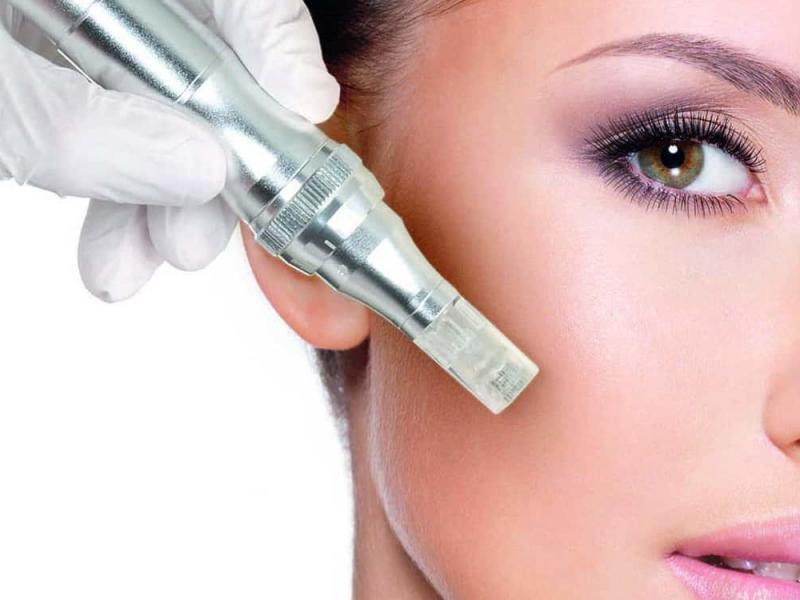
Pigment spots, scars, and other skin irregularities resulting from improperly dosed peels or lasers can be treated using specific methods. These methods include fractional CO2 laser treatment, deep chemical peels, and medical microneedling. These are all proven techniques that stimulate skin regeneration and improve skin texture.
Management of severe complications or deformities
In some cases, when significant deformities or severe complications occur, surgical intervention is necessary. Reconstructive or aesthetic corrective surgery targeting areas such as the eyelids, nose, or lips can restore harmony and functionality to the affected structures.
At Turquie Santé, we conduct a precise preoperative analysis for each case. This crucial step allows us to determine the exact nature of the after-effects and propose a personalized, safe treatment plan. Our goal is to provide expert support to help you achieve a satisfactory, long-lasting aesthetic result.
How can I avoid making mistakes in the future?
Even if you weren't responsible for a past mistake, it's important to be cautious about your next aesthetic treatment. Below are a few recommendations to ensure your safety and the quality of your results:
- Choose an experienced and recognized practitioner, preferably one recommended by a reliable and reputable platform.
- Thoroughly check the practitioner's qualifications, license to practice, and patient reviews to ensure their professionalism.
- Always ask about the traceability of the products used so that you know what they are and where they come from.
- Don't hesitate to ask any questions you have before a procedure, such as possible side effects, the duration of results, and touch-up or follow-up procedures.
- Beware of overly attractive promotional offers, especially on social media, as they may conceal risky practices.
- Ask which brand and type of filler will be used, and whether it is hyaluronic-acid based, this determines whether a future correction with hyaluronidase would even be possible if something goes wrong.
In short, the best ways to avoid complications are comprehensive information, careful comparison of options, and trust based on concrete evidence.
Why choose Turquie Santé for corrective treatment?
We're committed to providing expert support for all your aesthetic needs, from carrying out your projects to managing delicate situations. If you have received an unsatisfactory aesthetic treatment, we will do everything we can to help you:
- Obtain a reliable, transparent diagnosis from experienced specialists.
- Select a qualified surgeon or dermatologist with expertise in aesthetic corrections.
- Receive a personalized estimate with a treatment plan tailored to your needs.
- Benefit from comprehensive support throughout your treatment, before, during, and after your medical stay.
Our partner clinics in Turkey are JCI (Joint Commission International) certified, which is recognized worldwide as a guarantee of excellence and safety. JCI accreditation is granted only after a full on-site survey against a detailed set of international standards covering patient-centered care, infection control, medication safety, and facility management, and it must be renewed through a fresh evaluation every three years to remain valid, it is not a one-time label. More than 1,000 healthcare organizations across over 70 countries hold this Gold Seal of Approval worldwide, which situates our partner clinics among a comparatively select group of internationally vetted facilities. Our practitioners hold recognized diplomas and certifications in plastic surgery, notably from the Turkish Association of Plastic, Reconstructive, and Aesthetic Surgery (TCBPR), as well as advanced training in aesthetic dermatology and injection techniques, certified at the European and international levels.
These qualifications ensure compliance with the best medical and ethical practices for safe treatment and natural, harmonious, long-lasting results.

"Medical journalist specializing in science communication, I put my expertise at the service of clear and accessible information. For Turquie Santé, I create content based on up-to-date medical data, in collaboration with specialists from partner clinics. My commitment is to provide reliable, transparent information that complies with international medical standards."
Need a personalized medical opinion?
Our partner doctors reply online within 24h, free of charge.