






Understanding Cosmetic and Aesthetic Surgery
Physical appearance holds significant weight in modern society. The rise of social media and celebrity culture has made the idea of aesthetic enhancement more accessible and socially normalized than ever before. Many people seek cosmetic procedures to align their appearance with their self-image, whether that means refining facial features or reshaping their body.
Cosmetic surgery encompasses far more than vanity-driven procedures. While aesthetic enhancement is certainly one application, these surgical specialties serve multiple purposes. Beyond beautification, surgeons perform reconstructive operations to rebuild damaged or malformed body parts, address congenital conditions, or restore function following trauma or illness.
The distinction matters clinically. Reconstructive procedures, sometimes called anaplasties, may be medically necessary rather than elective. These evolved significantly following World War I, when military surgeons developed advanced techniques to treat the extensive injuries soldiers sustained. Modern plastic surgeons apply those same principles across civilian medicine today.
Primary Cosmetic Surgeries Performed in Turkish Clinics
Turkey has become a major destination for cosmetic surgery, attracting patients from Europe, the Middle East, and beyond. The clinics partnering with Turquie Santé offer comprehensive aesthetic services, combining experienced surgical teams with advanced facilities.
Rhinoplasty (Nose Reshaping)
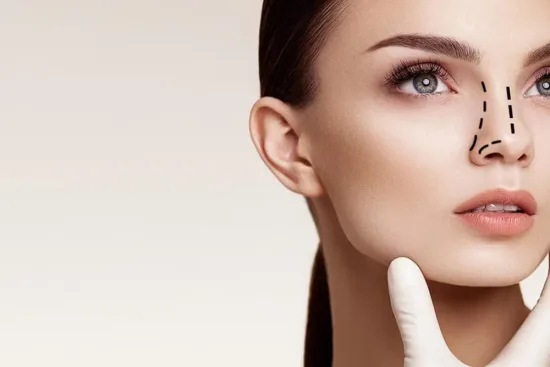
Rhinoplasty remains one of the most requested procedures worldwide. The surgery addresses both aesthetic concerns, dorsal humps, bulbous tips, asymmetry, and functional issues like breathing difficulties. Surgeons may use traditional open techniques or closed approaches, depending on the extent of reshaping required.
Recovery typically spans 1 to 2 weeks for visible swelling to diminish, though final results emerge over 6 to 12 months as tissue settles. Many patients report improved self-confidence alongside better nasal function. Variations exist: septorhinoplasty combines structural correction with aesthetic refinement when the nasal septum requires straightening.
breast augmentation and Contouring
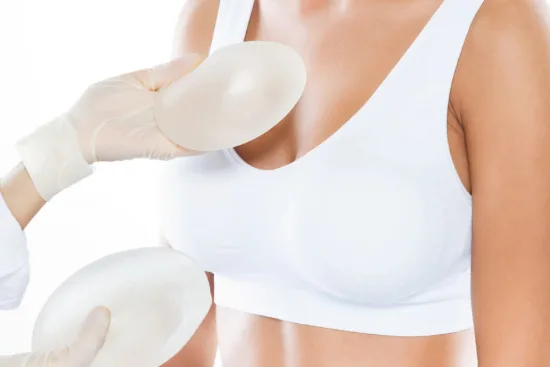
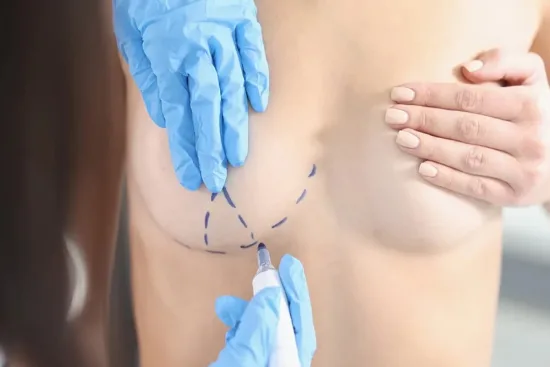
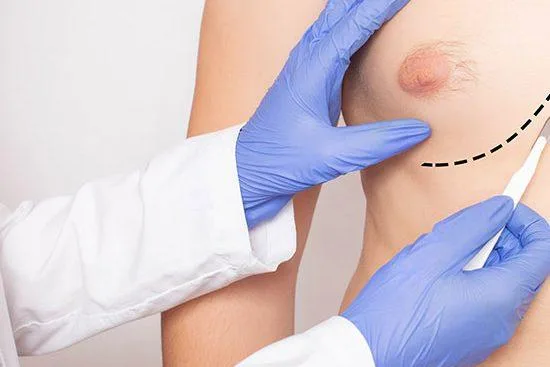
Breast enhancement procedures range from implant placement to fat transfer techniques. Silicone and saline implants remain popular, though preferences vary by geography and anatomy. Surgeons assess tissue quality, existing breast volume, and patient proportions to recommend appropriate implant size and placement, submuscular or subglandular positioning affects both appearance and recovery.
The procedure typically requires 1 to 2 hours under general anesthesia. Postoperative discomfort peaks during the first week, gradually subsiding over 4 to 6 weeks. Return to light activity varies; strenuous exercise usually resumes after 4 to 6 weeks. Implants require monitoring, and some patients opt for replacement or revision after 10 to 15 years.
Body lifting procedures complement breast work for patients seeking comprehensive rejuvenation, particularly after significant weight loss. Procedures like body lift surgery address loose skin and tissue laxity across multiple body zones simultaneously.
Facelift and Facial Rejuvenation
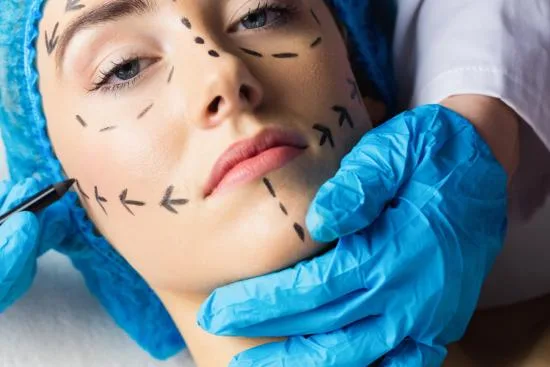
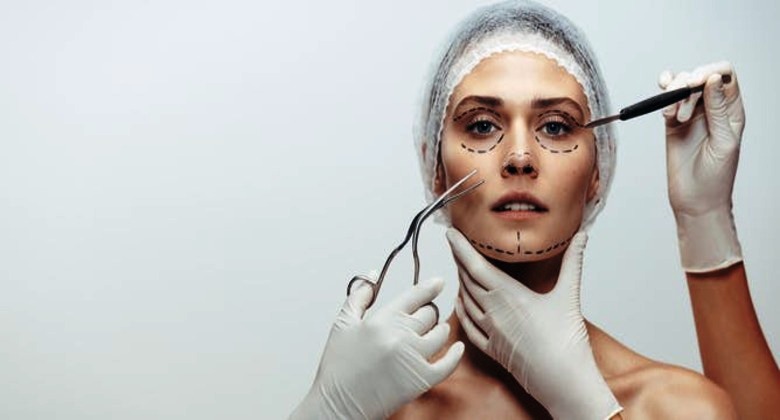
Facelifts address sagging skin, deep creases, and loss of facial definition that accompany aging. Varying techniques exist to match individual needs: traditional facelifts address the lower face and neck, while mid-facelifts target cheekbones and under-eye areas. Neck lifts specifically refine neck contours and jowls.
Recovery extends 2 to 3 weeks for most bruising and swelling to resolve, though complete healing continues for several months. Results typically last 7 to 10 years depending on skin elasticity, sun exposure, and individual aging patterns. Complementary procedures, eyelid surgery, chemical peels, laser treatments, often enhance overall facial harmony.
Liposuction and Body Contouring
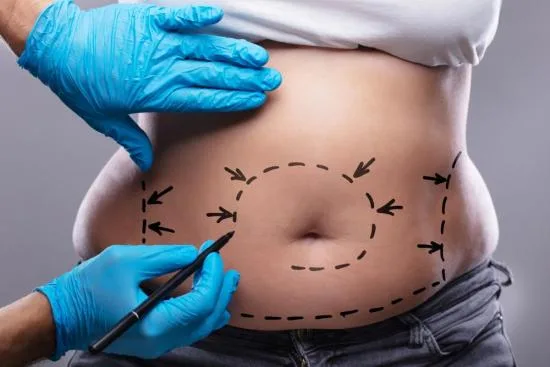
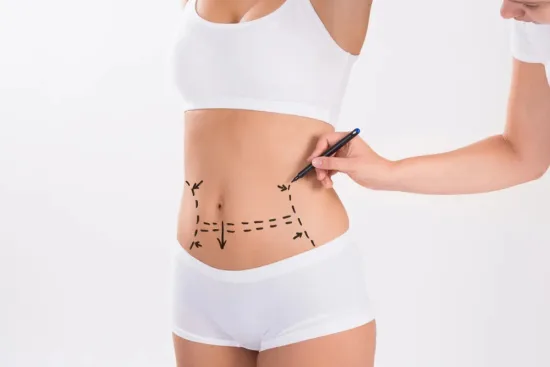
Liposuction removes stubborn fat deposits resistant to diet and exercise. Modern techniques like tumescent liposuction and ultrasound-assisted methods minimize trauma and fluid loss. Common treatment areas include the abdomen, flanks, thighs, and arms. Results appear gradually as swelling subsides over 3 to 6 months.
Liposuction works best on localized fat with good skin elasticity. Patients with significant skin laxity may benefit from concurrent body contouring procedures. Compression garments worn for 3 to 6 weeks help shape tissues and control swelling. Weight maintenance remains essential, remaining fat cells can enlarge with weight gain.
Chin and Jaw Enhancement
Chin augmentation uses implants or bone advancement to improve facial proportion and profile definition. Jaw surgery addresses structural misalignment, correcting both bite function and facial aesthetics. These procedures often complement rhinoplasty for comprehensive facial harmony.
Chin implant surgery typically requires 30 to 60 minutes, while corrective jaw surgery is more complex, sometimes requiring 2 to 4 hours. Recovery involves swelling and temporary numbness lasting weeks to months. Functional improvement, better chewing and speech, often accompanies aesthetic gains.
Eyelid Surgery and Ear Surgery
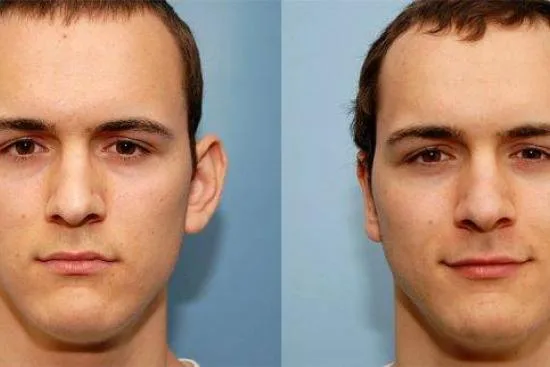
blepharoplasty removes excess upper eyelid skin or lower lid fat, creating a more alert, youthful appearance. Otoplasty reshapes protruding ears, commonly performed on children but available to adults seeking correction. Ear reconstruction addresses congenital absence or trauma-related deformity.
Why Turkey Leads in Cosmetic Surgery
Turkish clinics combine several advantages: experienced surgical teams trained internationally, modern facilities meeting European standards, and significantly lower procedure costs compared to Western Europe or North America. Many surgeons specialize extensively, performing hundreds of procedures annually, building genuine expertise.
The clinics partnering with Turquie Santé maintain rigorous safety protocols, use FDA-approved or CE-marked implants and materials, and follow ethical guidelines. Patient selection remains important, certain medical conditions, unrealistic expectations, or active infections may contraindicate elective procedures. A thorough preoperative consultation assesses candidacy, discusses complications, and aligns expectations with achievable outcomes.
Realistic Expectations and Considerations
Cosmetic surgery delivers genuine aesthetic improvement but doesn't create perfection or solve underlying emotional issues. Results vary based on anatomy, healing capacity, and surgical technique. Some procedures produce immediate visible change; others reveal final outcomes gradually over months.
Potential complications include infection, bleeding, asymmetry, and dissatisfaction with results. Revision surgery sometimes becomes necessary. Recovery demands patience, swelling obscures true results initially, and tissue remodeling continues for months. Activities restrictions apply temporarily: driving, heavy lifting, and exercise resume gradually.
The financial commitment extends beyond the initial procedure. Revision costs, revision surgeries, and long-term maintenance (implant replacement, skin care) should factor into planning. Turquie Santé can clarify pricing structures and connect you with clinics offering transparent cost breakdowns and revision policies.
Preparing for Your Consultation
Before pursuing any cosmetic procedure, schedule a detailed consultation with an experienced surgeon. Bring reference photos of desired results, realistic examples help surgeons understand your vision. Discuss your medical history, current medications, allergies, and previous surgeries. Ask directly about:
- The surgeon's specific experience with your desired procedure (number performed annually)
- Before-and-after photos from similar patients
- Potential complications and their frequency
- Recovery timeline and activity restrictions
- Warranty or revision policies if outcomes disappoint
- Anesthesia type and safety protocols
- Detailed cost breakdown including all fees
Turquie Santé guides you through selecting qualified clinics, coordinating travel logistics, and arranging follow-up care. Many patients travel for procedures during vacation periods, combining surgery with recovery time abroad.
Special Considerations and Alternatives
Not every aesthetic concern requires surgery. Non-surgical options continue expanding: dermal fillers address volume loss, microneedling stimulates collagen production, and laser treatments refine skin texture. These require no anesthesia, involve minimal downtime, and cost substantially less than surgery. Results are temporary, typically lasting 3 to 12 months, but they allow gradual refinement without permanent commitment.
Some patients prefer phased approaches: beginning with minimally invasive procedures, then pursuing surgery if desired. This strategy permits self-discovery, limits financial risk, and reduces recovery disruption.
Recovery and Follow-Up Care
Postoperative instructions directly impact results. Compression garments, elevation, ice therapy, and activity modification during early healing all influence swelling resolution and scar quality. Most surgeons recommend 1 to 2 weeks off work for procedures involving visible incisions or significant swelling. Full recovery, resolution of all swelling and final aesthetic appearance, typically requires 3 to 6 months depending on procedure type.
Follow-up appointments monitor healing, assess aesthetic outcomes, and address any concerns. Some patients experience temporary numbness, asymmetry, or suboptimal results that resolve with time; others require revision. Open communication with your surgical team ensures optimal care throughout recovery.

"Professional medical writer, I provide information about medical procedures and treatments according to rigorous standards. Each content is based on reliable scientific references and a professional review process, to guide patients and help them make informed decisions with confidence."
Need a personalized medical opinion?
Our partner doctors reply online within 24h, free of charge.