



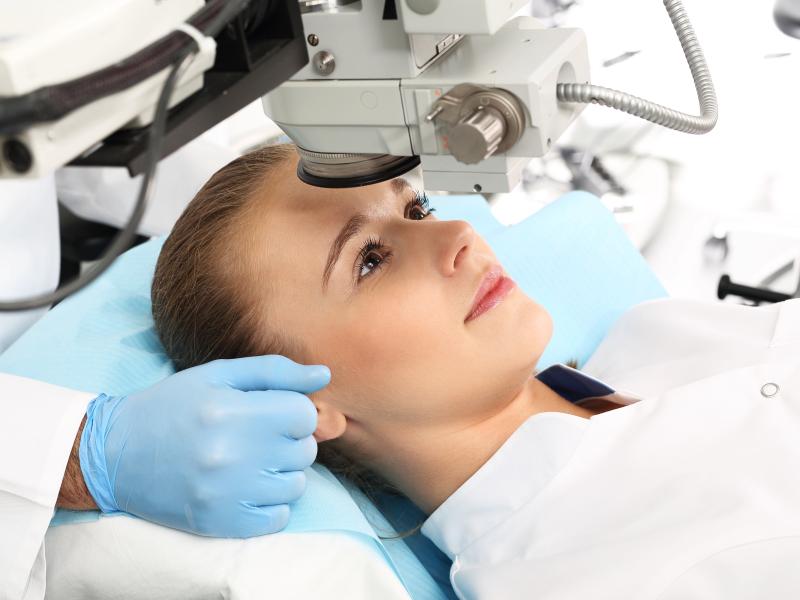

Imagine waking up and seeing clearly before reaching for your glasses or putting in your contact lenses. For many people with myopia, hyperopia or astigmatism, LASIK can make this possible by reshaping the cornea with a precise laser treatment. But deciding to have laser eye surgery is not just about getting rid of glasses. It means understanding whether you are a suitable candidate, what the procedure involves, how long recovery takes, what results you can realistically expect and what risks should be considered.
Turkey, particularly Istanbul, attracts many international patients seeking LASIK thanks to its specialized clinics and competitive prices. However, medical expertise, technology, safety and aftercare should remain key factors when choosing a clinic.
This guide covers the essential information you need before making a decision, including how LASIK works, who can have it, recovery, possible side effects, expected results, and the typical cost of LASIK surgery in Turkey.
What is LASIK?
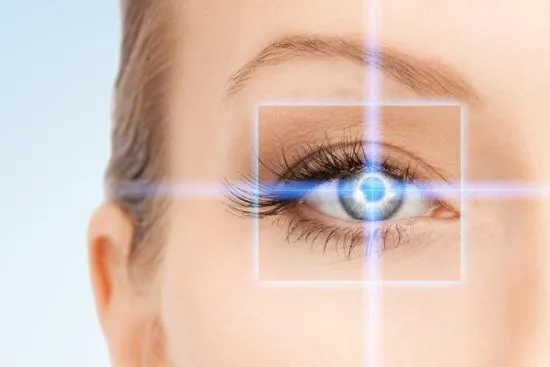
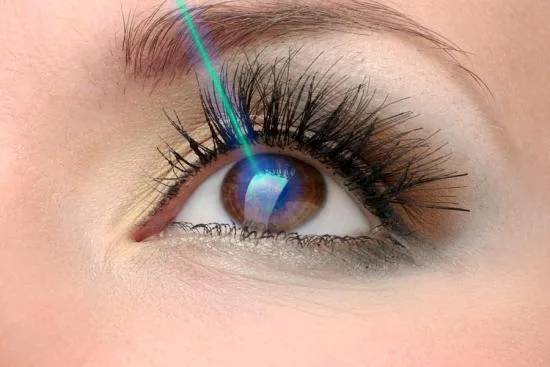
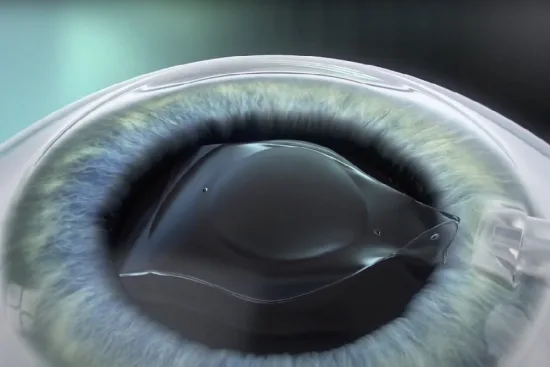
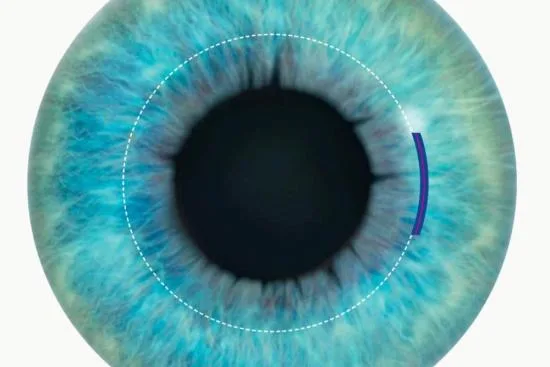
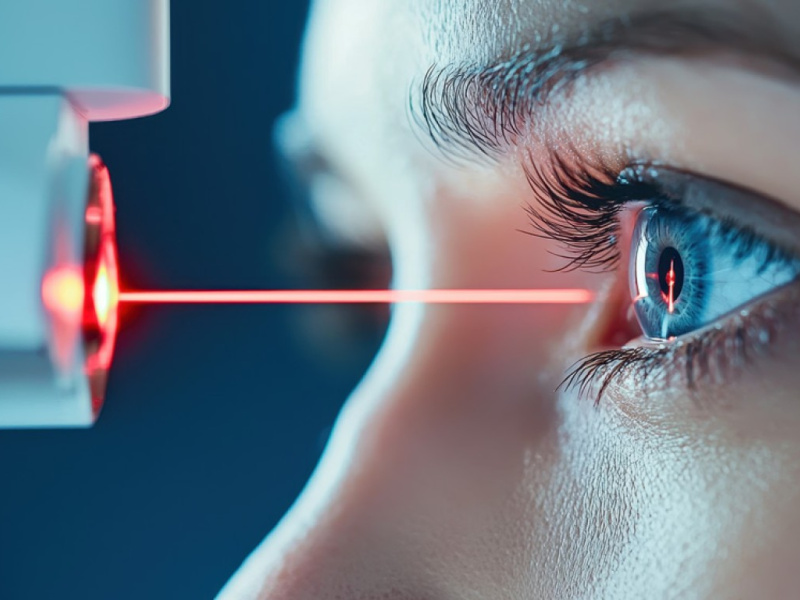
LASIK (Laser-Assisted In Situ Keratomileusis) uses a laser to permanently reshape the cornea so light focuses correctly onto the retina. The FDA describes LASIK as a procedure that permanently changes the shape of the cornea using an excimer laser, with a thin flap created and folded back to access the underlying tissue before being repositioned.
It corrects three refractive errors:
- Myopia (short-sightedness): the eye is too long, so light focuses in front of the retina.
- Hyperopia (long-sightedness): the eye is too short, so light focuses behind the retina.
- Astigmatism: an irregularly curved cornea scatters light across more than one focal point.
How the procedure works
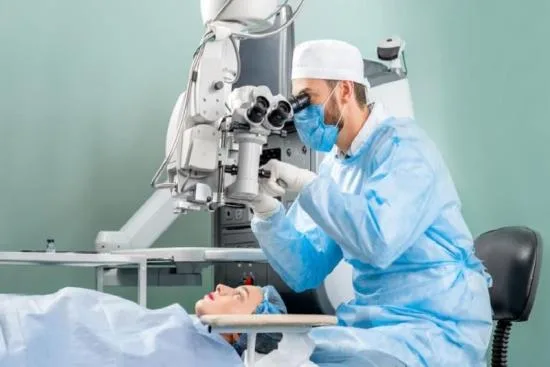
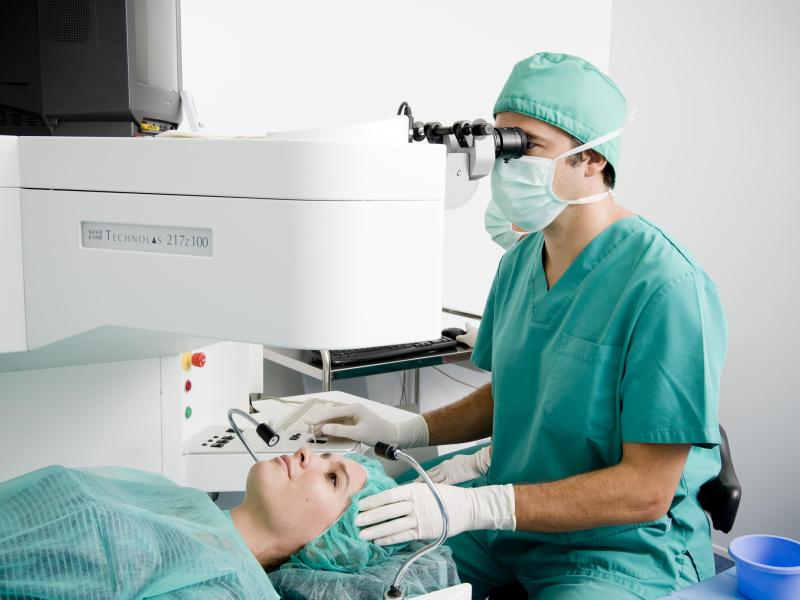
Laser eye surgery is typically performed as a day case under local anaesthetic eye drops, with no overnight hospital stay required. The NHS notes that laser eye surgery is used to correct eyesight problems such as astigmatism, short-sightedness, or long-sightedness, is usually done under local anaesthetic, and takes around 20 to 30 minutes.
The LASIK procedure follows three steps:
- Flap creation – a thin, hinged flap is cut into the outer cornea, either with a mechanical microkeratome or a femtosecond laser (Femto-LASIK, the bladeless approach).
- Laser reshaping – with the flap lifted, an excimer laser removes microscopic amounts of tissue according to a treatment map built from the patient's own measurements.
- Flap repositioning – the flap is placed back without stitches and begins healing naturally within hours.
Most patients notice a clear improvement within a day or two, though full visual stabilization can take several weeks.
Who is a good candidate for LASIK?
This is arguably the most important section, and the one generic marketing pages tend to gloss over. Eligibility isn't a formality. It is a clinical decision based on a full preoperative eye exam, typically including corneal topography, pachymetry (corneal thickness measurement), and a general eye health check.Generally favorable candidates:
- Are adults with a refractive prescription that has been stable for at least a year
- Have corneas thick enough to tolerate tissue removal safely
- Have myopia, hyperopia, or astigmatism within a treatable range
- Have no active eye disease
LASIK is usually not recommended for people with:
- Thin corneas or keratoconus
- Significant, untreated dry eye
- Uncontrolled glaucoma or active eye infections
- Autoimmune conditions or medications that impair wound healing
- Pregnancy or breastfeeding
- Unstable prescriptions, including many patients in their early twenties or younger
The FDA specifically flags refractive instability, a prescription that changed within the past year, along with autoimmune disease, certain medications, and being under 18 as reasons someone may not be a suitable candidate for refractive surgery. It also lists large pupils, thin corneas, and dry eyes as risk factors that should be screened for before recommending the procedure.
Eligibility for LASIK can only be confirmed after a complete ophthalmological examination. If your profile doesn't fit standard LASIK, alternatives such as Femto-LASIK, PRK, or ReLEx SMILE may still be appropriate depending on your corneal anatomy.
Recovery and What to Expect After LASIK
LASIK recovery is generally quick, although the healing process continues for several weeks. Many patients notice a significant improvement in vision within the first 24 to 48 hours and can return to non-strenuous work the following day, depending on their recovery and their surgeon’s advice.
During the first few days, you may experience:
- Mild irritation or a gritty, sandy sensation
- Light sensitivity
- Watery or dry eyes
- Temporary blurred or fluctuating vision
These symptoms usually improve as the eyes heal. Your ophthalmologist may prescribe eye drops and provide specific instructions to support recovery.
For a safe recovery, you will generally be advised to:
- Avoid rubbing or pressing on your eyes.
- Limit screen time during the first day or follow your surgeon’s recommendations.
- Avoid swimming and hot tubs for a period recommended by your ophthalmologist.
- Avoid eye makeup for several days.
- Avoid contact sports until your eyes have adequately healed.
Follow-up appointments are important to monitor healing and visual results. Recovery times vary, so always follow the specific instructions provided by your surgeon.
Risks and side effects of LASIK
Like any surgical procedure, LASIK carries some risks. Most patients recover well, but temporary side effects can occur, especially during the first days or weeks.
The most common effects include:
- Dry or irritated eyes
- Temporary blurred or fluctuating vision
- Glare, halos or starbursts around lights, particularly at night
- Increased sensitivity to light
These symptoms often improve as the eyes heal, although they can persist in some patients. Overall satisfaction after LASIK is high, with large studies reporting rates of around 95%, but individual results vary.
Less common complications may include undercorrection or overcorrection, persistent dry eye, infection, inflammation or corneal flap problems. Serious vision loss is rare, but it cannot be completely ruled out.
This is why a thorough preoperative eye examination is essential. Your ophthalmologist should assess your eyes, discuss the potential risks and benefits, and determine whether LASIK is appropriate for you.
Results: What vision improvement looks like
For carefully selected patients with mild to moderate refractive errors, LASIK can significantly reduce the need for glasses or contact lenses, particularly for distance vision. Many patients achieve clear functional vision without corrective lenses, but results vary from person to person.
The outcome depends on several factors, including:
- Your initial prescription and its stability
- Corneal thickness and shape
- Overall eye health
- How your eyes heal after surgery
Patients with higher prescriptions may have less predictable results. Some achieve good vision without glasses, while others may still need a weaker prescription for certain activities.
Long-term studies have generally reported high patient satisfaction several years after LASIK. However, LASIK does not prevent normal age-related changes in vision, such as presbyopia, so reading glasses may still become necessary later in life.
Your ophthalmologist can give you a more realistic expectation of the likely outcome after examining your eyes and reviewing your prescription.
Why patients consider Turkey for LASIK
Turkey, and particularly Istanbul, has become a popular destination for international patients considering LASIK. Its specialized ophthalmology clinics, experienced surgeons and modern laser technology are among the main reasons patients look abroad for treatment. Another important factor is cost: LASIK surgery in Turkey typically ranges from $1,800 to $2,100, depending on the clinic, procedure and services included.
The medical tourism infrastructure is also well developed, making it easier for international patients to arrange their treatment abroad. Turquie Santé supports patients throughout their journey, from the initial consultation and treatment planning to travel arrangements, coordination during their stay and follow-up after returning home.

"Professional medical writer, I provide information about medical procedures and treatments according to rigorous standards. Each content is based on reliable scientific references and a professional review process, to guide patients and help them make informed decisions with confidence."
Need a personalized medical opinion?
Our partner doctors reply online within 24h, free of charge.