




Understanding the Gummy Smile
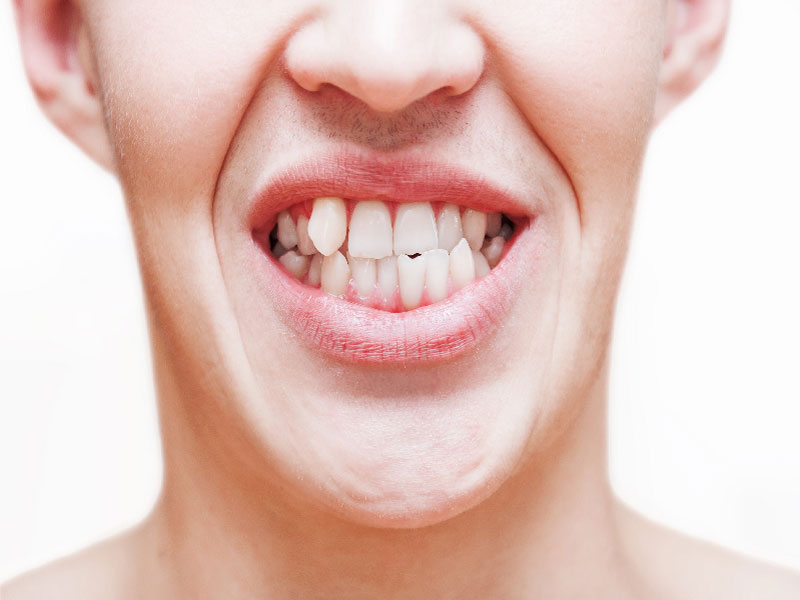
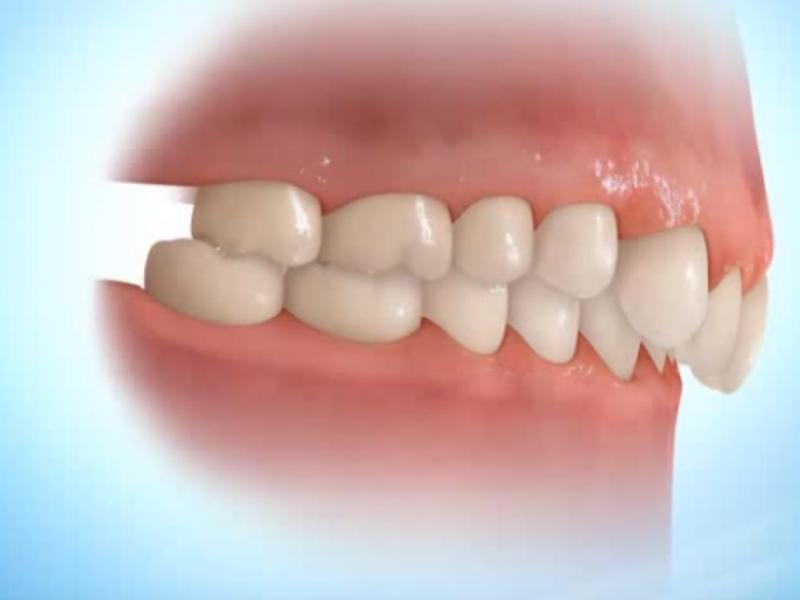
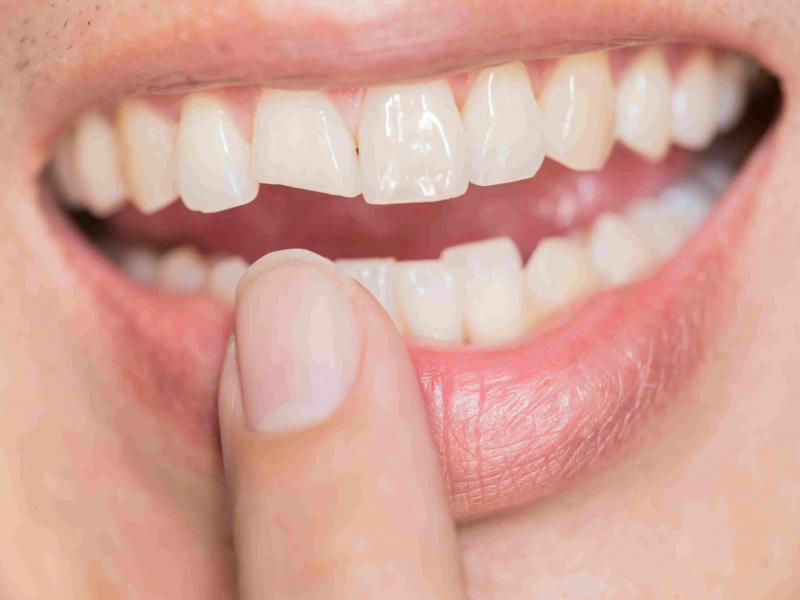
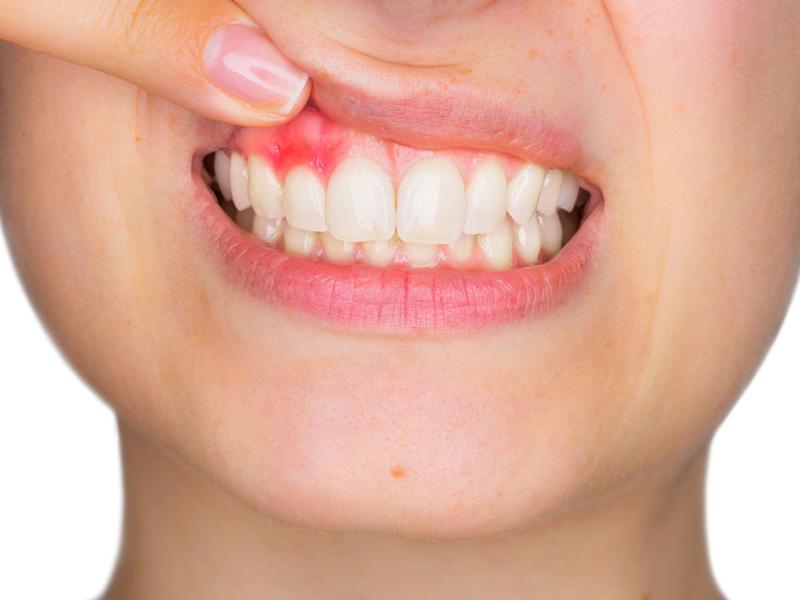
A gummy smile occurs when excessive gum tissue becomes visible during smiling, typically affecting the upper dental arch. Rather than displaying primarily teeth with a subtle gum line, individuals with this condition show a prominent amount of gingival tissue when they smile broadly.
The extent varies significantly from person to person. Some show only slightly more gum than aesthetically ideal, while others expose 3 millimeters or more of gingival tissue. Dentists measure this visibility carefully because the measurement directly influences which correction approach will be most effective.
This condition affects thousands globally and, while medically harmless, often impacts psychological comfort. Many people feel self-conscious and tend to smile less openly. The good news is that multiple treatment pathways now exist, ranging from non-invasive procedures to surgical interventions.
What Causes Excessive Gum Display?
Several distinct mechanisms can lead to a gummy smile. Understanding your specific cause helps determine the most appropriate treatment strategy.
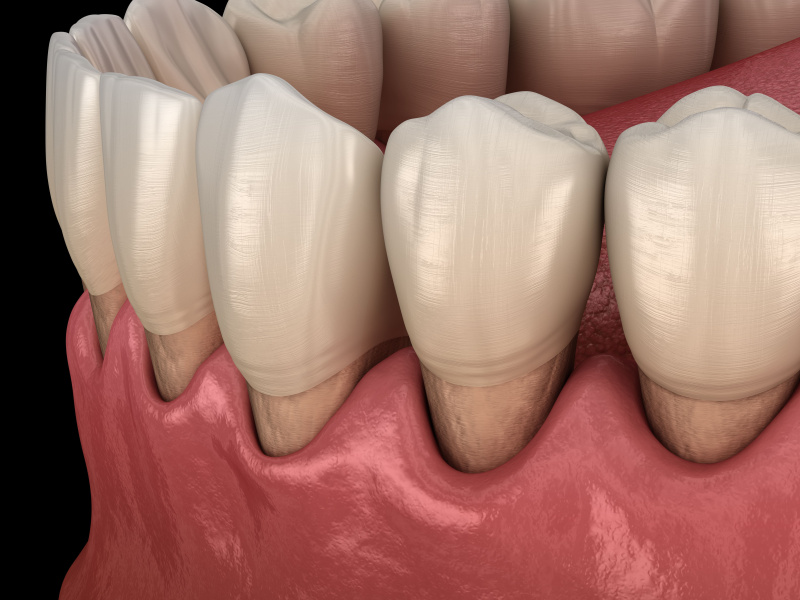
Passive eruption issues occur when teeth fail to fully erupt from the gums during development, or when gum tissue doesn't naturally recede as it should. This leaves perfectly healthy teeth appearing covered by excessive gingival tissue. The teeth themselves are normal, but the tissue coverage makes them appear shorter than they truly are.
Lip anatomy and movement play a substantial role. A naturally short upper lip means that during smiling, it retracts less, exposing more gum. Additionally, some people have hyperactive upper lip muscles that pull the lip upward excessively during smiling, revealing more gum than typical. This muscular component differs from structural lip length and requires different treatment approaches.
Maxillary bone position can contribute when the upper jaw sits lower or more forward than average. This anatomical variation changes the relationship between teeth, gums, and lips during smiling. Some individuals have a vertical maxillary excess, where the upper jaw is naturally longer in the vertical dimension, causing more gum exposure.
Gingival overgrowth sometimes results from medications like phenytoin or certain immunosuppressants, or from genetic predisposition toward thicker gum tissue. Hormonal changes during puberty or pregnancy can temporarily worsen gingival appearance.
Non-Surgical Cosmetic Solutions
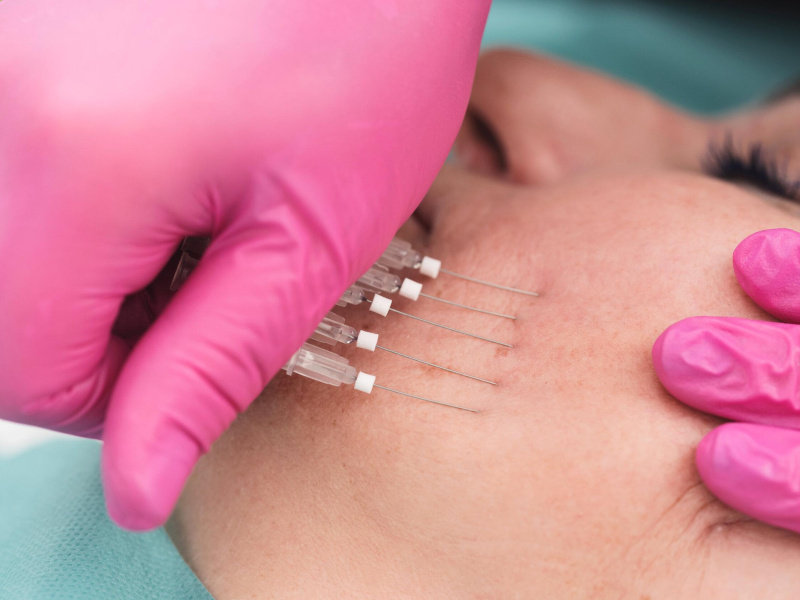
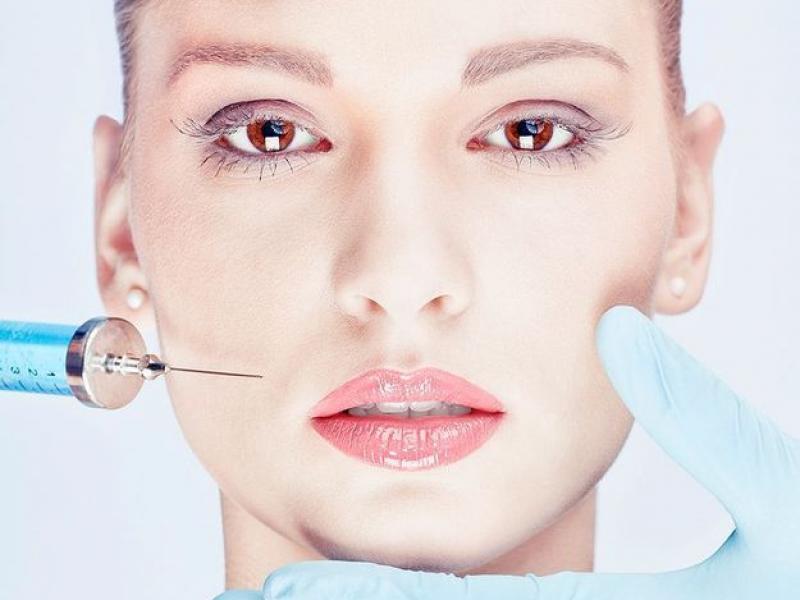
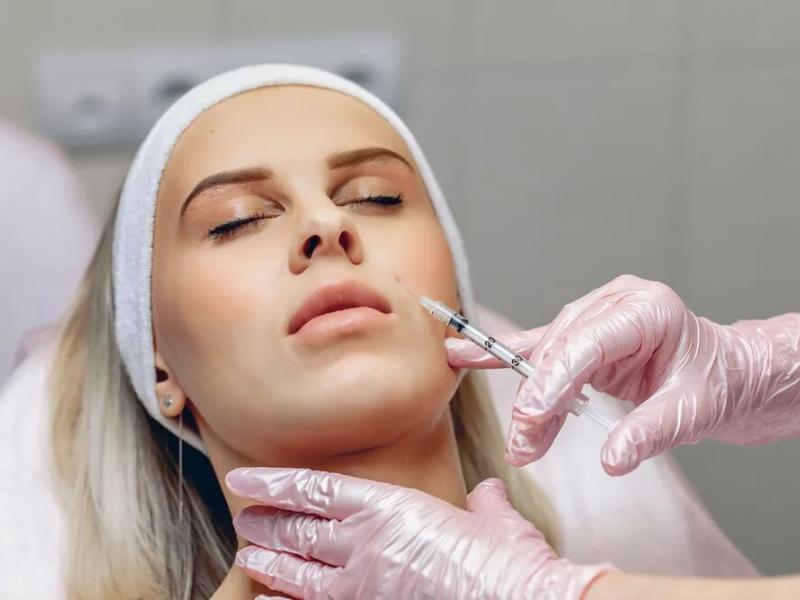
Botulinum toxin (Botox) injections work particularly well when hyperactive lip muscles drive the excessive gum display. The toxin relaxes the muscles responsible for raising the upper lip excessively during smiling. Results typically appear within 3 to 7 days and peak around 2 weeks. The effect lasts approximately 3 to 4 months, requiring maintenance injections to sustain results. This approach offers a reversible, non-permanent option that many patients appreciate. Cost generally ranges lower than surgical interventions, though ongoing maintenance becomes necessary.
Dermal fillers can augment the upper lip volume, causing it to sit higher and cover more gum tissue when smiling. Hyaluronic acid fillers are commonly used because they're reversible and relatively natural-looking. However, this approach works best for mild cases and doesn't address underlying skeletal or severe muscular causes. Results persist for 6 to 12 months depending on the filler type and individual metabolism.
Smile design using veneers or bonding can sometimes create an optical illusion where gums appear less prominent. Laminate veneers or composite bonding make teeth appear longer, which visually reduces relative gum exposure. This addresses appearance without modifying gum tissue itself.
Orthodontic movement may help in cases where tooth position contributes to gum display. Braces or clear aligners can reposition teeth to improve the overall smile line. Treatment duration typically spans 18 to 36 months depending on complexity. This approach works best when combined with other interventions for comprehensive improvement.
Surgical and Advanced Procedures
Gingivectomy and gum contouring directly remove excess gingival tissue through laser or surgical excision. The clinicians carefully reshape the gum line to create better proportions relative to tooth length. Crown lengthening procedures specifically expose more of the tooth structure by removing gum and sometimes bone. Recovery typically requires 2 to 3 weeks, with minor discomfort managed through standard pain relief. Results are permanent, and gums generally heal with a naturally contoured appearance. This method proves highly effective for gingival overgrowth or cases where gum tissue simply covers too much tooth.
Lip repositioning surgery surgically shortens or alters the upper lip's position to reduce its movement during smiling. The surgeon creates an incision inside the mouth, removes a portion of tissue, and repositions the lip lower. This permanently restricts how much the lip retracts during smiling. Results are permanent and dramatic but require skilled surgical technique. Recovery lasts 2 to 4 weeks, with swelling gradually resolving. This approach works exceptionally well for hyperactive lip muscles and is often preferred for permanent solutions.
Maxillary bone contouring addresses cases where excessive jaw height or forward position causes gum display. Orthognathic surgery realigns the upper jaw, creating better dental and facial proportions. This is a more complex procedure, typically requiring 2 to 4 hours under general anesthesia. Hospital stays range from same-day to overnight, and full recovery takes 6 to 12 weeks. This option is reserved for moderate to severe cases where jaw position significantly impacts the smile or functional concerns exist.
Botulinum toxin combined with surgical procedures can enhance results when both muscle hyperactivity and tissue excess contribute. Many specialists combine approaches for optimal outcomes, perhaps Botox for muscular component alongside gum contouring for tissue excess.
Treatment Selection: What Suits Your Situation?
Choosing the right treatment depends on multiple factors. Severity matters. Mild gum exposure (under 2 millimeters) often responds well to Botox or fillers. Moderate exposure (2 to 4 millimeters) frequently requires gum contouring or combined approaches. Severe exposure (over 4 millimeters) may need lip repositioning or bone adjustment.
The underlying cause drives selection. Hyperactive lip muscles point toward Botox. Excessive gum tissue suggests gingivectomy. Jaw positioning issues indicate orthognathic evaluation. Some cases have multiple contributing factors, requiring layered approaches.
Your permanence preferences matter. Botox and fillers are temporary but reversible, ideal if you're uncertain. Surgical corrections are permanent and typically can't be undone. Lip repositioning offers permanent results without bone surgery. Gingivectomy is permanent but less invasive than jaw surgery.
Recovery timeline and lifestyle influence choices. Botox requires minimal recovery. Gingivectomy needs 2 to 3 weeks of modified eating and oral care. Lip repositioning and orthognathic surgery require several weeks of restriction. If you have important events or limited recovery availability, temporary solutions might fit better.
Cost considerations vary significantly. Non-surgical options typically cost less upfront but require maintenance. Surgical solutions involve higher initial investment but offer permanent results, potentially reducing lifetime expenses.
The Role of Professional Consultation
A qualified specialist, whether cosmetic dentist, periodontist, or oral surgeon, can assess your specific anatomy, measure gum exposure precisely, and explain which approaches suit your situation. During consultation, you should ask about expected outcomes, realistic recovery timelines, and potential complications. Before-and-after photos from similar cases help visualize possibilities.
Turquie Santé can connect you with clinics experienced in gummy smile correction across various treatment modalities. Specialists there can perform detailed smile analysis and recommend combinations of approaches tailored to your anatomy and preferences.
Ask your consultant these practical questions: How much improvement can realistically be achieved with each option? What does recovery actually involve? Could complications occur, and how would they be managed? What's the long-term stability of results? Are there restrictions on eating, speaking, or physical activity afterward? What happens if you're not satisfied with the outcome?
Recovery and Aftercare Expectations
Non-surgical treatments involve minimal recovery. Botox can cause slight bruising or swelling for a few days. Fillers might create temporary lumpiness as they settle. Normal activities resume immediately, though avoiding vigorous exercise for 24 hours is wise.
Gingivectomy recovery typically spans 2 to 3 weeks. The first week involves some discomfort, managed with prescribed pain relief. Soft diet becomes necessary initially, avoid hard, crunchy, hot, or spicy foods. Gentle saltwater rinses begin after 24 hours to aid healing. Complete tissue maturation and final contour appearance can take 3 to 6 months.
Lip repositioning requires 2 to 4 weeks of healing. Swelling peaks around day 3 to 5 then gradually subsides. Eating soft foods, careful oral hygiene, and avoiding lip stretching assist healing. Some temporary numbness may occur. Sutures dissolve or are removed around 2 weeks.
Orthognathic surgery involves more extensive recovery. Hospital stay, pain management with medication, jaw mobility restrictions, and liquid or soft diet for several weeks are standard. Return to normal activities typically takes 4 to 6 weeks, though complete bone healing takes several months. Temporary facial swelling and numbness are expected.
Realistic Expectations and Outcomes
Most patients report significant satisfaction with gummy smile correction. Botox consistently reduces gum display by 50 to 75% in responsive cases. Gingivectomy can remove 2 to 4 millimeters of gingival tissue effectively. Lip repositioning dramatically improves smile aesthetics when muscular hyperactivity is the primary cause.
However, perfection isn't always achievable. Some residual gum exposure may persist, particularly in severe cases. Your own anatomy, bone structure, jaw relationship, lip volume, sets certain limitations. A skilled specialist manages expectations realistically, explaining what's surgically feasible given your unique anatomy.
Stability of results varies. Botox effects gradually fade and require maintenance. Surgical corrections tend toward permanence, though aging changes gum position and lip volume over decades. Most people find the investment worthwhile given improved confidence and smile aesthetics.
Potential Complications and Risks
Non-surgical options carry minimal risk. Botox rarely causes asymmetry or excessive lip paralysis when administered by experienced practitioners. Fillers occasionally trigger allergic reactions or migration, though this is uncommon with modern materials.
Gingivectomy risks include infection (rare with proper care), bleeding complications (more likely if you take blood thinners), and recession affecting tooth root exposure in the future. Some patients experience minor sensitivity temporarily.
Lip repositioning carries risks of asymmetry, difficulty in full smile expression, or excessive restriction. Infection and dehiscence (incision separation) are rare but possible. Numbness usually resolves but occasionally persists longer.
Orthognathic surgery risks include infection, bleeding, malocclusion (bite problems requiring adjustment), and temporary or rarely permanent nerve damage affecting sensation. Discuss specific risks with your surgeon, particularly if you have underlying health conditions.
Combining Approaches for Enhanced Results
Many specialists now favor combined strategies addressing multiple contributing factors simultaneously. For example, comprehensive smile makeovers might integrate gum contouring with crown placement for better proportions, possibly adding Botox for lip management. This layered approach often yields superior aesthetic outcomes compared to single interventions.
Timing matters when combining procedures. Some treatments work better sequentially, orthodontics first to position teeth, then gum contouring once position stabilizes. Others work simultaneously, like Botox and gingivectomy.
Long-Term Smile Management
After correction, maintaining your improved smile involves consistent oral hygiene and periodic professional care. Excellent plaque control prevents gum disease, which can worsen gum appearance. Regular dental cleanings keep tissue healthy. If temporary solutions like Botox become your choice, scheduling maintenance appointments prevents gum reappearance.
Lifestyle factors support long-term results. Smoking impairs gum healing and health, worsening gum recession over time. Stress management helps, as some people clench or grind teeth when stressed, affecting gum position. Proper nutrition supports tissue health. Sun protection for lips prevents loss of volume over years.