




Summary
- Why Summer Appeals for Aesthetic Procedures
- Procedures That Thrive in Summer Heat
- Procedures That Need to Wait Until Fall
- The Critical Sun Protection Factor
- Recovery and Realistic Expectations in Summer
- Strategic Summer Timing: What Actually Works
- Travel and Aftercare During Summer
- Questions to Ask Before Scheduling
- The Bottom Line
Summer arrives with its own rhythm. Slower work pace, time off, fewer obligations. It's when many people finally pause and think about that cosmetic procedure they've been postponing for months. The question isn't whether to do it, but whether summer is actually the right season for your specific treatment.
The reality? Summer cosmetic surgery in Turkey attracts thousands of patients annually, but not all procedures play well with sunshine and heat. Some thrive during these months. Others? They need to wait.
Why Summer Appeals for Aesthetic Procedures
Work slows down. Schedules loosen. You're not juggling conference calls or mandatory office presence. This extended break gives you room to recover without pressure, to rest properly, and to let your results settle before returning to routine. That's valuable.
The psychological shift matters too. When you're on vacation mode, you're more likely to follow post-operative instructions carefully. Hydration, sleep, avoiding strenuous activity, keeping follow-up appointments, protecting your skin, taking medications on schedule. Recovery becomes integrated into your break rather than squeezed around deadlines.
Beyond logistics, many patients value timing their transformation with a season of renewal. Summer represents change, brightness, a fresh chapter. For some, scheduling aesthetic work during these months reinforces that feeling of positive reinvention.
Procedures That Thrive in Summer Heat
Certain treatments actually benefit from or tolerate summer conditions well.
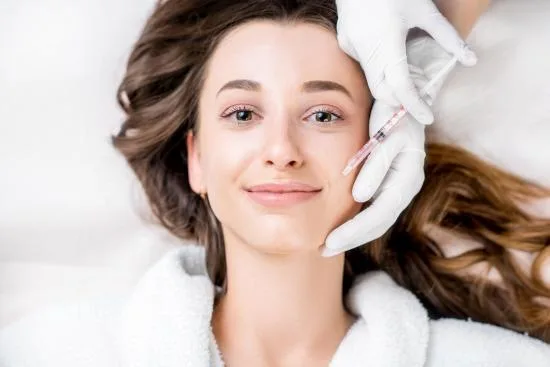
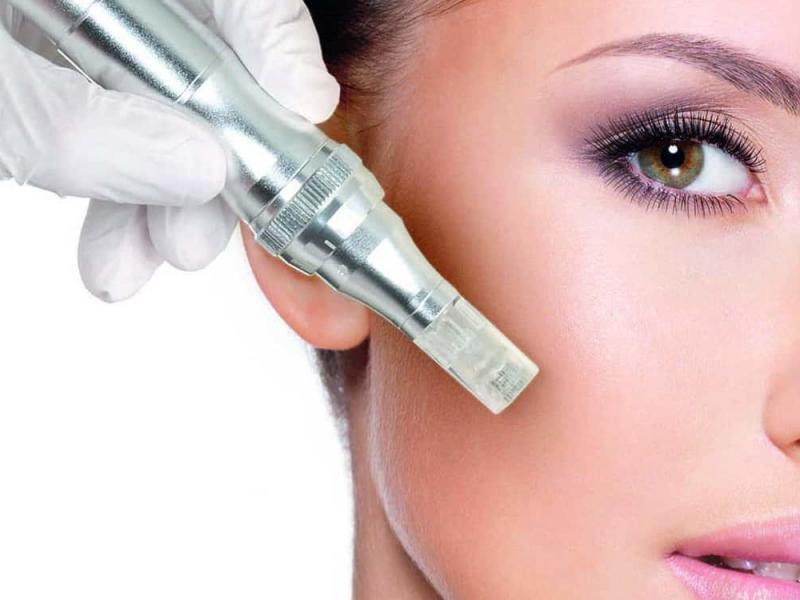
Minimally invasive options: Dermal fillers and microneedling generate minimal downtime. You may have light redness for a few hours to a day, easily managed with makeup or sunscreen. These work perfectly for summer because recovery is nearly invisible, and you can resume normal activities immediately or within 24 hours.
CO2 laser treatments also suit summer well if you're committed to strict sun protection afterward. The healing phase is approximately 7-10 days, depending on intensity. Because you're already thinking about sunscreen during summer, this becomes part of your routine rather than an anomaly.
Botox procedures fall into the "summer-friendly" category. No incisions, minimal swelling, no special sun precautions needed beyond normal sunscreen use. Results emerge over 3-7 days and continue improving for two weeks. You can schedule it and move forward with summer plans without interruption.
Teeth whitening and cosmetic dental work like veneers or bonding have no recovery period. Same-day results, no sun sensitivity, no limitations. Summer vacation actually gives you time to adjust to your new smile without workplace self-consciousness.
Hair transplant procedures can work in summer, though they require careful post-op management. The grafted area needs protection from direct sun and sweat for approximately two weeks. If you're planning time away from heavy physical activity anyway, this window is manageable. Many patients find summer's lighter schedule allows proper healing without compromising the graft.
Procedures That Need to Wait Until Fall
Conversely, certain aesthetic treatments genuinely struggle in summer conditions.
Major surgical procedures: Facelifts, mid-facelifts, neck lifts, and similar facial reconstruction involve significant downtime. Swelling peaks at days 3-5 and persists visibly for 2-3 weeks. Bruising can last 10-14 days or longer. In summer, this happens while you're exposed to heat, humidity, and potentially vacation photos with family and friends. You're also managing surgical wounds that need careful cleaning and drying in a sweaty environment.
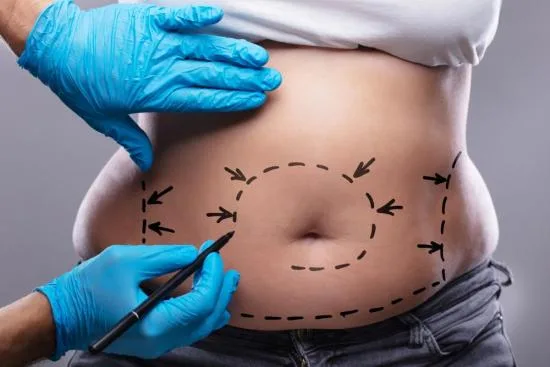
breast augmentation, body lift procedures, and abdominal contouring create surgical sites that benefit from cool, dry healing environments. Heat and perspiration increase infection risk and can compromise incision healing. You'll also struggle with post-op compression garments in 35-degree heat.
Eyelid surgery (blepharoplasty) leaves delicate eye tissues exposed and vulnerable. Sun damage, chlorine from pools, saltwater, and sweat introduce complications. The eyes remain sensitive to UV exposure for 6-8 weeks post-surgery. Summer's intensity of sunlight makes this particularly challenging.
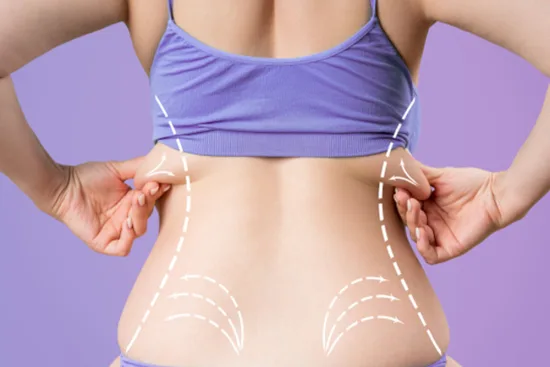
Liposuction and fat transfer require immobilization and compression for 4-6 weeks. Beach trips, pool time, and outdoor activities become forbidden or severely limited. The combination of physical restriction and heat makes summer timing impractical for most patients.
The Critical Sun Protection Factor
This deserves its own consideration. New scar tissue is photosensitive. Melanin production increases in response to UV exposure, darkening scars permanently. This isn't reversible easily.
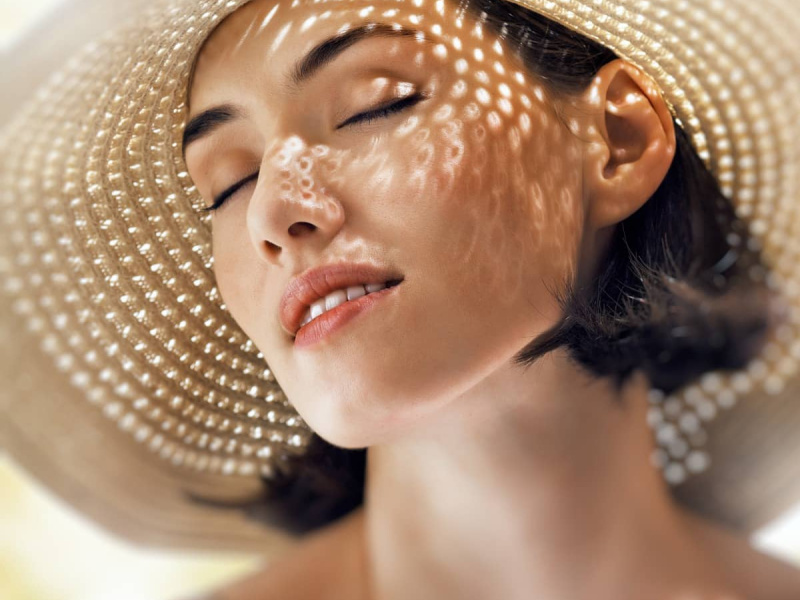
Any summer procedure demands committed, meticulous sun protection: broad-spectrum SPF 50+ applied every two hours, physical barriers like wide-brimmed hats and clothing, and avoiding peak sun hours (10 AM to 4 PM) for at least the first month post-procedure. Some treatments require 3-6 months of rigorous protection.
If your summer involves beach holidays, outdoor work, or simply being someone who forgets sunscreen, high-sun-exposure treatments become riskier. This isn't about being overly cautious. It's about preventing permanent cosmetic compromise.
Recovery and Realistic Expectations in Summer
Heat affects healing. Blood vessels dilate in response to warm temperatures, increasing swelling and bruising. Perspiration can introduce bacteria into fresh incisions. Dehydration happens faster in summer, and adequate hydration is essential for proper wound healing and optimal aesthetic results.
Most cosmetic procedures generate some degree of swelling. In cooler months, elevation and rest manage this effectively. In summer, even with cooling measures, swelling often persists longer. This delays when you'll see your true final results.
Physical activity restrictions matter too. Many summer activities are specifically forbidden post-operatively: swimming (infection risk), intense heat exposure, heavy exercise that raises heart rate (increases swelling and bleeding risk), and prolonged standing (gravity worsens facial swelling). Missing these is harder when vacation revolves around them.
Strategic Summer Timing: What Actually Works
If summer is your only available window, plan strategically. Schedule procedures early summer (June in Northern Hemisphere) rather than peak summer. This gives you cooler weeks in the critical early healing phase and prevents scheduling during peak vacation times when you're most tempted toward restricted activities.
Combine procedures efficiently. Rather than spreading treatments across months, completing them within one 1-2 week window (with Turquie Santé's coordination) means one recovery period, one adjustment phase, one period of necessary precautions, rather than fragmented restrictions throughout summer.
Choose minimally invasive options if summer timing is non-negotiable. The risk-to-downtime ratio improves significantly. You get visible results without being sidelined during your vacation.
If you're undergoing a major procedure, consider taking time immediately before or after your main vacation, not during it. Have your procedure, recover through the first 1-2 weeks at home with proper rest and care, then take vacation time for lighter activities during the resolution phase when initial swelling and bruising have diminished.
Travel and Aftercare During Summer
Medical tourism in Turkey during summer involves logistical factors unique to the season. Flights are busier, airports more crowded, and travel stress is higher. Post-operative patients shouldn't be navigating crowded terminals or confined airplane cabins during sensitive recovery phases.
If you're traveling internationally for procedures, build in extra recovery time before flying home. Pressurized cabins can increase swelling temporarily. Long flights without movement increase thrombosis risk. Ideally, wait 5-7 days before flying after surgery, longer for major procedures.
Summer heat in Turkey differs significantly from many home climates. Acclimatization takes days. Your body's response to heat, hydration needs, and energy levels during recovery may differ from expectations. Plan recovery days assuming you're adjusting to both surgery and climate simultaneously.
Questions to Ask Before Scheduling
Before committing to summer timing, discuss these specifics with your medical team at the clinics partnering with Turquie Santé:
- What's your typical swelling pattern and timeline in heat? Does heat increase it?
- How many days of visible downtime should you realistically expect?
- When can you safely swim, shower normally, and exercise again?
- What sun protection protocol is required, and for how long?
- If you travel, what's the minimum safe wait time before flying?
- Are there seasonal variations in infection rates or complications for your procedure?
- What's the latest you can schedule and still complete the critical early recovery phase before peak heat/humidity?
The Bottom Line
Summer's slower pace genuinely supports recovery. That advantage is real. But it doesn't automatically make every procedure summer-appropriate. Minimally invasive treatments, non-surgical options, and straightforward dental work thrive with summer timing. Major surgical procedures, those requiring extended sun avoidance, or treatments sensitive to heat and humidity genuinely benefit from cooler months.
The best time for your specific procedure depends on its characteristics, your lifestyle during summer, your commitment to post-operative protocols, and your heat tolerance. Rather than forcing a procedure into summer because vacation happens then, align your timing with what your chosen treatment actually needs to succeed beautifully.
Turquie Santé can help coordinate timing, connect you with partner clinics experienced in seasonal management, and answer detailed questions about your specific procedure's summer viability. The goal isn't summer surgery for summer's sake. It's summer surgery that actually gives you the safest, most beautiful results.
"Medical journalist specializing in science communication, I put my expertise at the service of clear and accessible information. For Turquie Santé, I create content based on up-to-date medical data, in collaboration with specialists from partner clinics. My commitment is to provide reliable, transparent information that complies with international medical standards."
Need a personalized medical opinion?
Our partner doctors reply online within 24h, free of charge.