





Aesthetic enhancement isn't reserved for one gender anymore. The landscape has shifted dramatically. More men than ever are choosing to refine their appearance, address areas that bother them, and simply feel more comfortable in their own skin. Turkey has emerged as a premier destination for these transformations, combining world-class expertise with accessible pricing and minimal downtime.
What's driving this change? A mix of reasons. Social media visibility has normalized male grooming and subtle enhancements. Professional environments reward a polished appearance. Some men address features that have bothered them for decades. Others simply want to look refreshed and maintain their competitive edge. Whatever the motivation, the confidentiality and quality available through Turquie Santé's partner clinics make the journey straightforward and discreet.
This guide walks you through the procedures gaining real traction among male patients, what actually motivates them, and how to plan a transformation that feels authentic to you. Whether you're considering a small adjustment or a more comprehensive refresh, you'll find concrete information to guide your decision.
The Most Popular Aesthetic Procedures Men Are Choosing
What treatments are men actually requesting? The answer reveals interesting patterns about male priorities around appearance. The procedures below represent the real demand among male patients in Turkey, based on data from partner clinics.
Hair Transplantation: Restoring What Time Takes
Hair loss remains the single most requested male aesthetic concern. It's not vanity, really. Pattern baldness erodes confidence in measurable ways. Men experiencing thinning or receding hairlines often report feeling older, less vital, less like themselves.
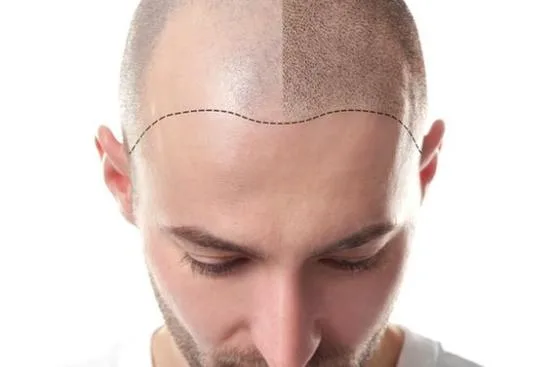
Hair transplantation in Turkey addresses this directly. The FUE (follicular unit extraction) technique dominates modern practice. Hair follicles are harvested individually from donor areas (typically the back of the scalp, where density remains stable) and replanted with surgical precision into thinning zones. The result looks natural because it uses a man's own hair, and the growth pattern follows his original hairline.
Real numbers matter here. A typical transplant session involves 2,000 to 3,500 grafts, though some patients need multiple sessions. The first growth appears around 3 months, with full density by 12-18 months. Approximately 85-90% of transplanted hair survives and grows permanently. Some men combine transplantation with hormonal treatments to slow ongoing hair loss, maximizing their results.
Costs vary by graft count, but Turkish clinics typically charge 40-60% less than Western equivalents for identical techniques. Recovery involves mild discomfort for a few days and minor scabbing for 1-2 weeks. Most men return to light activity within a week.
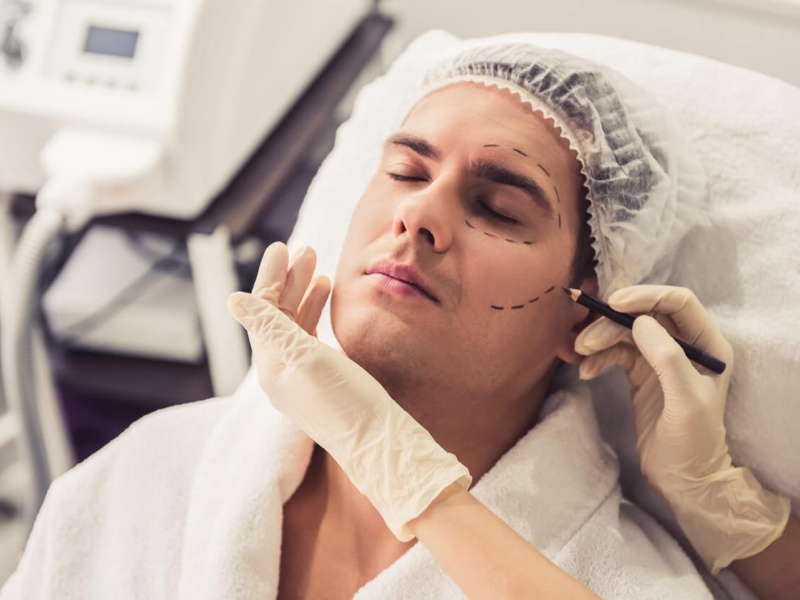
Rhinoplasty: Subtle, Impactful Changes
The nose anchors facial harmony. A disproportionate nose, a deviated bridge, or an overpronounced tip can dominate a man's self-perception far more than the actual deviation warrants. Yet many men dismiss rhinoplasty as too invasive or too noticeable.
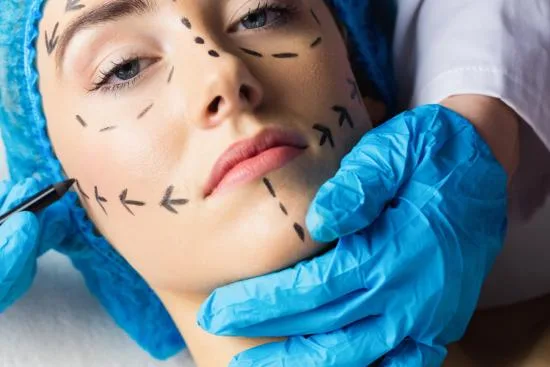
Rhinoplasty procedures in modern Turkish facilities focus on refinement rather than drastic change. A skilled surgeon reshapes bone and cartilage to improve proportions, correct breathing issues if present, and maintain a natural masculine appearance. The goal is a nose that complements the face, not one that announces itself as surgically altered.
Healing follows a predictable arc. Swelling peaks around day 3-4, then gradually subsides. Most visible bruising resolves within 2-3 weeks. Full refinement of the nasal structure takes up to a year as tissues settle. Men appreciate that septorhinoplasty can simultaneously correct functional breathing problems while improving aesthetics, making the procedure serve dual purposes.
Recovery is manageable for working professionals. Splints come off around day 7-10, and most men feel comfortable returning to work by week 2, though strenuous exercise waits until week 4-6.
Chin Augmentation and Jaw Contouring
Male facial structure is partly defined by jaw and chin projection. A recessed or weak chin affects the entire face-neck angle, which impacts perceived strength and definition. Augmentation using implants or fat grafting can shift this dynamic remarkably.
Chin augmentation typically uses a silicone implant placed through an intraoral incision, leaving no visible scar. The implant enhances projection without looking overdone if sized appropriately. Jaw surgery procedures address more severe asymmetries or skeletal misalignment, and can be combined with chin work for comprehensive facial balance.
Recovery is relatively quick. Swelling subsides over 2-3 weeks, though residual puffiness can linger longer. Most discomfort comes from chewing, so a soft-food diet for a few days helps. Men often report that the change feels proportionate and natural, enhancing rather than altering their face.
Liposuction and Body Sculpting
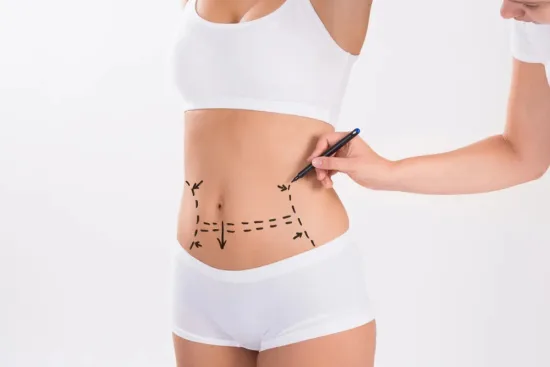
Exercise and diet can only do so much. Genetic fat distribution means some men carry stubborn deposits in areas that resist training. Upper abdomen, flanks, chest tissue, and under the chin all respond to targeted liposuction.
Turkish clinics offer advanced liposuction options. Tumescent liposuction remains the standard, using local anesthetic solution to reduce bleeding. Laser-assisted liposuction uses thermal energy to tighten skin slightly, beneficial for men concerned about loose skin post-fat removal. Ultrasound-assisted variants work well on fibrous areas like the male chest.
Results appear progressively over 3-6 months as swelling diminishes. A compression garment worn for 2-3 weeks minimizes fluid buildup and optimizes contour definition. Body contouring procedures can be combined with liposuction for comprehensive abdominal and flanking transformation, particularly valuable for men who've lost significant weight.
Downtime is modest. Soreness and bruising fade within 1-2 weeks, though residual swelling persists longer. Most men resume normal activity by week 2, with strenuous exercise by week 4-6.
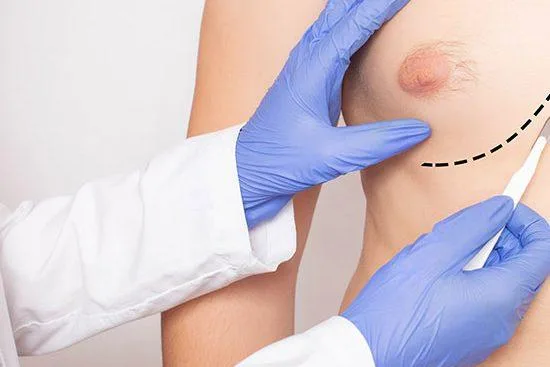
Gynecomastia Surgery: Addressing Chest Tissue
Enlarged male breast tissue, whether from hormonal imbalance, medication, weight, or genetics, affects body confidence disproportionately. Shirts that should fit comfortably become something to hide under. Swimming, intimacy, and gym sessions carry embarrassment.
Gynecomastia surgery removes excess glandular tissue and fat, restoring a naturally flat male chest. The procedure suits men with stable weight and either pure glandular enlargement or mixed glandular and fatty tissue. Liposuction removes fat; direct excision removes dense glandular tissue. Incisions are typically hidden along the areola margin, barely visible once healed.
Recovery spans 1-2 weeks for basic activities, though complete healing takes 6-8 weeks. A compression vest worn day and night for the first 2-3 weeks prevents fluid accumulation and optimizes contour. Some residual firmness is normal initially; tissues soften over months.
Non-Invasive Aesthetic Treatments
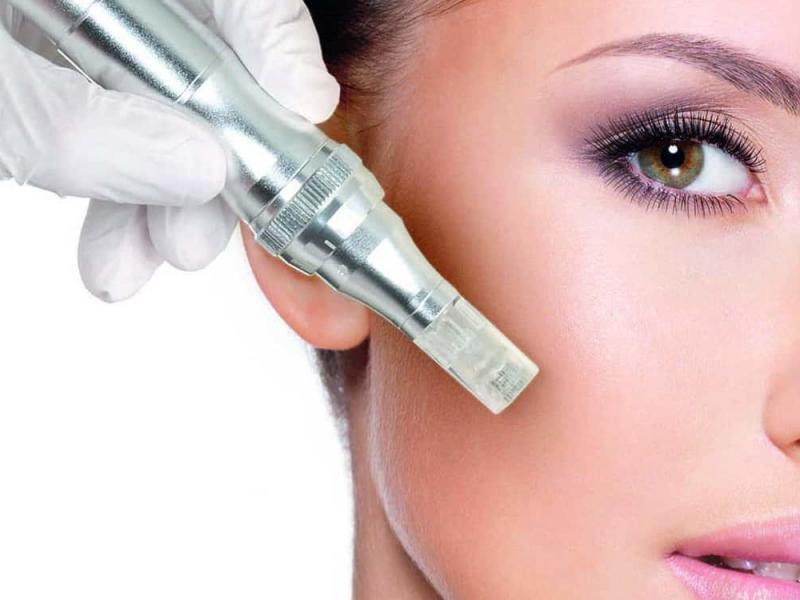
Not every male patient wants surgery. Injectables and energy-based treatments address specific concerns with minimal commitment. Dermal fillers add subtle volume to a recessed chin, hollow temples, or weak cheekbones. Botulinum toxin (Botox) softens forehead furrows and crow's feet that make men look tired. Microneedling improves skin texture and reduces fine lines by stimulating collagen remodeling.
These treatments require no downtime. Results from fillers appear immediately; Botox takes 5-7 days for full effect. Laser treatments address pigmentation, scars, and skin tone irregularities with minimal recovery. A single session can produce noticeable results, though multiple sessions optimize outcomes.
The appeal is clear: men wanting to look refreshed without announcing they've had work done. Results last 3-6 months for injectables, up to 2 years for some laser effects, then gradually fade. The reversibility appeals to first-time patients testing the waters.
Why Men Are Making This Choice Now
The normalization of male aesthetic procedures reflects broader cultural shifts. A decade ago, cosmetic surgery for men carried stigma. That's largely evaporated.
Professional culture plays a role. Industries from finance to media reward a polished, energetic appearance. Looking rested and well-maintained isn't vanity in these contexts; it's professional maintenance. Men in their 40s, 50s, and beyond increasingly pursue procedures to stay competitive and maintain confidence.
Social media exposure matters too. Seeing results from men they know, or public figures they respect, normalizes procedures. Instagram and TikTok showcase real transformations, breaking the silence that once surrounded male cosmetic surgery.
Then there's the personal history factor. Men who've always disliked a feature finally decide life's too short not to address it. A receding hairline that bothered them for 20 years, a nose they never liked, ear shape they hated since childhood. Sometimes it takes reaching a certain age and financial stability before pursuing the change.
Body image concerns aren't unique to women. Men carry insecurities too. Addressing them through safe, effective procedures improves quality of life measurably. Men report better dating confidence, less self-consciousness at the gym, reduced anxiety in professional settings.
Planning Your Procedure: What to Consider
Choosing a procedure is just step one. The execution determines results.
Selecting the Right Clinic and Surgeon
Turkey's reputation for aesthetic surgery rests on surgeon skill and volume. Top clinics perform dozens of procedures weekly, meaning expertise is genuine. Turquie Santé connects you with partner clinics that verify surgeon credentials, maintain international accreditation, and employ advanced techniques.
When evaluating options, request before-and-after galleries specific to your procedure. Look for natural-looking results, not obvious transformation. Check whether the surgeon has performed your exact procedure hundreds of times. Ask about complication rates. Reputable surgeons discuss realistic outcomes and limitations openly.
The Consultation Process
A proper consultation lasts at least 30-45 minutes. The surgeon should listen more than talk, understanding your specific goals and concerns. They should explain technique, expected results, recovery timeline, and realistic limitations. They should discuss why your goals are or aren't achievable and suggest alternatives if needed.
Red flags: A surgeon who guarantees specific results, rushes through consultation, doesn't show before-and-afters, or pressure-sells additional procedures. Good surgeons want you informed and confident, not rushed into a decision.
Before Your Procedure: Practical Preparation
Most procedures require baseline health screening. Blood work, cardiac clearance if relevant, and imaging help surgeons plan precisely and identify any concerns pre-operatively.
Specific preparation depends on your procedure. Hair transplant patients may need to stop certain medications and avoid sun exposure beforehand. Rhinoplasty patients typically discontinue blood thinners a week prior. Liposuction candidates might receive compression garments in advance.
Arrange time off work realistically. Hair transplant requires 3-5 days. Rhinoplasty needs 1-2 weeks. Liposuction or gynecomastia surgery benefits from 1-2 weeks minimum. Plan family or friend support for the first few days post-op.
Post-Operative Recovery and Results Timeline
Swelling is the universal post-op feature. It peaks around day 2-4, then gradually subsides. Bruising follows a similar arc but can linger longer, especially around eyes. Pain is typically mild to moderate and well-controlled with prescribed medications.
Follow post-op instructions precisely. Compression garments, elevation, activity restrictions, and medication timing all optimize healing. Most complications arise from ignoring these guidelines.
Full results take time. Visible changes appear within weeks for some procedures, months for others. Hair transplant growth extends to 18 months. Liposuction contouring finalizes around 6 months. Rhinoplasty refinement continues for a year. Patience during this window prevents unrealistic expectations.
Questions to Ask Your Surgeon
Before committing, ask these specifics:
- How many times have you performed this exact procedure?
- What are your complication rates, and how do you manage them?
- What results should I realistically expect for my specific anatomy?
- What's the revision rate if results aren't as expected?
- Will I need revision surgery, and if so, is it included in pricing?
- What happens if I'm unhappy with results?
- How do you handle bleeding, infection, or other emergencies?
- What's your aftercare protocol, and am I supported remotely post-op?
- Can you show me before-and-afters of men with my face/body type?
Why Turkey Stands Out for Male Cosmetic Surgery
Turkey's dominance in aesthetic procedures reflects several converging factors. Surgeon training is rigorous, often supplemented by international fellowships. Competition among clinics drives both technical innovation and competitive pricing. The volume of procedures performed daily means surgeons develop exceptional skill through sheer repetition.
Cost advantage is real but secondary to quality. Yes, procedures cost 40-60% less than equivalent U.S. or European pricing. But men choose Turkey because results are demonstrably good. Clinics that partner with Turquie Santé meet strict credentialing standards, use modern equipment, and employ proven techniques.
Another draw: discretion and logistics. Traveling to Turkey for a procedure maintains privacy in a way local treatment doesn't. You recover abroad, return home once healing is advanced, and manage remaining recovery privately. No colleagues notice. No awkward explanations.
Additionally, recovery packages often include accommodation near the clinic, post-op massage, or professional photo documentation of results. These details, handled smoothly, reduce travel stress considerably.
Realistic Expectations: What You Should Know
Cosmetic surgery improves appearance within the limits of your anatomy and surgeon skill. It doesn't guarantee happiness or solve underlying self-esteem issues. A man unhappy with himself before rhinoplasty won't suddenly find peace after, though he'll likely feel more confident about that specific feature.
Results vary. Identical procedures on different men yield different outcomes because anatomy differs. Your surgeon can improve proportion and balance but can't redesign your face. The goal is refinement within your natural structure.
Complications, though rare with skilled surgeons, do occur. Infection, bleeding, asymmetry, or unsatisfactory aesthetic results happen. Choosing an experienced surgeon and following post-op instructions minimize risk substantially, but eliminate it entirely? No.
Aging continues. A facelift, rhinoplasty, or hair transplant addresses your current appearance. You'll still age. Some procedures may need revision in 10-15 years. Hair transplants don't prevent new hair loss; they move hair from stable zones, so some men combine transplants with medical hair loss therapy.
Cost is a one-time investment, but multiple procedures aren't uncommon. A man happy with his rhinoplasty may later pursue hair restoration or body sculpting. Budget accordingly if you're considering multiple procedures.
Starting Your Journey
The first step is honest self-reflection. What bothers you? Why? Is this for you or external pressure? Clarity here prevents regret.
Next, research. Look at before-and-afters. Read patient reviews. Understand recovery timelines and realistic results for your procedure.
Then consult. Turquie Santé facilitates connections with accredited partner clinics. A consultation clarifies whether your goals are achievable, what technique suits you, and what realistic outcomes look like. Good surgeons answer questions thoroughly and never pressure you.
Finally, decide. There's no rush. If a procedure feels right after consultation, move forward. If it doesn't, no shame in waiting or choosing a different approach. Your comfort and confidence matter most.
Male cosmetic surgery has evolved from taboo to mainstream. Men pursuing these procedures aren't vain; they're simply choosing to feel comfortable in their own skin. Whether that's restoring hair, refining a nose, or sculpting the body, the motivation is consistent: confidence, comfort, and liking what you see in the mirror.
"Medical journalist specializing in science communication, I put my expertise at the service of clear and accessible information. For Turquie Santé, I create content based on up-to-date medical data, in collaboration with specialists from partner clinics. My commitment is to provide reliable, transparent information that complies with international medical standards."
Need a personalized medical opinion?
Our partner doctors reply online within 24h, free of charge.