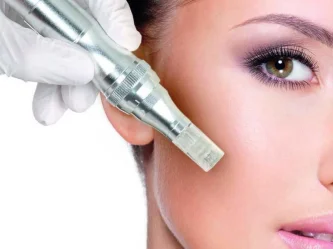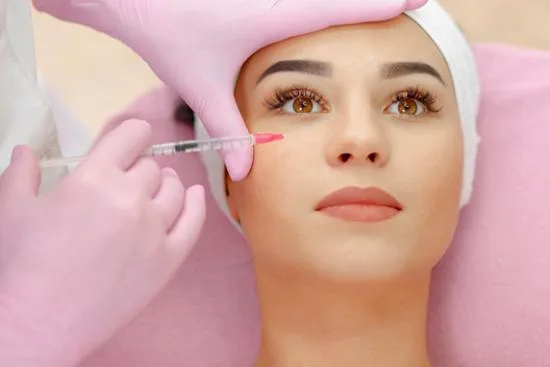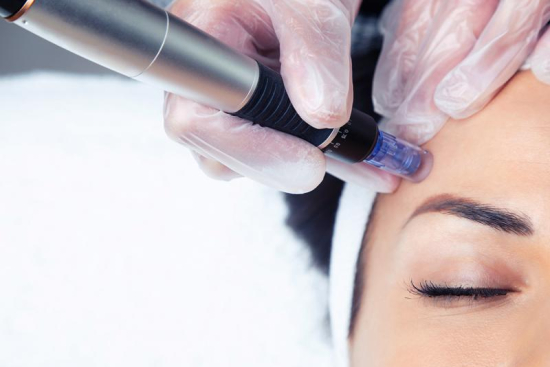




Microneedling uses fine needles to create controlled micro-injuries that prompt the skin to produce new collagen and elastin. Some patients notice that their skin feels smoother within days, but new collagen continues to form for about 3 to 6 months after treatment, so results develop gradually. It is used to try to improve the appearance of wrinkles, acne scars, stretch marks and skin texture. However, strong scientific evidence of its efficacy is limited for several of these indications, and results can vary considerably from one patient to another.
The evidence is limited mainly because most recommendations rely on small studies and case reports, with different devices, needle depths and protocols. As a result, the response of an individual patient is difficult to predict: the result may be unsatisfactory, several sessions may be needed without a guaranteed benefit, and a poorly adapted protocol (needle depth, interval between sessions, products applied) can increase the risk of side effects.
Microneedling is a widely offered non-surgical skin treatment in Turkish dermatology and cosmetic clinics, sometimes combined with a PRP injection or a dermal filler session. Turquie Santé connects patients with these specialists and helps arrange the treatment as part of a wider skincare plan. As with any procedure that breaks the skin, it carries risks and contraindications, described below.
Price of microneedling session in Turkey
Turquie Santé's partner clinics in Turkey bring together dermatology professionals who can perform your microneedling treatment.
Looking for a specific quote? Schedule a free online consultation with us. Our team will provide detailed information and build a personalized treatment plan that matches your goals.
At Turquie Santé, a typical microneedling session costs around $200 to $500. This is an indicative estimate based on average prices, and it can vary considerably with the city, the clinic and the practitioner, as well as with the area treated, the technology used (manual or radiofrequency) and the protocol your dermatologist recommends. The final price is set by a personalized quote, which specifies what is included. Since several sessions are usually needed, the total cost of a treatment plan is higher than the price of a single session.
Risks and Side Effects
- Redness, irritation, swelling, small bruises and pinpoint bleeding, usually fading within a few days
- Dryness and flaking
- Infection (rare, with strict hygiene and sterile single-use needles)
- Reactivation of herpes simplex (cold sores)
- Post-inflammatory hyperpigmentation: the risk is lower than with lasers, but it is possible, particularly without sun protection and in darker skin types
- Irritant or allergic reactions to the topical products applied during or after the treatment, rather than to the needling itself
- Worsening of pre-existing skin conditions such as rosacea, eczema or psoriasis: the trauma of the needles can trigger or aggravate a flare, even without active infection, so treatment is generally not recommended in an affected area, and medical advice is needed beforehand
- Hypertrophic or keloid scars: a rare but possible risk, higher in people with a personal or family history of keloids or hypertrophic scars. No reliable frequency is available, which is why a medical evaluation before treatment is important
- Unpredictable or unsatisfactory results, because of the limited evidence and the variability of the individual response
- Contraindications: active acne (especially inflammatory lesions),active herpes or other infection in the treatment area (including warts). Other situations require medical advice before treatment: pregnancy or breastfeeding, a tendency to keloid scars, bleeding disorders or anticoagulant treatment, active inflammatory skin disease, recent isotretinoin treatment