



What Causes Dental Crowding?
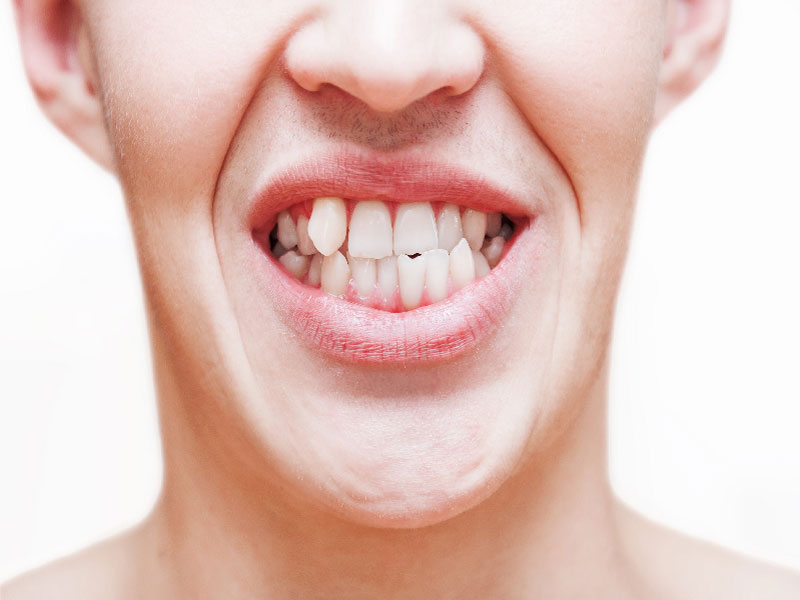
Crowded teeth develop from a mix of inherited traits and acquired habits. Genetics heavily influence jaw size and the natural spacing your teeth require, so if your parents had crowding, you're statistically more likely to experience it. When the jaw is too narrow relative to tooth size, overlap becomes almost inevitable.
Yet genes tell only part of the story. Childhood behaviors shape your oral anatomy far more than many realize. Prolonged pacifier use, thumb-sucking past age 4 or 5, and constant tongue thrusting against teeth can gradually shift tooth position and alter jaw development. Even seemingly minor habits like nail-biting or pen-chewing contribute to misalignment over years.
Tooth size mismatches also play a role. Some people naturally have oversized teeth relative to their jaw dimensions, making crowding unavoidable without intervention. Conversely, early tooth loss (from decay or extraction) can allow surrounding teeth to drift into empty spaces, creating secondary crowding. Premature loss of baby teeth is particularly problematic, as it removes the natural guides that keep adult teeth properly spaced.
health Risks Beyond Appearance
While aesthetic concerns often prompt treatment, the underlying health consequences justify addressing crowding regardless of how it looks.
Oral Hygiene Challenges
Overlapping teeth create tight spaces that toothbrush bristles cannot penetrate effectively. Floss shreds or breaks in these narrow gaps. Food particles accumulate in areas you cannot access with standard oral hygiene tools. Over months and years, this trapped debris becomes a breeding ground for bacteria, accelerating plaque buildup and calculus formation along the gum line.
Increased Decay and Gum Disease
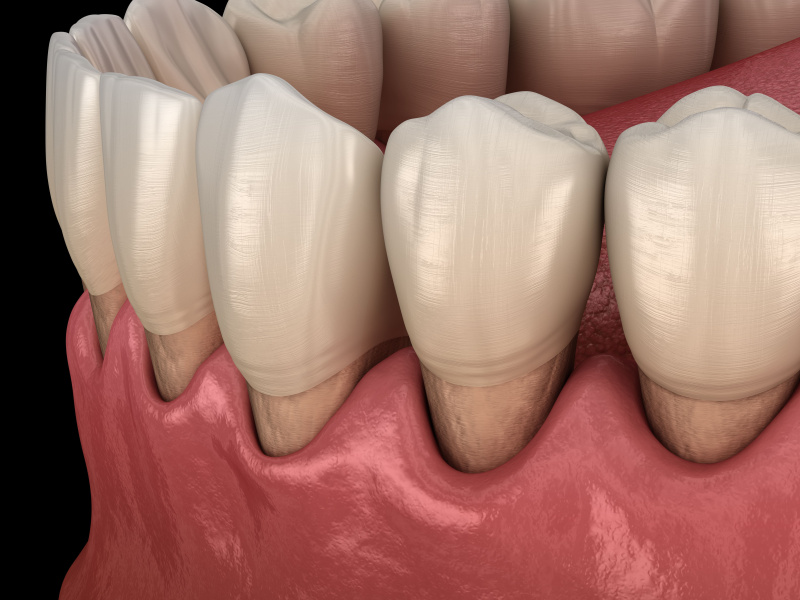
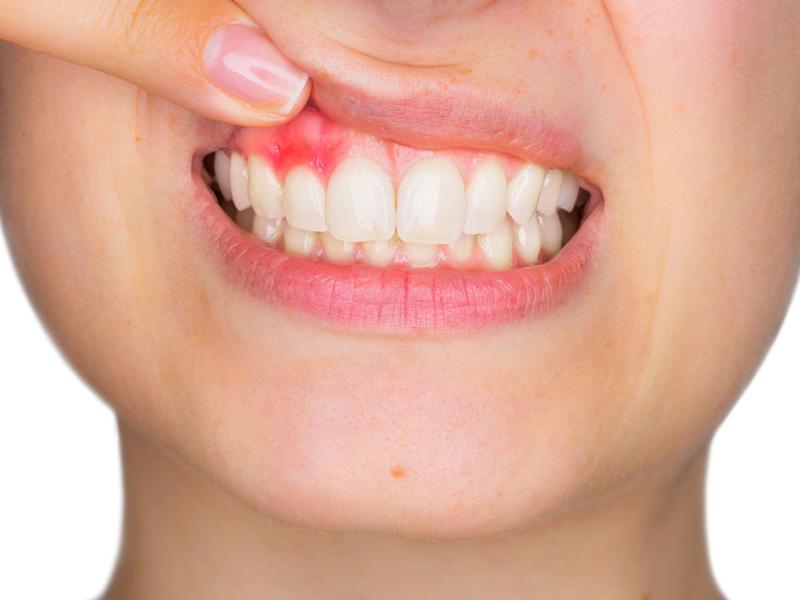
Poor cleaning efficiency drives higher rates of cavities, particularly on contact surfaces between crowded teeth. Gingivitis becomes common in crowded mouths because inflammatory bacteria thrive in inaccessible areas. Without treatment, gingivitis progresses to periodontitis, characterized by bone loss, receding gums, and eventual tooth mobility. Studies show crowded-tooth patients face 2 to 3 times greater risk of moderate to severe periodontitis compared to those with properly spaced teeth.
Bite Dysfunction and Digestive Impact
Misaligned teeth prevent proper contact between upper and lower molars during chewing. Instead of grinding food efficiently, your jaw compensates by working harder, chewing unevenly, or shifting sideways. This incomplete chewing means larger food particles reach your stomach, increasing digestive workload and potentially causing bloating or nutrient absorption issues. Some patients develop temporal mandibular joint (TMJ) pain from the abnormal forces their misaligned bite creates.
Speech and Breathing Considerations
Severe crowding can subtly affect articulation of certain sounds. More significantly, when crowding occurs alongside a narrow palate, airway space may be compromised, contributing to sleep-disordered breathing in some individuals.
Treatment Options Available
Fixed Braces (Metal and Ceramic)
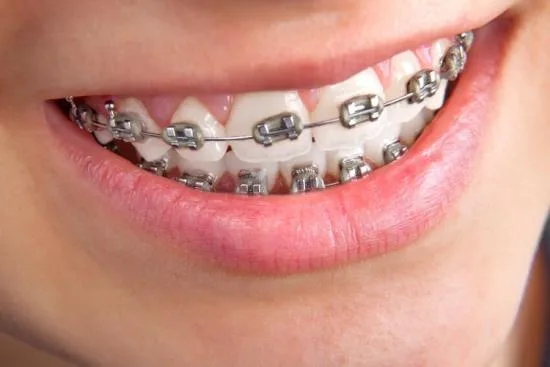
Traditional braces remain the gold standard for moderate to severe crowding. Brackets bonded to each tooth connect via an archwire that exerts gentle, continuous pressure, gradually repositioning roots and crowns. Metal braces are most affordable and durable; ceramic variants offer aesthetic appeal for image-conscious patients. Treatment typically spans 18 to 36 months depending on severity.
Advantages include predictable results, ability to correct complex 3D tooth movements, and generally lower cost than invisible alternatives. Drawbacks: visible during treatment, requires strict hygiene compliance (food traps easily around brackets), and occasional discomfort during tightening visits. Some patients experience white spot lesions on enamel if plaque control lapses.
Clear Aligners (Invisalign and Similar Systems)
Custom-fabricated plastic trays incrementally move teeth through a series of gentle adjustments. Each aligner exerts force for 1 to 2 weeks before switching to the next in the sequence. Aligners are virtually invisible, removable for eating and cleaning, and generally cause less gum irritation than brackets.
Clear aligner treatment works best for mild to moderate crowding. Severe cases or those requiring significant root torque correction may exceed these systems' capability. Treatment duration is often comparable to braces (18 to 30 months), but requires strict discipline: wearing aligners 20 to 22 hours daily is essential, and skipping or shortening wear periods delays progress. Cost typically exceeds fixed braces by 20 to 40 percent.
Extractions Combined with Orthodontics
When crowding is severe and jaw space is markedly deficient, extracting one to four teeth (often first or second premolars) creates room for the remaining teeth to spread and align. This approach was standard decades ago but is now reserved for truly severe cases, as modern orthodontists prefer space-creating alternatives when feasible.
Extraction-based correction changes facial profile subtly, the dental arch narrows slightly, and in some cases, the lower face flattens marginally. For patients with very crowded teeth and limited jaw size, however, extraction prevents the protruded-teeth appearance that non-extraction treatment might create.
Surgical Intervention (Orthognathic Surgery)
When crowding stems from severe skeletal jaw discrepancies (underbite, overbite, or asymmetry), jaw surgery combined with orthodontics may be necessary. The surgeon repositions the upper jaw, lower jaw, or both to establish proper skeletal foundations. Orthodontists then align individual teeth within this corrected framework.
Surgery is reserved for patients whose skeletal problems cannot be solved by tooth movement alone, cases affecting function, breathing, or appearance significantly. The procedure requires 4 to 8 weeks of healing before diet normalization and several months before final orthodontic refinement. Cost is substantially higher than non-surgical options, and recovery involves temporary swelling, difficulty eating soft foods, and speech changes for 2 to 3 weeks.
Choosing the Right Solution for Your Situation
Mild crowding (slight overlaps, good gum health, normal bite) often requires only monitoring or conservative alignment via aligners. Moderate crowding with functional concerns or poor oral hygiene access warrants definitive treatment, typically fixed braces or advanced clear aligners. Severe crowding affecting chewing, speech, or gum health may benefit from extraction or surgical correction.
Timing matters. Interceptive orthodontics during mixed dentition (ages 7 to 11) can prevent crowding from worsening and may reduce or eliminate the need for extractions later. Adult crowding treatment is always possible but takes longer and may require extractions that would be avoided if addressed earlier.
Before committing to any approach, ask your orthodontist about long-term retention. All teeth naturally drift slightly with age, so wearing retainers nightly or occasionally, sometimes indefinitely, prevents relapse after braces or aligners come off.
Treatment in Turkey: Quality and Accessibility
Turkish dental clinics partner with Turquie Santé to offer comprehensive orthodontic care at costs 40 to 60 percent below typical Western prices. Partner clinics provide modern diagnostic imaging (cone-beam CT scans), digital treatment planning, and both fixed and invisible appliance options. Many international patients combine crowding treatment with cosmetic procedures like crown placement or professional teeth whitening, since orthodontic correction often precedes cosmetic refinement.
Turquie Santé coordinates your entire journey: initial consultation via photos and records, treatment planning with your chosen orthodontist, and follow-up care coordination with local providers in your home country if preferred. Treatment timelines remain identical to those elsewhere, but transparency about cost and direct access to experienced specialists make Turkish orthodontics attractive for crowding patients seeking value.
Key Questions to Discuss With Your Orthodontist
Before starting treatment, clarify these points: What is my exact crowding severity, and does it affect my bite or gum health? Which options suit my age, lifestyle, and budget? How long will treatment take, and what happens if I move or need care elsewhere? What retention strategy will prevent relapse after treatment ends? Are there any reasons (bone density, gum disease, medication) that might extend my treatment or require modifications?
Getting concrete answers helps you commit confidently to a plan that aligns with your goals and circumstances.

"Medical journalist specializing in science communication, I put my expertise at the service of clear and accessible information. For Turquie Santé, I create content based on up-to-date medical data, in collaboration with specialists from partner clinics. My commitment is to provide reliable, transparent information that complies with international medical standards."
Need a personalized medical opinion?
Our partner doctors reply online within 24h, free of charge.