





Around the age of 40, we begin to view our bodies in a new light. This is not out of anxiety, but rather a clearer understanding that vital energy results not only from habits, but also from what the body has accumulated over the years. And of all the silent organs, the heart suffers the most, unable to communicate its emotions.
The paradox is that at 40, we still feel young: full of energy, capable of managing tasks, projects, and everyday life. However, it is precisely during this period that certain cardiovascular diseases can develop silently, without causing any apparent symptoms.
Cardiologists are increasingly emphasizing the importance of consulting a doctor not when problems arise, but well before they appear.
It is this approach that makes preventive screening a natural and necessary habit. Turquie Santé facilitates this process by offering access to rapid, comprehensive, and well-designed cardiac checkups for a generation that does not want to wait for the first warning signs.
Wondering if your heart needs an initial examination? Turquie Santé specialists can help you make that decision, taking into account your age, lifestyle, and medical history.
Why turning 40 is a turning point for your heart
After 40, the heart doesn’t suddenly age; rather, the effects of previous years start to show. Chronic stress, diet, a sedentary lifestyle, and genetics gradually influence how your cardiovascular system functions.
On a biological level, several subtle changes occur without you noticing:
- Arteries lose elasticity, making blood circulation slightly less efficient.
- Metabolism slows down, affecting cholesterol levels, blood sugar, and weight.
- Blood pressure may rise, even in people who previously had normal readings.
- The heart has to work harder, sometimes without obvious symptoms.
These changes are not signs of disease. Cardiologists call this period a “silent window”, a critical time when risk factors can develop quietly, yet potentially lead to sudden complications later.
A preventive cardiac checkup at age 40 isn’t about “finding problems”; it’s about understanding your heart’s real condition. Specifically, it allows you to:
- Obtain an objective assessment of your heart and blood vessels.
- Identify modifiable risk factors before they cause harm.
- Receive personalized guidance to protect your heart for many years ahead.
Taking action now means protecting not just your heart, but your energy, vitality, and quality of life. If you’re unsure which tests are best for you, the Turquie Santé team can guide you, tailoring the checkup to your age, medical history, and individual risk profile.
Warning signs that are often overlooked
Cardiovascular disease rarely appears suddenly. It usually develops gradually, with subtle signs that are easily mistaken for fatigue, stress, or the effects of aging. Recognizing them early is the first step in prevention.
After age 40, pay attention to the following symptoms:
- Unusual shortness of breath: Occurs during daily activities, like climbing stairs or walking briskly. Often dismissed as lack of fitness, it can signal early heart failure.
- Palpitations or irregular heartbeat: Feeling your heart skip a beat or race even at rest could indicate an arrhythmia that requires evaluation.
- Chronic fatigue: Persistent, unexplained exhaustion, even after a full night’s sleep, may mean your heart is working harder than it should.
- Chest discomfort: Not always pain; pressure, heaviness, or a burning sensation in the chest, left arm, or jaw may be an early sign of coronary artery disease.
- Swollen ankles: Often subtle and overlooked, this can indicate fluid retention linked to heart issues.
These symptoms aren’t automatically alarming, but they signal the need for vigilance, especially if they are new or recurrent. A preventive cardiac assessment can help clarify what’s really happening.
Noticing any of these signs? Turquie Santé can guide you on whether a cardiologist consultation or a simple check-up is appropriate.
Cardiology exams starting at age 40: What they include?
A cardiology check-up at age 40 is a series of targeted tests designed to provide a clear, comprehensive picture of your heart health. These exams are tailored to your age, medical history, and risk factors.
A complete examination typically includes:
- Cardiology consultation: Discuss your lifestyle, symptoms, family history, and key risk factors. This helps your cardiologist understand your heart profile before any tests.
- Electrocardiogram (ECG): A quick, painless test that records the heart’s electrical activity, identifying arrhythmias or silent ischemia.
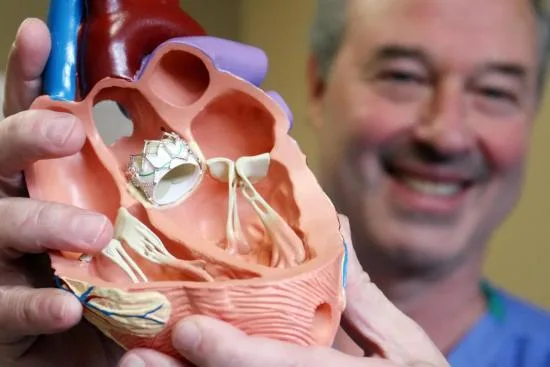
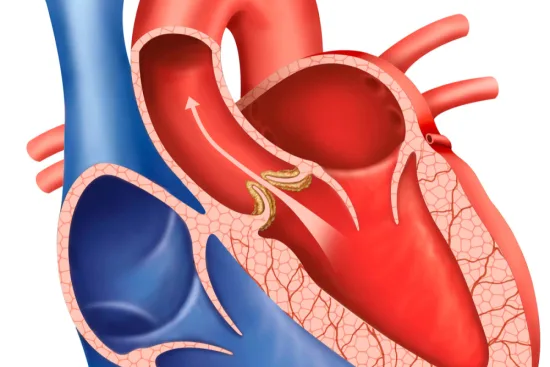
- Echocardiogram: An ultrasound of the heart that evaluates valve function, wall thickness, and the effectiveness of contractions in real time.
- Stress test: Conducted on a treadmill or stationary bike, this test shows how your heart responds to physical activity and reveals issues that may not appear at rest.
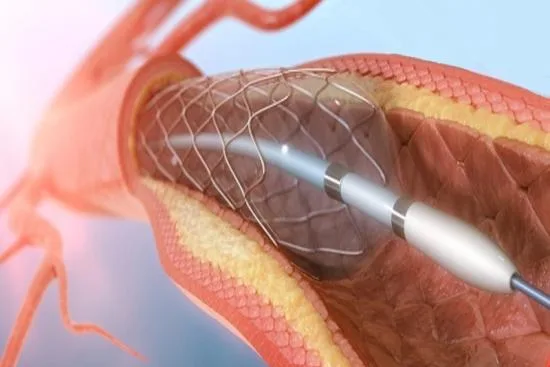
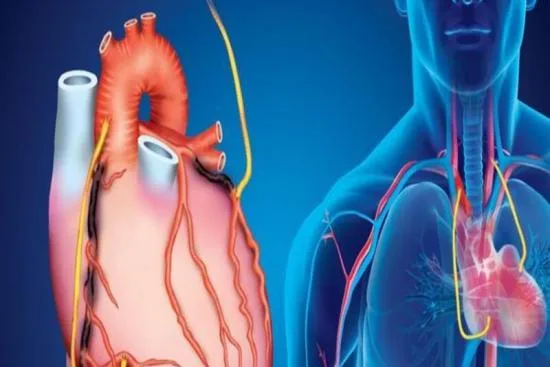
- Coronary CT Scan or angiography (if necessary): Recommended for those at higher risk or with inconclusive results from earlier tests, these exams visualize the coronary arteries and detect plaque buildup.
Together, these tests give a complete picture of your cardiovascular health, enabling early intervention and prevention of complications.
Not sure which tests are right for you? The Turquie Santé team can guide you with a personalized assessment, making the process simple and clear.
Why are these tests so important today?
Twenty years ago, a heart attack at age 45 would have been shocking. Thanks to advances in cardiology and preventive testing, however, risks can now be identified long before the heart starts to suffer.
That's why cardiac check-ups are strongly recommended after age 40.
Early detection = Less invasive treatment
Identifying a heart problem early often allows you to avoid invasive procedures and reduce your reliance on heavy medication. For example, early detection of high blood pressure or elevated cholesterol makes it possible to take simple lifestyle or treatment measures.
Prevention of silent heart attacks
Some heart abnormalities develop without noticeable symptoms. Preventive examinations can uncover these silent issues before they become serious.
Lifestyle adjustments
A comprehensive assessment provides accurate information about your heart, blood pressure, cholesterol, and arteries. With this data, you can make targeted changes, such as adopting suitable physical activities, adjusting your nutrition, and following a regular monitoring schedule to protect your heart for years to come.
Want to know which tests are right for you? Turquie Santé can help you select the most appropriate preventive checkup based on your age, medical history, and risk factors.
Silent heart risks often overlooked after 40
After age 40, several hidden factors can quietly weaken your heart long before any symptoms appear. Spotting them early is key to preventing complications and protecting your long-term cardiovascular health.
- Smoking and pollution: Even occasional smoking or living in a polluted environment increases your risk of coronary heart disease.
- Cholesterol, high blood pressure, and blood sugar: These numbers can look normal, but a thorough cardiac assessment can reveal hidden issues before they cause problems.
- Family history: If a parent experienced a heart attack or cardiovascular disease before age 55, your own risk rises, making preventive monitoring crucial.
- Being overweight and sedentary: A heart that has to work harder for the same effort tires faster, highlighting the importance of regular, appropriate physical activity.
- Chronic stress: Long-term stress raises blood pressure and heart rate, accelerating wear and tear on your arteries.
Even without obvious symptoms, these risk factors deserve your attention. A preventive heart checkup can help identify problems early and guide you toward lifestyle changes or treatments that keep your heart strong for years to come.

"Medical journalist specializing in science communication, I put my expertise at the service of clear and accessible information. For Turquie Santé, I create content based on up-to-date medical data, in collaboration with specialists from partner clinics. My commitment is to provide reliable, transparent information that complies with international medical standards."
Need a personalized medical opinion?
Our partner doctors reply online within 24h, free of charge.