


Turquie Santé
+33 988 18 89 81
Last update : 04/02/2026

Coronary artery disease treatment in Turkey: Options, costs & recovery 2026

Coronary disease treatment Turkey
90%
Success rate
771+
patient reviews
Patient icon
600K+
Requests received since 2018
Clinique icon
31
Clinics
Clinique icon
4.6
Ville icon
5
Cities
Docteurs icon
2K+
Recognized doctors

Heart problems can be frightening, especially when terms like “coronary disease” or “blocked arteries” come up. Modern medicine offers effective ways to manage and treat coronary disease, from lifestyle changes to minimally invasive procedures and advanced surgeries.

If you have chest pain, shortness of breath, or are concerned about your risk of a heart attack, it's important to understand your treatment options. Specialists tailor care to each patient. Knowing the available treatments can make a real difference for your heart health.

In Turkey, leading cardiology centers combine expert knowledge, advanced technology, and personalized care to help patients restore heart health safely and effectively.

Curious about which treatment might be right for you? Let's explore the options step by step.

Cost of treatment for coronary artery disease in Turkey

The cost of coronary artery disease treatment in Turkey depends on the severity of the condition and the specific procedure required. Here's a general guide:

  • Coronary angioplasty with stent: from €1,900
  • Coronary bypass surgery (CABG): €6,000–€9,000
  • Heart valve surgery: €10,000–€15,000

Curious about what your treatment would involve? Our partner cardiologists in Turkey can provide a free teleconsultation, answer your questions, and guide you through every step of the process.

With Turquie Santé, you'll also receive a personalized quote and full support from the moment you reach out, ensuring a smooth and confident experience from consultation to recovery.


Why undergo Coronary disease treatment with Turquie Santé ?

Chirurgien icon

Expert surgeons and certified hospitals

Économie icon

Prices 35% to 50% cheaper than in Europe

Organisation icon

Medical stay organized from A to Z

Prix icon

Direct prices without commission

Résultat icon

Free assistance 24/7

All about your Coronary disease treatment in Turkey

Overview
How it works
Benefits
Payment

Verified reviews : 771

Processed requests : 6

1

Send your request online

2

We look for the best option for your case & budget

3

Evaluating a care plan with the best quote

4

Making appointments & Organization of your trip

5

Ongoing support until you return home

Highly qualified professionals in accredited institutions.


We assist you before, during, and after your trip


Book with full transparency, no hidden fees or commissions.

You will pay your clinic directly using these available methods:

Transfer

Get a free medical opinion on Coronary disease treatment with our 43 Recognized Clinics

Certifications :

Doctors, Price & Reviews Joint Commission International
Doctors, Price & Reviews ISO 9001:2008
Doctors, Price & Reviews International Organization for Standardization (ISO)
MEMORIAL Şişli
Istanbul, Turkey
Dr. Gülsüm ÇEBİ

Dr. Gülsüm ÇEBİ

Prof. Olcay GÜLER

Prof. Olcay GÜLER

4.5
Guaranteed Direct PriceGuaranteed Direct Price

Certifications :

Doctors, Price & Reviews Joint Commission International
Doctors, Price & Reviews ISO 9001:2008
Doctors, Price & Reviews International Organization for Standardization (ISO)
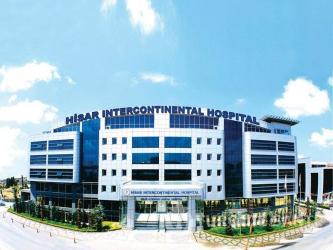
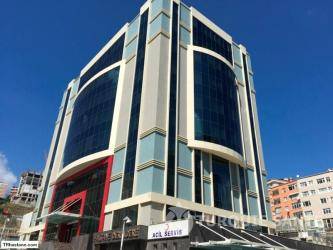
HISAR INTERCONTINENTAL
Istanbul, Turkey
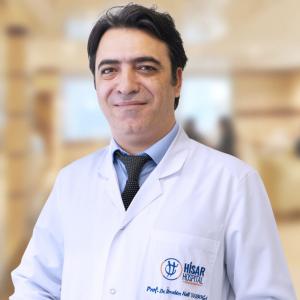
OP. Dr. Hasan Sahin

OP. Dr. Hasan Sahin

  • Graduate of GATA Medical School
  • Specialization at Izmir Dokuz Eylul University.
  • Specialist in aesthetic, plastic and ... Read more
ASSOC. PROF. BURÇİN BATMAN

ASSOC. PROF. BURÇİN BATMAN

  • Studies at Fırat University
  • Specialization in obesity, metabolic and laparoscopic surgery at Istanbul ... Read more
4.4
Guaranteed Direct PriceGuaranteed Direct Price

Certifications :

Doctors, Price & Reviews Joint Commission International
Doctors, Price & Reviews ISO 9001:2008
Doctors, Price & Reviews International Organization for Standardization (ISO)
LOKMAN HEKIM ISTANBUL
Istanbul, Turkey
Op.Dr. Murat YAMAN M.D

Op.Dr. Murat YAMAN M.D

Prof. Dr. Salim YÜCE M.D

Prof. Dr. Salim YÜCE M.D

4.8
Guaranteed Direct PriceGuaranteed Direct Price

Everything you will need for your medical trip

Medical opinion and estimates

Expert opinions and cost estimates

Pre-trip consultations

Understand your procedure before traveling.

Visa assistance

We assist our patients in obtaining their visas from the consulates.

Translation of your medical reports

We guarantee free and certified translation of your medical documents from all languages.

VIP Transport

Your transfers will be provided from the airport and your hotel.

Continuous Follow-up

You will be assisted by your attending doctor even after returning to your country, via videos or messages.

Experiences of our patients – Turquie Santé

Verified patient reviews

Maria O.

I am truly impressed by the quality of the clinic and the excellence of the serv..Read more


5.0
20/10/2025
This patient was treated for Coronary disease treatment
Emilycheck

Written by

Emily

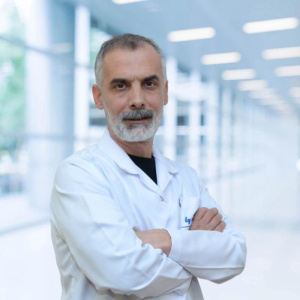
The accuracy of the content has been reviewed by Emily, former manager of private hospitals in Turkey, with proven scientific knowledge from over 10 years in research, she has the ability to simplify complex medical data to make it accessible to all.

Professor Dr. Yavuz Selim Yildirim, MD check

Reviewed by

Professor Dr. Yavuz Selim Yildirim, MD

Specialist in otolaryngology, expert in rhinology and otology. Certified by the Turkish and European Boards (FEBORL-HNS) and member of the American College of Surgeons (FACS). Experienced in ear surgery, cochlear implants, acoustic neuromas, head and neck cancers, and treatment of sleep apnea.

Understanding coronary artery disease (CAD)

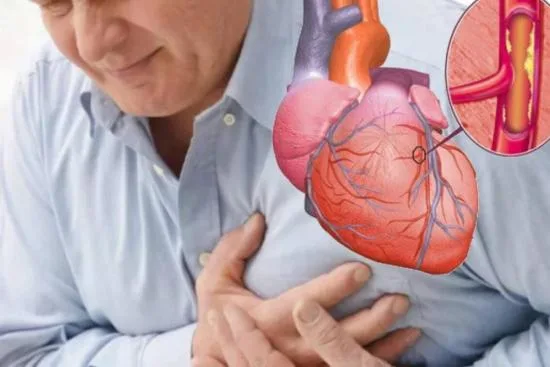
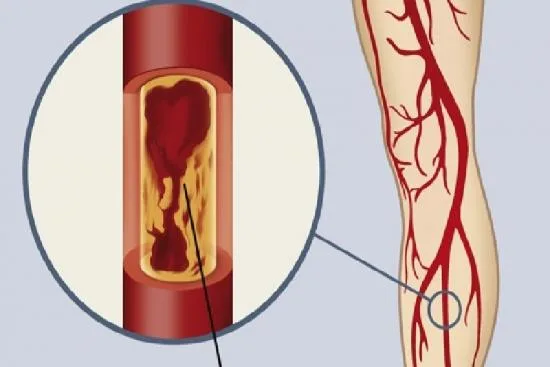
Coronary artery disease, often called CAD, occurs when the arteries that supply your heart with oxygen-rich blood begin to narrow or become blocked. These arteries are essential lifelines. Over time, cholesterol and other substances can build up along their inner walls, forming plaque, a process known as atherosclerosis.

As the arteries narrow, blood flow to the heart becomes restricted. Early on, you may feel nothing at all. But when your heart needs more oxygen, during physical activity, emotional stress, or even after a heavy meal, this reduced blood flow can trigger warning signs.

Common symptoms include:

In some cases, coronary disease remains silent. For certain patients, a heart attack is the first sign. This happens when a plaque suddenly ruptures, and a blood clot completely blocks an artery.

The impact of coronary artery disease varies from person to person and depends on:

This variability is exactly why early evaluation matters. When CAD is identified before significant damage occurs, treatment options are broader and more effective, helping relieve symptoms, reduce heart attack risk, and protect long-term heart function.

How coronary artery disease is diagnosed (Tests & imaging)

Diagnosing coronary artery disease is a step-by-step process that determines whether blood flow to the heart is reduced, where blockages are located, and how severe they are.

Initial evaluation

The assessment begins with a clinical consultation, where the cardiologist reviews:

This helps determine which tests are truly necessary.

Key diagnostic tests

Based on that initial review, your doctor may recommend one or more of the following tests:

Coronary angiography

If other tests point to significant blockages, the most precise tool is a coronary angiogram. This minimally invasive procedure uses a special dye and X-rays to provide a real-time, detailed map of your heart's arteries. It shows exactly where and how narrow they are. This definitive information is what doctors use to plan the most effective treatment, such as angioplasty or bypass surgery.

Why this matters ?

An early, accurate diagnosis gives you access to more effective, and often less invasive, treatment options, helping protect your heart before irreversible damage occurs.

A clear diagnosis allows cardiologists to choose the safest and most effective strategy, whether that's medication, minimally invasive intervention, or surgery.

Treatment options for coronary artery disease in Turkey

Treatment for coronary artery disease isn't one-size-fits-all. It depends on how advanced the disease is, your symptoms, and how much blood flow is affected. The goal is always the same: improve blood flow to the heart, relieve symptoms, and reduce the risk of a heart attack.

Most treatment plans follow a stepwise approach, starting with the least invasive options and escalating only when necessary.

Medical management (first-line treatment)

For many patients with stable CAD, medication combined with lifestyle changes is highly effective. This approach focuses on controlling risk factors and reducing the heart's workload.

Common medications may include:

Lifestyle measures, such as quitting smoking, improving diet, and staying physically active, are an essential part of this phase and significantly improve long-term outcomes.

Percutaneous coronary intervention (angioplasty & stenting)

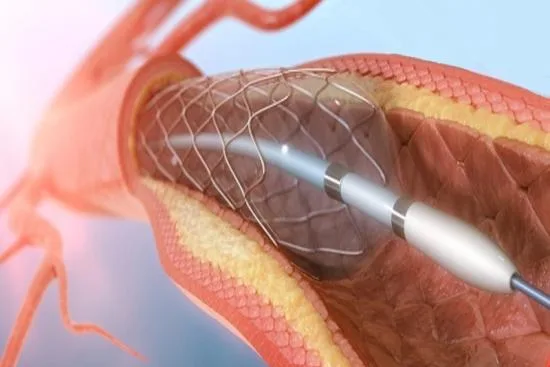
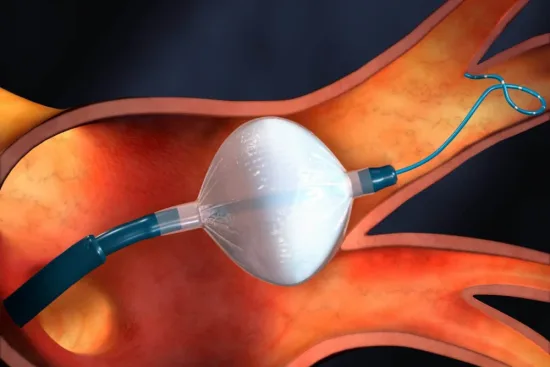
When symptoms persist despite medication, or if a significant blockage is found, a percutaneous coronary intervention (PCI), commonly called angioplasty, is a highly effective next step.

This minimally invasive procedure involves:

Angioplasty is most effective for one or two well-defined blockages. Recovery is usually fast, often with a hospital stay of just 1-2 days.

Coronary artery bypass surgery (CABG)

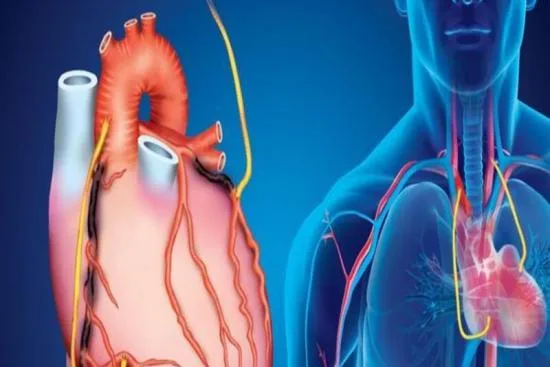
For complex cases, such as multiple blockages, disease in the main left artery, or when diabetes is present, coronary artery bypass graft (CABG) surgery is often the gold standard for long-term durability.

This procedure creates new pathways for blood to reach the heart muscle, bypassing the blocked arteries entirely. It is typically recommended when long-term blood flow improvement is essential.

In Turkey, coronary artery disease is managed through a structured, multidisciplinary approach rather than a single procedure-driven pathway. Cardiologists, interventional specialists, and cardiac surgeons review diagnostic findings together to determine whether medication alone is sufficient or whether revascularization is truly necessary. This coordinated decision-making helps avoid unnecessary interventions while ensuring timely access to angioplasty or bypass surgery when blood flow to the heart is at risk. The emphasis is on choosing the right treatment at the right time, based on anatomy, disease severity, and long-term cardiac protection, not on default escalation.

Life after treatment: Ensuring long-term hart health in Turkey

Successfully treating a coronary blockage is a major victory, but it's also the beginning of a new chapter. Whether you've had an angioplasty or bypass surgery, the ultimate goal is lasting heart health and a return to an active, fulfilling life. The procedure fixes the immediate problem, but your long-term well-being is a partnership built on smart habits and expert-guided care.

What you can expect ?

After CAD treatment in Turkey, patients typically notice:

Your essential role: The pillars of lasting success

The procedure is just one part of the equation. Three pillars power your long-term outcome:

With Turquie Santé, your care is treated as a long-term journey, not a single procedure. Partner cardiology teams combine precise intervention with clear guidance and ongoing support, helping you maintain your results and confidence for years to come.

Frequently asked questions

It depends on your country of origin and your insurance policy. Some international insurance plans cover treatments in Turkey. We recommend contacting your insurer before your trip.

With Turquie Santé, an appointment and treatment can usually be arranged within 1 to 2 weeks, depending on your situation and the availability of partner centers.

The treatment choice depends on the condition of the coronary arteries, the severity of symptoms, age, and overall health. The cardiologist evaluates these factors to recommend the safest and most effective treatment.

Yes, but it is advised to wait a few days to weeks depending on the type of procedure and your condition. Medical clearance is required before any travel to ensure sufficient recovery.
Follow-up includes regular consultations with the cardiologist, control tests (ECG, echocardiography, blood tests),and medication adjustments if needed. Turquie Santé often coordinates the continuity of follow-up after you return to your country.

Share this page

Our assistants help you to get the best options in Coronary disease treatment