




Summary
- What is microneedling?
- How skin ages and why collagen levels decline
- How does microneedling work?
- Which skin problems can be improved?
- Types of microneedling devices
- How the procedure is performed
- What results to expect
- Contraindications: When microneedling should not be done
- Possible side effects
- Practical advice for patients
- Microneedling in Turkey
Skin doesn't age overnight. Starting around age 25, the body gradually produces less collagen. Those who look closely in the mirror notice first: skin loses elasticity, fine lines become more visible, acne leaves marks, and recovery takes longer.
Microneedling (also known as collagen induction therapy, or CIT) is one of the most popular minimally invasive procedures that helps the skin "remember" how to renew itself. In this article, we will discuss how the procedure works, who it's suitable for, what to expect realistically, and how to prepare to ensure you're happy with the results.
What is microneedling?
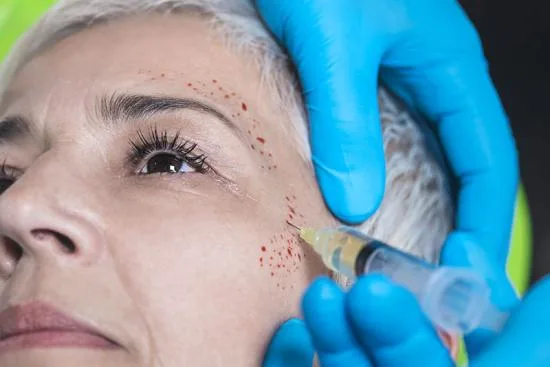
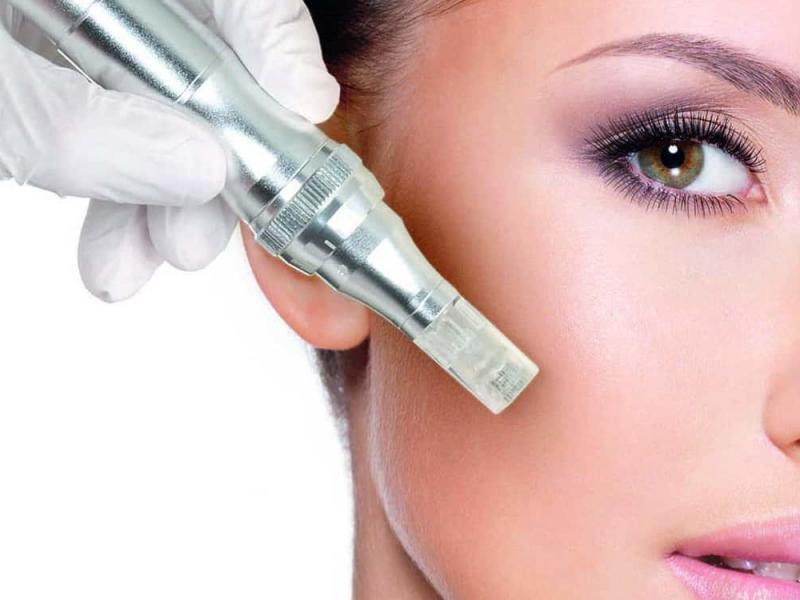
It is a procedure in which numerous very fine punctures are made in the skin using sterile microneedles. The punctures are so small that the skin heals quickly. But the "damage signal" itself triggers a natural repair process, during which the dermis produces new collagen and elastin.
Please note: microneedling does not "fill" wrinkles like fillers, nor does it remove a layer of skin like deep peels. It works from within, prompting the skin's own cells to work more actively. Therefore, the results appear gradually, over several weeks after the procedure.
How skin ages and why collagen levels decline
To understand what microneedling specifically achieves, it's helpful to recall the structure of the skin. It is the largest organ of our body, accounting for about 15% of body weight. It consists of three layers:
- Epidermis: the upper protective layer. It constantly renews itself and protects the body from external influences and moisture loss.
- Dermis: the middle layer, rich in blood vessels, nerve endings, collagen, and elastin fibers. This is where fibroblast cells that produce collagen work. The main target of microneedling is the dermis.
- Hypodermis (subcutaneous tissue): the deep layer that cushions impacts, retains heat, and participates in metabolism.
With age, two unpleasant things happen in the dermis. First, fibroblasts produce less collagen. Second, existing collagen fibers fragment, and cells have a harder time "clinging" to them. Researchers describe this as "fibroblast collapse": cells lose tension and produce less collagen and more enzymes that break it down.
This process is strongly influenced by:
- UV radiation (the main cause of photoaging);
- smoking and alcohol;
- polluted air;
- lack of sleep and unbalanced diet;
- genetics.
The consequences are familiar to many: loss of firmness and clear facial contours, slowed healing of cuts and burns, dryness, and difficulty retaining moisture in the skin.
How does microneedling work?
The needles create microchannels in the skin. The body perceives this as minor damage and initiates three phases of healing:
- Inflammation (first few days): blood rushes to the treated area, and growth factors are released.
- Proliferation (approximately several days to several weeks): fibroblasts activate, and the number of new capillaries increases.
- Remodeling (several weeks to several months): new collagen fibers mature and align, and the skin becomes denser.
According to scientific reviews, microneedling leads to increased expression of type I collagen, a denser network of collagen fibers, and the growth of new blood vessels. Additionally, microchannels temporarily improve the penetration of cosmetic and medicinal products into the skin.
Which skin problems can be improved?
The level of evidence varies, and an honest discussion about this is important for your expectations.
Best studied for:
- atrophic acne scars;
- scars from injuries and surgeries;
- signs of photoaging: fine lines, uneven texture, enlarged pores.
There is encouraging data, but it is less conclusive for:
- stretch marks (striae);
- hyperpigmentation and melasma (usually in combination with other methods);
- burn scars.
Evidence is still limited for:
- cellulite. It was previously mentioned as a primary indication, but there are few high-quality studies, so don't expect miracles.
Types of microneedling devices
Microneedling is performed using various devices that differ in their operating principle and precision of action.
| Type | Description | Advantages | Disadvantages |
| Dermaroller | A roller with needles that is rolled over the skin. The simplest and oldest option. | Accessible and easy to use. | The needles enter the skin at an angle, making depth control more difficult. |
| Dermapen (automatic pen) | A device with a cartridge whose needles move vertically. | More precise depth control; easier to treat complex areas such as the nose, eye contour, and corners of the mouth. | No specific disadvantage mentioned. |
| Dermastamp | A stamp with needles designed for targeted treatment. | Suitable for treating small areas and individual scars. | No specific disadvantage mentioned. |
| Radiofrequency microneedling | Needles additionally deliver thermal energy to the deep layers of the dermis. | Often chosen for pronounced skin laxity and deep scars. | More expensive, with potentially longer recovery. |
Needle depth is not a "more is better" situation. For cosmetic purposes on the face, a shallow depth is usually used. Longer needles are used for scars, and only in a clinical setting. The doctor determines the depth based on the area, skin thickness, and goal.
How the procedure is performed
The procedure is performed in stages, and its duration and number of sessions depend on individual skin characteristics and the desired goal.
- Consultation. The doctor assesses skin type, goal, medical history, allergies, and medication use.
- Preparation. The skin is cleansed and disinfected, and an anesthetic cream is applied (usually for 20–40 minutes).
- The procedure itself. Takes 20 to 45 minutes, depending on the area. Sensations are a slight tingling and pressure.
- Soothing mask or serum after the procedure, as prescribed by the doctor.
How many sessions are needed? Usually 3–6 procedures with an interval of several weeks (most often 4–6 weeks). The exact number depends on the task: for general skin quality improvement, fewer sessions may be sufficient; for scars, more. Studies have used intervals of 4 to 8 weeks.
What results to expect
The result depends on the skin's characteristics, the chosen method, and adherence to post-procedure recommendations. It's important to consider not only the intensity of the effect but also how it changes over time.
- First few days: redness, slight swelling, and a "sunburn" sensation.
- After 1–2 weeks: skin looks fresher and smoother.
- After 1–3 months following the course: maximum effect from new collagen: texture improves, scars become less noticeable, and pores appear smaller.
The result is not permanent. Collagen continues to age, so to maintain the effect, many patients undergo one maintenance procedure every few months. Sun protection is essential; without it, investments in procedures lose their meaning.
Contraindications: When microneedling should not be done
The procedure is postponed or canceled if you have:
- active inflammation, pustular rashes, or acute acne in the treated area;
- skin infections: active herpes, warts, fungal lesions;
- a tendency to keloid scars;
- suspicious moles or growths in the treatment area;
- exacerbation of dermatitis, eczema, or psoriasis;
- taking anticoagulants or blood-clotting disorders (decided by the doctor);
- a recent course of isotretinoin (ask your doctor how long you need to wait);
- pregnancy and lactation (usually recommended to postpone);
- allergy to metals (relevant for some needle types) or to components of the products used;
- oncological diseases or immunosuppression (only after consultation with the treating physician).
A special note on dark skin: people with high phototypes have a higher risk of post-inflammatory hyperpigmentation, so the procedure should be performed by a specialist experienced with this skin type, and parameters should be selected more cautiously.
Possible side effects
Most reactions are mild and resolve on their own within a few days:
- redness and swelling;
- peeling, dryness, and tightness;
- mild burning or itching;
- small pinpoint hemorrhages.
Rare but serious complications (due to poor hygiene or incorrect parameters): infections, persistent hyperpigmentation, scarring, granulomatous reactions. Their risk increases with the use of non-sterile instruments and the application of products not intended for deep skin penetration. Systematic reviews show that when performed in a clinic, the risk is low.
Practical advice for patients
Proper care before and after the procedure helps the skin recover and reduces the risk of unwanted reactions. A few simple rules make the recovery period more comfortable.
Before the procedure
- Avoid sunbathing and tanning beds for at least 2 weeks.
- Inform your doctor about all medications, retinoids, and acid-containing cosmetics (they may need to be paused).
- Do not start the procedure if you have active herpes. If you are prone to it, ask about prevention.
After the procedure
- Do not touch the skin with your hands, scratch, or pick at scabs.
- 24–48 hours without makeup (unless otherwise permitted by the doctor).
- Use gentle moisturizing products and only those recommended by your doctor. Do not apply random cosmetic products to fresh microchannels.
- Apply SPF 30–50 sunscreen daily; avoid saunas, swimming pools, and intense sports for several days.
- Postpone peels, acids, and retinol until your doctor approves.
What about home dermarollers? Needles of 0.2–0.25 mm, sold for home use, primarily act on the surface and aid cosmetic delivery, but do not replace a clinical procedure. The main risk at home is infection and irritation due to poor sterility. If you decide to try it, strictly observe hygiene, do not use someone else's roller, and do not substitute it for a doctor's consultation.
Microneedling in Turkey
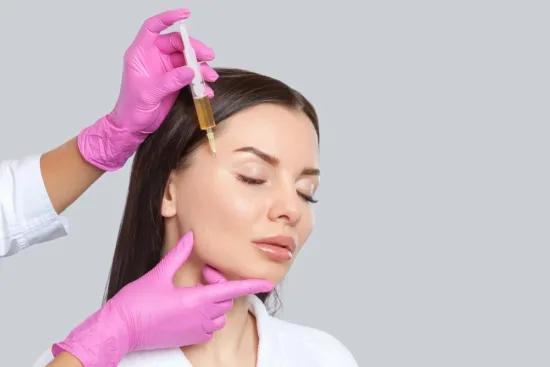
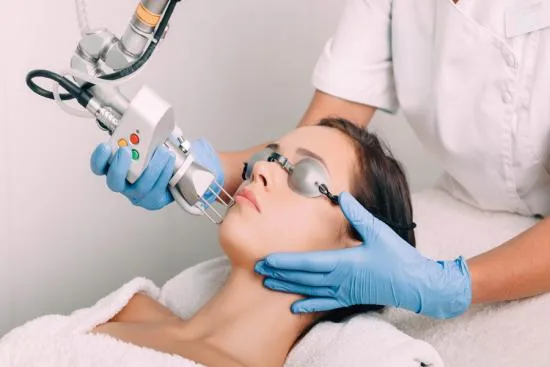
Istanbul is a popular destination for aesthetic dermatology, and many patients combine microneedling with other procedures, such as Platelet-Rich Plasma (PRP) therapy, mesotherapy, or CO₂ laser resurfacing. Such combinations can enhance results but are chosen individually after consultation.
If you are planning treatment abroad, clarify in advance: who will perform the procedure, what equipment is used, and how follow-up care is organized after your departure. Our coordinators can help you choose a clinic and a doctor. Learn more about the procedure on the Microneedling page in Istanbul or compare it with other options: facial PRP injections, collagen injections, CO₂ laser rejuvenation.

"Professional medical writer, I provide information about medical procedures and treatments according to rigorous standards. Each content is based on reliable scientific references and a professional review process, to guide patients and help them make informed decisions with confidence."
Need a personalized medical opinion?
Our partner doctors reply online within 24h, free of charge.