
Turquie Santé
Last update : 05/08/2026

Neurology in Turkey: Expertise, advanced treatment & quality care

Access internationally certified healthcare with substantial savings compared with European prices.

Get a free quote
Neurology Turkey
640+
patient reviews
Patient icon
600K+
Requests received since 2018
Clinique icon
22
Clinics
Trustpilot icon
4.6
Ville icon
5
Cities
Docteurs icon
1K+
Recognized doctors

Neurological symptoms such as persistent headaches, dizziness, memory difficulties, balance disorders, or unexplained changes in movement should never be ignored. Finding the right neurologist is essential for obtaining an accurate diagnosis and receiving the most appropriate treatment plan.

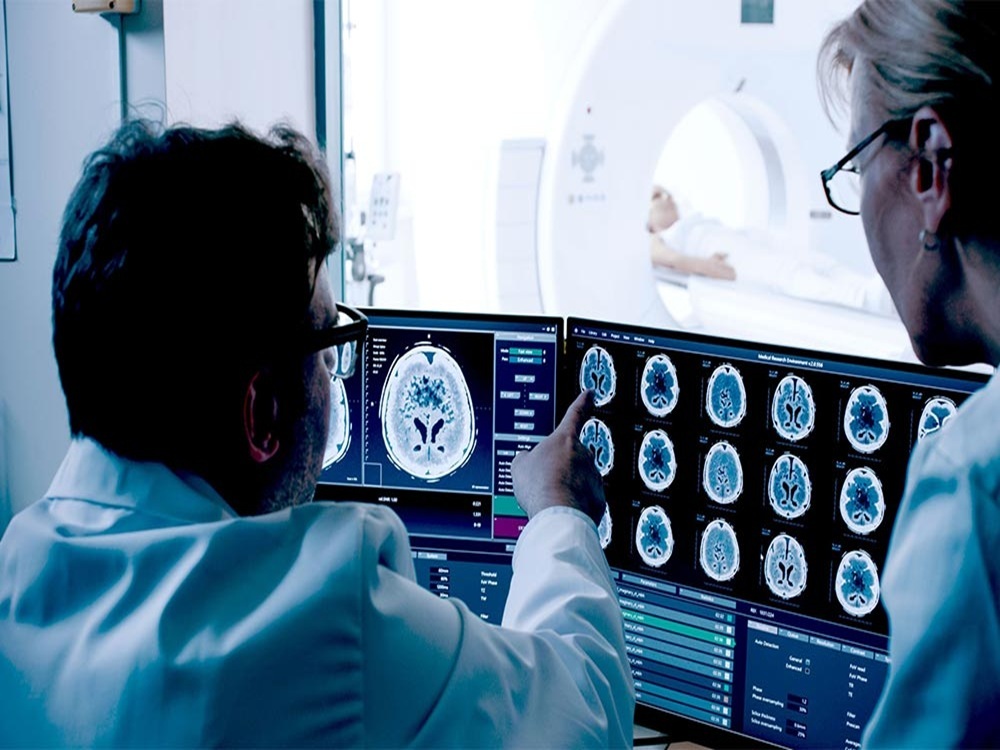
Turkey has become a leading destination for neurological care, offering access to internationally trained specialists, advanced imaging technologies, and modern hospitals equipped with MRI, EEG, and other diagnostic tools. From common neurological disorders to more complex conditions such as epilepsy, stroke-related diseases, and nerve disorders, specialized teams provide comprehensive evaluations and personalized medical solutions.

Through Turquie santé, international patients can connect with experienced neurologists and neurosurgeons in Turkey's leading medical centers. From arranging consultations and diagnostic assessments to supporting your treatment journey, Turquie santé helps you access reliable neurological care with expert guidance at every step.

Neurological care costs at Turquie Santé: transparent pricing for world-class evaluation

A comprehensive neurology consultation with specialist evaluation typically begins at $130, granting access to board-certified experts without premium markup.

Diagnostic imaging carries these approximate ranges: an EEG recording costs roughly $275, while advanced 3 Tesla brain MRI scans run $480 to $850 depending on protocol complexity. Both employ technology matching standards in Europe or North America.

Complex surgical interventions like Deep Brain Stimulation for Parkinson's start around $22,000, typically representing 70% to 75% savings versus U.S. pricing while maintaining JCI-accredited facility standards and internationally trained surgical teams. No compromise on safety or outcome quality.


Why choose Neurology with Turquie Santé ?

Chirurgien icon

Expert surgeons and internationally certified hospitals

Économie icon

Substantial savings compared with European prices

Organisation icon

Medical stay organized from A to Z

Prix icon

Direct prices without commission

Résultat icon

Free assistance

All about your Neurology in Turkey
Overview
Benefits
Payment

Verified reviews : 640

Highly qualified professionals in accredited institutions.


We assist you before, during, and after your trip


Book with full transparency, no hidden fees or commissions.

You will pay your clinic directly using these available methods:
Transfer

Verified testimonials from our patients

When to consult a neurologist: recognizing signs that warrant professional evaluation

Neurological symptoms can be deceptive. A mild discomfort today, one that seems insignificant, might signal something deeper brewing beneath the surface, especially if it keeps returning, persists longer than expected, or gradually intensifies over weeks or months.

What symptoms typically prompt a neurologist visit?

People often seek neurological expertise when they experience:

  • Memory lapses, trouble focusing, or language difficulties, symptoms that interfere with daily tasks.
  • Headaches that linger or feel unusual in character or intensity.
  • Tremors, involuntary movements, or noticeable muscle weakness in one or both limbs.
  • Tingling, numbness, or altered sensation that doesn't fade after a few days.
  • Dizziness or balance problems affecting your confidence when walking.
  • Nerve pain that standard painkillers fail to relieve.
  • Brief episodes of feeling disconnected, seizures, or fainting spells.

These symptoms don't automatically mean serious illness. That said, a thorough neurological assessment can pinpoint what's actually happening and provide peace of mind or necessary intervention.

Urgent warning signs requiring immediate neurological attention

Certain presentations demand rapid evaluation:

  • Sudden paralysis or weakness affecting one side of your body.
  • Vision loss that appears abruptly, without warning.
  • A seizure that lasts several minutes without stopping.
  • Sudden difficulty speaking or slurred speech.
  • An explosive headache, described as the worst of your life, striking instantly, like a thunderbolt.

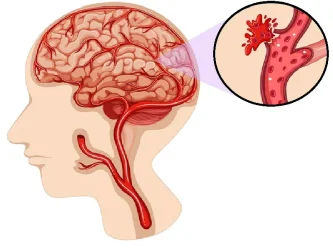
These may point to stroke, intracranial bleeding, or another condition where minutes matter. Timely medical assessment is critical.

Why specialized neurological expertise makes a difference

When symptoms are puzzling, layered, or resistant to standard approaches, a neurologist becomes invaluable. They possess training to:

  • Use advanced diagnostic tools, MRI, CT imaging, EEG recordings, EMG studies, with precision and interpretation skill.
  • Evaluate disorders spanning the brain, spinal cord, and peripheral nervous system simultaneously.
  • Build individualized treatment strategies addressing the actual root cause rather than just masking symptoms.

In fact, many cases that seem unclear or mimic multiple conditions benefit enormously from a specialist's eye. The clinics partnered with Turquie Santé employ experienced neurologists trained to navigate even the most complex presentations and guide you toward answers.

Leading neurology centers in Istanbul: modern infrastructure and coordinated care

Excellent neurology requires both the latest technology and expertise that stays current. Turkish healthcare institutions have invested heavily in building neurology departments that meet these demands, delivering swift and thorough patient evaluations.

Specialized units organized by condition type

Top-tier Turkish centers organize neurology care into focused clinical units:

  • Stroke units staffed for emergency response and acute management.
  • Epilepsy programs offering prolonged video monitoring and EEG analysis.
  • Clinics dedicated to Parkinson's and movement disorders.
  • Multiple sclerosis care incorporating access to cutting-edge immunomodulatory therapies.
  • Multidisciplinary brain tumor teams bringing neurosurgery, oncology, and neuro-oncology together.

This compartmentalization fosters real collaboration: neurologists, radiologists, neurosurgeons, and physiatrists communicate directly, producing coordinated, seamless care pathways.

State-of-the-art imaging and diagnostic equipment

Detecting subtle brain and spinal cord changes requires exceptional imaging. Turkish facilities house:

  • 3 Tesla MRI scanners delivering crystal-clear resolution of brain tissue.
  • Multidetector CT technology that rapidly identifies vascular emergencies and structural abnormalities.
  • PET imaging for metabolic and functional brain assessment in intricate diagnoses.
  • Functional MRI protocols used pre-operatively to map critical brain regions before surgical intervention.

These tools allow specialists, particularly those trained in neurologist evaluation, to catch pathology early and achieve precise diagnoses even when clinical presentation remains subtle or atypical.

Streamlined processes and dedicated international patient support

Neurology centers in Istanbul prioritize quick access to essential diagnostics, your MRI, EEG, and EMG appointments are arranged with minimal delay. Beyond imaging, patient coordination services handle the logistics:

  • Appointment scheduling across multiple departments.
  • Secure handling and organizing of your medical records.
  • Professional interpretation and written translation throughout your stay.

From initial contact to final recommendations, this integration ensures your evaluation flows smoothly and results reach you promptly. For guidance on which center aligns best with your condition and needs, share your clinical history with our team for tailored recommendations.

Neurological conditions managed across Turkish specialist centers

Turkish neurology departments treat an extensive range of disorders, from routine to exceptionally rare. Understanding these categories helps patients identify which specialty and diagnostic approach will likely benefit them most:

ConditionDiagnostic and management approachIntended outcome
Neurodegenerative diseases
  • Parkinson's: motor testing, medication fine-tuning, evaluation for advanced therapies like deep brain stimulation.
  • Alzheimer's and related memory conditions.
  • Other dementia subtypes with specific profiles.
  • Brain MRI analysis, neuropsychological batteries, advanced imaging, blood biomarker testing.
Establish correct diagnosis early and craft personalized long-term plans.
Seizure disorders and consciousness changes
  • Continuous video EEG monitoring over days or weeks.
  • Repeat EEG under various conditions.
  • Pre-surgical brain mapping when surgery is being considered.
Determine if medication adjustment or surgical intervention offers the better path forward.
Neuropathies and peripheral nerve pain
  • EMG and nerve conduction studies measuring electrical activity in muscles and nerves.
  • Evoked potential testing.
  • Metabolic and immunological screening to identify underlying triggers.
Distinguish between diabetes-related, nutritional, compressive, or inflammatory sources, essential for targeted treatment.
Multiple sclerosis
  • Specialized MRI protocols detecting characteristic brain and spinal lesions.
  • Acute relapse management.
  • Access to newest immunosuppressive and neuroprotective medications.
  • Continuous follow-up with coordinated interdisciplinary teams.
Control disease activity and slow progression through early intervention and close surveillance.
Brain and spinal cord tumors
  • Clinical symptom documentation.
  • High-resolution MRI interpretation.
  • Coordination with neurosurgical and medical oncology specialists for treatment planning.
Develop best therapeutic strategy through multidisciplinary consensus meetings.
Stroke and cerebrovascular conditions
  • Urgent acute-phase intervention.
  • Post-stroke recovery monitoring.
  • Secondary prevention strategies.
  • Physical and cognitive rehabilitation programs.
Maximize recovery potential and prevent future events through systematic rehabilitation and risk management.

Recognizing your symptoms in one of these categories? Send your medical records now for a personalized assessment from our Istanbul-based expert team. If diagnosis remains elusive, we'll identify the right brain care specialist to guide you forward.

Treatment approaches offered by Turkish neurology specialists

Neurological disease responds to vastly different therapies depending on its origin. Turkish centers employ a methodical framework: start with medication, advance to biological or neuromodulation strategies when indicated, and reserve surgery for carefully selected cases.

Individualized medication protocols

Neurologists follow evidence-based guidelines while tailoring prescriptions to each patient. Conditions treated this way include:

  • Parkinson's disease with dose optimization over time.
  • Multiple sclerosis and other demyelinating disorders.
  • Epilepsy requiring antiepileptic drug selection and adjustment.
  • Chronic migraine with preventive medication strategies.
  • Neuropathies stemming from metabolic or inflammatory causes.
  • Cognitive decline and dementia-spectrum conditions.

As imaging results clarify and symptom patterns emerge, medication regimens are refined continuously. This iterative approach maximizes efficacy while minimizing side effects, a process taking weeks to months.

Disease-modifying and immunological therapies

Inflammatory neurological disorders respond well to biologic agents designed to:

  • Suppress relapse frequency in MS and similar autoimmune conditions.
  • Stabilize underlying disease activity rather than just manage symptoms.
  • Preserve neurological function and maintain independence long-term.

Turkish centers maintain stock of the newest generation agents, ensuring you have access to cutting-edge treatment for neurological disease without prolonged waiting lists common in some countries.

Neuromodulation and deep brain stimulation

For Parkinson's patients whose tremor or rigidity resists conventional medication, deep brain stimulation offers an alternative. This involves:

  • Surgical placement of fine electrodes within specific brain nuclei.
  • Dramatic reduction in involuntary movement and tremor.
  • Improved walking, balance, and overall functional capacity in suitable candidates.

Patient selection is rigorous: clinical evaluation, neuropsychological testing, and detailed MRI analysis precede any surgical decision.

Surgical management of drug-resistant epilepsy

When seizures persist despite trials of two or more antiepileptic medications, surgery becomes an option worth exploring. The workup includes:

  • Extended video EEG to localize seizure origin.
  • High-resolution structural imaging.
  • Evaluation by an experienced multidisciplinary epilepsy team.

The surgical goal: remove the abnormal tissue causing seizures while preserving language, memory, and motor function, a delicate balance requiring expertise.

Brain tumor management through collaboration

Neurosurgery, medical oncology, and radiation teams work in concert on each case. Options encompass:

  • Surgical resection when anatomy permits.
  • Focused radiotherapy sparing healthy brain tissue.
  • Chemotherapy or targeted molecular agents based on tumor biology.
  • Neuro-rehabilitation to restore lost abilities.

Treatment selection emerges from multidisciplinary consensus discussions, not individual specialist decisions alone.

Post-event recovery and specialized rehabilitation

Following stroke, brain injury, or in progressive degenerative disease, rehabilitation aims to:

  • Restore mobility and coordination through intensive physiotherapy.
  • Recover speech and swallowing abilities via speech pathology.
  • Rebuild independence in daily activities with occupational therapy support.
  • Prevent complications like contracture, aspiration, or depression.

These teams operate in parallel with medical management. Want to understand which approach suits your diagnosis, or still seeking a diagnosis altogether? Share your medical details for tailored, individualized guidance.

The neurological evaluation process: from initial contact to diagnosis

Reaching an accurate neurological diagnosis typically requires multiple coordinated steps. Turkish centers follow a structured protocol designed to move swiftly while maintaining thoroughness, and to support international patients throughout.

Preparing your medical background

Send forward all prior testing: bloodwork, MRI films, EEG tracings, previous specialist notes. This advance preparation allows the center to:

  • Match you with the neurologist whose expertise best aligns with your presentation.
  • Avoid repeating unnecessary tests already performed.
  • Prepare specific exams in advance, compressing your visit timeframe significantly.

The result? Less waiting, more purposeful evaluation.

First neurological consultation

Your opening appointment involves detailed history-taking, systematic questioning about symptom onset and progression, and hands-on neurological examination. Often, a formal neuropsychological battery or extended clinical assessment accompanies this first visit, depending on your particular situation and suspected diagnosis.

Diagnostic testing tailored to your case

Which tests? That depends entirely on your symptoms. You might receive:

  • Brain or spinal cord MRI with specialized sequences.
  • CT angiography for vascular assessment.
  • Continuous or routine EEG recording.
  • Nerve and muscle electrical testing (EMG/NCS).
  • Cognitive and behavioral testing batteries.

Scheduling is deliberately choreographed to minimize travel between departments and ensure rapid result availability, rarely do patients wait more than 1-2 business days for final imaging reports.

Interpretation and individualized treatment design

Once testing concludes, your neurologist synthesizes all data, history, exam findings, imaging, lab results, and determines your diagnosis and optimal path forward, whether medication, procedural intervention, or rehabilitation emphasis. For those traveling internationally, this plan translates into a comprehensive written summary for your home physician.

Ongoing monitoring and remote coordination

Certain conditions, MS, Parkinson's, post-stroke recovery, demand periodic reassessment. Turkish centers arrange:

  • Structured follow-up visits spaced according to clinical guidelines.
  • Detailed reports forwarded to your local doctor.
  • Virtual consultations for remote follow-up, minimizing future travel.
  • Seamless coordination between international and local medical teams.

Curious how a complete neurological evaluation would unfold for your specific symptoms, or unsure which tests matter most? Upload your medical records now to receive a personalized roadmap.

How it works ?

2
Services
We look for the best option for your case & budget
3
Hospital
Evaluating a care plan with the best quote
4
airplane
Making appointments & Organization of your trip
5
Health care
Ongoing support until you return home

Procedures available for this specialty

Get a free medical opinion on Neurology with our 22 Recognized Clinics

Certifications :

Eurocrine — Endocrine Surgery Quality Registry LIV Vadistanbul
TÜV SÜD ISO 9001:2008 - Quality Management Certification LIV Vadistanbul
JCI - Joint Commission International LIV Vadistanbul
International Organization for Standardization (ISO) LIV Vadistanbul
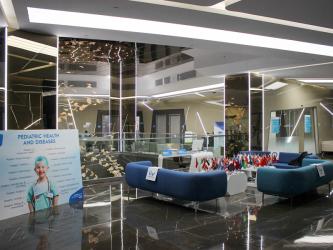
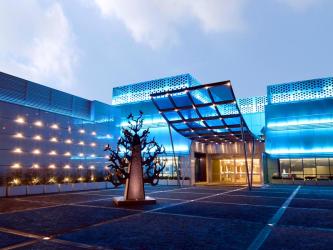
LIV Vadistanbul
Istanbul, Turkey
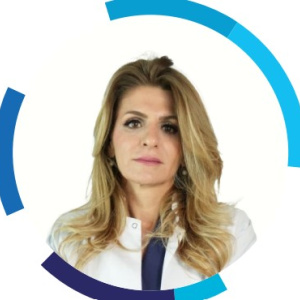
Spec. Dr. Hatice Çil
Spec. Dr. Hatice Çil is a neurologist with 22 years of clinical experience. She completed her medical degree at Ondokuz Mayıs University Faculty of Medicine (2002) and specialized in Neurology at Kırıkkale University (2009). Her expertise encompasses ... Read more
4.4 / 5
4.4(11 Reviews)
Price on request

Certifications :

International Organization for Standardization (ISO) LIV Ulus
AOSpine International — Global Spine Care Organization LIV Ulus
TÜV SÜD ISO 9001:2008 - Quality Management Certification LIV Ulus
JCI - Joint Commission International LIV Ulus
LIV Ulus
Istanbul, Turkey
Prof. Dr. Nimet Dörtcan
Prof. Dr. Nimet Dörtcan is a neurologist with 19 years of clinical experience. Trained at Marmara University Faculty of Medicine and specialized in neurology at PTT Training and Research Hospital (2000-2004). Expert in clinical neurophysiological ... Read more
4.7 / 5
4.7(1 Reviews)
Price on request

Certifications :

JCI - Joint Commission International HISAR INTERCONTINENTAL
TÜV SÜD ISO 9001:2008 - Quality Management Certification HISAR INTERCONTINENTAL
International Organization for Standardization (ISO) HISAR INTERCONTINENTAL
HISAR INTERCONTINENTAL
Istanbul, Turkey
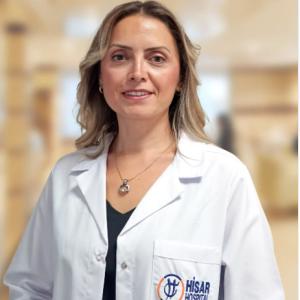
SPEC. GÜLÜMSER KIZILTAŞ TOKMAK, M.D.
Dr. Gülümser Kızıltaş Tokmak is a neurologist with approximately 23 years of clinical experience. She completed her medical training at Istanbul Cerrahpaşa University and specialized in neurology at Okmeydanı Hospital, with a Master's degree in ... Read more
Prof. Dr. Nimet Dörtcan, M.D
Prof. Dr. Nimet Dörtcan is an associate professor of neurology with over 20 years of clinical experience. She completed her medical training at Marmara University and specialized in neurology and clinical neurophysiology at Istanbul University. She holds ... Read more

4.4 / 5
4.4(220 Reviews)
Price on request

Certifications :

TÜV SÜD ISO 9001:2008 - Quality Management Certification ACIBADEM
JCI - Joint Commission International ACIBADEM
International Organization for Standardization (ISO) ACIBADEM
ACIBADEM
Istanbul, Turkey
Dr. Ayşe Sagduyu Kocaman
Dr. Ayşe Sagduyu Kocaman is a full professor of neurology with over 30 years of clinical experience. She graduated from Hacettepe Faculty of Medicine (1985) and completed neurology specialization at Ege University (1991). Her expertise encompasses emergency ... Read more
4.6 / 5
4.6(171 Reviews)
Price on request

Certifications :

TÜV SÜD ISO 9001:2008 - Quality Management Certification MEMORIAL Şişli
JCI - Joint Commission International MEMORIAL Şişli
International Organization for Standardization (ISO) MEMORIAL Şişli
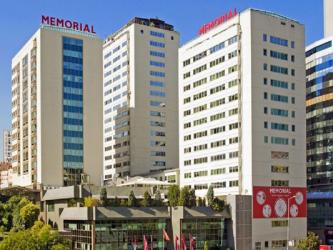
MEMORIAL Şişli
Istanbul, Turkey
Sinan Çomu
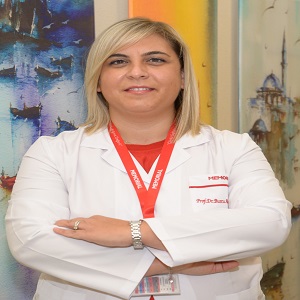
Sinan Çomu is a Turkish neurologist with 20 years of experience in pediatric neurological disorders. Graduate of Istanbul University with specialization at Pittsburgh and Memorial Şişli, he is a member of the Turkish Society of Neurology and the Society of ... Read more
Selvinaz EDİZER
Main specialty : Pediatric Neurology Years of experience : 8 years. Significant training : Medical Doctor Training (2001 - 2007),Pediatric Specialty Training (2008 - 2013),Pediatric Neurology Subspecialty Training (2015 - 2019) Mastered techniques : ... Read more
4.5 / 5
4.5(34 Reviews)
Price on request

Certifications :

TÜV SÜD ISO 9001:2008 - Quality Management Certification MEMORIAL ANKARA
JCI - Joint Commission International MEMORIAL ANKARA
International Organization for Standardization (ISO) MEMORIAL ANKARA
MEMORIAL ANKARA
Ankara, Turkey
4.3 / 5
4.3(2 Reviews)
Price on request

Certifications :

TÜV SÜD ISO 9001:2008 - Quality Management Certification MEMORIAL Bahçelievler
Leed Platinium Certificate MEMORIAL Bahçelievler
International Organization for Standardization (ISO) MEMORIAL Bahçelievler
JCI - Joint Commission International MEMORIAL Bahçelievler
MEMORIAL Bahçelievler
Istanbul, Turkey
4.3 / 5
4.3(23 Reviews)
Price on request

Certifications :

JCI - Joint Commission International NP BRAIN
International Organization for Standardization (ISO) NP BRAIN
NP BRAIN
Istanbul, Turkey
Assoc. Prof. Dr. Barıs Metin
Assoc. Prof. Dr. Barıs Metin is a neurologist with expertise in clinical neurology and neuroimaging. He graduated from Cerrahpaşa Faculty of Medicine (2004) and completed neurology specialization (2009). He holds a PhD in psychology from Ghent University ... Read more
4.7 / 5
4.7(4 Reviews)
Price on request

Certifications :

JCI - Joint Commission International Florence Nightingale
TÜV SÜD ISO 9001:2008 - Quality Management Certification Florence Nightingale
Florence Nightingale
Istanbul, Turkey
Dr. Barış Topçular
Dr. Barış Topçular is a neurologist with over 17 years of experience since 2006, specializing in neurodegenerative diseases, dementia, Parkinson's disease, and migraine. Graduate of Cerrahpaşa Faculty of Medicine, Istanbul University, he completed ... Read more
4.7 / 5
4.7(10 Reviews)
Price on request

Certifications :

TÜV SÜD ISO 9001:2008 - Quality Management Certification AMERICAN HOSPITAL
International Organization for Standardization (ISO) AMERICAN HOSPITAL
JCI - Joint Commission International AMERICAN HOSPITAL
AMERICAN HOSPITAL
Istanbul, Turkey
4.7 / 5
4.7(5 Reviews)
Price on request

Certifications :

Turkish Medical Association MOODIST
MOODIST
Istanbul, Turkey
4.7 / 5
4.7(3 Reviews)
Price on request

Certifications :

JCI - Joint Commission International MEMORIAL Antalya
International Organization for Standardization (ISO) MEMORIAL Antalya
TÜV SÜD ISO 9001:2008 - Quality Management Certification MEMORIAL Antalya
MEMORIAL Antalya
Antalya, Turkey
4.7 / 5
4.7(1 Reviews)
Price on request

You have consulted 7 / 12 Hospitals

Related medical articles

Everything you will need for your medical trip

Medical opinion and estimates

Expert opinions and cost estimates

Pre-trip consultations

Understand your procedure before traveling.

Visa assistance

We assist our patients in obtaining their visas from the consulates.

Translation of your medical reports

We guarantee free and certified translation of your medical documents from all languages.

VIP Transport

Your transfers will be provided from the airport and your hotel.

Continuous Follow-up

You will be assisted by your attending doctor even after returning to your country, via videos or messages.

Experiences of our patients – Turquie Santé

Emily White : Medical Content Team Manager at Turquie Santécheck

Written by

Emily White

This content complies with the editorial policy of Turquie Santé. It was written by Emily White, Head of the Editorial Team, who has over 11 years of experience in scientific research and clinic management in Turkey. She ensures the reliability of medical information while making complex data accessible to everyone.
Neurology FAQ in Turkey

Is it safe to undergo neurological surgery in Turkey?

The safety of neurological surgery depends on the choice of institution and the medical indication. Specialized centers in Turkey are equipped with modern technology and follow protocols aligned with international standards. A comprehensive medical evaluation is conducted before any procedure to assess benefits and risks.

How much does neurological treatment cost in Turkey?

Costs vary depending on the condition and the required examinations, but neurological care in Turkey is often more affordable than in other countries, with significant savings on consultations, MRI, EEG, and specialized procedures. Prices are determined after reviewing the medical file.

Which clinics are best known for neurology in Turkey?

Several hospitals specializing in neurosciences are well recognized in Turkey, including:

  • Florence Nightingale Hospitals
  • Memorial Şişli Hospital
  • Liv Hospital Vadistanbul

Mainly located in Istanbul, these institutions provide diagnosis, treatment, and neurological follow-up for local and international patients.

Is a medical referral required to consult a neurologist in Turkey?

No, a referral is generally not mandatory. International patients can consult a neurologist directly. However, it is recommended to provide a medical summary and recent test results (MRI, CT scan, laboratory tests) to facilitate evaluation and treatment planning.

Share this page

Our assistants help you to get the best options in Neurology