





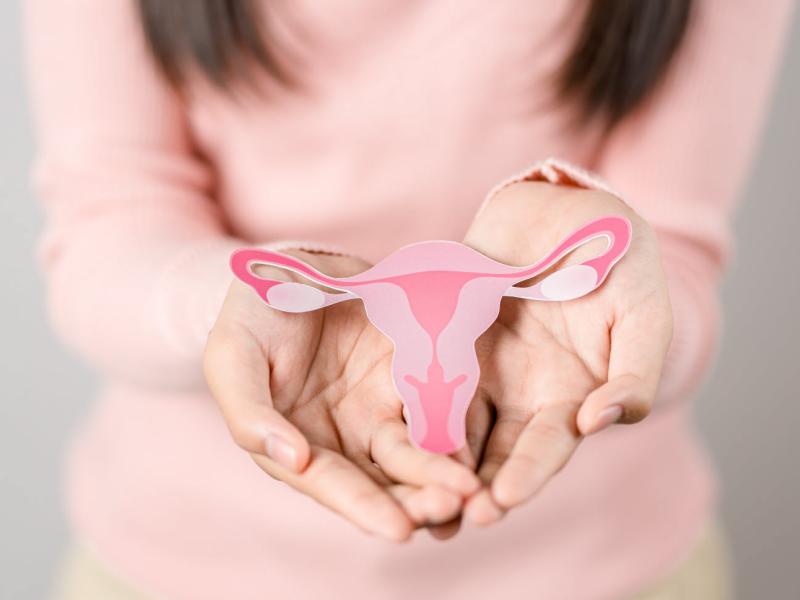
A hysterectomy involves the removal of the uterus but does not necessarily require the removal of the ovaries. When medically appropriate, particularly for premenopausal women with healthy ovaries and no reason to remove them, preserving the ovaries is generally preferred. However, certain conditions, such as gynecological cancers, an increased genetic risk of ovarian cancer, or severe endometriosis, may make ovary removal necessary.
Preserving or removing the ovaries can significantly affect hormonal balance and long-term health, including bone and cardiovascular health. Removing both ovaries before natural menopause causes an abrupt hormonal decline and immediate surgical menopause.
If you are considering a hysterectomy in Turkey, ovarian preservation should be discussed during your preoperative consultation with your gynecologist. The decision depends on your age, medical history, the condition being treated, and your individual risk factors.
Hysterectomy and ovaries: What's the difference?
A hysterectomy involves removing the uterus, while an oophorectomy involves removing one or both ovaries. An adnexectomy generally refers to the removal of an ovary and its associated fallopian tube. These are distinct procedures that can be performed separately or together during the same operation.
- Total hysterectomy: Removal of the uterus, including the cervix.
- Subtotal hysterectomy: removal of the uterine body while preserving the cervix.
- Hysterectomy with ovarian preservation: removal of the uterus while keeping one or both ovaries in place.
- Hysterectomy with salpingo-oophorectomy: removal of the uterus together with one or both ovaries and their corresponding fallopian tubes.
Even after a hysterectomy, preserved ovaries continue to play an important hormonal role. Although menstruation stops and natural pregnancy is no longer possible, functioning ovaries generally continue to produce hormones, including estrogen and progesterone. These hormones contribute to bone health and other essential bodily functions. Therefore, preserving the ovaries generally prevents the abrupt hormonal decline associated with immediate surgical menopause in premenopausal women.
Can ovaries be preserved during a hysterectomy?
Yes. When the pathology being treated is benign and there is no medical reason to remove them, ovarian preservation is generally preferred, especially in premenopausal women. Current medical recommendations in gynecology advocate for preserving ovaries in patients at medium risk without specific indications for their removal.
When preservation is often preferred
Preservation is often recommended in cases of:
- Uterine fibroids, when the ovaries are healthy.
- Adenomyosis, if no other indication justifies their removal.
- Heavy uterine bleeding resistant to treatments, when hysterectomy is indicated.
- Pelvic organ prolapse, when hysterectomy is part of the treatment.
- Certain forms of endometriosis, depending on the location and extent of the lesions.
Preservation is particularly important to discuss in young women, as ovarian hormones contribute to bone health and general well-being. The choice also depends on the condition of the ovaries, personal and family history, and individual cancer risk. Even when ovaries are preserved, their function may sometimes decline earlier after surgery.
When removal is recommended
The removal of one or both ovaries may be considered when the expected benefits outweigh the risks associated with the loss of their hormonal function. Depending on the diagnosis, the situations concerned may include:
- Ovarian, fallopian tube, or endometrial cancer (depending on type and stage).
- High-risk genetic mutation (BRCA1, BRCA2, Lynch syndrome): preventive removal is discussed at an age appropriate for the mutation, with an onco-geneticist.
- Severe endometriosis involving the ovaries (endometriomas), when lesions cannot be treated otherwise.
- Suspicious ovarian mass or complex cyst.
- Pelvic abscess or severe infection affecting the ovary.
- Already damaged ovaries (torsion, extensive lesions).
These situations do not all systematically justify the removal of both ovaries. The decision depends on the diagnosis, the possibility of preserving tissues, and the specific risks for each patient.
Special cases
- After menopause: Ovaries produce very little hormone. Their removal may be discussed to reduce the risk of ovarian cancer, weighing the benefits, risks, and general condition.
- Early cancers in a young woman (cervical, endometrial): Ovarian preservation may sometimes be discussed by an oncology team, depending on the type, grade, and stage. It is never systematic.
- In the presence of a family history of breast or ovarian cancer: an onco-genetic consultation can help clarify individual risk and determine if specific preventive measures are indicated.
What happens if the ovaries are preserved?
Preserving your ovaries means keeping your body's hormonal "engine" active. While hysterectomy ends fertility and menstruation, it does not plunge you into menopause overnight: your body continues to benefit from its natural hormones.
Main advantages:
- Maintained hormone production: If both ovaries function normally, you avoid immediate surgical menopause linked to their removal, which can cause hot flashes and mood swings.
- Long-term health benefits: Ovarian hormones contribute to maintaining bone health and cardiovascular health.
Limitations to be aware of:
- Menopause may occur slightly earlier: Some studies suggest that ovarian function may decline earlier after hysterectomy, even with preserved ovaries.
- Without menstruation, menopause is harder to detect: You need to monitor hot flashes, sleep disturbances, and vaginal dryness.
- Ovaries remain exposed to cysts or ovarian disease, which may require monitoring or even subsequent surgery.
- The risk of ovarian cancer is not eliminated. There is no reliable screening for the general population: any persistent symptom (pelvic pain, bloating, unusual digestive issues) should be reported.
What happens if the ovaries are removed?
Removing both ovaries (bilateral oophorectomy) before menopause abruptly stops hormone production. The body then enters immediate surgical menopause.
A sudden hormonal change
Unlike natural menopause, which sets in very gradually, symptoms can appear overnight and be more intense:
- Physical symptoms: hot flashes, night sweats, and vaginal dryness.
- Quality of life: sleep disturbances, mood swings, and decreased libido.
- Long-term health: faster bone loss and reduced cardiovascular protection.
The medical response: Hormone therapy (HT)
To alleviate these symptoms and protect your health, hormone replacement therapy (HRT) may be offered:
- Simplified treatment: Since the uterus has been removed, the treatment generally consists of estrogen alone (without the need to add progesterone).
- Individualized assessment: It is strongly recommended for young women, unless contraindicated (such as a history of hormone-dependent cancer).
What about the fallopian tubes? Opportunistic salpingectomy
During a hysterectomy with ovarian preservation, the surgeon may suggest removing only the fallopian tubes: this is called opportunistic salpingectomy.
Why remove the tubes while keeping the ovaries?
- Cancer prevention: Recent scientific research shows that a large proportion of so-called "ovarian" cancers actually originate in the lining of the fallopian tubes.
- Intact hormonal preservation: Removing the tubes does not impact hormone production by the ovaries. You retain all the benefits of your ovaries while potentially reducing the risk of future ovarian cancer.
This option is not systematically applicable to all patients. It is one of the trade-offs to discuss with your surgeon-gynecologist during the pre-operative consultation.
How to decide? Criteria to discuss
| Criterion | What the doctor evaluates |
| Age / Hormonal status | Before or after menopause |
| Condition treated | Benign or cancerous, stage, type |
| Appearance of ovaries | Examination, ultrasound, MRI, pre-operative assessment |
| Family history | Breast cancer, ovarian cancer, known mutation |
| Hormonal contraindications | History that would limit menopause treatment |
| Patient's wishes | Informed consent |
Questions to ask before surgery:
- Will my ovaries be preserved? Why or why not?
- What will happen if an anomaly is discovered during surgery? What is my decision in advance?
- Should I undergo genetic testing?
- What gynecological follow-up will I have after surgery?
- What will be the strategy in case of premature menopause?
Have your decision documented in the consent form. You do not have to accept a decision made without you during the surgery.
How Turquie Santé assists you?
The advantage of going through a specialized team is the ability to discuss ovarian preservation before departure, based on your examinations (ultrasound, MRI, lab tests, potential genetic screening).
Depending on your situation, Turkey Health can assist with:
- Analysis of your medical file and a medical opinion.
- Connecting you with partner specialists in gynecology.
- Organizing examinations.
- Translation of documents and interpreter services.
- Transfers, accommodation, and support during your stay.
- Coordination of follow-up after your return.
A medical opinion can verify if hysterectomy is indicated, what alternatives exist, and if ovarian preservation is feasible in your case.

"Medical journalist specializing in science communication, I put my expertise at the service of clear and accessible information. For Turquie Santé, I create content based on up-to-date medical data, in collaboration with specialists from partner clinics. My commitment is to provide reliable, transparent information that complies with international medical standards."
Need a personalized medical opinion?
Our partner doctors reply online within 24h, free of charge.