


Turquie Santé
Last update : 13/05/2026
Advertiser disclosure

Addiction Treatment in Turkey | Comprehensive Detoxification & Recovery

Find the best clinics
Addiction treatment Turkey
884+
patient reviews
Patient icon
600K+
Requests received since 2018
Clinique icon
31
Clinics
Trustpilot icon
4.6
Ville icon
5
Cities
Docteurs icon
2K+
Recognized doctors

Why choose Addiction treatment with Turquie Santé ?

Chirurgien icon

Expert surgeons and JCI certified hospitals

Économie icon

Prices 35% to 50% cheaper than in Europe

Organisation icon

Medical stay organized from A to Z

Prix icon

Direct prices without commission

Résultat icon

Free assistance

All about your Addiction treatment in Turkey
Overview
Benefits
Payment

Verified reviews : 814

Processed requests : 680

Highly qualified professionals in accredited institutions.


We assist you before, during, and after your trip


Book with full transparency, no hidden fees or commissions.

You will pay your clinic directly using these available methods:
Transfer

Verified testimonials from our patients

How it works ?

2
Services
We look for the best option for your case & budget
3
Hospital
Evaluating a care plan with the best quote
4
airplane
Making appointments & Organization of your trip
5
Health care
Ongoing support until you return home

A Free consultation is your first step in your health journey.

Get a free medical opinion on Addiction treatment with our 31 Recognized Clinics

Certifications :

Turkish Medical Association MOODIST
MOODIST
Istanbul, Turkey
Asst. Prof. Sıtar Hezer, M.D.

Asst. Prof. Sıtar Hezer, M.D.

Main specialty : Psychiatry Years of experience : 10 years. Notable training : Doctorate in medicine, specialization in psychiatry. Mastered techniques : Cognitive-behavioral therapy, psychotherapy, psychiatric assessment. Notable achievements : ... Read more
Dr Jale Mursalova

Dr Jale Mursalova

Main Specialty : Psychiatry Years of Experience : More than 10 years of medical experience. Notable Training : Medical degree from Azerbaijan Medical University (2007),YÖK equivalency in Turkey (2016),specialization in Psychiatry at ... Read more
4.7(3 Reviews)
Price on request

Certifications :

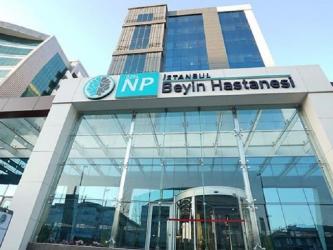
JCI - Joint Commission International NP BRAIN
International Organization for Standardization (ISO) NP BRAIN
NP BRAIN
Istanbul, Turkey
Prof. Dr. Nesrin Dilbaz

Prof. Dr. Nesrin Dilbaz

Prof. Dr. Ahmet Fatih Parmaksızoglu

Prof. Dr. Ahmet Fatih Parmaksızoglu

4.7(4 Reviews)
Price on request

Among our doctors

Everything you will need for your medical trip

Medical opinion and estimates

Expert opinions and cost estimates

Pre-trip consultations

Understand your procedure before traveling.

Visa assistance

We assist our patients in obtaining their visas from the consulates.

Translation of your medical reports

We guarantee free and certified translation of your medical documents from all languages.

VIP Transport

Your transfers will be provided from the airport and your hotel.

Continuous Follow-up

You will be assisted by your attending doctor even after returning to your country, via videos or messages.

Experiences of our patients – Turquie Santé

Emily White : Editorial Team Lead at Turquie Santécheck

Written by

Emily White

This content complies with the editorial policy of Turquie Santé. It was written by Emily White, Head of the Editorial Team, who has over 11 years of experience in scientific research and clinic management in Turkey. She ensures the reliability of medical information while making complex data accessible to everyone.

What is addictive behavior?

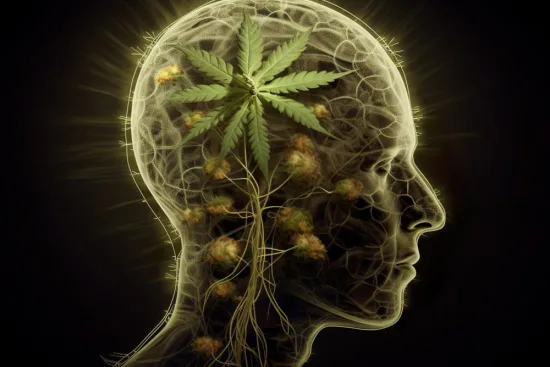
Addictive behavior emerges when the brain's reward system becomes hijacked by a substance or activity. The person loses control, continues despite harm, and experiences intense cravings when access is denied.

This includes chemical addictions (alcohol, opioids, cocaine, methamphetamine, benzodiazepines) and behavioral addictions (gambling, internet use, shopping, sex). The mechanism is similar: repeated exposure alters dopamine pathways, making the brain crave the behavior to feel normal.

Not everyone who uses becomes addicted. Genetic predisposition, stress, trauma, and social environment all play roles. Some people can drink socially for decades; others develop dependence after weeks. That variability is why treatment must be personalized, not one-size-fits-all.

Forms of addiction: Chemical or behavioral?

Addictions split into two broad categories, though they overlap neurologically.

Treatment differs slightly. Chemical addiction requires medical detoxification to manage withdrawal safely. Behavioral addiction focuses more on cognitive restructuring and habit replacement, though both benefit from therapy and community support.

In Turkey's clinics, patients often present with mixed addictions: alcohol plus gambling, or opioids plus internet compulsion. Integrated programs address all simultaneously, not sequentially.

What causes addiction?

Addiction is never just about willpower. It's a biopsychosocial condition shaped by multiple forces.

Understanding these causes helps clinicians in Turkey tailor treatment. A patient with trauma needs trauma therapy alongside detox. One with genetic predisposition may benefit from longer aftercare. Recognizing cause prevents blaming the person and enables compassionate, effective recovery.

Drug addiction: What are the dangers?

Drug use damages nearly every organ system. The timeline and severity depend on the substance, dose, and individual factors, but harm accumulates quickly.

Beyond physical damage, addiction erodes relationships, employment, finances, and self-worth. Many patients report feeling trapped between the need to use and the consequences of using. That psychological suffering is as real as any organ damage and requires professional intervention to resolve.

Detoxification: the first step to recovery

Detoxification is the process of removing toxic substances from the body and managing the resulting withdrawal symptoms. It's medical, not moral, and requires professional supervision.

Withdrawal timelines vary. Alcohol and benzodiazepines peak within 24 to 72 hours but can last weeks. Opioids peak around 48 to 72 hours. Stimulants cause less physical withdrawal but severe psychological cravings. In Turkey's clinics, medications ease symptoms: benzodiazepines for alcohol withdrawal, buprenorphine or methadone for opioids, and antidepressants for mood support.
The goal isn't comfort; it's safety and completion. Medically supervised detox reduces relapse risk by 30 to 40 percent compared to unsupervised attempts. Patients feel supported, monitored, and less likely to abandon the process mid-withdrawal when symptoms peak.

After detoxification, the real work begins: therapy, skill-building, and addressing the psychological drivers of addiction. Detox is the foundation, not the cure.

Addiction treatment in Turkey: Reviews and outcomes

Turkey has emerged as a destination for addiction treatment, with clinics in Istanbul, Ankara, and Izmir offering internationally accredited programs. Costs range from 3,500 to 8,500 EUR for 30 to 90-day stays, significantly lower than comparable programs in Western Europe or North America.

Patients report several advantages. Medical staff speak English and other languages. Facilities are modern, often resembling hotels rather than institutions. The confidentiality is genuine: many clinics use pseudonyms and restrict visitor contact to protect privacy. Aftercare is structured, with online counseling and alumni networks extending support beyond discharge.

Success rates are difficult to compare across clinics because definitions vary. Some measure abstinence at 6 months (typically 45 to 65 percent),and others at 12 months (30 to 50 percent). Long-term recovery depends heavily on post-treatment engagement, not just the clinic itself. Patients who attend aftercare consistently show better outcomes than those who don't.
Reviews mention challenges too: language barriers with some staff, homesickness, and the reality that returning home to the same environment increases relapse risk. Realistic expectations matter. Turkey offers excellent medical care and a structured break from triggers, but it's not a magic cure.

Detox in Turkey: Comfort and confidentiality

Choosing a detox center in Turkey means balancing medical quality with privacy and comfort. Most accredited clinics deliver all three.

Confidentiality is protected by law and practice. Patients can use pseudonyms, restrict visitor access, and request that family contact be limited to scheduled times. Medical records are encrypted. Staff sign confidentiality agreements. This matters enormously for professionals, public figures, and anyone fearing stigma or job loss.

Comfort varies by facility. Budget programs offer basic rooms and group therapy. Mid-range clinics provide private or semi-private rooms, better meals, and recreational activities (yoga, art therapy, outdoor time). Premium centers resemble wellness retreats, with spa services and one-on-one counseling.

The psychiatrists and psychotherapists in Turkey's leading clinics are trained in addiction medicine, often with international certifications. They combine pharmacological support with evidence-based therapies: cognitive-behavioral therapy, motivational interviewing, and family counseling when appropriate. The combination of medical expertise and a supportive environment significantly improves the likelihood of completing treatment and engaging in aftercare.

How do I help a drug addict?

Helping someone with addiction is emotionally exhausting and requires boundaries. Most people in active addiction deny the problem, minimize consequences, and resist help until they hit bottom or face a crisis.

If they're ready for treatment, help them contact a clinic. If they're not, you can't force recovery. What you can do is remain available, maintain your own mental health, and avoid sacrificing your wellbeing for theirs. Support is not the same as enabling.

Addiction treatment FAQ in Turkey

What tests should be carried out before starting addiction treatment?
Before entering a program, clinics typically order blood tests (hepatitis B and C, HIV, liver and kidney function),urinalysis to identify substances in the system, and sometimes a chest X-ray. A psychological assessment screens for co-occurring mental health conditions like depression or bipolar disorder. These results guide medication choices and identify medical complications requiring special attention during detoxification.
How can family members contact me during treatment?
Most Turkish clinics allow family contact on a structured schedule, typically one or two designated call times per week. You can use a pseudonym or code name to protect your privacy. Visits are usually limited to weekends and require advance notice. Some programs offer family therapy sessions where relatives participate in your recovery. All contact is confidential, and your data is protected under medical privacy laws.
What are the different levels of drug addiction severity?
Addiction is classified into four levels: (1) Experimental or recreational use without dependence; (2) Risky use causing physical or psychological complications but not yet meeting dependence criteria; (3) Abuse, characterized by repeated use despite harm and failed attempts to cut back; (4) Severe dependence, where the person experiences withdrawal, tolerance, and compulsive use despite serious consequences. Treatment intensity increases with severity level.
How long does addiction treatment last in Turkey?
Programs typically range from 30 to 90 days. A 30-day program suits those with mild to moderate addiction, stable housing, and strong family support. 60 to 90-day programs benefit those with severe addiction, co-occurring mental health issues, or unstable social situations. Some patients extend their stay or transition to outpatient aftercare. Duration depends on individual progress, not a fixed schedule.
Where can I access addiction treatment in Turkey?
Specialized addiction treatment and rehabilitation centers operate in Istanbul, Ankara, and Izmir, with Istanbul being the primary hub. Most are accredited by JCI (Joint Commission International) and employ multilingual medical and psychiatric staff. Clinics range from basic to luxury facilities. Turquie Santé partners with several verified centers and can arrange consultations, facility tours, and personalized program recommendations based on your needs and budget.
What is the life expectancy of someone with active drug addiction?
Life expectancy for people with untreated severe addiction ranges from 40 to 46 years, roughly 25 to 35 years below the general population. This varies by substance: opioid users face higher overdose risk, while alcohol-dependent individuals often develop fatal liver disease. However, recovery dramatically improves outcomes. Those who complete treatment and maintain sobriety can expect normal or near-normal lifespans, especially if they address co-occurring health conditions.
Share this page

Our assistants help you to get the best options in Addiction treatment