

Turquie Santé
Last update : 11/05/2026
Advertiser disclosure

Stem Cell Therapy for Infertility in Turkey: Costs, Results & Expert Care

Find the best clinics
Stem cells for infertility treatment Turkey
870+
patient reviews
Patient icon
600K+
Requests received since 2018
Clinique icon
41
Clinics
Trustpilot icon
4.6
Ville icon
5
Cities
Docteurs icon
2K+
Recognized doctors

Infertility affects roughly 15% of couples worldwide, yet many remain unaware that regenerative medicine now offers pathways beyond conventional approaches. Stem cells represent a significant shift in how specialists address the root causes of reproductive challenges, particularly in Turkey where clinics have pioneered protocols combining cellular therapy with personalized medicine.

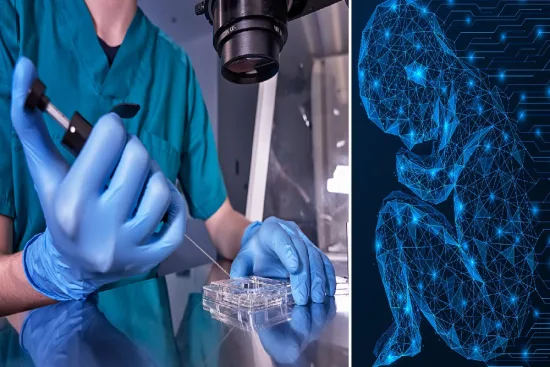
Unlike traditional treatment options, stem cell therapy targets damaged ovarian tissue, depleted egg reserves, or impaired sperm production directly. The mechanism works through cellular differentiation, where harvested adult stem cells (typically from bone marrow or fat tissue) are cultivated and reintroduced to restore function. This approach, still evolving, has shown promise in clinical observations across multiple fertility centers in Istanbul and Ankara.

What makes Turkey particularly attractive isn't just accessibility but the concentration of clinics offering JCI-certified protocols at transparent pricing. Cost considerations matter deeply, and the gap between European and Turkish facilities is substantial, yet quality remains comparable. Patients report varying timelines: some experience menstrual cycle resumption within three months, others require extended observation periods.

The emotional weight of infertility cannot be understated. Many couples describe initial skepticism about cellular therapy, then gradual openness as they encounter documented cases of successful pregnancies. Results remain nuanced, however. Success isn't guaranteed, and realistic expectations are essential before committing to any protocol in Turkey or elsewhere.

Cost of Stem Cell Treatment for Infertility in Turkey

Pricing for stem cell infertility treatment in Turkey reflects the complexity of the protocol and the expertise required. A single treatment cycle, including stem cell extraction, laboratory cultivation, and injection, typically ranges from $3,800 to $10,350 USD. This variation depends on several factors: whether bone marrow or fat tissue is harvested (bone marrow aspiration costs slightly less),the number of injection sessions included, and the clinic's certification level (JCI-accredited facilities command premium pricing).

Most comprehensive packages include initial diagnostics, stem cell processing in certified GMP laboratories, one or two injection procedures, and 3-6 months of follow-up monitoring with imaging and hormone assessments. Additional sessions beyond the initial protocol cost $1,600–$3,300 USD each. Medication costs (hormonal support, antibiotics) are typically separate, ranging $220–$545 USD per month.

Compared to European pricing, the savings are substantial. The same protocol in France, Germany, or Switzerland costs $13,080–$19,620 USD, reflecting higher labor and facility costs. Turkish clinics achieve cost efficiency without compromising safety standards; most maintain JCI accreditation and employ internationally trained reproductive specialists. Payment plans and medical tourism packages are widely available, often bundling accommodation and airport transfers. Patients should request itemized quotes and verify that all laboratory certifications are current before committing financially.


Why choose Stem cells for infertility treatment with Turquie Santé ?

Chirurgien icon

Expert surgeons and JCI certified hospitals

Économie icon

Prices 35% to 50% cheaper than in Europe

Organisation icon

Medical stay organized from A to Z

Prix icon

Direct prices without commission

Résultat icon

Free assistance

All about your Stem cells for infertility treatment in Turkey
Overview
Alternative care
Benefits
Payment

Verified reviews : 800

Processed requests : 552

Intervention or treatment's duration :

The stem cell extraction and injection procedure itself requires approximately 15-20 minutes in the operating room. However, the complete treatment protocol spans several weeks to months, as cellular therapy often involves multiple sessions spaced 2-3 weeks apart to optimize tissue regeneration.

Follow-up monitoring continues for 6-12 months post-treatment to assess menstrual cycle restoration, ovulation resumption, or sperm parameter improvements.

Alternative treatments

Couples seeking fertility solutions have several established options. In vitro fertilization (IVF) remains the gold standard for many conditions, with success rates varying by age and egg quality. Surgical sperm extraction (TESE, TESA) is effective for obstructive azoospermia. Intrauterine insemination (IUI) suits certain male factor cases. Adoption and surrogacy represent alternative paths to parenthood.

  • In vitro fertilization (IVF) with conventional protocols
  • Intracytoplasmic sperm injection (ICSI)
  • Surgical sperm extraction techniques
  • Hormone replacement therapy for ovarian support

Highly qualified professionals in accredited institutions.


We assist you before, during, and after your trip


Book with full transparency, no hidden fees or commissions.

You will pay your clinic directly using these available methods:
Transfer

Verified testimonials from our patients

How it works ?

2
Services
We look for the best option for your case & budget
3
Hospital
Evaluating a care plan with the best quote
4
airplane
Making appointments & Organization of your trip
5
Health care
Ongoing support until you return home

Get a free medical opinion on Stem cells for infertility treatment with our 41 Recognized Clinics

Certifications :

TÜV SÜD ISO 9001:2008 - Quality Management Certification LIV Ulus
JCI - Joint Commission International LIV Ulus
AOSpine International — Global Spine Care Organization LIV Ulus
Eurocrine — Endocrine Surgery Quality Registry LIV Ulus
LIV Ulus
Istanbul, Turkey
Op. Dr. Seyfettin Özvural

Op. Dr. Seyfettin Özvural

Main Specialty : Gynecology Years of Experience : 10 years. Notable Trainings : 2023 – İstinye University, Stem Cell and Tissue Engineering; 2009-2013 – İzmir Ege Maternity Hospital, Obstetrics and Gynecology Department; 2002-2008 – Celal ... Read more
Dr. Kübra Karakolcu

Dr. Kübra Karakolcu

Main Specialty : Gynecology and Obstetrics Notable Trainings : Tepecik Training and Research Hospital, Istanbul Faculty of Medicine, Heidelberg University - Infertility and Reproductive Medicine Clinic, Agaplesion General Hospital Hagen - ... Read more
4.7(1 Reviews)
Price on request

Certifications :

TÜV SÜD ISO 9001:2008 - Quality Management Certification LIV Vadistanbul
SRC — Center of Excellence (Colorectal Surgery) LIV Vadistanbul
JCI - Joint Commission International LIV Vadistanbul
International Organization for Standardization (ISO) LIV Vadistanbul
LIV Vadistanbul
Istanbul, Turkey
Prof. Dr. Mehmet Serdar Kütük

Prof. Dr. Mehmet Serdar Kütük

Main Specialty : Gynecology and Obstetrics Years of Experience : 8 years. Notable Trainings : Ege University Faculty of Medicine, İstanbul University, İstanbul Faculty of Medicine, Department of Obstetrics and Gynecology Mastered Techniques : ... Read more
Dr. Altuğ Semiz

Dr. Altuğ Semiz

Main Specialty : Gynecology and Obstetrics Years of Experience : 19 years. Notable Training : İÜ: Cerrahpaşa Faculty of Medicine, Okmeydanı Education Research – Obstetrics and Gynecology Mastered Techniques : Endoscopic surgery, Robotic ... Read more
4.4(10 Reviews)
Price on request

Certifications :

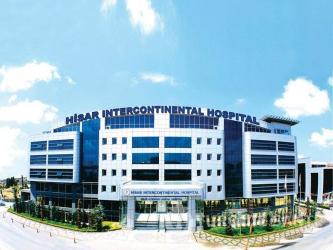
JCI - Joint Commission International HISAR INTERCONTINENTAL
TÜV SÜD ISO 9001:2008 - Quality Management Certification HISAR INTERCONTINENTAL
International Organization for Standardization (ISO) HISAR INTERCONTINENTAL
HISAR INTERCONTINENTAL
Istanbul, Turkey
Esra TUŞTAŞ HABERAL, MD

Esra TUŞTAŞ HABERAL, MD

Main specialty: Gynecology and obstetrics Years of experience: Over 25 years Notable training: Medical degree, University of Istanbul (1997); specialization in gynecology-obstetrics, University of Istanbul, Cerrahpaşa Notable achievements: ... Read more
Dr. Fulya Gökdağlı SAĞIR

Dr. Fulya Gökdağlı SAĞIR

Main Specialty : Gynecology Years of Experience : 17 years. Notable Education : Graduated from the Faculty of Medicine at Istanbul Cerrahpaşa University in 2006, residency in Obstetrics and Gynecology at Medeniyet University from 2007 to 2013, ... Read more
4.4(218 Reviews)
Price on request

Certifications :

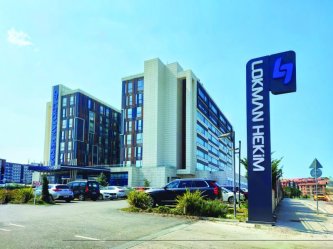
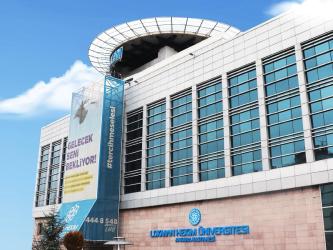
TÜV SÜD ISO 9001:2008 - Quality Management Certification LOKMAN HEKIM Üniversitesi
International Organization for Standardization (ISO) LOKMAN HEKIM Üniversitesi
LOKMAN HEKIM Üniversitesi
Ankara, Turkey
Prof. Dr. Veysel Ozan TANIK

Prof. Dr. Veysel Ozan TANIK

Prof. Dr. Hatice Çelik

Prof. Dr. Hatice Çelik

Main Specialty : Gynecology Years of Experience : 15 years. Notable Training : Istanbul University Cerrahpasa, Faculty Of Medicine (1996-2002),Ankara University, Obstetrics and Gynecology (2002-2007) Mastered Techniques : Management of high-risk ... Read more
4.7(1 Reviews)
Price on request

Certifications :

JCI - Joint Commission International MEMORIAL Şişli
TÜV SÜD ISO 9001:2008 - Quality Management Certification MEMORIAL Şişli
International Organization for Standardization (ISO) MEMORIAL Şişli
MEMORIAL Şişli
Istanbul, Turkey
Prof. Dr. TONGUÇ İŞKEN

Prof. Dr. TONGUÇ İŞKEN

Prof. Dr. Ramazan GÜN

Prof. Dr. Ramazan GÜN

4.5(34 Reviews)
Price on request

Certifications :

TÜV SÜD ISO 9001:2008 - Quality Management Certification LOKMAN HEKIM ISTANBUL
International Organization for Standardization (ISO) LOKMAN HEKIM ISTANBUL
JCI - Joint Commission International LOKMAN HEKIM ISTANBUL
LOKMAN HEKIM ISTANBUL
Istanbul, Turkey
Dr. Sevde ÇETİNKAYA

Dr. Sevde ÇETİNKAYA

Main Specialty : Gynecology Years of Experience : 5 years. Notable Trainings : İstanbul University Cerrahpaşa Medical Faculty, Kanuni Sultan Süleyman Training and Research Hospital, İstanbul Başakşehir Çam and Sakura City ... Read more
Assoc. Prof. Dr. Alaattin Ozturk m.d

Assoc. Prof. Dr. Alaattin Ozturk m.d

4.7(61 Reviews)
Price on request

Certifications :

TÜV SÜD ISO 9001:2008 - Quality Management Certification MEMORIAL ANKARA
JCI - Joint Commission International MEMORIAL ANKARA
International Organization for Standardization (ISO) MEMORIAL ANKARA
MEMORIAL ANKARA
Ankara, Turkey
Op. Dr. İlker ÇÖMEZ

Op. Dr. İlker ÇÖMEZ

PROF.DR.SEMRA KAHRAMAN

PROF.DR.SEMRA KAHRAMAN

4.3(2 Reviews)
Price on request

Certifications :

International Organization for Standardization (ISO) MEMORIAL Bahçelievler
JCI - Joint Commission International MEMORIAL Bahçelievler
Leed Platinium Certificate MEMORIAL Bahçelievler
TÜV SÜD ISO 9001:2008 - Quality Management Certification MEMORIAL Bahçelievler
MEMORIAL Bahçelievler
Istanbul, Turkey
PROF.DR.MUSTAFA KÜRKLÜ

PROF.DR.MUSTAFA KÜRKLÜ

Prof. Dr. Erol SELİMOĞLU

Prof. Dr. Erol SELİMOĞLU

4.3(23 Reviews)
Price on request

Certifications :

JCI - Joint Commission International Florence Nightingale
TÜV SÜD ISO 9001:2008 - Quality Management Certification Florence Nightingale
Florence Nightingale
Istanbul, Turkey
Dr. Banu Bingöl Günenç

Dr. Banu Bingöl Günenç

Main specialty: Gynecology and obstetrics Years of experience: Since 2004 at Florence Nightingale Hospital, Istanbul Notable training: Graduate of the Faculty of Medicine of Istanbul-Cerrahpaşa University (1999); specialization in ... Read more
Price on request

Certifications :

TÜV SÜD ISO 9001:2008 - Quality Management Certification AMERICAN HOSPITAL
JCI - Joint Commission International AMERICAN HOSPITAL
International Organization for Standardization (ISO) AMERICAN HOSPITAL
AMERICAN HOSPITAL
Istanbul, Turkey
Dr. Aylin Pelin Çil

Dr. Aylin Pelin Çil

Main specialty: Obstetrics and Gynecology, reproductive medicine and fertility preservation Years of experience: 28 years Notable training: Graduate of Hacettepe Faculty of Medicine (1997),residency at Zübeyde Hanım Hospital (Ankara),... Read more
Price on request

Certifications :

TÜV SÜD ISO 9001:2008 - Quality Management Certification MEMORIAL Antalya
JCI - Joint Commission International MEMORIAL Antalya
International Organization for Standardization (ISO) MEMORIAL Antalya
MEMORIAL Antalya
Antalya, Turkey
PROF DR ONUR EROL

PROF DR ONUR EROL

Main specialty : Gynecology Years of experience : 15 years. Significant training : Doctorate in medicine, specialization in gynecology. Mastered techniques : Gynecological surgery, obstetric ultrasound. Notable achievements : Publication of ... Read more
4.7(1 Reviews)
Price on request

Certifications :

International Organization for Standardization (ISO) ACIBADEM
JCI - Joint Commission International ACIBADEM
TÜV SÜD ISO 9001:2008 - Quality Management Certification ACIBADEM
ACIBADEM
Istanbul, Turkey
Dr. A.BÜLENT OKTAY

Dr. A.BÜLENT OKTAY

Dr. Ayşe Sagduyu Kocaman

Dr. Ayşe Sagduyu Kocaman

4.6(166 Reviews)
Price on request

You have consulted 7 / 41 Hospitals

Among our doctors

Everything you will need for your medical trip

Medical opinion and estimates

Expert opinions and cost estimates

Pre-trip consultations

Understand your procedure before traveling.

Visa assistance

We assist our patients in obtaining their visas from the consulates.

Translation of your medical reports

We guarantee free and certified translation of your medical documents from all languages.

VIP Transport

Your transfers will be provided from the airport and your hotel.

Continuous Follow-up

You will be assisted by your attending doctor even after returning to your country, via videos or messages.

Experiences of our patients – Turquie Santé

Emily White : Editorial Team Lead at Turquie Santécheck

Written by

Emily White

This content complies with the editorial policy of Turquie Santé. It was written by Emily White, Head of the Editorial Team, who has over 11 years of experience in scientific research and clinic management in Turkey. She ensures the reliability of medical information while making complex data accessible to everyone.

Stem Cells: Hope for Female Infertility

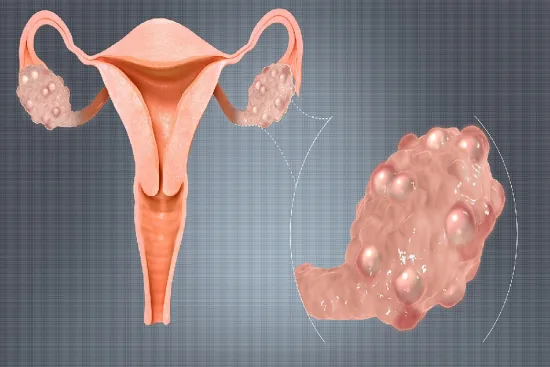
Stem cells possess a remarkable capacity that sets them apart from ordinary tissue cells. They can self-renew indefinitely and differentiate into specialized cell types, making them powerful tools for regenerative medicine. In fertility contexts, researchers focus on how these cells might restore ovarian function, particularly in women facing premature menopause or severely diminished egg reserves.

Adult stem cells, harvested from bone marrow or adipose tissue, avoid the ethical concerns surrounding embryonic sources. When cultured and reintroduced into damaged ovarian tissue, they theoretically stimulate regeneration through paracrine signaling (the release of healing molecules). Clinical observations from Turkish fertility centers report that 20-25% of treated women experience menstrual cycle resumption within three months, though this varies considerably based on age, baseline hormone levels, and tissue damage severity.

The mechanism isn't yet fully understood at the molecular level. What researchers know is that stem cells secrete anti-inflammatory factors and growth compounds that may awaken dormant follicles or improve endometrial receptivity. However, results remain inconsistent, and long-term safety data continues to accumulate. This is regenerative medicine in its adolescence, not yet mature, which is why patient selection and realistic counseling matter profoundly.

Stem Cell Injection Process in Turkey

Turkish fertility clinics have standardized a multi-stage protocol that balances efficiency with personalized adaptation. The journey begins with comprehensive diagnostics: hormonal panels, imaging, and genetic screening if indicated. This assessment phase typically takes 1-2 weeks and determines whether a patient qualifies for cellular therapy.

Stage 1: Stem Cell Extraction. Bone marrow aspiration or liposuction harvests autologous (patient's own) stem cells under local anesthesia. The procedure takes 20-30 minutes. Patients report mild discomfort rather than pain, with minimal downtime.

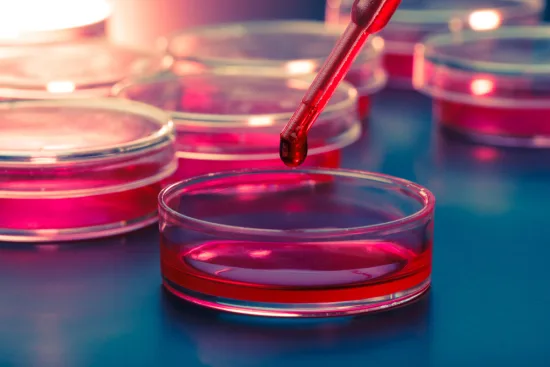
Stage 2: Laboratory Cultivation — Extracted cells are isolated, cultured, and expanded over 2-3 weeks in certified GMP laboratories. Cell viability and sterility are rigorously tested.

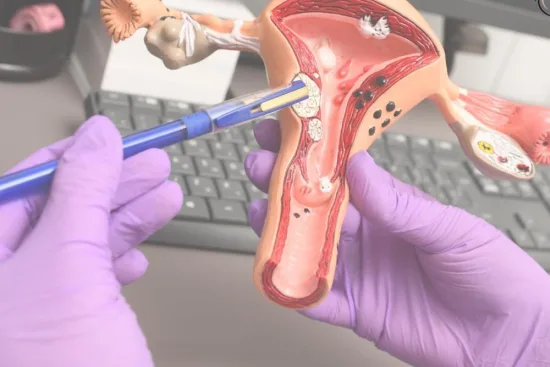
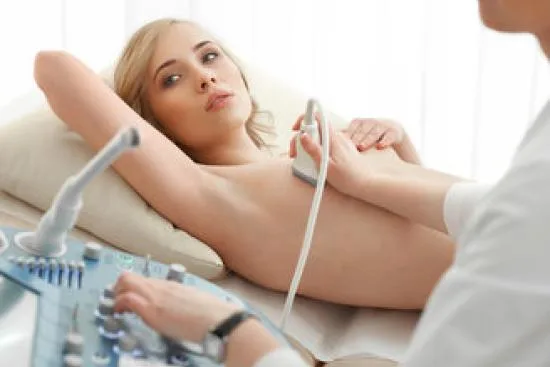
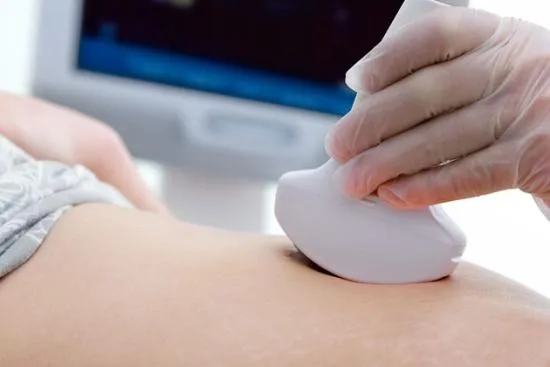
Stage 3: Injection — Cultured stem cells are reintroduced directly into ovarian tissue (for women) or testicular tissue (for men) via ultrasound or laparoscopic guidance. This 15-20 minute procedure is performed under light sedation.

Post-injection, patients rest for 24-48 hours before resuming light activities. Many clinics recommend a second or third injection cycle spaced 3-4 weeks apart to maximize regenerative potential. Throughout, patients receive detailed imaging and hormone monitoring to track tissue response. This structured approach, common across JCI-accredited Turkish facilities, prioritizes safety and measurable outcomes.

Post-operative Follow-up and Recovery

Recovery from stem cell injection is notably gentler than surgical alternatives. Most patients experience only mild cramping or localized discomfort for 24-72 hours. Bruising at the extraction site (if bone marrow was harvested) typically resolves within 1-2 weeks. Full return to normal activities, including exercise, is usually possible within 3-5 days.

The real timeline, however, extends far beyond immediate recovery. Tissue regeneration unfolds over weeks and months. Clinics in Turkey recommend structured follow-up: hormonal assessments at weeks 4, 8, and 12; ultrasound imaging to evaluate follicle development or endometrial thickness; and detailed patient diaries tracking menstrual patterns or other fertility markers. This data guides decisions about repeat injections or complementary treatments.

Psychological support matters equally. Patients often experience hope mixed with uncertainty during this waiting period. Some report renewed menstrual cycles within 3 months; others see changes only after 6-9 months. A minority experience no measurable change, which requires honest conversation about next steps. Turkish clinics increasingly pair cellular therapy with counseling services to address the emotional complexity of fertility treatment.
Expected Results and Success Indicators

Realistic expectations separate satisfied patients from disappointed ones. Stem cell therapy for infertility is not a guaranteed cure; it is a regenerative intervention with variable outcomes. Data from Turkish fertility centers shows measurable benefits in specific populations, though results differ significantly by condition and individual factors.

For women with ovarian dysfunction: Approximately 20-25% experience menstrual cycle resumption or regularization within 3 months. Around 35-40% show improved hormone profiles (rising FSH, stabilized estradiol). Ovulation resumption occurs in roughly 30% of cases, though not all lead to spontaneous pregnancy. Pregnancy rates post-stem cell therapy range from 15-35%, depending on age, partner sperm quality, and prior treatment history. For men with azoospermia: Sperm reappearance in ejaculate has been documented in 25-45% of non-obstructive cases, with variable motility and morphology. Pregnancy achievement through natural conception or assisted reproduction follows in a subset of these men.

Important caveats: results plateau after 12 months, meaning a delayed response beyond this window is unlikely. Age remains a limiting factor; women over 45 show lower response rates. Prior chemotherapy or severe ovarian scarring reduces success probability. Some patients experience modest improvements (better hormone levels, improved ovarian blood flow) without achieving pregnancy. These partial wins matter clinically but require honest framing during counseling.

Stem Cells for the Treatment of Azoospermia

Azoospermia, the complete absence or severe immaturity of sperm in the ejaculate, affects roughly 1% of men and accounts for 10-15% of male infertility cases. Two distinct forms exist, each with different treatment implications. Obstructive azoospermia results from blocked or absent sperm ducts (vasectomy, congenital absence, infection-related scarring). Non-obstructive azoospermia stems from testicular dysfunction, where sperm production itself is impaired or absent.

Stem cell therapy targets non-obstructive cases specifically. The rationale is compelling: if testicular tissue is damaged but not completely destroyed, stem cells may stimulate dormant germ cells or repair the cellular environment supporting sperm production. Turkish clinics harvest bone marrow or fat-derived stem cells, culture them, and inject them directly into testicular tissue under ultrasound guidance. The procedure mirrors ovarian injection protocols but requires urological expertise.
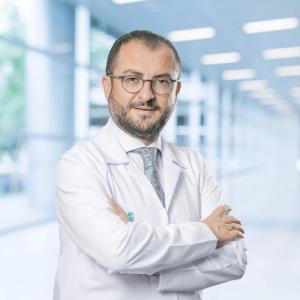
Outcomes in azoospermia are encouraging but variable. Clinical reports from Turkish and international centers document sperm reappearance in 25-45% of treated men within 6-12 months. Sperm parameters (motility, morphology) often remain suboptimal, necessitating ICSI (intracytoplasmic sperm injection) for fertilization. Pregnancy achievement through natural conception is rare; most successes involve assisted reproduction. For obstructive azoospermia, surgical sperm extraction remains the standard, as stem cells cannot bypass physical blockages.

Stem cells for infertility treatment FAQ in Turkey

What specific medical conditions qualify for stem cell infertility treatment?
Stem cell therapy is recommended for women with premature ovarian insufficiency (POI),significantly reduced ovarian reserve, endometriosis-related infertility, or recurrent implantation failure. Men with non-obstructive azoospermia (impaired sperm production) are also candidates. Conditions like Asherman's syndrome (intrauterine adhesions) and thin endometrium may benefit from regenerative approaches. Conversely, obstructive azoospermia, active infections, or severe systemic disease typically exclude patients. A reproductive endocrinologist must evaluate individual cases, as suitability depends on tissue viability, age, and prior treatment responses.
What methods are used to treat infertility with stem cells?
Several complementary approaches exist. Ovarian regeneration involves injecting stem cells directly into ovarian tissue to stimulate follicle activation and hormone production. Endometrial regeneration targets the uterine lining, improving receptivity for embryo implantation. Germ cell production focuses on reawakening dormant egg or sperm precursor cells. Testicular regeneration injects stem cells into damaged testicular tissue to restore spermatogenesis. Gene therapy, still largely experimental, combines stem cells with genetic modifications to enhance therapeutic effects. Turkish clinics typically employ ovarian or testicular injection as primary methods, often combined with hormone support and assisted reproduction techniques.
What precautions should be taken before stem cell therapy?
Comprehensive medical evaluation is mandatory before treatment. This includes detailed reproductive history, hormonal blood work, imaging (ultrasound, sometimes MRI),infectious disease screening (HIV, hepatitis, syphilis),and genetic counseling if indicated. Women should confirm they are not pregnant and have no active gynecological infections. Men require semen analysis and testicular ultrasound. Patients must disclose all medications, supplements, and prior chemotherapy or radiation exposure. Psychological counseling is strongly recommended to ensure realistic expectations and informed consent. Avoid smoking, excessive alcohol, and high-stress situations for 4-6 weeks before treatment, as these factors impair cellular function.
What are the alternatives if stem cell therapy does not produce results?
If stem cell injection does not restore fertility within 12 months, several pathways remain. In vitro fertilization (IVF) with donor eggs or sperm is a proven alternative, with success rates of 35-50% depending on age and embryo quality. Intracytoplasmic sperm injection (ICSI) suits male factor cases where sperm is present but severely impaired. Surgical sperm extraction (TESE, TESA) can retrieve sperm for use with IVF in azoospermia. Gestational surrogacy or adoption represent family-building options outside biological conception. Some patients pursue a combination approach, using stem cell therapy alongside conventional IVF in the same cycle. Honest discussion with your fertility specialist about realistic timelines and backup plans is essential.

How much does stem cell infertility treatment cost in Turkey?
Stem cell infertility treatment in Turkey typically ranges from €3,500 to €9,500 per treatment cycle. This variation reflects the complexity of the protocol, clinic accreditation level, and whether multiple injection sessions are included. A standard package covers stem cell extraction (bone marrow or fat tissue),laboratory cultivation in GMP-certified facilities, one or two injection procedures, and 3-6 months of follow-up monitoring with imaging and hormone assessments. Additional injection cycles cost €1,500-€3,000 each. Medications and hormone support are usually separate (€200-€500 monthly). Compared to France, Germany, or Switzerland (€12,000-€18,000),Turkish pricing offers significant savings without compromising safety or expertise. Most clinics offer payment plans and medical tourism packages including accommodation. Always request itemized quotes and verify laboratory certifications before committing.
Share this page

Our assistants help you to get the best options in Stem cells for infertility treatment