



Turquie Santé
Last update : 19/05/2026
Advertiser disclosure

Treatment of amphetamine addiction and dependence: Information & costs in Turkey

Find the best clinics
Amphetamine addiction treatment Turkey
85%
Recommendations
872+
patient reviews
Patient icon
600K+
Requests received since 2018
Clinique icon
31
Clinics
Trustpilot icon
4.6
Ville icon
5
Cities
Docteurs icon
2K+
Recognized doctors

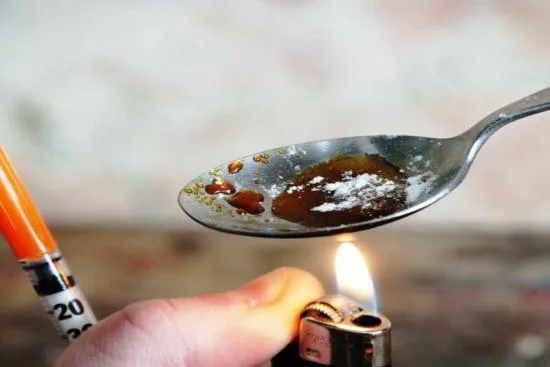
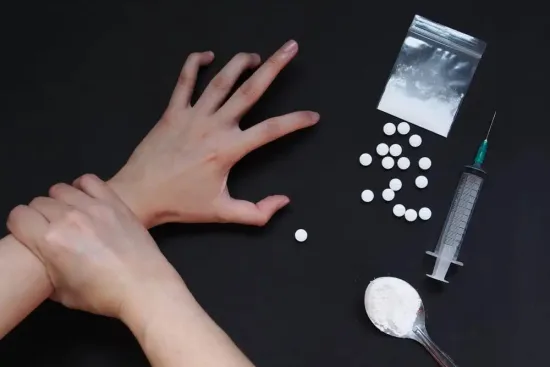
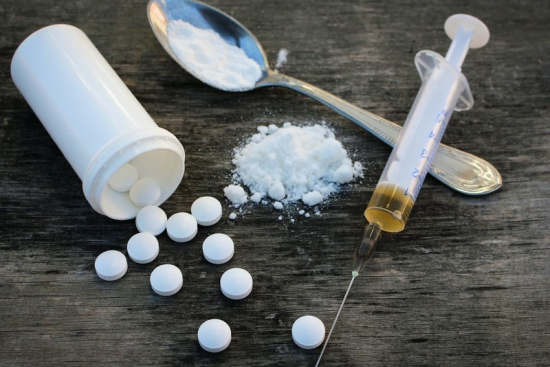
Amphetamines are powerful psychostimulants whose misuse has become a significant public health concern. Regular or prolonged consumption can quickly lead to severe psychological dependence, with serious consequences for mental health, daily functioning, and social stability. Without appropriate medical support, overcoming this addiction is particularly complex.

With Turquie Santé, patients receive personalized care from experienced psychologists, psychiatrists, and medical specialists, ensuring a safe, effective, and lasting recovery.

Take the first step toward a healthier, drug-free life by contacting us today.

How much does amphetamine addiction treatment cost in Turkey?

The cost of amphetamine addiction treatment in Turkey depends on several factors:

  • Length of inpatient stay.
  • Psychiatric complexity.
  • Need for dual-diagnosis treatment.
  • Additional therapies such as TMS or intensive psychotherapy.

For international patients, most comprehensive inpatient rehabilitation programs range between $3,500 and $7,000 for a structured 21-day stay in specialized psychiatric clinics partnered with Turquie Santé.

A similar 21-day private inpatient addiction program typically costs:

  • United Kingdom:  $19,000 - $32,000.
  • France: $9,000 - $20,000.

Some clinics offer phased payment options depending on the treatment plan. Payments are generally made directly to the clinic via bank transfer, with no intermediary commission charged by Turquie Santé.

Patients can also request a free preliminary medical opinion, a personalized treatment estimate, and a confidential pre-admission assessment before making any commitment.

Risks and Side Effects

  • Nausea.
  • Vomiting.
  • Hustle.
  • Confusion.
  • Tremors.
  • Abdominal pain.
Why choose Amphetamine addiction treatment with Turquie Santé ?

Chirurgien icon

Expert surgeons and JCI certified hospitals

Économie icon

Prices 35% to 50% cheaper than in Europe

Organisation icon

Medical stay organized from A to Z

Prix icon

Direct prices without commission

Résultat icon

Free assistance

All about your Amphetamine addiction treatment in Turkey
Overview
Benefits
Payment

Verified reviews : 802

Processed requests : 56

Intervention or treatment's duration :

  • It all depends on the complexity of the patient's case.

Highly qualified professionals in accredited institutions.


We assist you before, during, and after your trip


Book with full transparency, no hidden fees or commissions.

You will pay your clinic directly using these available methods:
Transfer

Verified testimonials from our patients

How it works ?

2
Services
We look for the best option for your case & budget
3
Hospital
Evaluating a care plan with the best quote
4
airplane
Making appointments & Organization of your trip
5
Health care
Ongoing support until you return home

Get a free medical opinion on Amphetamine addiction treatment with our 31 Recognized Clinics

Certifications :

Turkish Medical Association MOODIST
MOODIST
Istanbul, Turkey
Asst. Prof. Sıtar Hezer, M.D.

Asst. Prof. Sıtar Hezer, M.D.

Main specialty : Psychiatry Years of experience : 10 years. Notable training : Doctorate in medicine, specialization in psychiatry. Mastered techniques : Cognitive-behavioral therapy, psychotherapy, psychiatric assessment. Notable achievements : ... Read more
Asst. Prof. Merve Setenay M.D.

Asst. Prof. Merve Setenay M.D.

Main Specialty: Substance Abuse and Addiction Treatment Years of Experience: 12 years. Notable Training: Ondokuz Mayıs University Faculty of Medicine (2005–2011),Psychiatry Residency Training at Erenköy Mental Health and Neurological Diseases ... Read more
Price on request

Certifications :

International Organization for Standardization (ISO) NP BRAIN
JCI - Joint Commission International NP BRAIN
NP BRAIN
Istanbul, Turkey
Prof. Dr. Nesrin Dilbaz

Prof. Dr. Nesrin Dilbaz

Prof. Dr. Ahmet Fatih Parmaksızoglu

Prof. Dr. Ahmet Fatih Parmaksızoglu

4.7(4 Reviews)
Price on request

Among our doctors

Everything you will need for your medical trip

Medical opinion and estimates

Expert opinions and cost estimates

Pre-trip consultations

Understand your procedure before traveling.

Visa assistance

We assist our patients in obtaining their visas from the consulates.

Translation of your medical reports

We guarantee free and certified translation of your medical documents from all languages.

VIP Transport

Your transfers will be provided from the airport and your hotel.

Continuous Follow-up

You will be assisted by your attending doctor even after returning to your country, via videos or messages.

Experiences of our patients – Turquie Santé

Emily White : Editorial Team Lead at Turquie Santécheck

Written by

Emily White

This content complies with the editorial policy of Turquie Santé. It was written by Emily White, Head of the Editorial Team, who has over 11 years of experience in scientific research and clinic management in Turkey. She ensures the reliability of medical information while making complex data accessible to everyone.

What are amphetamines and why is dependence so hard to break alone?

Amphetamines are central nervous system stimulants that work by flooding the brain with dopamine, the neurotransmitter responsible for reward, motivation, and pleasure. This mechanism is why they're effective in treating ADHD (prescribed as dextroamphetamine or lisdexamfetamine) but also why recreational misuse carries a high dependence risk.

According to the 2023 World Drug Report by the United Nations Office on Drugs and Crime (UNODC),amphetamine-type stimulants (ATS),a category that includes speed, crystal meth, and MDMA, are the second most widely used illicit drug class globally, with an estimated 34 million users. Unlike opioids, amphetamine dependence has no approved pharmacological substitute (like methadone or buprenorphine),making behavioral and psychiatric therapy the cornerstone of treatment.

Several prescription and illicit substances fall under the amphetamine family:

Street names include speed, bennies, whiz, crank, glass, and ice (for methamphetamine).

What are the real consequences of long-term amphetamine use?

The consequences of sustained amphetamine misuse are not simply "bad for your health." They follow a recognizable clinical trajectory that addiction specialists in Turkey assess at intake.

Short-term and acute risks:

Long-term effects (chronic use):

The American Society of Addiction Medicine (ASAM) classifies stimulant use disorder as a chronic, relapsing brain disorder, which is why detoxification alone is insufficient. Sustained recovery requires integrated psychiatric care

How do you recognize amphetamine addiction in someone you care about?

Recognizing dependence early changes outcomes. Istanbul's addiction psychiatrists describe three clusters of warning signs that typically precede a formal diagnosis:

Physical signs

Unexplained and rapid weight loss is often the first visible indicator. Other red flags include persistent insomnia followed by "crash" periods of hypersomnia, skin picking or excoriation (stimulant-related),tremors, and jaw clenching or bruxism.

Behavioral signs

Escalating financial problems, erratic work attendance, and social withdrawal are common. A person in active stimulant dependence may alternate between phases of extreme productivity (during intoxication) and near-complete dysfunction (during comedown). Paranoid behavior or inexplicable interpersonal conflicts are often misread as personality issues before the underlying addiction is identified.

Psychological signs

Stimulant-induced psychosis can be frightening for families. Hallucinations, delusional thinking, and intense anxiety during withdrawal are documented clinical features, not behavioral choices. Istanbul's psychiatric units treat these with antipsychotics and benzodiazepines under inpatient supervision, not simply counseling.

How can you help a loved one seek amphetamine addiction treatment?

If someone close to you is struggling with amphetamine dependence, here's what actually helps, and what tends to backfire.

What works:

What tends to backfire:

What does amphetamine addiction treatment actually look like in Istanbul?

This is where Turkey's psychiatric infrastructure stands apart from generic rehab descriptions. The treatment pathway at Turquie Santé's partner clinics follows a structured, multi-phase protocol.

Phase 1: Psychiatric evaluation and medical stabilization (Days 1-3)

On arrival, patients undergo a comprehensive intake assessment: a full blood panel (CBC, metabolic panel, liver and kidney function tests),ECG, neurological screening, and a structured psychiatric interview using validated instruments (the DAST-10 and AUDIT for substance use, and the MINI for comorbid psychiatric diagnoses).

This step is critical because amphetamine dependence rarely exists in isolation. A 2022 meta-analysis in Addiction found that over 60% of patients with stimulant use disorder meet criteria for at least one comorbid psychiatric condition, most commonly depression, ADHD, PTSD, or anxiety disorders. Treatment that ignores these comorbidities has a significantly higher relapse rate.

Phase 2: Medically supervised detoxification (Days 3-14)

Unlike opioid detox, there is no FDA-approved medication specifically for amphetamine withdrawal. However, Istanbul's psychiatrists use a targeted symptom-management approach:

Patients are monitored around the clock during this phase.

Phase 3: Psychological rehabilitation (Days 7-30)

The therapeutic core of the program combines:

Phase 4: Relapse prevention and discharge planning (Final week)

Before discharge, the psychiatric team develops an individualized relapse prevention plan. This includes identifying personal triggers, establishing a post-discharge support structure, and scheduling teleconsultation follow-ups. Turquie Santé coordinates ongoing remote contact with the treating psychiatrist for patients returning abroad.

How do you avoid relapse after completing treatment in Turkey?

Completing a program is the beginning, not the end. The evidence is unambiguous: patients who engage in structured aftercare have significantly lower relapse rates than those who do not. A 2019 Cochrane review on relapse prevention for stimulant use found that combined CBT and continuing care reduced 12-month relapse rates by approximately 30-40% compared to treatment-only interventions.

Practical steps after returning home:

Setbacks are part of the clinical picture for many people. A single relapse episode does not invalidate your treatment, but it does signal the need for rapid re-engagement with your care team. Turquie Santé's post-discharge support line is available 7 days a week.

Is amphetamine addiction treatment in Turkey truly confidential?

This question comes up in almost every initial consultation, and the answer is yes, with specifics worth knowing.

Under Turkish Law No. 3359 and the Patient Rights Regulation, disclosure of any patient information without written consent is a criminal offense, applicable to all staff, including administrative and support personnel. Turquie Santé adds a further layer: your initial inquiry is processed without requiring your legal name, and all coordination is handled through a dedicated case manager who is bound by a non-disclosure agreement.

You will not appear on any publicly accessible registry. Your stay in Istanbul will show in your travel records as a standard medical trip, which it is.

Amphetamine addiction treatment FAQ in Turkey

How long does the effect of amphetamine and methamphetamine last?

Amphetamine usually lasts about four to six hours, while methamphetamine can last eight to 12 hours or more. Methamphetamine is stronger and lasts longer than amphetamine.

What are the possible side effects of amphetamine addiction treatment?

Treatments may cause fatigue, irritability, sleep disturbances, or nausea. Medical supervision allows the protocol to be adjusted and these effects to be managed safely.

Do diet and exercise influence recovery from amphetamine addiction?    

Yes, a balanced diet and regular exercise promote recovery by strengthening the body, improving mood, and reducing stress, which effectively complements addiction treatment.

Is the combination of medication and behavioral therapy effective for amphetamine addiction?    

Yes, combining medication and behavioral therapy is effective in treating amphetamine addiction, reducing withdrawal symptoms and preventing relapse.

What are the signs that a relapse is imminent in amphetamine addiction?    

Common signs include intense cravings, irritability, anxiety, social isolation, increased stress, or changes in routine. Recognizing them early allows for quick intervention to prevent relapse.

Share this page

Our assistants help you to get the best options in Amphetamine addiction treatment