

Turquie Santé
Last update : 22/10/2026

Ophthalmology treatments in Turkey: Advanced eye care & vision correction

Access internationally recognized healthcare with substantial savings compared with European prices.

Get a free quote
Ophthalmology Turkey
793+
patient reviews
across all procedures

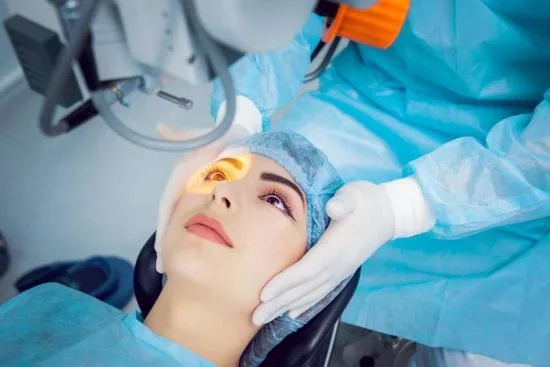
Blurred vision, cataracts, glaucoma, or years of dependence on glasses and contact lenses can affect daily life at any age. For eye surgery in Turkey, including vision correction, LASIK and cataract surgery, patients have access to a range of diagnostic, medical, and surgical eye care options, delivered by ophthalmologists in hospitals, many of which hold JCI accreditation. Accreditation and the surgeon's experience should still be checked clinic by clinic.

Turquie Santé helps you find a clinic and a specialist for your case, with indicative pricing and support at every step of your medical trip. Every eye procedure carries risks and has contraindications, which are summarized on this page and must be discussed with your surgeon.

How much does eye treatment cost in Turkey?

Below are indicative starting prices, in US dollars (USD),for the most requested procedures. They are estimates and not fixed prices. Your final quote will depend on your diagnosis, your treatment plan, the technique and the lens chosen, the clinic and the surgeon, whether one or both eyes are treated, and what the quote includes. Ask for an itemized quote that states whether pre- and post-operative consultations, medications, accommodation and transfers are included, and what applies if an enhancement or follow-up treatment is needed.

TreatmentEstimated starting price (USD)
Femto-LASIK$1,400
LASIK eye surgery$1,900
Cataract surgery$1,700
Relex Smile$2,800
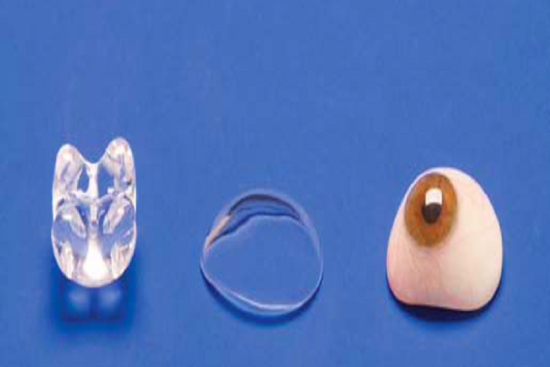
Intraocular lens implant$3,700
Glaucoma treatment$4,300
Strabismus treatment$5,000
Retinal detachment treatment$5,200
Cornea transplant$11,600

Turquie Santé offers a free, personalized quote after reviewing your medical needs.

Risks and Side Effects

Risks depend on the procedure, your eye and your general health. The figures below come from published studies and surveys that differ in methods and definitions: they are indicative, they are not specific to a clinic or to Turkey, and your surgeon must discuss your individual risks with you. Any eye surgery can lead to infection, bleeding, inflammation, a result that differs from the target (for example residual glasses or an under- or over-correction),and, in rare cases, permanent loss of vision. The most serious complications, such as infection inside the eye, retinal detachment, glaucoma and graft failure, can lead to permanent vision loss if they are not treated promptly, which is why follow-up visits and urgent contact with your surgeon matter.

Laser vision correction (LASIK, Femto-LASIK, SMILE)

  • Dry eye is the most frequent side effect. In the FDA-sponsored PROWL studies of LASIK, about 23% of patients without dry-eye symptoms before surgery developed mild dry eye at 3 months, and a smaller share (roughly 1% to 5%) developed moderate or severe dry eye. SMILE is associated with less dry eye than LASIK in comparative reviews.
  • Glare, halos and starbursts at night, which are most often temporary and are linked to residual refractive error, and an under- or over-correction that may need an enhancement procedure.
  • Flap-related complications with LASIK, which are avoided with SMILE, and long-term data on SMILE that are shorter than for LASIK.
  • Serious complications that leave lasting poor vision, including a permanent loss of best-corrected vision, are estimated at fewer than 1% of patients. In a systematic review of 19 studies (about 2,200 patients),95.4% of patients were satisfied and about 4.6% were dissatisfied, mainly because of residual refractive error, dry eye or night vision symptoms (Solomon et al., Ophthalmology, 2009).
  • Presbyopia (the need for reading glasses with age) is not prevented by laser correction of myopia.

Phakic ICL implants

  • Cataract formation was the main complication in a review of ICL implants: 5.2% (136 of 2,592 eyes) (Fernandes et al., Implantable collamer posterior chamber intraocular lenses: a review of potential complications).
  • Loss of corneal endothelial cells, reported at 9.9% at 2 years and 3.7% at 4 years in that review, increased eye pressure, glaucoma, lens malposition and night vision disturbances. Corneal decompensation and secondary glaucoma, which are described complications of ICL implants, can lead to lasting loss of vision if they are not treated. An implant may need to be repositioned or removed.

Cataract surgery, intraocular lens implants and YAG capsulotomy

  • Clouding of the capsule behind the lens (secondary cataract) is the most common late complication, reported in roughly 20% to 30% of patients within two to five years. It is treated with a brief YAG laser capsulotomy, which can rarely be followed by retinal detachment (1.9% in one institutional study of 104 eyes).
  • Rupture of the posterior capsule during surgery, reported in about 0.6% to 1.5% of cases in experienced hands, which may require additional steps and increases other risks.
  • Infection inside the eye (endophthalmitis): rare, reported from about 1 in 750 operations in older series to about 1 in 3,000 to 5,000 in more recent data. It is serious: it can lead to permanent loss of vision and, without early and appropriate treatment, to the loss of the eye, and it requires urgent treatment.
  • Retinal detachment (a lifetime risk of about 1 in 150 operations, higher in myopic eyes),which can cause permanent loss of vision if it is not repaired promptly, as well as macular swelling, raised eye pressure and a refractive surprise (the need for glasses after surgery).

Glaucoma treatment

  • Laser therapy and eye drops: temporary redness, rise in eye pressure or irritation. Glaucoma damage that has already occurred cannot be reversed, and treatment aims to slow its progression: when glaucoma is not controlled, it can lead to permanent loss of vision.
  • Trabeculectomy and other glaucoma surgery: eye pressure that is too low, leakage or infection of the drainage bleb, bleeding, cataract and scarring that makes the operation fail and requires further treatment. These complications can reduce vision, and an infection of the bleb can threaten the eye.

Corneal treatments

  • Cornea transplant: graft rejection, reported in 18.4% of eyes in one tertiary center (25.0% after penetrating and 13.6% after lamellar keratoplasty),and nearly half of grafts had a postoperative complication in that study. Endophthalmitis is rare (16 cases in 3,968 transplants) and was about 3.5 times more frequent after penetrating than after endothelial keratoplasty. Long-term corticosteroid treatment and regular follow-up are needed. A graft can fail, which can lead to a renewed loss of vision and to a further transplant.
  • Keratoconus treatment and keratoprosthesis: infection, corneal haze, persistent discomfort and, for a keratoprosthesis, complications such as extrusion or raised eye pressure, which can lead to lasting vision loss.

Retinal and macular treatments

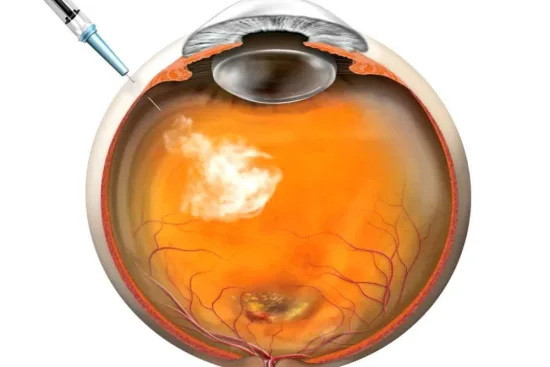
  • Retinal detachment surgery: the retina can detach again and require another operation, cataract can develop or progress after vitrectomy, and eye pressure can rise. A retinal detachment that is not treated promptly can lead to permanent loss of vision, and vision may remain reduced even when the retina is reattached.
  • Anti-VEGF injections: eye redness, discomfort, floaters, inflammation, a rise in eye pressure and, rarely, infection inside the eye, which can cause severe and permanent vision loss. They are usually repeated over months or years.
  • Diabetic retinopathy laser or injections and retinitis pigmentosa treatment: they aim to slow the disease or limit its complications, and they do not restore lost vision.

Other procedures (strabismus surgery, iris repair, iridectomy, uveitis treatment, ocular implant, eye cancer treatment): the risks depend on the technique and the disease, and include infection, bleeding, double vision or persistent misalignment for strabismus surgery, and a need for further treatment. They must be explained by your surgeon.

Contraindications and situations requiring caution: untreated eye infection or inflammation, unstable vision, a corneal disease or a cornea that is too thin for laser correction, severe dry eye, pregnancy and breastfeeding for elective refractive surgery, autoimmune diseases and uncontrolled diabetes, and unrealistic expectations. Seek urgent medical care for sudden loss of vision, flashes of light or a shower of floaters, a curtain over the vision, severe eye pain or redness after surgery.


Why choose Ophthalmology with Turquie Santé ?

Chirurgien icon

Accredited surgeons and hospitals (JCI, ISO)

Économie icon

Indicative prices, often lower than in Western Europe depending on the case

Organisation icon

Medical stay organized from A to Z

Prix icon

Detailed quote (included / not included) before your stay

Résultat icon

Free review of your file

All about your Ophthalmology in Turkey
Benefits
Payment

Highly qualified professionals in accredited institutions.


We assist you before, during, and after your trip


A detailed quote is presented to you before your stay. Our support is free for the patient and any fees are specified in advance.

You will pay your clinic directly using these available methods:
Transfer

Verified testimonials from our patients

RAMADHAN M.
Verified review

Good evening, Miss Sophia

The reception is more than wonderful

The car with the driver from the hotel to the hospital and from the hospital to the hotel

At the hospital, there was an Arabic translator named Huss..Read more


14/06/2026
This patient was treated for Ophthalmology
ESSANGA V.
Verified review

satisfied with the consultation with the doctor


13/06/2026
This patient was treated for Ophthalmology
BENANI K.
Verified review

We worked well together, on the appointment with the doctor and the staff of the clinic and I would like to thank Fidan for the work carried out inside the clinic which facilitated my care and I even shared the contact details of Kevin with Algerians..Read more


27/04/2026
This patient was treated for Ophthalmology
CISSE T.
Verified review

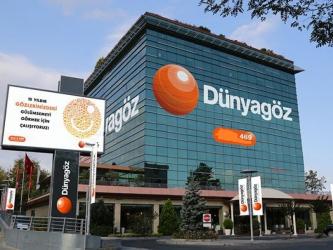
Dünyagöz is for me today a benchmark hospital in egg care. I found very good satisfaction there and an excellently neat infrastructure that is good to live in, especially in this period of the COVID crisis. The fundamental element that stood out to m..Read more


24/03/2026
This patient was treated for Ophthalmology
BRAHIMI A.
Verified review

The visit to the clinic did not have the expected result

After consultation and additional examination the tests were not conclusive the optic nerve is very affected

I thank you for your concern and your professionalism good..Read more


13/03/2026
This patient was treated for Ophthalmology
KASONGO S.
Verified review

Hello . I am doing very well.

I really enjoyed Dunyagoz Hospital. The operation went very well. I have also returned to my country since 03/21.

Many thanks for your assistance


10/03/2026
This patient was treated for Ophthalmology
Dominique M.
Verified review

Well, just 15 minutes late from the driver to get to my hotel.


31/01/2026
This patient was treated for Ophthalmology
Fatou N.
Verified review

I had an eye implant placed at the Lokman Clinic, organized by Turquie Santé. Upon my arrival in Istanbul, transfers had been arranged and the medical appointments were already scheduled. The reception at the clinic was satisfactory and the examinati..Read more

Photo patientPhoto patient

07/01/2026
This patient was treated for Ophthalmology
Rkia E.
Verified review

no solution to regain my sight, whereas I had sent all my medical reports before coming.


28/11/2025
This patient was treated for Ophthalmology
mohamed B.
Verified review

nothing to report.


22/11/2025
This patient was treated for Ophthalmology
Bitam D.
Verified review

Hello excellent medical service, I recommend it, thank you.


14/11/2025
This patient was treated for Ophthalmology
Ilyes M.
Verified review

I had a consultation but without any possible care for my case unfortunately their translator who speaks Arabic works with other hospitals and sent me for further care.


03/11/2025
This patient was treated for Ophthalmology
Leyoko Ngoma A.
Verified review

Hello it went well.
The only difficulty was the language barrier. It took 40 minutes to find an agent from the clinic for the translation from English to Turkish, before the consultation, I did the covid 19 test.
Before meeting the doctor..Read more


28/10/2025
This patient was treated for Ophthalmology
Faousia B.
Verified review

I am satisfied with the result.


10/10/2025
This patient was treated for Ophthalmology
José B.
Verified review

I want to share my very positive experience with Dr. Faruk Eroglu and the Turquie Santé team. The examination I underwent was thorough and precise, which allowed for a well-planned glaucoma surgery. The procedure went perfectly, and I am very gratefu..Read more


07/10/2025
This patient was treated for Ophthalmology
Bouthaina B.
Verified review

Hello .. I inform you that I was well received ... after the medical consultation I would like to have a detailed medical report which contains the following information:
_ diagnosis, proposed solution
_ Estimated cost for the surgical in..Read more


09/09/2025
This patient was treated for Ophthalmology
Emily White : Medical Content Team Manager at Turquie Santécheck

Written by

Emily White

This content complies with the editorial policy of Turquie Santé. It was written by Emily White, Head of the Editorial Team, who has over 11 years of experience in scientific research and clinic management in Turkey. She ensures the reliability of medical information while making complex data accessible to everyone.

Exp. Ömer Faruk ÖĞE M.Dcheck

Medically reviewed by : Exp. Ömer Faruk ÖĞE M.D

Specialty : Ophthalmology
Diploma no. (TTB) : 101423

Medical review does not replace an individual consultation.

How it works ?

2
Services
We look for the best option for your case & budget
3
Hospital
Evaluating a care plan with the best quote
4
airplane
Making appointments & Organization of your trip
5
Health care
Ongoing support until you return home

Other procedures in this specialty

Get a free medical opinion on Ophthalmology with our recognized clinics

Certifications :

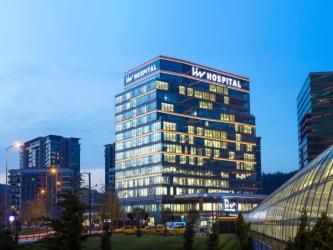
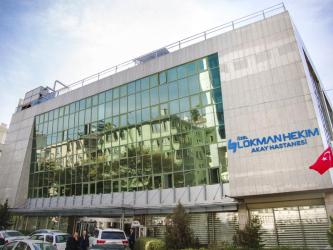
International Organization for Standardization (ISO) LOKMAN HEKIM ISTANBUL
JCI - Joint Commission International LOKMAN HEKIM ISTANBUL
LOKMAN HEKIM ISTANBUL
Istanbul, Turkey
Prof. Dr. Osman İLHAN

Prof. Dr. Osman İLHAN

48 years of experience
Specialist Dr. Cemal AYDOĞAN

Specialist Dr. Cemal AYDOĞAN

40 years of experience
4.7 / 5
4.7(69 Reviews)

Certifications :

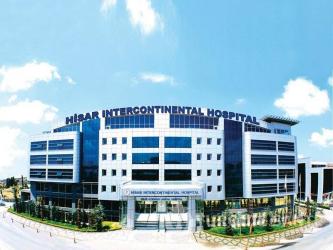
JCI - Joint Commission International HISAR INTERCONTINENTAL
International Organization for Standardization (ISO) HISAR INTERCONTINENTAL
HISAR INTERCONTINENTAL
Istanbul, Turkey
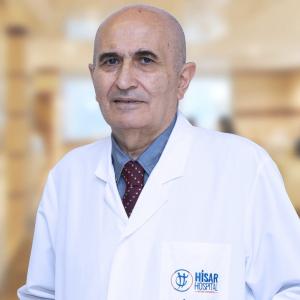
PROF. ÖMER KAMİL DOĞAN, M.D.

PROF. ÖMER KAMİL DOĞAN, M.D.

35 years of experience
Prof. Ömer Kamil Doğan is a distinguished ophthalmologist with over 35 years of clinical experience. He specializes in cataract surgery, glaucoma management, corneal transplantation, and conjunctival disease treatment. An Associate Professor at Selçuk ... Read more
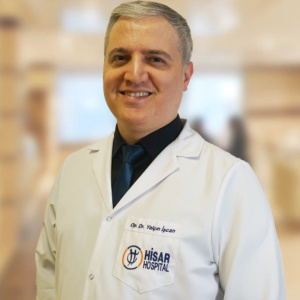
Op. Doctor Yalçın İşcan

Op. Doctor Yalçın İşcan

16 years of experience
Verified CV: Ophthalmology. Training: Istanbul Faculty of Medicine (2005); Ophthalmology specialization at Bakırköy Dr. Sadi Konuk (2010). Expertise: cataract, corneal transplantation, PRK/LASIK/SMILE refractive surgery, strabismus, oculoplastic surgery, ... Read more
4.4 / 5
4.4(221 Reviews)

Certifications :

JCI - Joint Commission International LIV Ulus
International Organization for Standardization (ISO) LIV Ulus
LIV Ulus
Istanbul, Turkey
Prof. Dr.Mehmet Murat Öncel

Prof. Dr.Mehmet Murat Öncel

39 years of experience
Main Specialty : Ophthalmology Notable Trainings : Istanbul University Istanbul Faculty of Medicine, Ophthalmology residency in Istanbul University Cerrahpaşa Faculty of Medicine, Department of Ophthalmology, Mayo Clinic, Cleveland Clinic, LSU Eye ... Read more
 Assoc. Prof. MD. Ali Olgun

Assoc. Prof. MD. Ali Olgun

15 years of experience
Main Specialty : Ophthalmology Years of Experience : 15 years. Notable Training : Marmara University Faculty of Medicine, Istanbul, 2005; Istanbul Göztepe Training and Research Hospital, Medical Specialization, 2011; FEBO (May 2018); FICO (November 2018); ... Read more
4.7 / 5
4.7(1 Reviews)

Certifications :

International Organization for Standardization (ISO) LIV Vadistanbul
JCI - Joint Commission International LIV Vadistanbul
LIV Vadistanbul
Istanbul, Turkey
Spec. MD. Deniz Marangoz

Spec. MD. Deniz Marangoz

17 years of experience
Main Specialty : Ophthalmology Notable Trainings : Uludag University, Bursa; Kartal Training and Research Hospital, Istanbul; Vance Thompson Vision Center, SD, USA; Beyoglu Eye Training and Research Hospital, Istanbul Mastered Techniques : Intraocular ... Read more
Prof. Dr. İhsan Yılmaz

Prof. Dr. İhsan Yılmaz

17 years of experience
Main Specialty : Ophthalmology Years of Experience : 17 years. Notable Trainings : Uludag University, Bursa; Kartal Training and Research Hospital, Istanbul; Vance Thompson Vision Center, SD, USA; Beyoglu Eye Training and Research Hospital, Istanbul Mastered ... Read more
4.4 / 5
4.4(11 Reviews)

Certifications :

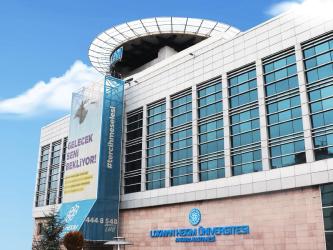
International Organization for Standardization (ISO) LOKMAN HEKIM Üniversitesi
LOKMAN HEKIM Üniversitesi
Ankara, Turkey
Prof. Dr. Nurullah ÇAĞIL

Prof. Dr. Nurullah ÇAĞIL

30 years of experience
Main Specialty : OphthalmologyYears of Experience : 30 years.Significant Training : Hacettepe University, Faculty of Medicine (1984-1991),Erciyes University, Specialty Training in Eye Diseases (1991-1996)Mastered Techniques : Refractive surgery, cataract ... Read more
Asso.Prof. Dr. Mehmet YAKIN

Asso.Prof. Dr. Mehmet YAKIN

13 years of experience
Main Specialty : OphthalmologyYears of Experience : 13 years.Notable Education : Hacettepe University, Faculty of Medicine (2002-2008); Ankara Training and Research Hospital, Ophthalmology Residency (2009-2013).Mastered Techniques : Uveitis and ocular ... Read more
4.7 / 5
4.7(1 Reviews)

Certifications :

JCI - Joint Commission International DUNYAGOZ ETILER
International Organization for Standardization (ISO) DUNYAGOZ ETILER
DUNYAGOZ ETILER
Istanbul, Turkey
Assoc. Prof. BOZKURT SENER, MD

Assoc. Prof. BOZKURT SENER, MD

29 years of experience
Associate Professor BOZKURT SENER is an ophthalmologist with over 40 years of experience, specializing in refractive surgery and cataract treatment. Graduated from Istanbul University Faculty of Medicine (1981) and specialized in ophthalmology at Istanbul ... Read more
Prof. Dr. Yavuz Kamil Bardak

Prof. Dr. Yavuz Kamil Bardak

25 years of experience
Prof. Dr. Yavuz Kamil Bardak is a Professor of Ophthalmology with over 25 years of experience in comprehensive eye care. Graduated from Hacettepe University in 1990 and specialized in Ankara in 1995, he completed advanced retinal surgery training in the ... Read more
4.1 / 5
4.1(31 Reviews)

Certifications :

International Organization for Standardization (ISO) MEMORIAL Antalya
JCI - Joint Commission International MEMORIAL Antalya
MEMORIAL Antalya
Antalya, Turkey
Özlem Tök

Özlem Tök

24 years of experience
Main Specialty : Ophthalmology Years of Experience : 24 years. Notable Training : Specialization in ophthalmology at the Ankara Education and Research Hospital (1999-2002),Medical training at Ankara University (1992-1998). Notable Achievements : Publications ... Read more
4.7 / 5
4.7(1 Reviews)

You have consulted 7 / 31 Hospitals

🩺 Medical note — This information does not replace professional medical advice. Prices are indicative and confirmed in a personalized quote, and any treatment decision is made with a qualified doctor after reviewing your file.

Eye care and ophthalmology in Turkey

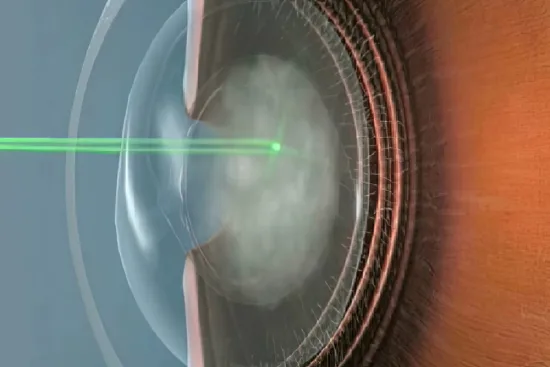
Ophthalmology covers the diagnosis and treatment of conditions affecting vision and eye health, from common refractive errors to more complex retinal and corneal diseases.

What does an ophthalmologist treat?

Ophthalmologists manage a wide range of conditions, including:

  • Vision defects (myopia, hyperopia, astigmatism, presbyopia)
  • Cataracts
  • Glaucoma
  • Corneal diseases
  • Retinal disorders
  • Eye conditions affecting both children and adults

When should you see an ophthalmologist?

An eye consultation is recommended in several situations:

  • Blurred or declining vision
  • Eye pain or discomfort
  • Persistent visual strain
  • A need for vision correction
  • Monitoring of an existing eye condition

Some symptoms are emergencies that need immediate medical care, not a planned trip: sudden loss or sudden change of vision, flashes of light or a shower of new floaters, a curtain or shadow over the vision, severe eye pain or a very red eye, and an eye injury.

Ophthalmology treatments available in Turkey

Turkish clinics offer a broad range of eye treatments, grouped below by category.

Cataract and lens surgery:

Laser vision correction:

Glaucoma treatment:

  • Glaucoma treatment: Medical management and laser therapy for early to moderate stages.
  • Trabeculectomy: Advanced glaucoma requiring surgical drainage.
  • Minimally invasive glaucoma surgery (MIGS): Selected cases where a less invasive approach is suitable.

Corneal treatments:

Retinal and macular treatments:

Other ophthalmic procedures:

How is the right eye treatment determined?

The right eye treatment starts with an accurate assessment of your vision and eye health.

Eye examination and diagnosis

A complete eye exam is the starting point for any treatment decision. It typically includes:

  • Visual acuity and refraction testing.
  • Eye pressure measurement.
  • Corneal examination.
  • Retinal examination.
  • OCT imaging, when indicated.
  • Corneal topography, when needed (for LASIK/SMILE eligibility, for example).

Choosing the right procedure

The most suitable treatment depends on several factors:

  • The diagnosis.
  • The patient's age.
  • The condition of the cornea and retina.
  • The degree of correction needed.
  • Medical history.
  • The patient's visual goals.

Eligibility criteria

Not everyone can have laser vision correction or an implant. In general, the prescription must be stable (usually for at least one year),the cornea must be healthy and thick enough, and there must be no active eye infection, no keratoconus and no severe dry eye. Pregnancy, breastfeeding and some systemic diseases (autoimmune diseases, poorly controlled diabetes) also call for caution. Cataract surgery is considered when clouding of the lens affects daily life, after the rest of the eye has been assessed. The detailed criteria and the risks of each procedure are listed in the eligibility and risks sections of this page.

A personalized medical opinion is required before confirming any procedure.

What to expect during your treatment in Turkey

Your eye treatment journey usually follows three main steps, from preparation to recovery.
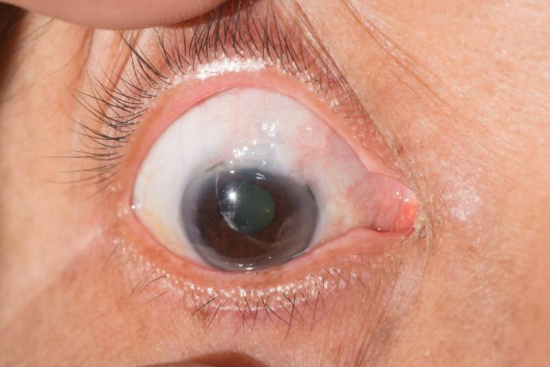
Before treatment:

  • Review of medical records.
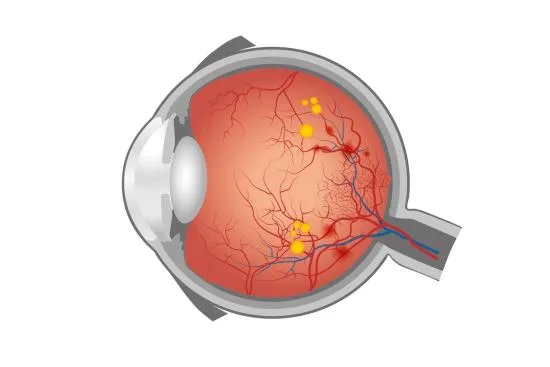
  • Complete eye examination.
  • Diagnostic tests.
  • Treatment planning with your surgeon.

During the procedure:

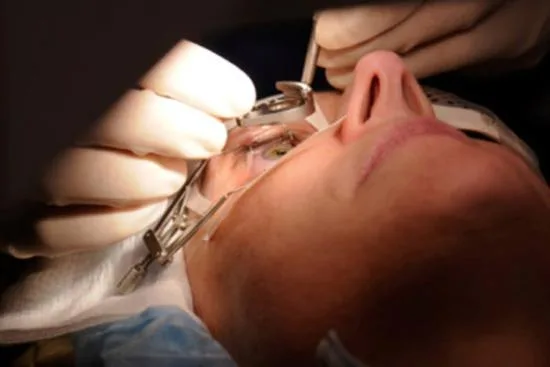
Duration and anesthesia vary by procedure. Most laser and cataract surgeries are outpatient and take between 15 and 60 minutes.

After treatment: 

  • Follow-up examination.
  • Prescribed medication, if needed.
  • Recovery instructions.
  • Planning for your return home, with continued follow-up from your medical team.
Related medical articles

Experiences of our patients – Turquie Santé

Share this page

Our assistants help you to get the best options in Ophthalmology