



Summary
- What to eat after a gastric sleeve? The 4 phases at a glance
- Phase 1: Liquid diet (first days to week 2)
- Phase 2: Pureed foods (weeks 2 to 4)
- Phase 3: Soft foods (approximately weeks 4 to 6)
- Phase 4: Return to a solid diet (from 6 to 8 weeks)
- How much protein and water should you consume?
- What foods should you avoid after a gastric sleeve?
- Warning signs: When should you contact your doctor?
- Are vitamin supplements essential?
- Gastric sleeve in Turkey: How is remote follow-up organized?
After gastric sleeve surgery, your stomach needs time to heal and adapt to its new size. You cannot return to a normal diet immediately. Your diet is gradually advanced through 4 phases: liquids, pureed foods, soft foods, and finally solid foods. This gradual progression supports healing and helps you adapt to your new eating habits.
The durations below are general guidelines. They may vary depending on your surgeon, your health, and how well you tolerate each stage. If you are considering bariatric surgery in Turkey, it is important to ask how your diet and nutritional follow-up will be managed, both before you return home and after the procedure.
Important: Always follow the written dietary protocol provided by your surgical team. This guide is for informational purposes only and does not replace personalized medical advice.
What to eat after a gastric sleeve? The 4 phases at a glance
| Phase | Indicative Period | Texture | Examples |
| 1 | Approx. Days 1 to 14 | Liquid | Water, clear broth, herbal teas, milk or plant-based drinks as tolerated |
| 2 | Weeks 2 to 4 | Pureed / Smooth puree | Plain yogurt, cottage cheese, vegetable purees, unsweetened compotes |
| 3 | Approx. Weeks 4 to 6 | Soft, well-chewed | Eggs, fish, minced poultry, well-cooked vegetables |
| 4 | From approx. Week 6 to 8 | Solid, progressive | Normal meals in small portions |
Some teams may shorten or extend these stages. This is normal, as each patient recovers and tolerates food differently.
Phase 1: Liquid diet (first days to week 2)
During this phase, you consume only liquids in small sips. The main goals are to stay hydrated and give your stomach time to heal without putting unnecessary strain on it.
What can you drink?
- Still water and unsweetened flavored water
- Clear, fat-free broth
- Herbal teas or light tea, at a comfortable temperature
- Protein drinks or milk, if approved by your medical team
What should you avoid?
- Drinking too quickly or using a straw, if your team advises against it
- Carbonated, sugary, or alcoholic beverages
- Drinking large amounts at once
Phase 2: Pureed foods (weeks 2 to 4)
This phase introduces smooth, pureed foods, with an emphasis on protein. Portions remain very small, and meals should be eaten slowly. Take your time and pay attention to how you tolerate each food.
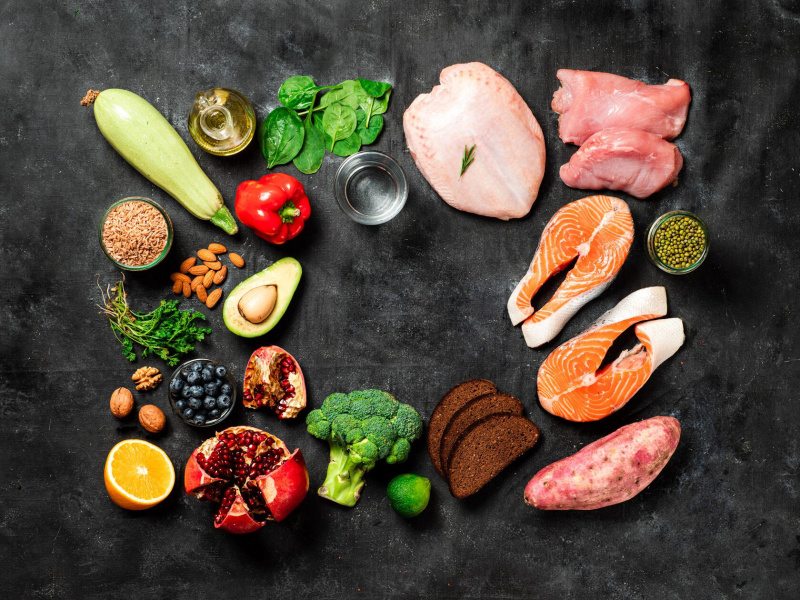
- Plain yogurt, skyr, or cottage cheese
- Pureed, well-cooked vegetables
- Very soft scrambled eggs, depending on your tolerance
- Fish or poultry blended with a little broth
- Unsweetened compotes
Introduce only one new food at a time. This makes it easier to identify foods that you do not tolerate well.
Phase 3: Soft foods (approximately weeks 4 to 6)
You can gradually reintroduce soft foods that can be easily mashed with a fork. Chewing is essential: chew each bite thoroughly until it reaches a very soft consistency before swallowing.
- Eggs, white fish, and minced or shredded poultry
- Very well-cooked vegetables
- Soft cheeses and well-mashed legumes, according to your tolerance
- Ripe, soft fruits without the skin
Eat protein first, followed by vegetables and then starches if you are still hungry. Protein is the priority because it helps preserve muscle mass during weight loss.
Phase 4: Return to a solid diet (from 6 to 8 weeks)
You gradually return to a more regular diet, but in small portions and with thorough chewing. Over time, this becomes your usual long-term eating pattern.
- 3 meals and 1 to 2 snacks, according to your medical team's recommendations.
- Protein at each meal, plenty of vegetables, and moderate amounts of whole-grain starches.
- Gradual introduction of more difficult-to-tolerate foods, such as red meat, bread, and rice: fresh bread, rice, and dry or tough meats may be poorly tolerated at first.
- Stop eating at the first signs of fullness.
How much protein and water should you consume?
As a general guideline, you may be advised to consume at least around 60 g of protein per day and approximately 1.5 liters of fluids. Your exact target depends on your weight, health status, and your dietitian's recommendations.
It is generally recommended to drink fluids between meals rather than with them. Many teams advise avoiding drinks for about 30 minutes before and after meals. This can help prevent excessive fullness and leave enough room for protein-rich foods.
What foods should you avoid after a gastric sleeve?
Some foods can be difficult to tolerate or contribute to weight regain. They should therefore be limited or avoided according to your medical team's recommendations:
- Carbonated drinks and alcohol.
- Sweets, pastries, fried foods, and very fatty foods.
- Fresh bread, sticky rice, and overcooked pasta, especially at first.
- Dry, overcooked, or fibrous meats.
- Snacking between meals and high-calorie drinks.
These foods can cause discomfort, nausea, or vomiting and may contribute to weight regain. Some can be gradually reintroduced depending on your tolerance and progress, following your medical team's recommendations.
Warning signs: When should you contact your doctor?
Do not automatically attribute an unusual symptom to your diet. Contact your medical team promptly if you experience:
- Fever or chills.
- Significant or persistent abdominal pain.
- Repeated vomiting or inability to keep fluids down.
- Shortness of breath or pain in one leg.
Are vitamin supplements essential?
Yes. After gastric sleeve surgery, vitamin and mineral supplementation is generally needed long-term, often lifelong. It helps prevent nutritional deficiencies.
Prescribed supplements often include:
- A multivitamin.
- Vitamin B12, vitamin D, and calcium.
- Iron or other minerals, depending on your needs.
Dosages are adjusted based on the results of regular blood tests. Avoid self-medication and follow your medical team's recommendations.
Gastric sleeve in Turkey: How is remote follow-up organized?
A gastric sleeve performed in Turkey requires the same nutritional follow-up as an intervention performed in your home country. Regular medical and nutritional support after surgery remains essential to help achieve lasting results.
Before choosing your clinic, ask the following questions:
- Will I receive a written dietary plan before returning home?
- What instructions should I follow during the first few weeks at home?
- How is remote nutritional follow-up organized?
- Who should I contact if I develop symptoms after returning home?

"Medical journalist specializing in science communication, I put my expertise at the service of clear and accessible information. For Turquie Santé, I create content based on up-to-date medical data, in collaboration with specialists from partner clinics. My commitment is to provide reliable, transparent information that complies with international medical standards."
Need a personalized medical opinion?
Our partner doctors reply online within 24h, free of charge.