





What is gonarthrosis?
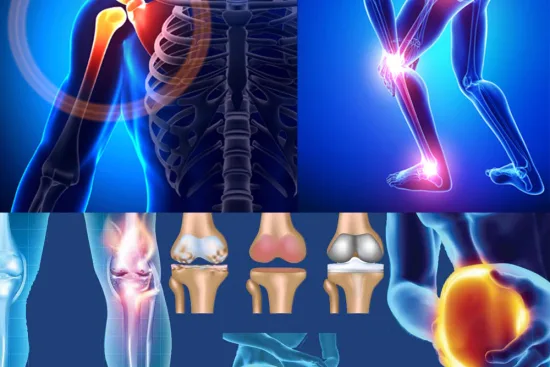
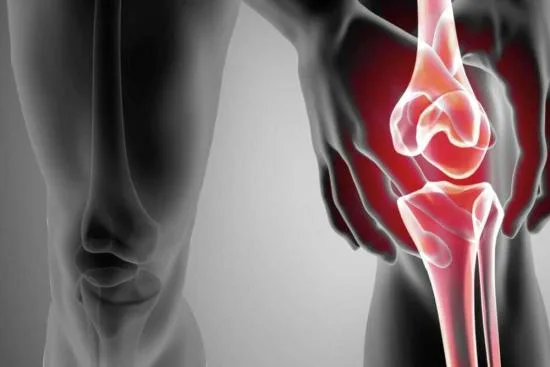
Gonarthrosis, commonly known as osteoarthritis of the knee, is a chronic disease characterized by progressive wear of the articular cartilage of the knee. Unlike knee arthritis, an inflammation of the joints, gonarthrosis is a mechanical degeneration.
It's important to note that a certain amount of cartilage wear is natural and unavoidable with age. It's a normal part of the aging process. However, in the case of gonarthrosis, this wear becomes excessive and exceeds what is expected for the person's age and lifestyle.
The severity of gonarthrosis is classified into several stages: mild, moderate, and severe. The correlation between the degree of osteoarthritis and symptoms is not always direct.
Indeed, some patients with mild osteoarthritis may experience more pain than those with moderate or even severe osteoarthritis.
Treatment goal: Manage, not cure
Treatment of knee osteoarthritis is aimed at managing symptoms and improving the patient's quality of life, rather than curing the disease itself. The therapeutic approach is individualized and depends on several factors, including:
- Severity of osteoarthritis: Options vary depending on the condition of the cartilage and the impact on joint function.
- Symptoms: Pain, stiffness, limited range of motion, etc.
- General state of health: The presence of co-morbidities may influence treatment choice.
- Socio-professional and athletic factors: Functional needs and expectations of the patient.
- Biological age takes precedence over chronological age.
The patient's age is not a determining factor. It is more important to consider biological age, i.e. general health and ability to tolerate surgery.
Difference between healing and treating knee osteoarthritis
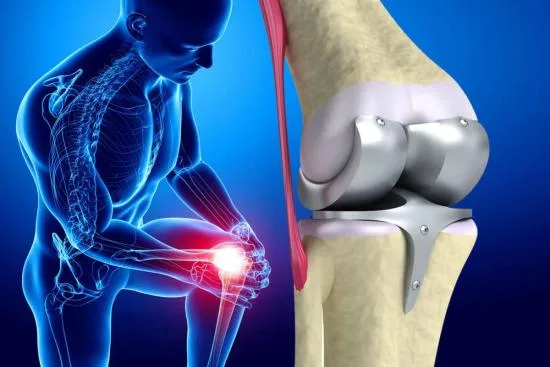
The fundamental distinction lies in the difference between healing and treating osteoarthritis. Healing involves the permanent removal of the cause of the problem. For severe knee osteoarthritis, joint replacement remains the only curative solution.
Treatment, on the other hand, aims to relieve symptoms without addressing the underlying cause. In some cases, patients with severe osteoarthritis cannot (for health reasons) or do not want to undergo knee replacement surgery.
Knee infiltration: what is it?
The knee, a complex joint subject to daily stress, is particularly susceptible to osteoarthritis. This degenerative disease leads to progressive wear and tear of the cartilage, causing pain, stiffness, and discomfort. To relieve these symptoms and maintain joint integrity, knee infiltrations are an effective treatment option.
Knee infiltrations involve the direct injection of therapeutic agents into the diseased joint. This targeted approach optimizes the effect of medications by acting directly on the area of inflammation and pain.
Knee infiltrations: When are they needed?
Knee infiltrations may be particularly useful in the following cases:
- Osteoarthritis in one or more compartments of the knee.
- Moderate inflammation.
- Early to moderate stages of osteoarthritis.
- Failure of medical treatment.
- The effectiveness of infiltrations varies depending on the individual and the type of substance injected.
Consult a qualified orthopedic surgeon to determine if knee infiltrations are an appropriate option for you. Your doctor will evaluate your condition, discuss treatment options with you, and help you make the best decision for your health.
Knee infiltration techniques in Turkey
Osteoarthritis of the knee can cause severe pain and limited mobility. When painkillers fail, joint infiltration can be an effective solution.
In Turkey, several substances are commonly used for knee infiltration:
- Cortisone: This natural hormone with anti-inflammatory properties quickly reduces pain and inflammation in the joint.
- Hyaluronic acid (HA): This lubricating gel acts as a viscosupplement, improving lubrication and reducing friction between the bones of the knee.
- Platelet-rich plasma (PRP): Derived from a patient's own blood, PRP contains growth factors and platelets that promote tissue regeneration and reduce inflammation.
- Mesenchymal stem cells: These cells, injected into the joint, do not replace damaged cells but stimulate the production of growth factors and have an anti-inflammatory effect.
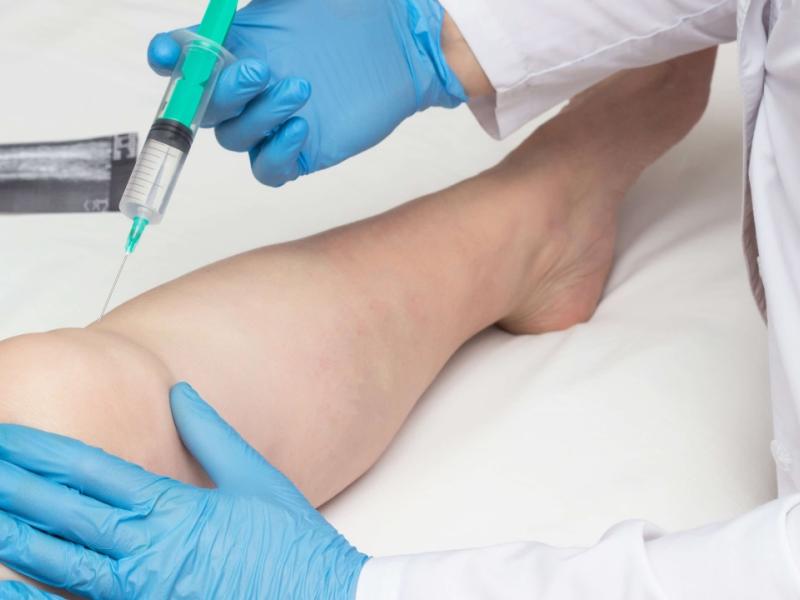
Knee infiltration is a quick, minimally invasive medical procedure. Under ultrasound or radiographic guidance, the physician injects the product with a fine needle after disinfecting the injection site. The procedure typically takes only a few minutes and requires only local anesthesia.
Encouraging results to restore mobility and comfort
Knee infiltrations often result in significant reductions in pain and inflammation, improving patients' mobility and quality of life. The positive effects of this procedure can last for several months, providing a welcome respite from the symptoms of osteoarthritis.
By reducing pain and inflammation, knee infiltrations help slow the progression of osteoarthritis and preserve joint integrity. They are therefore a valuable alternative for patients suffering from osteoarthritis of the knee, allowing them to return to a more comfortable and active daily life.

"Medical journalist specializing in science communication, I put my expertise at the service of clear and accessible information. For Turquie Santé, I create content based on up-to-date medical data, in collaboration with specialists from partner clinics. My commitment is to provide reliable, transparent information that complies with international medical standards."
Need a personalized medical opinion?
Our partner doctors reply online within 24h, free of charge.