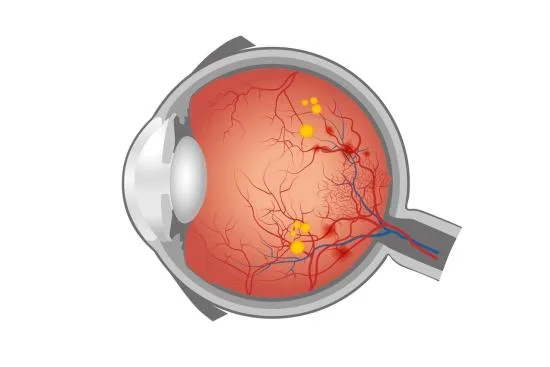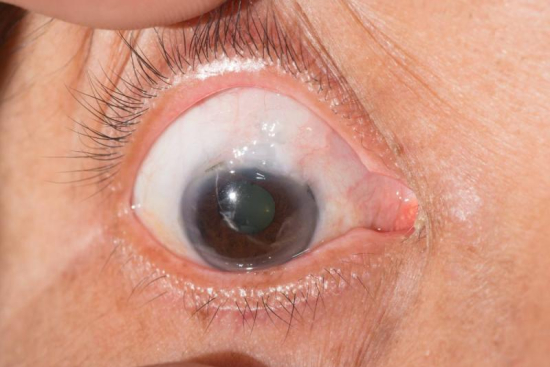



Retinitis pigmentosa (RP) is a progressive genetic disorder affecting the retina's light-sensitive cells, called photoreceptors. Night vision deteriorates first, followed by peripheral vision loss, potentially leading to blindness over time. Because RP has many different genetic causes, genetic testing helps identify the specific mutation involved and can inform which treatments are most likely to help.
While a permanent cure remains elusive, modern treatment approaches in Turkey can help slow disease progression in some cases. Gene therapy and stem cell research are active areas of investigation, and vitamin A supplementation has shown a modest benefit in slowing progression for certain RP genotypes in long-term clinical trials, though it isn't appropriate for all forms of the disease. Vitamin E supplementation, by contrast, has been associated with faster disease progression in the same landmark research and should be avoided. Turkish ophthalmology clinics offer comprehensive diagnostic protocols and personalized therapy plans, focusing on slowing degeneration rather than promising complete restoration, which aligns with current international medical evidence.
Risks and Side Effects
Allergic reactions to medications or contrast agents used during diagnostic imaging can occur, though rarely severe. Eye inflammation may develop post-treatment, managed with topical corticosteroids. Gene therapy carries theoretical risks of immune response, though clinical trials have shown favorable safety profiles so far.
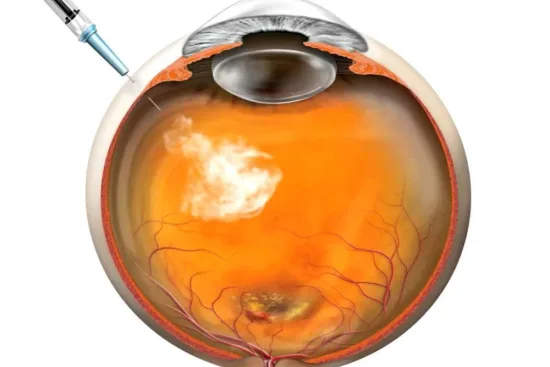
Infection at injection sites (if intravitreal procedures are used) remains a possibility, typically preventable through sterile technique. Some patients experience temporary discomfort or floaters following treatment, which usually resolve within weeks.