

Turquie Santé
Last update : 24/09/2026

Nomophobia : Symptoms, test and treatment in Turkey

Access internationally recognized healthcare from specialist doctors in Turkey.

Get a free quote
Nomophobia treatment Turkey
792+
patient reviews
across all procedures
🩺 Medical note — This page is for informational purposes only and does not replace professional medical advice. Always consult a qualified doctor for any question about your health or before making a medical decision.

Constantly checking your phone, feeling severe anxiety when detached from it, or struggling to disconnect? You may be experiencing nomophobia (no-mobile-phone phobia),a modern manifestation of underlying anxiety, stress, or digital burnout.

While common, severe digital dependency can disrupt sleep, work, and mental well-being. In Turkey, accredited psychiatric and wellness centers offer structured behavioral therapy, stress management, and mental health consultations to help you regain control over your life.

Turquie Santé connects you with experienced clinical psychologists and psychiatrists in Istanbul for a confidential review of your case.

Price of Nomophobia treatment in Turkey

The treatment of nomophobia in Turkey with Turquie Santé is designed to provide comprehensive care at a competitive cost. Through certified partner clinics, patients receive personalized support and full organization of their stay, with prices generally lower than those in other countries.

On average, behavioral or psychological addiction treatment programs in Turkey start at 3,000 to 5,000 USD, while more intensive or longer programs can reach 10,000 USD, depending on the duration, level of care, and services included.


Why choose Nomophobia treatment with Turquie Santé ?

Médecin icon

Specialist doctors and internationally certified hospitals

Avis icon

Free medical opinion before you travel

Organisation icon

Medical stay organized from A to Z

Prix icon

Transparent pricing, itemised before your stay

Résultat icon

Free assistance

All about your Nomophobia treatment in Turkey
Benefits
Payment

Highly qualified professionals in accredited institutions.


We assist you before, during, and after your trip


A detailed quote is presented to you before your stay. Our support is free for the patient and any fees are specified in advance.

You will pay your clinic directly using these available methods:
Transfer

Verified testimonials from our patients

Madeleine M.
Verified review

happy with the result, my son is starting to become less dependent on heroin after a 40 day cure, he was treated well, I hope he will not relapse.


28/01/2026
This patient was treated for Heroin addiction treatment
H M.
Verified review

At first, I hesitated to seek treatment for my cannabis addiction. With my family's support, I decided to go get help. Thank you for your assistance; I really feel better.


10/11/2025
This patient was treated for Treatment of cannabis dependence
Jack F.
Verified review

With the support of my family, I decided to seek treatment for my addiction abroad. After considering several options, I chose Turquie Santé to help organize my stay. Everything went according to plan, which allowed me to focus fully on my treatment...Read more


08/05/2025
This patient was treated for Treatment of cocaine addiction
Emily White : Medical Content Team Manager at Turquie Santécheck

Written by

Emily White

This content complies with the editorial policy of Turquie Santé. It was written by Emily White, Head of the Editorial Team, who has over 11 years of experience in scientific research and clinic management in Turkey. She ensures the reliability of medical information while making complex data accessible to everyone.

How it works ?

2
Services
We look for the best option for your case & budget
3
Hospital
Evaluating a care plan with the best quote
4
airplane
Making appointments & Organization of your trip
5
Health care
Ongoing support until you return home

Get a free medical opinion on Nomophobia treatment with our 3 Recognized Clinics

Certifications :

JCI - Joint Commission International MEDICAL PARK PENDIK
MEDICAL PARK PENDIK
Istanbul, Turkey
4.7 / 5
4.7(1 Reviews)

Certifications :

Turkish Medical Association MOODIST
MOODIST
Istanbul, Turkey
Dr Jale Mursalova

Dr Jale Mursalova

12 years of experience
Main Specialty : PsychiatryTitle : Assistant Professor.Years of Experience : More than 12 years of medical experience.Notable Training : Medical degree from Akdeniz University Faculty of Medicine (2014),specialization in Psychiatry at Erenköy Mental and ... Read more
Dr İçsel Duru Yıldırım, M.D.

Dr İçsel Duru Yıldırım, M.D.

7 years of experience
Main Specialty : Child and Adolescent Psychiatry. Years of Experience : 7 years. Notable Training : Doctorate in Medicine (Trakya University, 2013),specialization in Child and Adolescent Psychiatry (Bakirkoy Prof. Dr. Mazhar Osman Mental Health and Diseases ... Read more
4.7 / 5
4.7(3 Reviews)

Certifications :

International Organization for Standardization (ISO) NP BRAIN
JCI - Joint Commission International NP BRAIN
NP BRAIN
Istanbul, Turkey
Assoc. Prof. Dr. Barıs Metin

Assoc. Prof. Dr. Barıs Metin

4.7 / 5
4.7(4 Reviews)

You don't pay for our services

We provide free consulting assistance in the framework of partnership agreements with clinics.
You only pay in the hospital where you received care.

Ready to take the first step ?

What is Nomophobia?

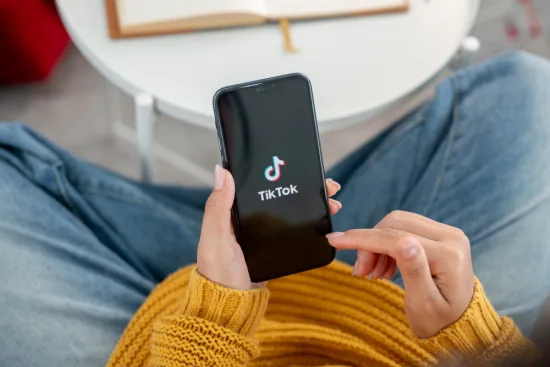
Addiction is no longer limited to physical substances like drugs or alcohol. Individuals can also develop severe behavioral addictions, particularly to smartphones and social media platforms such as TikTok, Instagram, or Facebook.

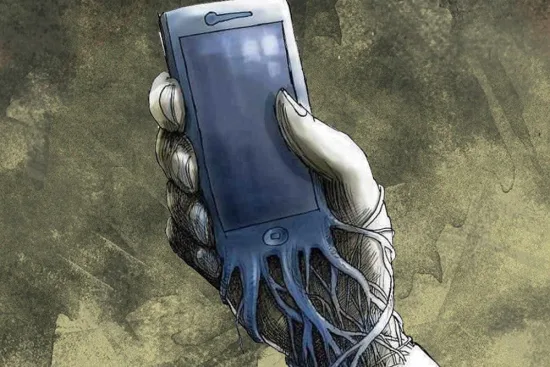
Nomophobia, short for "no-mobile-phone phobia", is the acute fear or anxiety of being without a cell phone, losing connectivity, or having a dead battery.

Key characteristics:

  • Widespread impact: It is one of the most common modern behavioral addictions, affecting children, teenagers, and adults alike.
  • Psychological distress: It triggers persistent anxiety, emotional stress, panic, and restlessness when the phone is out of reach.
  • Daily disruption: It interferes with sleeping patterns, work productivity, academic performance, and real-life social relationships.

When mobile phone dependency begins to disrupt your emotional well-being, sleep, or daily routines, professional medical intervention and structured cognitive behavioral strategies become essential.

Common symptoms of nomophobia

Nomophobia causes both psychological distress and physical reactions when a person is separated from their mobile phone, or even when they imagine losing connection.

Physical and psychological symptoms:

  • Severe anxiety: Persistent, excessive, and unreasonable worry about being without a phone.
  • Tachycardia: A fast, sudden, or irregular heartbeat triggered by panic.
  • Respiratory changes: Shortness of breath or rapid, shallow breathing.
  • Agitation & disorientation: Extreme restlessness, irritability, or feeling overwhelmed.
  • Trembling & perspiration: Cold sweats and uncontrollable shaking during anxious moments.

Pattern and severity

  • Continuous trigger: Symptoms can occur at any time, whether the phone is actually missing or if the person simply anticipates losing access to it.
  • Panic attacks: Severe cases can escalate into full panic attacks, with symptoms varying in frequency and intensity.
  • Daily disruption: The fear must be persistent and excessive enough to interfere with work, study, or social life.

If mobile phone anxiety disrupts your daily routine, sleep, or emotional balance, consulting a mental health professional is an essential first step toward recovery.

Nomophobia test

Nomophobia self-assessment test

N°

Statement

1

2

3

4

5

1 

I feel anxious when my phone is out of my reach.

2 

I panic if I can't use my phone.

3 

I check my phone frequently even if there are no notifications.

4 

It's hard for me to concentrate on a task when my phone is there.

5 

I feel uncomfortable if I can't check my phone regularly.

6 

The thought of not being able to use my phone makes me feel isolated.

7 

I worry about missing important calls, messages, or e-mails.

8 

I prefer to have my phone even in social situations.

9 

The absence of my phone makes me feel disconnected from the world.

10 

I feel the constant need to update my status on social networks.

Scoring of the test

Give yourself one point for each answer that best describes you.

  • 5: All the time
  • 4: Frequently
  • 3: Sometimes
  • 2: Rarely
  • 1: Never

Interpretation of results

  • 0–20 points: You are probably not nomophobic.
  • 21–40 points: You have moderate symptoms of nomophobia.
  • 41–60 points: You have symptoms of severe nomophobia.

This test can be used as a self-assessment tool to identify certain behaviors or thoughts associated with nomophobia. It's important to note that this is not a medical diagnosis, but simply an indicator that could signal a potential cell phone addiction. If someone feels strongly disturbed by these symptoms, it is recommended that they consult a mental health professional for further assessment.

Treatment strategies for Nomophobia in Turkey

Overcoming nomophobia requires a multifaceted approach that addresses both the psychological and behavioral aspects of smartphone addiction.
The most effective treatments for nomophobia in Turkey include:

  • Exposure therapy: Also known as systematic desensitization, this therapy involves gradually exposing the person to their fear, in this case being without a cell phone, to help them overcome their anxiety.
  • Cognitive Behavioral Therapy (CBT): CBT can help address the fears and beliefs underlying the phobia and improve self-esteem. It may also include exposure therapy as part of its approach.
  • Relaxation techniques: Breathing exercises, meditation, and other relaxation techniques can help people cope with the fear of not having a cell phone.
  • Lifestyle changes: Improving sleep, reducing stress, maintaining a healthy diet, and engaging in physical activity can help manage the symptoms of nomophobia and reduce its impact on daily life.

Medication is generally not prescribed as the only treatment option for nomophobia in Turkey. However, if a person suffers from anxiety or another mental health problem in addition to nomophobia, medication may be recommended. In some cases, tranylcypromine and clonazepam, medications generally formulated for anxiety disorders, have been used successfully to treat the symptoms of nomophobia. 


Regain control over your digital life. Contact Turquie Santé today to start your personalized treatment journey in Turkey.

Nomophobia treatment FAQ

How long does it take to treat nomophobia?

The duration of treatment varies depending on severity, but improvements are often observed within a few weeks with regular follow-up and personal commitment.

Can nomophobia be permanently cured?    

Yes, nomophobia can be successfully addressed with appropriate psychological treatment, such as cognitive behavioral therapy (CBT),and gradual retraining in phone use.

Is remote monitoring possible for patients suffering from nomophobia?    

Yes, with Turquie Santé, patients can benefit from remote psychological monitoring, allowing them to receive regular, personalized support without interrupting their daily routine.

Is nomophobia considered a mental illness?    

Nomophobia is not yet classified as an official mental illness, but it is recognized as a form of anxiety related to cell phone addiction, which may require psychological follow-up if it disrupts daily life.

Is cognitive behavioral therapy effective against nomophobia?

Yes, CBT is one of the most effective treatments, as it helps modify anxious thoughts and gradually reduce dependence on the phone.

Procedures available for this specialty

Share this page

Our assistants help you to get the best options in Nomophobia treatment