

Turquie Santé
Last update : 09/11/2026

Laryngeal surgery (total & partial laryngectomy) in Turkey| Clinics & Cost

Access internationally recognized healthcare with substantial savings compared with European prices.

Free Medical Opinion
Laryngeal surgery Turkey
794+
patient reviews
across all procedures

Laryngeal surgery in Turkey covers endoscopic laser resection, partial laryngectomy and total laryngectomy for laryngeal cancer, severe radiation damage or trauma. Indicative prices range from $3,800 to $12,000 depending on the procedure and on whether a neck dissection is needed.

Turquie Santé has a specialist review your imaging and biopsy reports, prepares a detailed quote, then arranges the hospital admission, airport pickup, transfers, an interpreter and 7-day-a-week assistance during your stay.

The first criterion when choosing: a head-and-neck team that decides the procedure in a multidisciplinary tumor board (ENT surgeon, oncologist, radiologist, speech-language pathologist) and plans voice and swallowing rehabilitation before surgery.

Laryngectomy price in Turkey: Cost overview

The cost of a laryngectomy in Turkey depends on the type of procedure (partial or total),the complexity of the case, the need for reconstruction, and the length of hospital stay and post-operative follow-up.

In practice, the price typically ranges between $3,800 and $12,000, depending on the recommended surgical protocol and the patient's needs. A voice prosthesis (TEP) placement is quoted at about $800 to $1,500.

Turquie Santé supports you at every stage: referral to ENT and oncology specialists, organization of the medical stay, coordination of care in partner clinics, and pre- and post-operative follow-up. Send your imaging and reports to receive a personalized quote.

Risks and Side Effects

  • Pharyngocutaneous fistula (a leak between the pharynx and the skin),wound infection and bleeding.
  • Swallowing difficulty with risk of aspiration pneumonia.
  • Narrowing of the stoma, trachea or pharynx.
  • Loss of the natural voice after total laryngectomy, with voice rehabilitation needed.
  • Hypothyroidism and, rarely, nerve injury or chyle leak.

How much does Laryngeal surgery cost in Turkey

The cost of laryngeal surgery in Turkey depends on the procedure type, the extent of neck dissection required, the length of hospital stay, and whether voice rehabilitation is included in the package.

Laryngectomy price in Turkey: Cost overview

ProcedureEstimated cost in Turkey (USD)
Endoscopic laser resection (early stage)$3,800 - $5,500
Partial laryngectomy$4,500 - $7,000
Total laryngectomy (standard)$6,000 - $10,000
Total laryngectomy + neck dissection$8,000 - $12,000
Voice prosthesis (TEP) placement (separate)$800 - $1,500

Data verified by Turquie Santé in November 2026, based on quotes we prepared for our patients and official rates from our partner clinics in Turkey. Median costs are calculated from real quotes (2025–2026) and updated quarterly. Actual prices may vary depending on the technique and the patient's profile.

Why choose Laryngeal surgery with Turquie Santé ?

Chirurgien icon

Accredited surgeons and hospitals (JCI, ISO)

Économie icon

Indicative prices, often lower than in Western Europe depending on the case

Organisation icon

Medical stay organized from A to Z

Prix icon

Detailed quote (included / not included) before your stay

Résultat icon

Free review of your file

All about your Laryngeal surgery in Turkey
Overview
Alternative care
Benefits
Payment

Intervention or treatment's duration :

  • Partial laryngectomy: about 2 to 3 hours under general anesthesia. Total laryngectomy: about 4 to 8 hours, depending on whether a neck dissection is done at the same time.

Recovery time :

  • Recovery depends on the procedure. After laser surgery, vocal rest of several days is usually advised.
  • After partial or total laryngectomy, healing, swallowing and voice rehabilitation continue over weeks to months under the team's supervision.

Alternative treatments

Highly qualified professionals in accredited institutions.


We assist you before, during, and after your trip


A detailed quote is presented to you before your stay. Our support is free for the patient and any fees are specified in advance.

You will pay your clinic directly using these available methods:
Transfer

Verified testimonials from our patients

Élise V.
Verified review

Thanks to the larynx operation, I breathe better and my voice is preserved. Everything was very well organized and monitored. I am truly grateful for your help.


03/11/2025
This patient was treated for Laryngeal surgery
Emily White : Medical Content Team Manager at Turquie Santécheck

Written by

Emily White

This content complies with the editorial policy of Turquie Santé. It was written by Emily White, Head of the Editorial Team, who has over 11 years of experience in scientific research and clinic management in Turkey. She ensures the reliability of medical information while making complex data accessible to everyone.

How it works ?

2
Services
We look for the best option for your case & budget
3
Hospital
Evaluating a care plan with the best quote
4
airplane
Making appointments & Organization of your trip
5
Health care
Ongoing support until you return home

Get a free medical opinion on Laryngeal surgery with our recognized clinics

Certifications :

JCI - Joint Commission International MEMORIAL Şişli
International Organization for Standardization (ISO) MEMORIAL Şişli
MEMORIAL Şişli
Istanbul, Turkey
MD Ahmet ARPACI

MD Ahmet ARPACI

46 years of experience
Prof. Dr. Ahmet Nevzat Nayır

Prof. Dr. Ahmet Nevzat Nayır

41 years of experience
4.5 / 5
4.5(34 Reviews)

Certifications :

JCI - Joint Commission International LIV Vadistanbul
International Organization for Standardization (ISO) LIV Vadistanbul
LIV Vadistanbul
Istanbul, Turkey
Prof. Dr. Ahmet Hakan Birkent

Prof. Dr. Ahmet Hakan Birkent

24 years of experience
Main specialty : Otorhinolaryngology (ENT) Years of experience : 24 years. Techniques mastered : Aesthetic voice surgery, rhinoplasty, throat cancer surgery, treatment of airway stenosis, management of vocal cord paralysis, treatment of swallowing disorders, ... Read more
Op. Dr. Irmak Uçak

Op. Dr. Irmak Uçak

10 years of experience
Main specialty : Otorhinolaryngology (ENT)Years of experience : 10 years.Notable training : Hacettepe University Faculty of Medicine in English, Şişli Hamidiye Etfal Training and Research Hospital OtorhinolaryngologyMastered techniques : Rhinoplasty, ... Read more
4.4 / 5
4.4(11 Reviews)

Certifications :

International Organization for Standardization (ISO) HISAR INTERCONTINENTAL
JCI - Joint Commission International HISAR INTERCONTINENTAL
HISAR INTERCONTINENTAL
Istanbul, Turkey
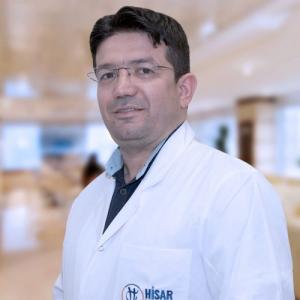
PROF. TAYFUN APUHAN

PROF. TAYFUN APUHAN

28 years of experience
Main specialty: Otorhinolaryngology (ENT) and cervicofacial surgery Years of experience: Over 27 years Notable training: Graduate of the Faculty of Medicine of İnönü (1998); specialization in ENT, Haseki Training and Research Hospital, Istanbul (2003); ... Read more
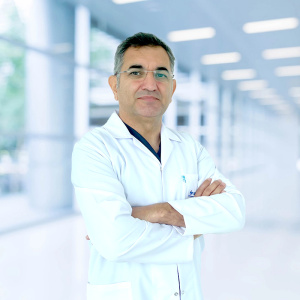
Assoc. Prof. Selman SARICA, MD

Assoc. Prof. Selman SARICA, MD

19 years of experience
Main specialty: Otorhinolaryngology (ENT) Years of experience: Over 19 years Notable training: Medical degree, University of Istanbul (2006); specialization in ENT, Kahramanmaraş Sütçü İmam University (2012) Notable achievements: International ... Read more
4.4 / 5
4.4(222 Reviews)

Certifications :

International Organization for Standardization (ISO) LOKMAN HEKIM ISTANBUL
JCI - Joint Commission International LOKMAN HEKIM ISTANBUL
LOKMAN HEKIM ISTANBUL
Istanbul, Turkey
Prof. Dr. Celil GÖÇER

Prof. Dr. Celil GÖÇER

30 years of experience
Main Specialty : Otorhinolaryngology (ENT)Years of Experience : 30 years.Notable Trainings : Hacettepe University (Bachelor of Medicine),Ankara Training and Research Hospital (Ear Nose and Throat Diseases),Yıldırım Beyazıt University (Ear Nose and ... Read more
Prof. Dr. Ümit TUNÇEL

Prof. Dr. Ümit TUNÇEL

34 years of experience
Main specialty : Otorhinolaryngology (ENT)Years of experience : 28 years.Notable training : Faculty of Medicine, Ankara University (1986 – 1992),Otorhinolaryngology Specialization, SBÜ Ankara Numune Eğitim ve Araştırma Hastanesi (1993 – 1998)Mastered ... Read more
4.7 / 5
4.7(69 Reviews)

Certifications :

JCI - Joint Commission International LIV Ulus
International Organization for Standardization (ISO) LIV Ulus
LIV Ulus
Istanbul, Turkey
Prof. Dr. Abdulkadir Özgür

Prof. Dr. Abdulkadir Özgür

19 years of experience
Main Specialty : Otorhinolaryngology (ENT) Years of Experience : 17 years. Notable Training : Medical degree from Ondokuz Mayıs University – 2003, Residency at İzmir Atatürk Training and Research Hospital, ENT Department – 2009, Master's in Audiology ... Read more
Op. Dr. Elçin Arıtürk

Op. Dr. Elçin Arıtürk

16 years of experience
Main specialty : Otorhinolaryngology (ENT) Years of experience : 14 years. Notable training : Istanbul University Cerrahpaşa Faculty of Medicine (1997-2003) Mastered techniques : Rhinoplasty, Aesthetic surgery of the face and neck, Endoscopic surgery for ... Read more
4.7 / 5
4.7(1 Reviews)
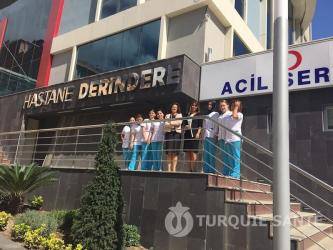
DERINDERE
Istanbul, Turkey
OP. DR. MEHMET YAVUZ ÇIRPICI

OP. DR. MEHMET YAVUZ ÇIRPICI

37 years of experience
4.0 / 5
4.0(2 Reviews)

Certifications :

International Organization for Standardization (ISO) HIZMET By Memorial
JCI - Joint Commission International HIZMET By Memorial
HIZMET By Memorial
Istanbul, Turkey
Dr. Gülsüm ÇEBİ

Dr. Gülsüm ÇEBİ

Doç. Dr. Arzu Yurci

Doç. Dr. Arzu Yurci

4.0 / 5
4.0(2 Reviews)

You have consulted 7 / 31 Hospitals

🩺 Medical note — The content of this page is provided for information purposes and in accordance with our medical charter. It does not constitute medical advice and does not replace a consultation with a healthcare professional. Prices are indicative and will be specified in a personalized quote after reviewing your file. Any treatment must be assessed and approved by a qualified doctor.

What are the types of laryngeal surgery?

The surgical approach depends on the extent of the disease and the tumor's location within the larynx. It also depends on whether organ preservation is still possible.

Partial laryngectomy

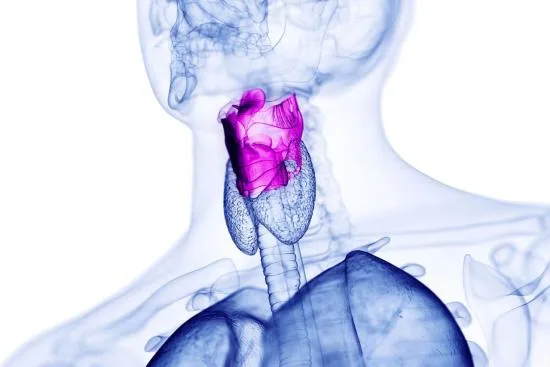
This procedure removes only the diseased section of the larynx, leaving the rest of the organ intact. Since much of the larynx is preserved, patients can usually breathe, swallow, and speak nearly normally after rehabilitation. Several techniques fall under this category.

  • Supraglottic laryngectomy: This procedure removes the structures above the vocal cords, such as the epiglottis, false cords, and hyoid bone. It is used for tumors in the upper larynx. Patients typically retain their voice.
  • Hemilaryngectomy (vertical partial laryngectomy): One vocal cord and part of the thyroid cartilage are removed. Speech is possible, but it may be altered.
  • Near-total laryngectomy: Almost the entire larynx is removed while preserving a thin strip of tissue that allows some voice production.
  • Endoscopic CO₂ laser resection: This is a minimally invasive approach for early-stage or small tumors. It is performed through the mouth without external incisions.

Total laryngectomy

A total laryngectomy removes the entire larynx. Since the natural airway is permanently separated from the digestive tract, breathing no longer occurs through the mouth or nose. Instead, the trachea is redirected to a permanent opening (stoma) at the front of the neck.
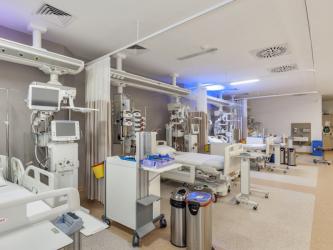
Total laryngectomy is recommended for advanced laryngeal cancer (typically stage III-IV),recurrent cancer after radiation therapy, or severe structural damage that cannot be reconstructed.

Which procedure is right for you?

A multidisciplinary tumor board makes this decision. This team includes an ENT surgeon, an oncologist, a radiologist, and a speech-language pathologist. With Turquie Santé, patients receive a remote preoperative consultation with the team, based on their imaging results and biopsy reports, before traveling to Turkey.

Symptoms & diagnosis: Recognizing the signs that require prompt evaluation

Before exploring treatment options, it's important to understand the symptoms that should alert you to seek medical attention quickly.

Early warning signs of laryngeal cancer

Catching symptoms early can significantly improve treatment outcomes. The most common warning signs include:

  • Persistent hoarseness or noticeable changes in the voice lasting several weeks.
  • Difficulty swallowing (dysphagia) or a sensation of something “stuck” in the throat.
  • Pain or discomfort when swallowing.
  • A chronic cough, sometimes with traces of blood.
  • Shortness of breath or breathing difficulties.

Once these symptoms appear, a precise diagnosis is essential to determine the cause and assess how advanced the condition may be.

How is laryngeal cancer diagnosed in Turkey?

Diagnosis typically involves several complementary tests to get a clear picture of the larynx and surrounding structures:

  • Flexible or rigid laryngoscopy: Direct visualization of the vocal cords and larynx.
  • Medical imaging: CT scan, MRI, or PET scan of the neck to assess the size and spread of the tumor.
  • Biopsy: Tissue sampling (often under general anesthesia) to confirm the cancer type and grade.
  • Functional assessments: Evaluation of voice quality and swallowing function to guide an individualized treatment plan.

These steps help establish an accurate diagnosis and ensure the most appropriate surgical and therapeutic strategy.

Diagnostic support with Turquie Santé

With our coordinated medical assistance, patients benefit from:

This personalized guidance helps you approach the next steps of your care with clarity, confidence, and peace of mind.

When is a laryngectomy recommended?

A laryngectomy is typically indicated in the following situations:

  • Advanced laryngeal cancer (Stage III or IV): When the tumor is too large for radiation alone or has spread to adjacent structures.
  • Recurrence after radiotherapy: When a tumor returns following prior treatment, surgical removal often offers the best chance of long-term control.
  • Radiation necrosis or chondronecrosis: Severe tissue damage caused by prior radiation may require partial or total removal and reconstruction.
  • Severe laryngeal trauma: Fractures or crushing injuries that cannot be repaired.
  • Persistent airway obstruction: Life-threatening breathing difficulty that cannot be managed by less invasive means.

Early-stage laryngeal cancers (Stage I and II) are more often treated with radiation therapy or laser surgery to preserve the organ. Surgery is reserved for cases where function can no longer be safely maintained.

Modern surgical techniques

Laryngeal surgery in Turkey can use techniques designed to limit surgical trauma and speed recovery. They are used in voice box surgery and in laryngeal cancer treatment, depending on the tumor and the hospital.

  • Robotic ENT surgery: robotic-assisted procedures allow precise access with limited scarring, mainly for early-stage tumors.
  • CO₂ laser surgery: a minimally invasive option for small, well-defined lesions, which removes the tumor while sparing as much healthy tissue as possible.
  • Laryngeal and pharyngeal reconstruction: after a total laryngectomy, reconstructive techniques help restore swallowing and communication. They are also used for complex rehabilitation after cancer treatment.

The surgeon chooses the technique according to the stage, the location of the tumor and your general health.

How a laryngectomy is performed in Turkey

Understanding how a laryngectomy works from the initial evaluation to the first days after surgery can help you approach the procedure with greater clarity and confidence. Here is what patients typically experience when undergoing voice box surgery in Turkey.

Before any operation, the medical team completes a full assessment to determine the safest and most effective surgical plan for your specific condition.

Before the procedure

This preparation phase usually includes:

  • A thorough ENT consultation, with a detailed review of all imaging results (CT scan, MRI, or PET scan)
  • Respiratory and nutritional evaluations to make sure your body is ready for surgery
  • A clear explanation of whether a partial or total laryngectomy is recommended, along with what to expect regarding changes in voice, breathing, and recovery

Turquie Santé coordinates all pre-operative communication so that patients can travel to Turkey fully informed and reassured.

Once the plan is finalized, the surgery is performed in a specialized ENT operating theater equipped with advanced technology.

During the surgery

The surgical technique depends on how extensive the disease is:

  • Partial laryngectomy takes approximately 2-3 hours under general anesthesia. The surgeon removes the affected portion while carefully preserving the remaining laryngeal structures.
  • Total laryngectomy typically takes 4-8 hours, depending on whether neck dissection (removal of lymph nodes) is required simultaneously. The surgeon removes the larynx, closes off the pharynx, and creates the permanent tracheostoma. In some cases, a voice prosthesis (tracheoesophageal puncture, TEP) is placed at the same time, enabling voice rehabilitation to begin soon after surgery.

When appropriate, surgeons may use advanced methods such as robotic ENT surgery or CO₂ laser techniques to minimize surgical trauma and support faster recovery.

What happens to your voice after a total laryngectomy?

Losing the natural voice is one of the most emotionally challenging aspects of total laryngectomy. However, modern voice rehabilitation options allow the vast majority of patients to communicate effectively again.

The three main voice restoration methods

  1. Tracheoesophageal voice prosthesis (TEP): Most natural result: A small one-way valve is placed between the trachea and the esophagus (either during or after surgery). When the stoma is covered, air is redirected through the valve into the esophagus, producing vibrations that create a near-natural voice. This is the most widely used method worldwide and produces the most intelligible, natural-sounding speech.
  2. Esophageal speech: No device required: The patient learns to swallow air and release it in a controlled way to produce sound. It requires intensive training with a speech-language pathologist but is entirely hands-free and device-free. Results vary and the voice is typically quieter than TEP speech.
  3. Electrolarynx: Easy to use from day one: A handheld device placed against the neck or in the mouth generates electronic sound, which is then shaped into words by the lips and tongue. It is easy to learn and often used in the early weeks after surgery before other methods are mastered.

Voice rehabilitation begins in the hospital in Istanbul and continues after discharge. Turquie Santé coordinates follow-up with speech-language pathologists both in Turkey and in the patient's home country.

Life after a laryngectomy: Recovery, voice rehabilitation & quality of life

Going through a laryngectomy marks a major turning point, but it also opens the door to a new chapter where recovery, rehabilitation, and long-term support play an essential role in restoring comfort and independence.

Post-surgery recovery

Healing after a laryngectomy progresses step by step and is closely supervised by the medical team. In the first few days, the focus is on wound healing, pain control, and helping the patient adapt to breathing through the permanent tracheostoma. Nurses and respiratory specialists teach patients how to clean and maintain the stoma, how to cough effectively, and how to prevent respiratory infections.

Once back home, patients continue recovering at their own pace, regaining strength, adjusting to their new airway, and gradually returning to everyday activities. 

Key daily care tasks include:

  • Cleaning the stoma with saline solution to remove secretions.
  • Using a heat-moisture exchanger (HME) to humidify and filter inhaled air.
  • Avoiding swimming and protecting the stoma from water during showering.
  • Monitoring for signs of infection, redness, or breathing difficulty.

Diet and swallowing rehabilitation

After partial laryngectomy, swallowing may be difficult for several weeks. A speech-language pathologist guides patients through swallowing exercises and diet texture progressions, from liquids to soft foods and eventually a normal diet.

After total laryngectomy, swallowing is preserved (the esophagus is not removed),but the reconstructed pharynx may cause mild narrowing requiring endoscopic dilation.

Long-term follow-up

  • ENT check-ups every 3 months in the first two years, then every 6 months
  • Annual CT or PET scan to monitor for recurrence
  • Ongoing support from a speech-language pathologist for voice and swallowing
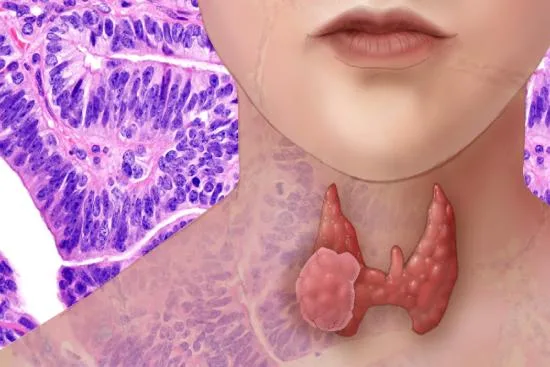
  • Thyroid function monitoring if the thyroid was affected
  • Psychological support, depression and anxiety are common after laryngectomy; mental health follow-up is a recommended part of comprehensive care

If you are looking for ENT teams in Turkey that specialize in post-laryngectomy rehabilitation, Turquie Santé can provide you with personalized, compassionate guidance.

What are the risks and complications of laryngeal surgery?

All major surgeries carry risks. Understanding them helps patients prepare and recognize warning signs early. The main complications associated with laryngectomy include:

ComplicationDescriptionHow it is managed
Pharyngocutaneous fistulaA leak between the pharynx and skin, the most common post-laryngectomy complication (occurs in ~10-20% of cases)Conservative wound care, temporary nasogastric feeding; rarely requires reoperation
Tracheal stenosisNarrowing of the stoma or trachea, making breathing difficultStoma revision surgery or dilation
Esophageal stenosisNarrowing of the reconstructed pharynx, causing swallowing difficultyEndoscopic dilation, dietary modification
Wound infectionBacterial infection of the surgical siteAntibiotics; drain placement if needed
Nerve injury (hypoglossal, accessory nerve)Rare; may cause tongue or shoulder weaknessPhysiotherapy; most cases improve over time
HypothyroidismReduced thyroid function following surgery near the thyroid glandLifelong thyroid hormone replacement
Chyle leakLeakage of lymph fluid from the thoracic duct (rare)Dietary fat restriction; surgical repair in severe cases

The risk of complications depends on the stage of the disease, previous radiotherapy, the patient's general health and the experience of the surgical team. Ask the team how many similar procedures they perform each year and how complications are managed.

Other procedures in this specialty

Share this page

Our assistants help you to get the best options in Laryngeal surgery