





Summary
- Seek urgent medical help if you have any of these after surgery
- Understanding Cosmetic and Aesthetic Surgery
- Common Cosmetic Surgeries Performed in Turkish Clinics
- What to Consider About Having Surgery in Turkey
- Realistic Expectations and Considerations
- Preparing for Your Consultation
- Travelling for Surgery: Safety Considerations
- Non-Surgical Options and Phased Approaches
- Recovery and Follow-Up Care
- Sources
Seek urgent medical help if you have any of these after surgery
Complications can occur after any operation, including in the days after you return home. Call emergency services or go to the nearest emergency department immediately if you have:
- chest pain, sudden shortness of breath, coughing blood, or a fast heartbeat (possible blood clot in the lung);
- pain, swelling, warmth or redness in one leg or calf (possible deep vein thrombosis);
- fever, spreading redness, pus, or a foul-smelling wound;
- heavy or rapidly increasing bleeding, or a fast-growing, tense, painful swelling at the surgical site;
- wound opening, skin turning dark or blue-grey, or severe pain that is getting worse;
- sudden vision changes, severe headache, confusion, or difficulty breathing or swallowing.
Do not wait for a scheduled follow-up if these signs appear.
Understanding Cosmetic and Aesthetic Surgery
Physical appearance holds significant weight in modern society. The rise of social media and celebrity culture has made the idea of aesthetic enhancement more visible and socially accepted. Many people consider cosmetic procedures to align their appearance with their self-image, whether that means refining facial features or reshaping their body.
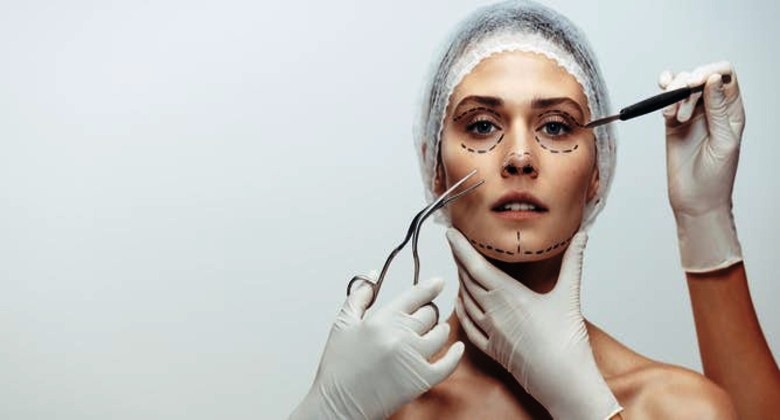
Plastic surgery encompasses far more than aesthetic procedures. Aesthetic enhancement is one application, but surgeons also perform reconstructive operations to rebuild damaged or malformed body parts, address congenital conditions, or restore function following trauma or illness.
The distinction matters clinically. Reconstructive procedures may be medically necessary, while purely cosmetic procedures are elective. Modern reconstructive techniques developed considerably after World War I, when surgeons treated the extensive facial and body injuries of soldiers, and plastic surgeons still apply many of those principles in civilian medicine today.
Every surgery carries risks, and no outcome can be guaranteed. Cosmetic surgery is a personal decision that should only be made after a careful medical evaluation.
Common Cosmetic Surgeries Performed in Turkish Clinics
Turkey is a destination for medical tourism, and patients travel there from Europe, the Middle East and elsewhere for aesthetic procedures. Turquie Santé works with partner clinics that offer a range of aesthetic services. The treatment itself is carried out by the surgeon and the clinic. All durations and recovery times below are general estimates that vary with the technique, the patient's anatomy and the surgeon's approach, so confirm them with your own surgeon.
Rhinoplasty (Nose Reshaping)
Rhinoplasty is one of the most requested aesthetic procedures. The surgery can address aesthetic concerns such as a dorsal hump, a bulbous tip or asymmetry, as well as functional issues like breathing difficulties. Surgeons may use open or closed techniques, depending on the extent of reshaping required.
Visible swelling often takes one to two weeks to diminish, although the final result emerges gradually over several months to a year as tissues settle. Variations exist: septorhinoplasty combines structural correction with aesthetic refinement when the nasal septum requires straightening.
Limits and risks: bleeding, infection, persistent swelling, asymmetry, scarring, breathing problems, reduced sense of smell, numbness, dissatisfaction with the shape, and a possible need for revision surgery. Cautions: active infection, uncontrolled medical conditions, smoking and unrealistic expectations should be discussed with the surgeon beforehand.
Breast Augmentation and Contouring
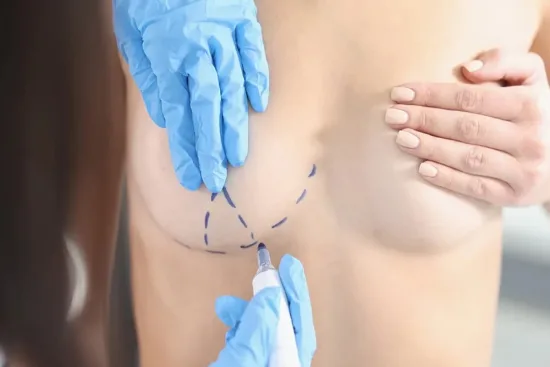
Breast augmentation ranges from implant placement to fat transfer techniques. Silicone and saline implants are both used, and preferences vary by geography and anatomy. Surgeons assess tissue quality, existing breast volume and body proportions to discuss implant size and placement (under or over the muscle), which affects both appearance and recovery.
The operation is usually performed under general anesthesia, and its duration depends on the technique and the case, so treat any figure as approximate. Discomfort is usually greatest during the first week and subsides gradually over several weeks. The time before strenuous exercise can resume varies, and surgeons often advise waiting several weeks.
Breast implants are not lifetime devices. They need regular monitoring, and many patients eventually need revision, replacement or removal. Your surgeon can explain the current recommendations for imaging follow-up for your type of implant.
Limits and risks: infection, bleeding, hematoma, capsular contracture (hardening of scar tissue around the implant), implant rupture or displacement, asymmetry, changes in nipple or breast sensation, visible rippling, difficulty with breastfeeding in some cases, and the need for reoperation. Regulators such as the US FDA have also reported a rare lymphoma associated with textured breast implants (BIA-ALCL) and other implant-related concerns. Cautions: pregnancy and breastfeeding, active infection, untreated breast disease, and uncontrolled medical conditions. Ask your surgeon for the implant brand, type and lot details, and keep your implant card.
Body lifting procedures are sometimes combined with breast surgery, particularly after significant weight loss. Procedures like body lift surgery address loose skin and tissue laxity in several body zones. They are large operations with longer recovery times and a higher risk of complications such as wound-healing problems, fluid collections, infection and blood clots. Stable weight and good general health are usually expected.
Facelift and Facial Rejuvenation
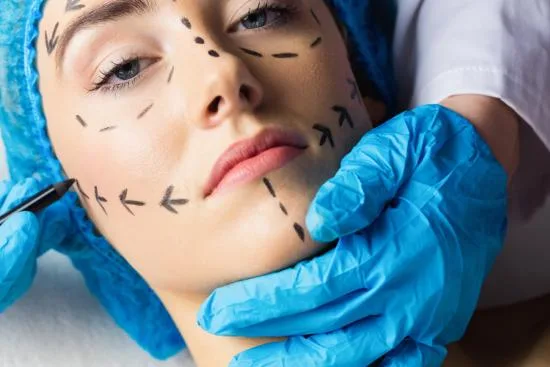
Facelifts address sagging skin, deep creases and loss of facial definition that accompany aging. Techniques vary with individual needs: traditional facelifts address the lower face and neck, while mid-facelifts target the cheek area and under-eye region. Neck lifts specifically refine neck contours and the jawline.
Bruising and swelling often take two to three weeks or more to resolve, while complete healing continues for several months. The longevity of results varies widely with skin quality, sun exposure, smoking, genetics and the technique used, and the face continues to age after surgery. Complementary procedures such as eyelid surgery, chemical peels or laser treatments may be discussed.
Limits and risks: hematoma, infection, visible scars, numbness, temporary or, rarely, lasting weakness of facial muscles due to nerve injury, skin necrosis (higher in smokers), hair loss near the incisions, asymmetry and unsatisfactory results. Cautions: smoking, uncontrolled blood pressure or diabetes, and anticoagulant medication must be reviewed beforehand.
Liposuction and Body Contouring
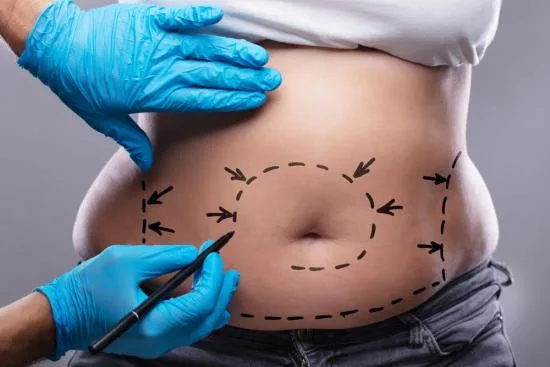
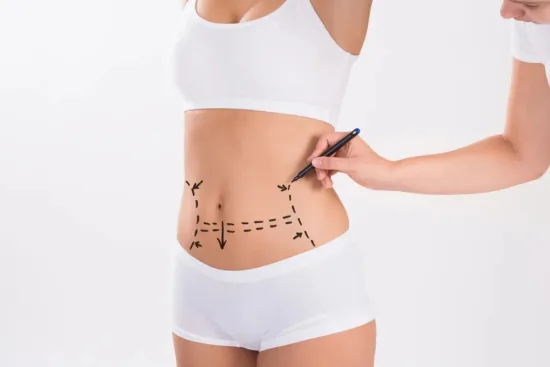
Liposuction removes localized fat deposits that do not respond well to diet and exercise. It is not a treatment for obesity or a weight-loss method. Techniques such as tumescent and ultrasound-assisted liposuction are used. Common treatment areas include the abdomen, flanks, thighs and arms.
Results appear gradually as swelling subsides, which can take several months. Liposuction is generally better suited to people with good skin elasticity and a stable weight, and people with significant skin laxity may be advised to consider other procedures. Compression garments are commonly worn for several weeks. Weight gain after surgery can affect the result.
Limits and risks: contour irregularities, asymmetry, fluid collections (seroma), bruising, numbness, infection, skin changes, fat or blood clots (embolism), deep vein thrombosis, and, in rare cases, injury to deeper structures, fluid or anesthetic toxicity and death. The risks increase with the volume of fat removed and when several procedures are combined. Cautions: uncontrolled medical conditions, clotting disorders, pregnancy, and unstable weight.
Chin and Jaw Enhancement
Chin augmentation uses implants or bone advancement to improve facial proportion and profile. Jaw surgery addresses structural misalignment and can improve bite function as well as facial aesthetics. These procedures are sometimes combined with rhinoplasty.
Chin implant surgery is generally shorter than corrective jaw surgery, which is more complex and is planned together with an orthodontist. The duration of both depends on the case, so any figures given should be considered approximate. Recovery involves swelling and temporary numbness that may last weeks to months. Functional improvement (chewing, speech) may accompany aesthetic changes but is not guaranteed.
Limits and risks (chin): infection, implant displacement or exposure, bone resorption, nerve injury with numbness, asymmetry. Limits and risks (jaw surgery): numbness or altered sensation of the lip and chin (sometimes long-lasting), bleeding, infection, bite problems, jaw joint pain, relapse of the jaw position, sinus problems, anesthesia complications, and the need for further procedures. Cautions: incomplete growth, untreated dental or gum disease, smoking and bleeding disorders.
Eyelid Surgery and Ear Surgery
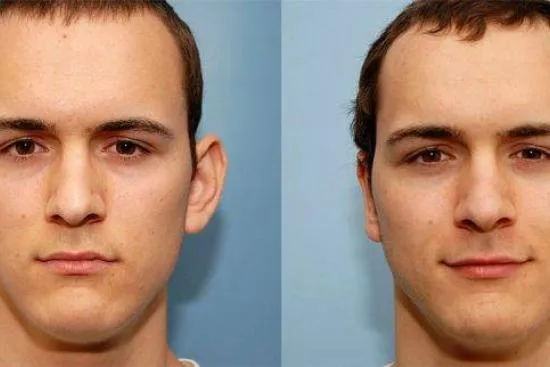
Blepharoplasty removes excess upper eyelid skin or lower eyelid fat, which can create a more rested appearance. Otoplasty reshapes protruding ears, is commonly performed in children and is also available for adults. Ear reconstruction addresses congenital absence or trauma-related deformity.
Limits and risks (blepharoplasty): dry eyes, difficulty closing the eyes, asymmetry, scarring, bleeding, infection, double vision, and very rarely vision loss. Sudden severe eye pain or vision changes need emergency care. Limits and risks (otoplasty and ear reconstruction): hematoma, infection, asymmetry, recurrence of ear prominence, scarring, skin or cartilage problems, and the possibility of further procedures.
What to Consider About Having Surgery in Turkey
Some patients choose Turkey because of the availability of clinics experienced in aesthetic surgery, the facilities offered and the cost compared with their home country. These factors do not replace the need to check each surgeon and each clinic individually. Turquie Santé is an information and coordination platform that works with partner clinics. It does not perform the treatment, and it cannot guarantee any result.
- Verify credentials. Ask for the surgeon's name, specialty (for example plastic, reconstructive and aesthetic surgery), training and board registration, and ask how often they perform the procedure you are considering.
- Check the facility. Ask which hospital or clinic will host the operation, whether an intensive care unit and a blood bank are available, who provides the anesthesia, and what happens if there is an emergency.
- Ask about materials. For implants and other devices, ask for the manufacturer, model, regulatory certification (such as CE marking or other approvals) and lot number, and keep that documentation.
- Medical suitability. Certain medical conditions, active infection, smoking, unrealistic expectations or the use of specific medication may mean the procedure is unsuitable or should be postponed.
Realistic Expectations and Considerations
Cosmetic surgery can improve appearance but it does not create perfection and it does not treat underlying emotional difficulties. If you are struggling with how you see your body, a conversation with a mental health professional before surgery may help. Results vary based on anatomy, healing and surgical technique. Some procedures produce immediate visible change, while others reveal final outcomes gradually over months.
Potential complications include infection, bleeding, asymmetry, scarring, blood clots, anesthesia-related problems and dissatisfaction with the results. Revision surgery is sometimes necessary and is not always covered. Recovery demands patience, because swelling obscures the true result initially and tissue remodeling continues for months. Restrictions on driving, heavy lifting and exercise apply temporarily.
The financial commitment can extend beyond the initial procedure. Revision costs, possible additional surgery and long-term maintenance (such as implant replacement and skin care) should be part of your planning. Ask each clinic for a written breakdown of what is included in the quoted price and what is not, and ask about its policy on complications and revisions. Be wary of any promise of guaranteed results.
Preparing for Your Consultation
Before pursuing any cosmetic procedure, arrange a detailed consultation with a qualified surgeon, ideally first in your home country and then with the surgeon who would operate. Bring reference photos of the result you hope for, because realistic examples help the surgeon understand your goals. Discuss your medical history, current medications (including blood thinners and supplements), allergies and previous surgeries. Ask directly about:
- the surgeon's specific experience with the procedure you want;
- before-and-after photos of real patients with similar anatomy, and whether those patients gave consent;
- potential complications and how often they occur;
- the recovery timeline and activity restrictions;
- the policy if you are unhappy with the result or need a revision, and who pays for it;
- the type of anesthesia and the safety arrangements;
- a detailed cost breakdown, including all fees.
Turquie Santé can help you compare clinics, share information about the options available and coordinate travel logistics. Some patients combine their trip with a recovery period abroad. This is a possible option, but it is not always appropriate, and your surgeon decides when you can safely travel.
Travelling for Surgery: Safety Considerations
- A first evaluation at home. A trip does not replace the initial medical evaluation. See a doctor in your home country first to review your health and whether the procedure is suitable, and bring your medical records, test results and a list of your medication.
- Flying after surgery. Surgery, anesthesia and long periods of sitting increase the risk of blood clots. Ask your surgeon how long to wait before flying home, especially after liposuction, body lifts, breast surgery or facial surgery, and about the use of compression stockings, walking and hydration. Many surgeons advise staying near the clinic for some days. Do not fly with fever, chest pain, shortness of breath or leg swelling.
- Do not stack too many procedures. Combining several operations or travelling with a very short stay increases the risk of complications.
- Warning signs. Know the signs listed at the top of this page, and know who to contact and where to go for emergency care both in Turkey and at home.
- Follow-up from a distance. Arrange in advance how you will stay in touch with the surgical team (photos, calls, a reporting plan), and identify a doctor at home who is willing to follow your recovery.
- Complications and re-operation. If a problem occurs after you leave, treatment can be harder to organize, and a doctor at home may not know exactly what was done. Keep the operative report, discharge summary, implant card and a list of the medications you received.
- Insurance. Check whether your travel or health insurance covers complications of elective surgery abroad. Many policies do not.
Non-Surgical Options and Phased Approaches
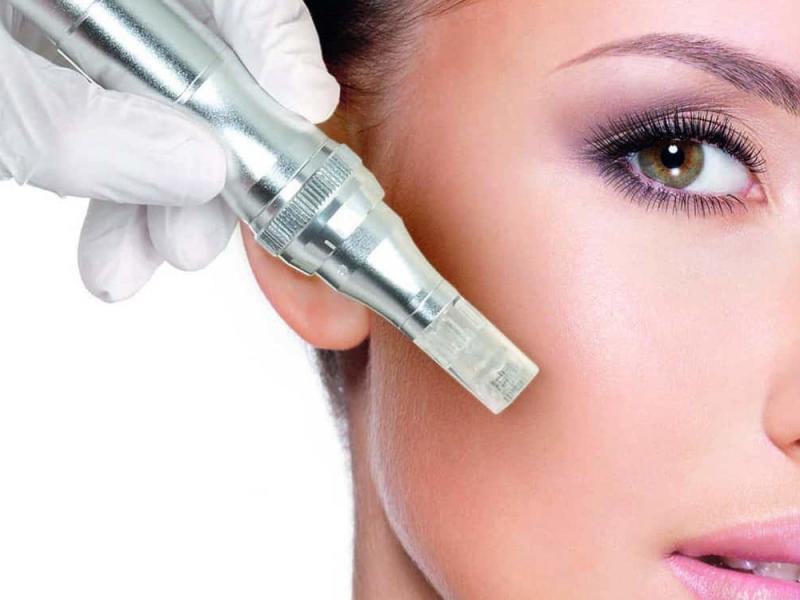
Not every aesthetic concern requires surgery. Non-surgical options include dermal fillers for volume loss, microneedling, which aims to stimulate collagen production, and laser treatments for skin texture. These generally involve no general anesthesia and less downtime than surgery, and many are less costly, but they have their own limits and risks.
Their effects are temporary and vary with the product, the area treated and the patient, from a few months to a year or more for fillers. Possible risks include bruising, swelling, infection, lumps, pigment changes, burns (lasers), scarring and allergic reactions. Fillers can in rare cases block a blood vessel, causing skin damage or vision loss, which is a medical emergency. These treatments should be done by a trained doctor.
Some patients prefer a phased approach: beginning with less invasive options and considering surgery later if they still wish. This may reduce financial and recovery-related commitments, but the right path depends on the individual.
Recovery and Follow-Up Care
Postoperative instructions have a direct effect on results. Compression garments, elevation, cold therapy and activity modification may help with swelling and scar quality, but they must follow your surgeon's specific instructions. The time needed away from work depends on the procedure, the patient and the type of job, and commonly ranges from about one to several weeks. Full recovery, with resolution of swelling and the final aesthetic appearance, often takes several months depending on the procedure.
Follow-up appointments monitor healing, assess outcomes and address concerns. Some patients have temporary numbness, asymmetry or results that are not what they hoped for, and some need revision. Keep open communication with your surgical team and report any worrying sign promptly.
Sources
- American Society of Plastic Surgeons (ASPS): patient information on cosmetic and reconstructive procedures and their risks.
- International Society of Aesthetic Plastic Surgery (ISAPS): international information and statistics on aesthetic procedures.
- U.S. Food and Drug Administration (FDA): Breast Implants: safety information on breast implants.
- World Health Organization (WHO): general health information.
Medical disclaimer: This article does not constitute medical advice, a diagnosis or a treatment recommendation. Risks, recovery times and results differ between patients. Consult a qualified surgeon before any procedure, and seek emergency care immediately if you notice any of the warning signs described above.
"Professional medical writer, I provide information about medical procedures and treatments according to rigorous standards. Each content is based on reliable scientific references and a professional review process, to guide patients and help them make informed decisions with confidence."
Need a personalized medical opinion?
Our partner doctors reply online within 24h, free of charge.