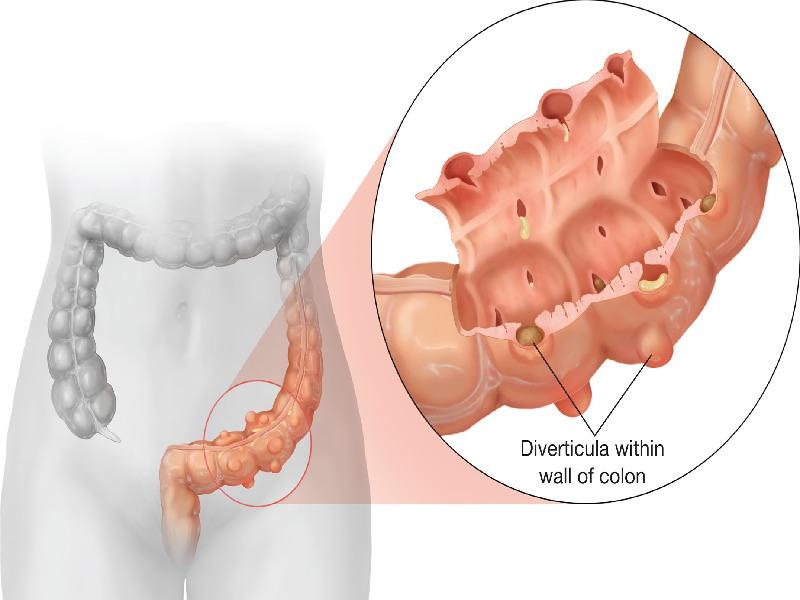
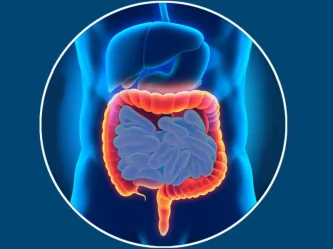
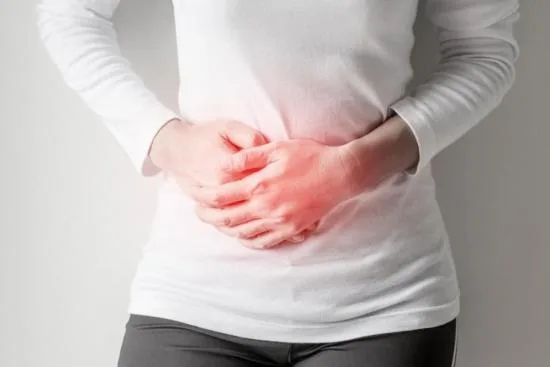
Sudden pain in your lower left abdomen, accompanied by fever or altered bowel habits, is a primary sign of diverticulitis, the inflammation of small pouches in the colon wall. Most mild cases resolve quickly with antibiotics and diet, while severe or recurring cases may require surgery.
In Turkey, colorectal specialists treat diverticulitis following strict international guidelines, starting with the least invasive approach. Turquie Santé connects you with top specialists in Istanbul and reviews your medical file before you make any decisions.
How much does diverticulitis treatment cost in Turkey?
Non-surgical treatment (consultations, nutritional guidance, and medical management without surgery) is generally very affordable. Surgical treatment, partial colectomy or colon resection, typically ranges from $2,725 to $6,540, depending on the technique (laparoscopic vs. open) and the complexity of your case. This usually includes medical coordination, hospitalization, the procedure itself, and assistance throughout your stay.
For an exact, itemized price tailored to your case, contact us for a free remote consultation.
Why choose Treatment of diverticulitis with Turquie Santé ?
Expert surgeons and internationally certified hospitals
Substantial savings compared with European prices
Medical stay organized from A to Z
Transparent pricing, itemised before your stay
Free assistance
All about your Treatment of diverticulitis in Turkey
Benefits
Payment
Highly qualified professionals in accredited institutions.
We assist you before, during, and after your trip
Book with full transparency, no hidden fees or commissions.
You will pay your clinic directly using these available methods:
Honestly, it was an amazing experience for me — everything was perfect from the moment I arrived. The care was excellent; I have nothing negative to say. If I were to have another surgery, I would choose Turquie Santé without hesitation.
Bálint
12/07/2026
An excellent experience from start to finish. From the very first moment we felt accompanied and cared for in every detail, as if we were the protagonists of a well-organized film where nothing was left to chance. I write this review in detail because I believe anyone considering it deserves to know not only that everything went well, but why.
COORDINATION: From the beginning Emily coordinated everything for us—always attentive, approachable, and available for any question. In addition, throughout the process we had an online assistant who guided us continuously. We had all the necessary information at our disposal, both to find our way and for our comfort. At no point did we feel lost.
TRANSFERS: Impeccable. We never had to wait even once. The quality and treatment were exceptional; the transfer vehicle itself was on the level of a luxury hotel. Transfers to follow-up appointments were also always punctual and in clean vehicles.
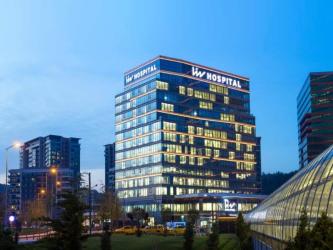
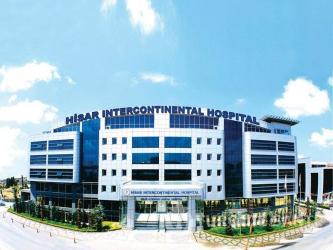
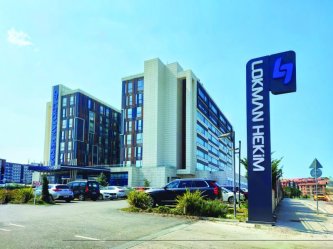
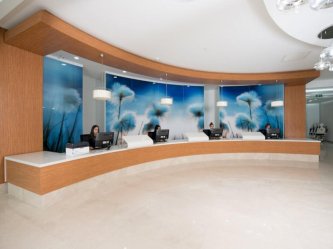
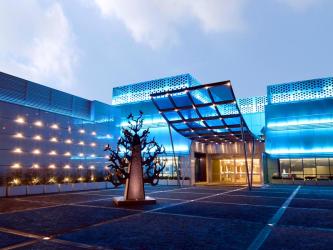
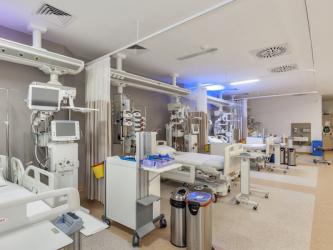
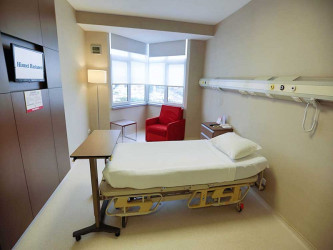
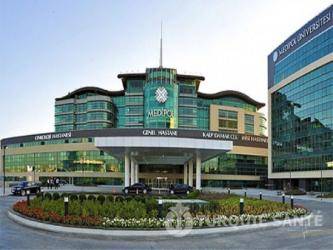
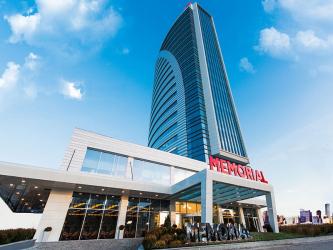
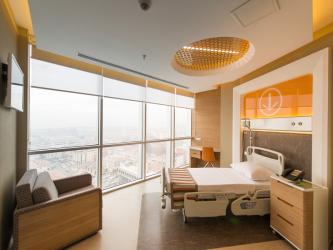
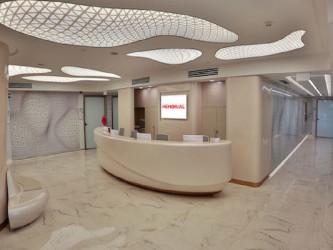
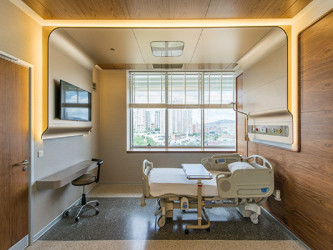
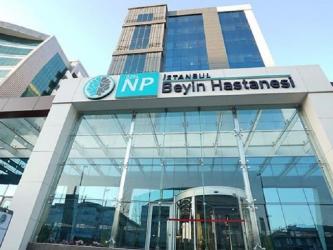
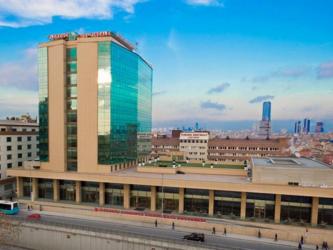
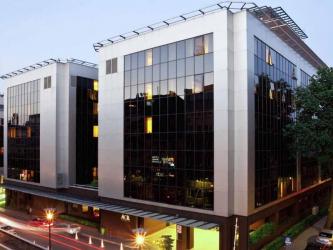
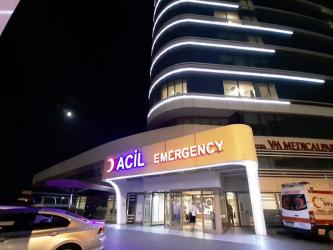
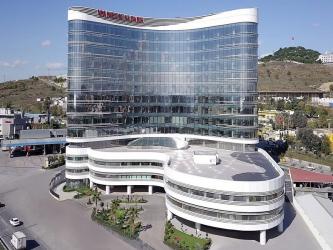
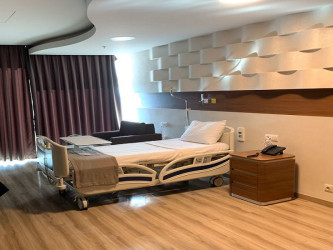
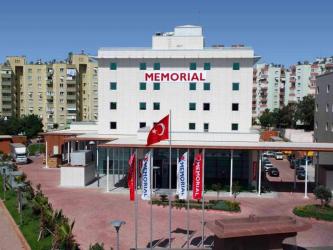
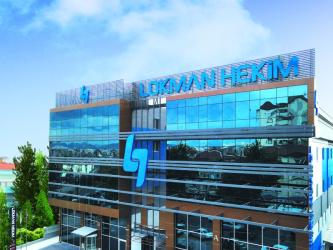
THE HOSPITAL: A modern, attractive building with top-level staff and equipment. The room was comparable to a luxury hotel. The stay includes full board, with three substantial meals a day for both the patient and the companion. The hospital even has its own café.
THE PROCESS: We spent 3 nights in the hospital (plus the night of arrival, since we landed after 8 p.m.). That first night they carried out all the preparatory tests without delay. The next morning we met the doctor and everything proceeded as planned, precisely on time. The doctor worked excellently and was very kind. Recovery was quick, painless, and without complications.
OUR LOCAL ASSISTANT, ISMAEL: He deserves a special mention. He helped us with everything and was always available when we needed him. It makes a real difference to feel that someone is looking out for you at all times.
THE SURROUNDINGS: Around the hospital there are shops, a pharmacy, and green areas with parks where the companion can relax. If desired, you can also get to know some of the local culture.
THE HOTEL: After the hospital we were moved for 3 nights to a lovely, quiet, and clean 4-star hotel, ideal for the recovery period. The food was delicious, varied, and of good quality. Less than 500 meters away there were shops and restaurants, so everything needed was within easy reach.
THE CARE: Everyone was very kind, including people on the street. Before we left they gave us all the information about the medication, and contact remains ongoing: if you have any doubts, they help immediately.
In short: professionalism, warmth, and impeccable organization at every stage. Thanks to Emily and the whole team at Turquie Santé. I recommend them wholeheartedly.
InTHE Era
28/06/2026
This is the best Hospital for all your needs, and it exceeds my expectations. Bravo to the entire team that made this trip for me seamless. From the driver to the Doctor, everyone was extremely welcoming and managed my condition well. All were well prepared despite certain hiccups along the way, but they rectified everything swiftly. No other complaints. Thank you so much, and I can't wait to come back for my review soon.
Achraf Noufile
17/06/2026
Very satisfied, thank you for your professionalism.
Tevaearai Klint
06/05/2026
Hello,
I had a nasal reconstruction and I'm torn between being "happy with the result" and "disappointed with the result" because, aesthetically, the nose looks good but when I touch it a piece of bone hasn't fully integrated — it cracks and you can feel it move when I touch my nose. Also, around the nostrils the nose is very hard because the doctor added cartilage horizontally without asking me.
I therefore have to have another surgery to remove that cartilage and reinforce the part that keeps cracking.
Carly PETIT
20/04/2026
Very good care. Very well organized, no unpleasant surprises. I am very satisfied.
Shanel Lebegge
17/04/2026
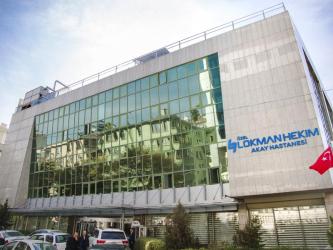
Hospital!!!! LOKMAN HEKIM ISTANBUL!!! AVOID!!! I took my direct return flight and left that hospital — they did a blood draw. They paralyzed my hand. Terrible reception, they only talk about money and they treat you like crap. I went back home, and don't anyone try to tell me otherwise, because I have proof: my hand was all blue and paralyzed from a simple blood draw. My cousin and I bailed!! Don't make the mistake of going there! We arrived; I was supposed to be fasting. I didn't even get a drop of water, and when I asked, they grumbled!!!
Edwon Freitas
16/01/2026
I’m very grateful from start to finish communication and for the care I received during my operation. The medical team was professional, kind, and reassuring throughout the entire process. Everything was clearly explained, and my recovery has been going well. Thank you for the excellent care.
Elisabeth OGRODZKI
14/11/2025
I had an exceptional experience with Turquie-santé for my eye surgery in Turkey. They offer very competitive prices, and I would especially like to thank Nassim. His professionalism and availability were remarkable, and he brilliantly corrected the mistakes of his predecessor. I highly recommend their services!
jolie mbuyi
14/11/2025
I would like to thank all the staff at this hospital for their excellent welcome and impeccable care. A special thank you to Emily, who demonstrated great efficiency, genuine understanding, and immense availability. She listened attentively and supported us from beginning to end; she is a truly lovely woman. Don't hesitate to trust them; you will be in good hands!
Kevin Amrani
11/11/2025
Go there with your eyes closed, stop listening to what they tell you in France.
The service is so impeccable, not a single misstep, from the airport pick-up upon arrival in Turkey to the return to the airport after the operation.
The medical staff is very kind, the surgeon is extremely competent, a brand new 4-star hotel with a Turkish breakfast. A 24-hour translator, a rate two and a half times cheaper than in France... I'll stop there, no need to go any further.
This content complies with the editorial policy of Turquie Santé. It was written by Emily White, Head of the Editorial Team, who has over 11 years of experience in scientific research and clinic management in Turkey. She ensures the reliability of medical information while making complex data accessible to everyone.
Get a free medical opinion on Treatment of diverticulitis with our 18 Recognized Clinics
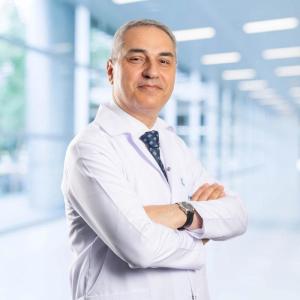
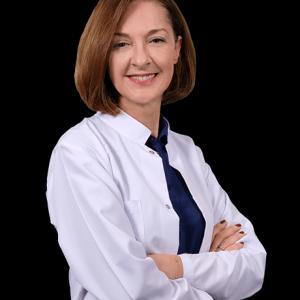
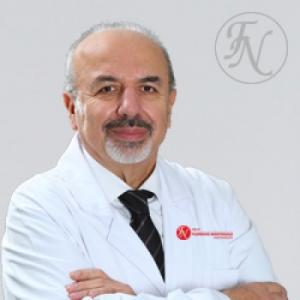
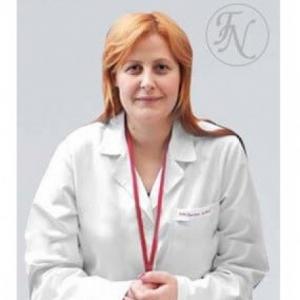
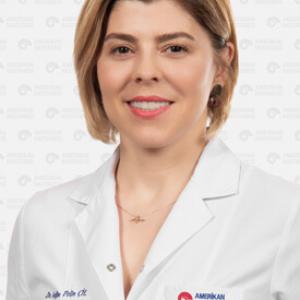
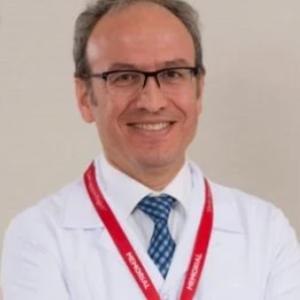
Main specialty: General surgery, laparoscopic surgery
Years of experience: Over 12 years
Notable training: Medicine at Osmangazi University in Eskişehir; specialization in general surgery at Dr. Sadi Konuk Hospital, Bakırköy
Notable ... Read more
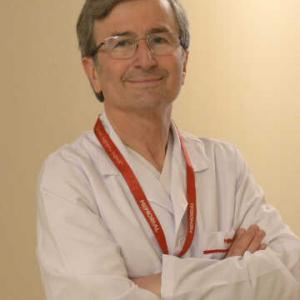
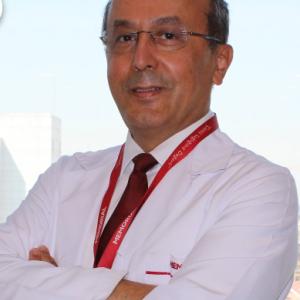
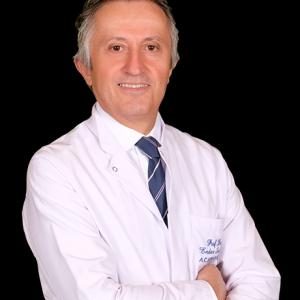
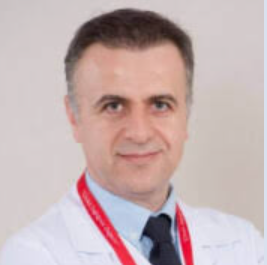
Main specialty : General Surgery, with particular expertise in colorectal surgery.Years of experience : 36 years.Notable training : Specialization in General Surgery at the Faculty of Medicine of Cerrahpaşa University (1992 - 1997)Mastered techniques : ... Read more
What's the difference between diverticulosis and diverticulitis?
These two terms are related but not the same, and mixing them up can cause unnecessary confusion:
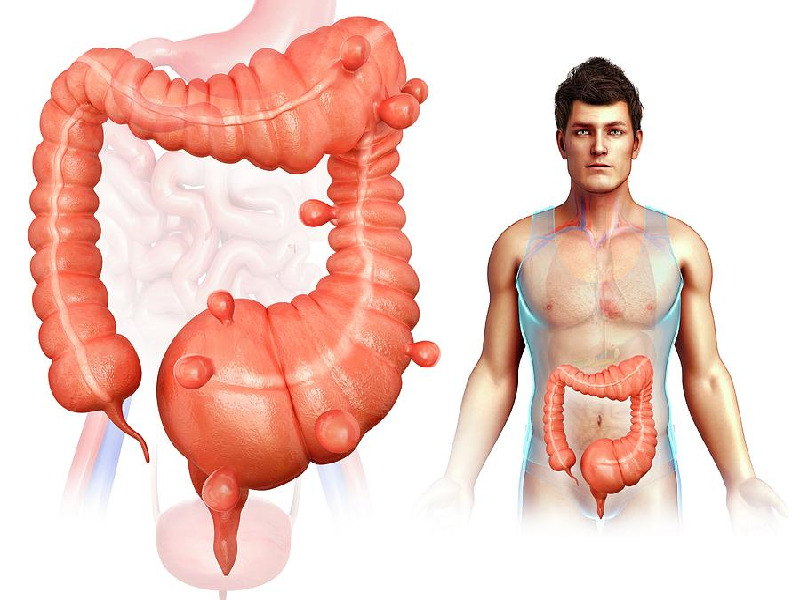
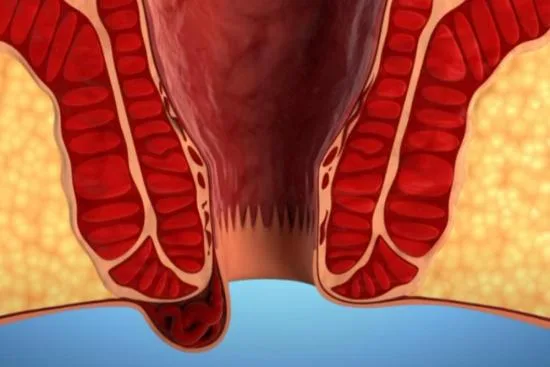
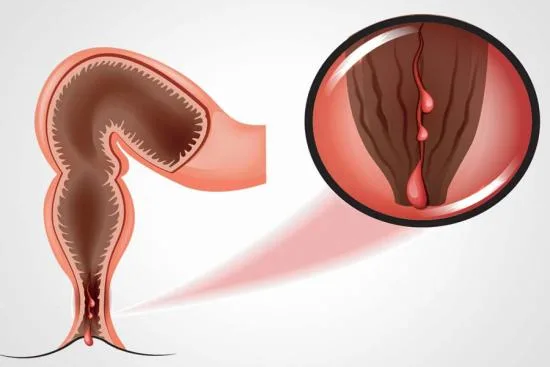
Diverticulosis is simply the presence of diverticula, small pouches that form in weak spots of the colon wall, usually from increased pressure inside the colon over time. It's extremely common, especially after age 50, and in most cases causes no symptoms at all.
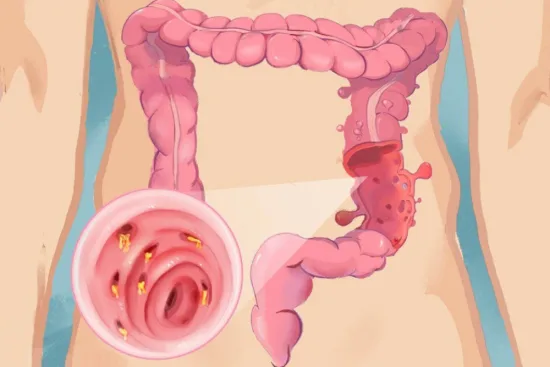
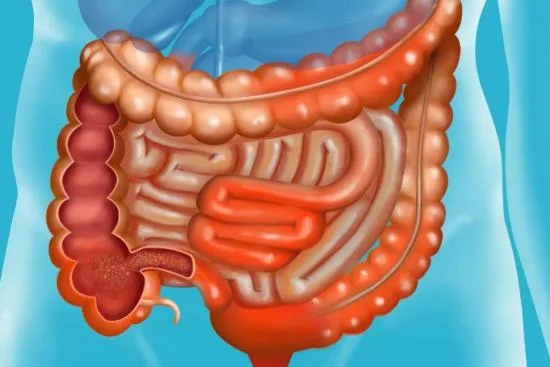
Diverticulitis is what happens when one or more of these pouches become inflamed or infected. This is the condition that causes real pain and, in some cases, requires urgent medical attention.
If you were diagnosed with diverticulosis incidentally (say, during a colonoscopy for another reason) and have no symptoms, you likely don't need active treatment, just the dietary habits covered below to reduce your risk of a future flare-up. If you're dealing with pain, fever, or other symptoms right now, you're likely looking at diverticulitis, covered in detail from here on.
What are the symptoms of diverticulitis?
Diverticulitis symptoms can develop suddenly or worsen over a few days as inflammation builds up within the colon wall.
Common symptoms
Localized abdominal pain: Persistent, sharp pain, most frequently located in the lower left side of the abdomen (though it may occur on the right side in patients of Asian descent).
Fever & chills: Signs of active systemic infection or acute inflammation.
Digestive disturbances: Marked changes in bowel habits, including severe constipation, sudden diarrhea, or persistent bloating.
Nausea & vomiting: Resulting from localized peritoneal irritation or partial intestinal transit disruption.
Abdominal tenderness: Discomfort or pain when pressure is applied to the lower abdomen.
Elevated heart rate (tachycardia): A physical stress response driven by inflammation or fever.
Red Flag: When to seek emergency care immediately
If abdominal pain suddenly becomes excruciating, spreads across your entire stomach, or your abdomen feels hard, rigid, and extremely tender to the touch ("board-like"),seek emergency emergency care at once. These are classic signs of a bowel perforation or severe peritonitis, a medical emergency that requires immediate surgical evaluation.
What causes diverticulitis, and who's at risk?
Diverticula form when pressure builds inside the colon and pushes the inner lining through weak points in the muscular wall, inflammation or infection of these pouches is what turns diverticulosis into diverticulitis. Risk factors include:
Age over 50 (risk increases with age).
A low-fiber diet.
Diets high in red meat and processed sugar.
Obesity and a sedentary lifestyle.
Smoking.
A family history of diverticular disease.
Long-term use of NSAIDs or corticosteroids.
How is diverticulitis diagnosed?
Contrast-enhanced abdominal CT scan is the gold standard for diagnosing diverticulitis, with an accuracy approaching 99%. It doesn't just confirm the diagnosis, it also shows exactly how severe the inflammation is (whether it's uncomplicated, or involves an abscess, perforation, or fistula),which directly shapes your treatment plan.
Your workup may also include:
Blood tests to check for signs of infection.
Colonoscopy, typically done after the acute inflammation has settled (usually 6-8 weeks later),both to confirm the diagnosis and to rule out colon cancer or other conditions that can mimic diverticulitis.
Is your diverticulitis complicated or uncomplicated? Why it matters
This distinction drives your entire treatment path:
Category
Uncomplicated diverticulitis
Complicated diverticulitis
What it means
Localized inflammation, no abscess, perforation, or fistula
Inflammation with an abscess, free perforation, fistula, bowel obstruction, or peritonitis
Typical first-line treatment
Often managed on an outpatient basis with antibiotics (in select cases, even without antibiotics) and dietary adjustment
Usually requires hospitalization, IV antibiotics, and often intervention (drainage or surgery)
Surgery needed?
Rarely, on first presentation
Often, particularly for perforation, uncontrolled infection, or fistula
International gastroenterology guidelines no longer recommend automatic preventive surgery simply because a patient has experienced two episodes of uncomplicated diverticulitis. Instead, modern colorectal specialists evaluate your overall quality of life, persistent symptoms, and specific CT scan findings rather than relying on a arbitrary number of past flare-ups.
How is uncomplicated diverticulitis treated?
For mild, uncomplicated cases, treatment usually focuses on calming the inflammation and supporting your colon as it heals:
Antibiotic therapy, when indicated, to treat the underlying infection.
Temporary dietary adjustment: a clear liquid or low-residue diet during the acute flare, gradually progressing back to a normal, high-fiber diet as symptoms improve.
Pain management as needed.
Follow-up to confirm the episode has fully resolved.
Most patients recover from an uncomplicated episode within a few days to about a week.
When is surgery needed for diverticulitis?
Surgery is reserved for severe, complicated, or refractory cases where non-surgical management is insufficient or unsafe:
Generalized peritonitis or free perforation, a surgical emergency.
Uncontrolled infection that doesn't respond to antibiotics.
Bowel obstruction caused by scarring or severe inflammation.
Fistula formation, an abnormal connection between the colon and another organ, such as the bladder.
Failure of medical treatment, or attacks that keep recurring and significantly affect your quality of life.
Surgery may be urgent (to control a life-threatening infection or perforation) or elective (planned after inflammation has settled, which allows for better surgical planning).
What does diverticulitis surgery involve?
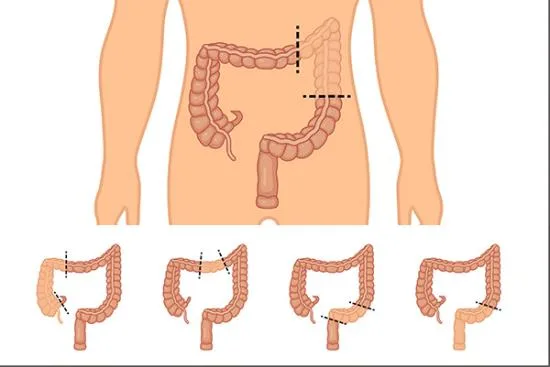
The primary operation for diverticulitis is a sigmoid colectomy (removal of the diseased sigmoid colon segment, where diverticula most commonly form).
In Turkey, board-certified colorectal surgeons prioritize minimally invasive techniques (laparoscopic or robotic-assisted colectomy) whenever clinically safe, providing distinct patient benefits:
Significantly less postoperative pain.
Reduced risk of surgical site infections.
Shorter overall hospital stays (typically 3 to 5 days).
Faster return to normal bowel function and daily activities.
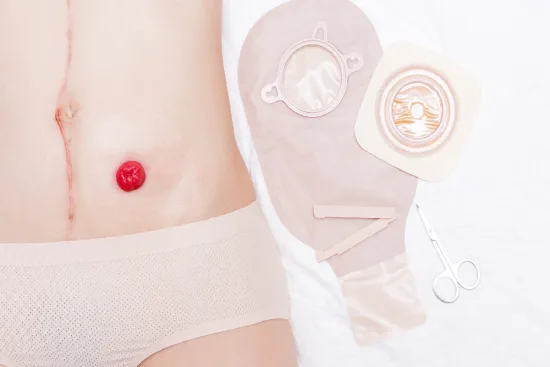
When conditions allow, the two healthy ends of the colon are reconnected in the same operation (an anastomosis). In some cases, particularly with severe infection or when the tissue isn't safe to reconnect immediately, your surgeon may need to create a temporary ostomy (a surgical opening connecting the bowel to the skin of your abdomen),reversed in a second operation once you've healed. This isn't the outcome for most patients, but it's important to understand as a possibility before you consent to surgery.
Every surgery is preceded by a full diagnostic workup (CT scan, and colonoscopy once appropriate) to confirm the safest, most effective surgical strategy for your specific case.
What is recovery like after diverticulitis surgery?
Postoperative recovery varies depending on whether your procedure was performed using a minimally invasive laparoscopic approach or open surgery, as well as whether a temporary ostomy was required:
Stage
What to expect
Hospital stay
Typically a few days for laparoscopic surgery; longer for open surgery or complicated cases
Diet after surgery
Starts with clear liquids, then gradually progresses to a soft, low-residue diet, and finally back to a normal, fiber-rich diet as your colon heals
Return to light activity
Generally within 1-2 weeks for laparoscopic procedures
Full recovery
Several weeks, depending on the extent of surgery and whether an ostomy was involved