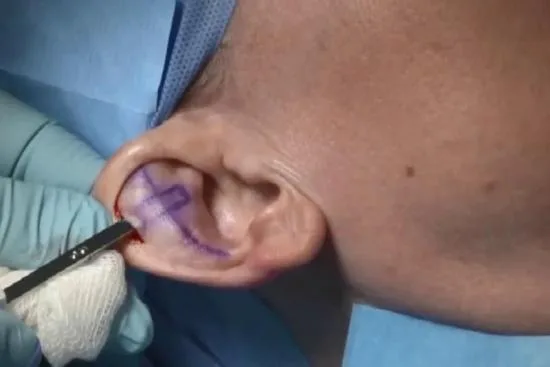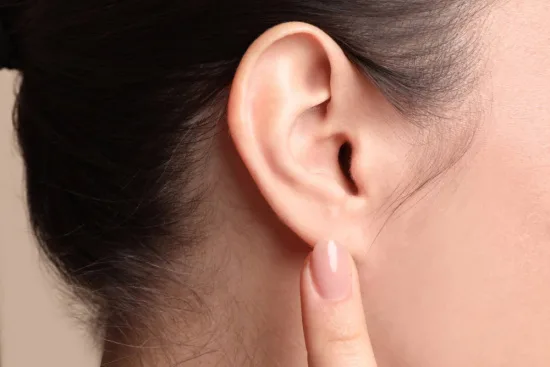






You notice your ears stick out more than you would like, or perhaps you have felt self-conscious about their shape since childhood. Otoplasty, or ear correction surgery, reshapes ear cartilage to correct protruding, asymmetrical, or irregularly positioned ears, directly addressing these concerns. Approximately 5% of the global population is affected by prominent ears or other anomalies, making this one of the most common aesthetic corrections performed. The procedure delivers lasting results that improve not only appearance but also confidence, with improved confidence, enhanced ear shape, and natural-appearing results being the most frequently cited reasons for patient satisfaction.
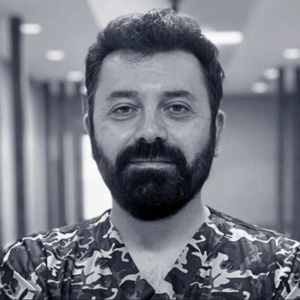
Two main surgical approaches are available. Traditional otoplasty uses sutures to reshape cartilage and permanently corrects ear positioning; meta-analysis shows a pooled recurrence rate of 2.8% and revision rate of 2.1%. The Earfold implant technique, a cartilage-sparing alternative, places small implants through a small incision and offers a minimally invasive option with no requirement for a head bandage, allowing patients to shower immediately and return to school or work within a few days, with swelling and bruising usually resolving within 7 days. Your surgeon in Turkey will recommend the most suitable approach based on your ear anatomy and desired results. At Turquie Santé, our network of experienced plastic surgeons performs both techniques and will guide you toward the method that best suits your needs, with procedure packages in Turkey starting from 2,300 USD.
Otoplasty & Earfold pricing in Turkey: What to expect
Turkey has become a leading destination for affordable, high-quality otoplasty. Pricing varies based on procedure complexity, surgeon experience, and facility standards, but generally remains 40% to 60% lower than Western Europe or North America.
- Traditional otoplasty: Prices typically range from $2,300 to $3,500 in accredited Turkish clinics. This includes surgeon fees, facility costs, anesthesia, and postoperative care.
- Earfold implant: Costs between $3,200 and $4,500 due to implant material and specialized insertion technique.
- Revision surgery: If a second procedure is needed, expect to pay 50% to 70% of the original price.
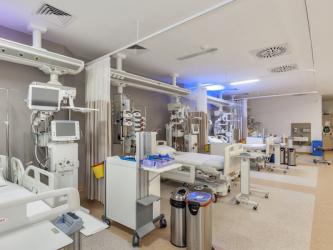
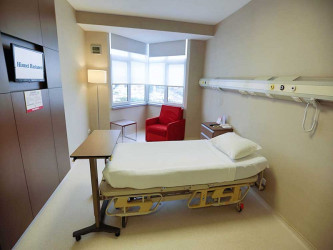
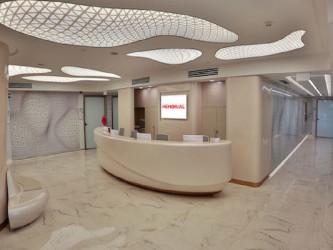
For comparison, the same procedures cost $4,100 to $5,200 in France, $4,500 to $6,000 in Germany, and $5,900 to $8,000 in the United States. Turkish clinics maintain JCI accreditation and employ internationally trained surgeons, ensuring quality matches Western standards without the premium price tag.
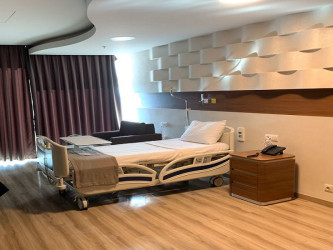
Packages often include preoperative consultation, surgery, anesthesia, postoperative medications, and follow-up visits. Some clinics offer payment plans or financing options. Always request an itemized quote and clarify what is and isn't included before committing.