


Turquie Santé
Last update : 10/05/2026

Eye enucleation surgery in Turkey: prices, procedure & expert care

Access internationally certified healthcare with substantial savings compared with European prices.

Get a free quote
Eye enucleation surgery Turkey
809+
patient reviews
across all procedures
Patient icon
600K+
Requests received since 2018
Clinique icon
21
Clinics
Trustpilot icon
Docteurs icon
1K+
Recognized doctors

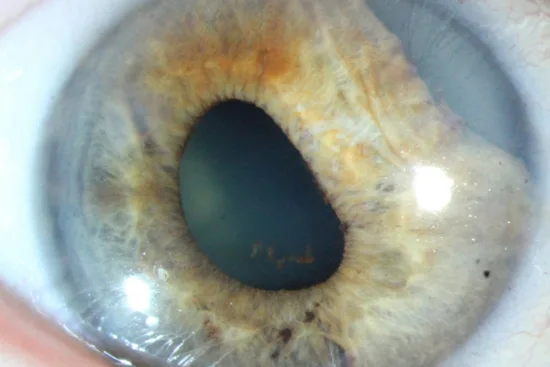
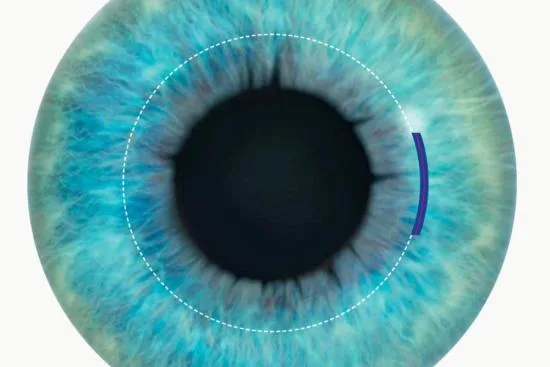
Losing an eye to disease or severe injury changes everything. Eye enucleation surgery is the removal of the entire eyeball, performed when the eye cannot be saved and poses a risk to overall health or vision in the remaining eye.

In Turkey, this procedure has become increasingly refined. Surgeons in Istanbul and Ankara use microsurgical techniques that minimize tissue trauma and reduce recovery time compared to older methods. The decision to undergo eye removal is never simple, yet many patients report feeling relief once the source of chronic pain or infection is gone.

This guide covers candidacy, the surgical process, realistic outcomes, and what to expect before, during, and after your procedure in Turkey.

Eye enucleation surgery prices in Turkey and what's included

The cost of eye enucleation surgery in Turkey typically ranges from 1,200 to 2,100 USD, depending on the complexity of the case, type of orbital implant chosen, and the clinic's location and reputation. This represents a significant saving compared to 8,000-15,000 USD in the United States or Canada.

What is included in the quoted price? Most packages cover the surgical procedure itself, anesthesia, the orbital implant (standard silicone or hydroxyapatite),hospital stay (usually 1 night),post-operative medications, and follow-up visits for 2 to 4 weeks. Pathology examination of the removed eye is included if a tumor is suspected.

What is not typically included? Prosthetic eye fitting and fabrication (usually 400-800 USD, done 4-6 weeks post-op by an ocularist),international flights, accommodation, and any revision surgery if complications arise. Some clinics offer package deals combining surgery and prosthetic fitting at 2,500-3,200 USD total.

Turkey's JCI-accredited hospitals in Istanbul, Ankara, and Izmir maintain international standards while operating at lower overhead costs than Western facilities. Surgeons are often fellowship-trained in Europe or the United States. Payment plans and medical tourism coordinators can assist with logistics.

Always request an itemized quote before committing. Verify that the clinic is accredited, the surgeon is board-certified in ophthalmology, and that post-operative care is clearly defined. Beware of prices below 1,000 USD, which may indicate inadequate implant quality or limited follow-up.

Risks and Side Effects

Complications after eye removal are uncommon but possible. Bleeding and hematoma formation occur in 2-4% of cases, usually managed conservatively. Infection risk is 1-2%, treatable with antibiotics if caught early.

  • Hemorrhage or hematoma behind the socket
  • Infection or delayed wound healing
  • Scar tissue contracture affecting prosthetic fit
  • Persistent socket pain or discharge
  • Need for revision surgery (rare)

Psychological adjustment to monocular vision and prosthetic dependence requires support; many patients benefit from counseling in the months following surgery.


Why choose Eye enucleation surgery with Turquie Santé ?

Chirurgien icon

Expert surgeons and internationally certified hospitals

Économie icon

Substantial savings compared with European prices

Organisation icon

Medical stay organized from A to Z

Prix icon

Transparent pricing, itemised before your stay

Résultat icon

Free assistance

All about your Eye enucleation surgery in Turkey
Alternative care
Benefits
Payment
Alternative treatments

Before enucleation, several alternatives may be explored depending on diagnosis and eye condition. Radiation therapy (brachytherapy or external beam) can shrink certain tumors, preserving the eye. Chemotherapy combined with focal treatments sometimes allows vision preservation in retinoblastoma.

  • Radiation therapy (brachytherapy) for ocular melanoma
  • Systemic or intra-arterial chemotherapy for retinoblastoma
  • Corneal transplant or scleral graft for structural damage
  • Evisceration (removal of eye contents only, keeping sclera) as less invasive option
  • Pain management and anti-glaucoma medications for chronic pain

Your surgeon will discuss whether these options are viable for your specific condition.

Highly qualified professionals in accredited institutions.


We assist you before, during, and after your trip


Book with full transparency, no hidden fees or commissions.

You will pay your clinic directly using these available methods:
Transfer

Verified testimonials from our patients

Avery S.
Verified review

Thank you to the entire team. Despite the challenges related to my surgery, I received constant moral and psychological support from you and the clinic. This has greatly helped me to overcome this ord..Read more


11/11/2025
Emily White : Medical Content Team Manager at Turquie Santécheck

Written by

Emily White

This content complies with the editorial policy of Turquie Santé. It was written by Emily White, Head of the Editorial Team, who has over 11 years of experience in scientific research and clinic management in Turkey. She ensures the reliability of medical information while making complex data accessible to everyone.

How it works ?

2
Services
We look for the best option for your case & budget
3
Hospital
Evaluating a care plan with the best quote
4
airplane
Making appointments & Organization of your trip
5
Health care
Ongoing support until you return home

Get a free medical opinion on Eye enucleation surgery with our 21 Recognized Clinics

Certifications :

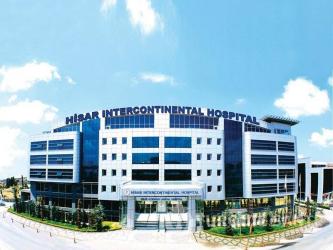
International Organization for Standardization (ISO) HISAR INTERCONTINENTAL
JCI - Joint Commission International HISAR INTERCONTINENTAL
HISAR INTERCONTINENTAL
Istanbul, Turkey
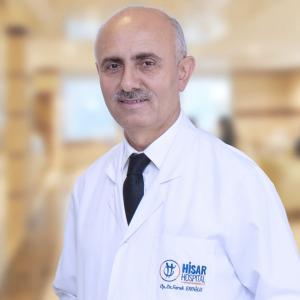
Op. Dr. Faruk Eroglu

Op. Dr. Faruk Eroglu

Main specialty: OphthalmologyYears of experience: Over 31 years since 1993Notable training: Medical degree, University of Istanbul (1993); specialization in ophthalmology, University of IstanbulNotable achievements: Over 10,000 argon laser procedures, 5,000 ... Read more
Op. Doctor Yalçın İşcan

Op. Doctor Yalçın İşcan

Verified CV: Ophthalmology. Training: Istanbul Faculty of Medicine (2005); Ophthalmology specialization at Bakırköy Dr. Sadi Konuk (2010). Expertise: cataract, corneal transplantation, PRK/LASIK/SMILE refractive surgery, strabismus, oculoplastic surgery, ... Read more
4.4 / 5
4.4(221 Reviews)

Certifications :

International Organization for Standardization (ISO) LIV Vadistanbul
JCI - Joint Commission International LIV Vadistanbul
LIV Vadistanbul
Istanbul, Turkey
Prof. Dr. Rıfat Rasier

Prof. Dr. Rıfat Rasier

Main Specialty : OphthalmologyYears of Experience : 16 years.Notable Education : PhD in Biomedical Engineering, Master of Science in Biomedical Engineering, Doctorate of Medicine, Residency in OphthalmologyMastered Techniques : Lasers, cataract and refractive ... Read more
Prof. Dr. İhsan Yılmaz

Prof. Dr. İhsan Yılmaz

Main Specialty : Ophthalmology Years of Experience : 17 years. Notable Trainings : Uludag University, Bursa; Kartal Training and Research Hospital, Istanbul; Vance Thompson Vision Center, SD, USA; Beyoglu Eye Training and Research Hospital, Istanbul Mastered ... Read more
4.4 / 5
4.4(11 Reviews)

Certifications :

JCI - Joint Commission International LIV Ulus
International Organization for Standardization (ISO) LIV Ulus
LIV Ulus
Istanbul, Turkey
Op. Dr. Mediha Tok Çevik

Op. Dr. Mediha Tok Çevik

Main Specialty : Ophthalmology Years of Experience : 11 years. Notable Training : 2010-2015 Uludağ University Faculty of Medicine Department of Ophthalmology - Assistant Mastered Techniques : Cornea, Refractive Surgery, Contact Lens, Oculoplasty, Glaucoma, ... Read more
Prof. Dr. Vedat Kaya

Prof. Dr. Vedat Kaya

Main Specialty : OphthalmologyNotable Training : Faculty of Medicine, Ankara UniversityMastered Techniques : Cornea, Anterior Segment Surgery, Refractive Surgery, GlaucomaNotable Achievements : International papers: 30, National papers: 30+, Book in Turkish: ... Read more
4.7 / 5
4.7(1 Reviews)

Certifications :

International Organization for Standardization (ISO) LOKMAN HEKIM Üniversitesi
LOKMAN HEKIM Üniversitesi
Ankara, Turkey
Prof. Dr. Nurullah ÇAĞIL

Prof. Dr. Nurullah ÇAĞIL

Main Specialty : OphthalmologyYears of Experience : 30 years.Significant Training : Hacettepe University, Faculty of Medicine (1984-1991),Erciyes University, Specialty Training in Eye Diseases (1991-1996)Mastered Techniques : Refractive surgery, cataract ... Read more
Dr. Burak TANRIVERDİ

Dr. Burak TANRIVERDİ

Main specialty : OphthalmologyYears of experience : 11 years.Notable training : Ankara University, Yıldırım Beyazit University Ataturk Training and Research HospitalsMastered techniques : FFA – ICG (Eye Angio),Cataract surgery, Corneal and conjunctival ... Read more
4.7 / 5
4.7(1 Reviews)

Certifications :

JCI - Joint Commission International MEMORIAL Şişli
International Organization for Standardization (ISO) MEMORIAL Şişli
MEMORIAL Şişli
Istanbul, Turkey
MD Ahmet ARPACI

MD Ahmet ARPACI

Prof. Dr. Ahmet Nevzat Nayır

Prof. Dr. Ahmet Nevzat Nayır

4.5 / 5
4.5(34 Reviews)
DERINDERE
Istanbul, Turkey
4.0 / 5
4.0(2 Reviews)

Certifications :

International Organization for Standardization (ISO) DUNYAGOZ ETILER
JCI - Joint Commission International DUNYAGOZ ETILER
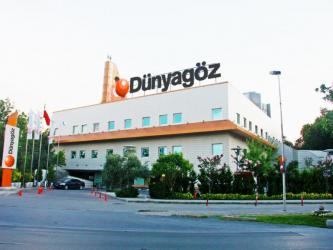
DUNYAGOZ ETILER
Istanbul, Turkey
Assoc. Prof. BOZKURT SENER, MD

Assoc. Prof. BOZKURT SENER, MD

Main specialty: Ophthalmology, with particular expertise in refractive surgery and cataract treatment. Years of experience: Over 40 years. Notable training: Graduated from the Faculty of Medicine of Istanbul University in 1981, specialized in ... Read more
Opr.Dr.Senay Yilmaz

Opr.Dr.Senay Yilmaz

Main specialty: Pediatric ophthalmology, with particular expertise in strabismus and amblyopia Years of experience: Over 20 years Notable training: Graduate of the Faculty of Medicine of Istanbul University, Cerrahpaşa (2001),specialization in ... Read more
4.1 / 5
4.1(31 Reviews)

Certifications :

JCI - Joint Commission International HIZMET By Memorial
International Organization for Standardization (ISO) HIZMET By Memorial
HIZMET By Memorial
Istanbul, Turkey
4.0 / 5
4.0(2 Reviews)

Certifications :

JCI - Joint Commission International AMERICAN HOSPITAL
International Organization for Standardization (ISO) AMERICAN HOSPITAL
AMERICAN HOSPITAL
Istanbul, Turkey
Dr. Aylin Pelin Çil

Dr. Aylin Pelin Çil

Dr.Aylin Şimşek

Dr.Aylin Şimşek

4.7 / 5
4.7(5 Reviews)

Certifications :

JCI - Joint Commission International MEMORIAL Antalya
International Organization for Standardization (ISO) MEMORIAL Antalya
MEMORIAL Antalya
Antalya, Turkey
Özlem Tök

Özlem Tök

Main Specialty : Ophthalmology Years of Experience : 24 years. Notable Training : Specialization in ophthalmology at the Ankara Education and Research Hospital (1999-2002),Medical training at Ankara University (1992-1998). Notable Achievements : Publications ... Read more
4.7 / 5
4.7(1 Reviews)

Certifications :

JCI - Joint Commission International MEDIPOL UNIVERSITY HOSPITAL
4.0 / 5
4.0(1 Reviews)

Certifications :

JCI - Joint Commission International MEMORIAL ANKARA
International Organization for Standardization (ISO) MEMORIAL ANKARA
MEMORIAL ANKARA
Ankara, Turkey
Prof. Dr. Ferit AVCU

Prof. Dr. Ferit AVCU

Uzm. Dr. Ömer Aşkın DÖĞERLİOĞLU

Uzm. Dr. Ömer Aşkın DÖĞERLİOĞLU

4.3 / 5
4.3(2 Reviews)

Certifications :

International Organization for Standardization (ISO) MEMORIAL Bahçelievler
Leed Platinium Certificate MEMORIAL Bahçelievler
JCI - Joint Commission International MEMORIAL Bahçelievler
MEMORIAL Bahçelievler
Istanbul, Turkey
Nesrin Tutaş Günaydın

Nesrin Tutaş Günaydın

Main Specialty : Ophthalmology Years of Experience : 16 years. Notable Education : Medical degree from Istanbul University, specialization in ophthalmology at Dr. Lütfi Kırdar Kartal City Hospital. Mastered Techniques : Cataract surgery, refractive surgery, ... Read more
4.3 / 5
4.3(23 Reviews)

Certifications :

JCI - Joint Commission International ACIBADEM
International Organization for Standardization (ISO) ACIBADEM
ACIBADEM
Istanbul, Turkey
Dr. Banu Coşar

Dr. Banu Coşar

Main specialty: Ophthalmology Years of experience: Over 28 years Notable training: Graduate of Hacettepe Faculty of Medicine (1996),ophthalmology specialization at Ankara Numune Hospital (2000),cornea fellowship at Wills Eye Hospital, USA ... Read more
4.6 / 5
4.6(183 Reviews)

Certifications :

International Organization for Standardization (ISO) Medistate Hospital
JCI - Joint Commission International Medistate Hospital
Medistate Hospital
Istanbul, Turkey

Certifications :

JCI - Joint Commission International DUNYAGOZ ANTALYA
International Organization for Standardization (ISO) DUNYAGOZ ANTALYA
DUNYAGOZ ANTALYA
Antalya, Turkey
Op.Dr.Hakan Sivrikaya

Op.Dr.Hakan Sivrikaya

Main Specialty : Ophthalmology Years of Experience : 28 years. Notable Education : Istanbul University, Istanbul School of Medicine (1988-1994),Russian Medical Academy, Eye Hospital - Moscow (1994-1998) Mastered Techniques : Phacoemulsification, LASIK, ... Read more
Op. Dr. Bayram Gülpamuk

Op. Dr. Bayram Gülpamuk

Main specialty: Ophthalmology (surgery and medicine of the eyes)   Notable training: Graduated in medicine from the Faculty of Medicine of Izmir (1988),residency in ophthalmology at the Ulucanlar Training and Research Hospital (2013–2017),... Read more
4.7 / 5
4.7(1 Reviews)

Certifications :

National Committee for Quality Assurance (NCQA) MEMORIAL Ataşehir
International Organization for Standardization (ISO) MEMORIAL Ataşehir
JCI - Joint Commission International MEMORIAL Ataşehir
MEMORIAL Ataşehir
Istanbul, Turkey
Prof. Başak KARBEK BAYRAKTAR

Prof. Başak KARBEK BAYRAKTAR

Assoc. Prof. Vahit MUTLU

Assoc. Prof. Vahit MUTLU

4.4 / 5
4.4(9 Reviews)

Certifications :

International Organization for Standardization (ISO) DUNYAGOZ ATAKOY
JCI - Joint Commission International DUNYAGOZ ATAKOY
DUNYAGOZ ATAKOY
Istanbul, Turkey
Op. Haluk Talu

Op. Haluk Talu

Main specialty: Refractive surgery (LASIK, ReLEx SMILE),cataract surgery, treatment of presbyopia Years of experience: 21 years Notable training: Graduate of Robert College in Istanbul, Faculty of Medicine at Istanbul University, clinical training at the ... Read more
Op. TÜLAY ARICI, MD

Op. TÜLAY ARICI, MD

Main specialty: Pediatric ophthalmology, strabismus, amblyopia (lazy eye) Years of experience: Over 20 years Notable training: Graduated in medicine from the Faculty of Medicine of Cerrahpaşa (1991),specialization in ophthalmology at the Beyoğlu ... Read more
4.6 / 5
4.6(9 Reviews)

Certifications :

JCI - Joint Commission International Florence Nightingale
Florence Nightingale
Istanbul, Turkey
Dr. Abdullah Eren

Dr. Abdullah Eren

Dr.Çavlan Çiftçi

Dr.Çavlan Çiftçi

4.7 / 5
4.7(13 Reviews)

Certifications :

JCI - Joint Commission International MEDICAL PARK PENDIK
MEDICAL PARK PENDIK
Istanbul, Turkey
4.7 / 5
4.7(1 Reviews)

Certifications :

International Organization for Standardization (ISO) DUNYAGOZ ATASEHIR
JCI - Joint Commission International DUNYAGOZ ATASEHIR
DUNYAGOZ ATASEHIR
Istanbul, Turkey

You have consulted 7 / 21 Hospitals

You don't pay for our services

We provide free consulting assistance in the framework of partnership agreements with clinics.
You only pay in the hospital where you received care.

Ready to take the first step ?

Eye enucleation surgery in Turkey: when is it necessary?

The decision to remove an eye is never made lightly. Surgeons recommend eye enucleation surgery when the eye is beyond saving and poses a genuine threat to health or the vision of the remaining eye.

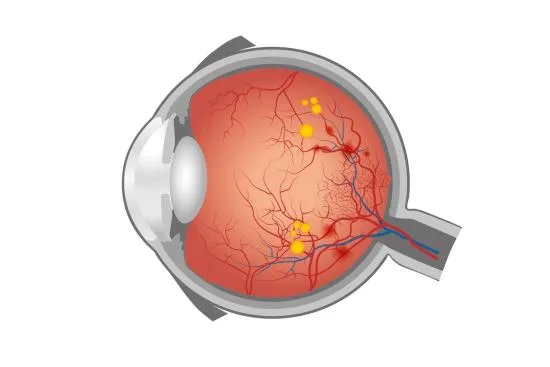
Large intraocular tumors that cannot be treated with radiation or chemotherapy often require removal. Ocular melanoma, the most common primary eye cancer in adults, may necessitate enucleation if it is large (greater than 15 mm in diameter) or has spread to surrounding tissues.

Severe trauma from accidents, assaults, or penetrating injuries can damage the eye irreparably. When the cornea, lens, and retina are shattered and vision cannot be restored, removal becomes the compassionate choice to eliminate pain and infection risk.

Uncontrolled glaucoma causing chronic, debilitating pain in a blind eye responds poorly to medications and laser treatment. Patients describe the pain as constant, affecting sleep and quality of life. Enucleation provides permanent relief.

Endophthalmitis (severe intraocular infection) or orbital cellulitis threatening systemic spread may require urgent eye removal to prevent meningitis or sepsis, particularly in immunocompromised patients.

Retinoblastoma in young children, when the tumor is large or vision is already lost, is treated with enucleation followed by chemotherapy to reduce metastatic risk.

Types of eye tumors requiring removal

Not all eye tumors lead to enucleation. Smaller lesions may respond to radiation, laser, or chemotherapy. However, certain aggressive tumors or advanced cases necessitate surgical removal.

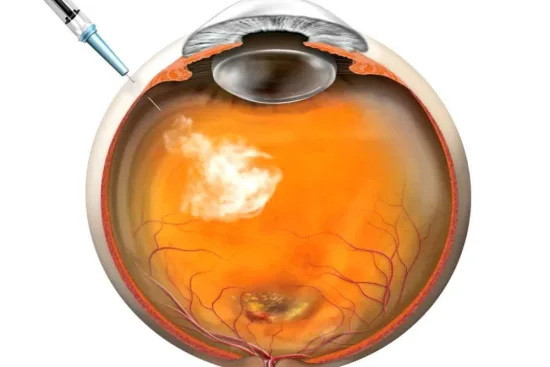
Ocular melanoma is a rare cancer arising from melanocyte cells in the uvea (iris, ciliary body, or choroid). It accounts for 80% of primary intraocular malignancies in adults. When the tumor exceeds 15 mm in thickness or 20 mm in basal diameter, or when it has invaded the optic nerve or sclera, enucleation is often recommended. Smaller melanomas may be managed with brachytherapy (radioactive plaque) or proton beam therapy.

Retinoblastoma is the most common eye cancer in children, arising from immature retinal cells. If diagnosed early and the eye retains useful vision, chemotherapy combined with focal treatments (laser, cryotherapy) may preserve sight. However, advanced unilateral retinoblastoma with no light perception or tumors that have invaded the optic nerve typically require enucleation. Bilateral disease is managed with chemotherapy and focal treatments on the better-seeing eye, with enucleation reserved for the eye with worse prognosis.

Secondary intraocular lymphoma and metastatic tumors from breast, lung, or skin cancer are less common but may require enucleation if they cause pain or threaten orbital spread.

Your ophthalmologist will order imaging (ultrasound, MRI, CT) and possibly biopsy to confirm diagnosis and determine whether enucleation or alternative treatments are appropriate.

How eye enucleation surgery is performed

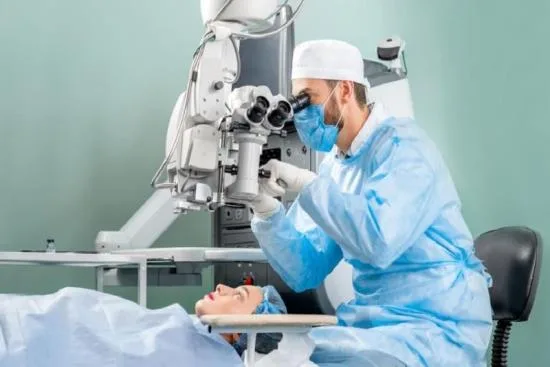
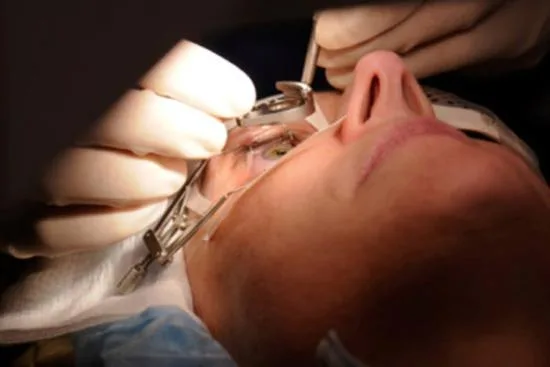
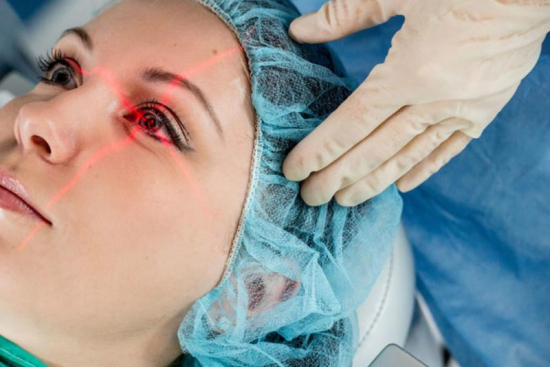
The procedure typically lasts 45 to 90 minutes. Anesthesia is administered as a combination of local anesthetic (retrobulbar or peribulbar block) and intravenous sedation, so you are relaxed but not fully asleep.

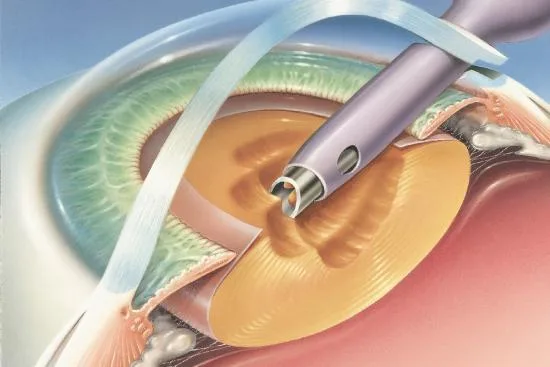
The surgeon begins by making a small incision in the conjunctiva (the clear membrane covering the white of the eye) around the eye. This allows access to the muscles and tissues anchoring the eyeball. Using microsurgical instruments, the four rectus muscles (superior, inferior, medial, lateral) and two oblique muscles are carefully identified and detached from the eyeball. Each muscle is tagged with a suture so it can later be reattached to an orbital implant.

Once the muscles are freed, the surgeon gently pulls the eyeball forward and carefully cuts the optic nerve at the back of the socket. This is done under direct visualization to minimize bleeding. Any bleeding is controlled with cautery or hemostatic agents.

The eyeball is then carefully removed from the socket. The surgeon inspects the orbital cavity for any remaining tissue, infection, or abnormality. If a tumor was present, the specimen is sent for pathology to confirm diagnosis and assess margins.

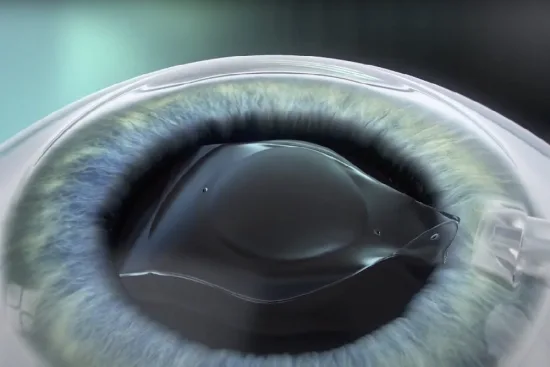
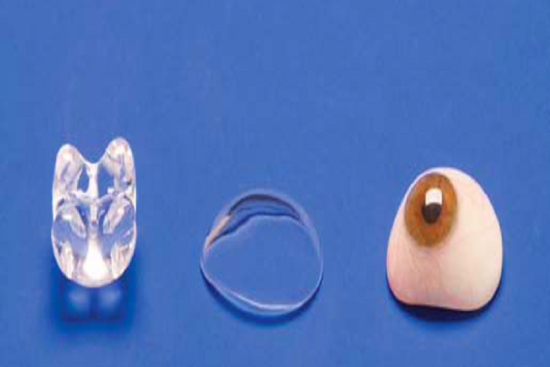
An orbital implant (typically a sphere made of silicone, hydroxyapatite, or acrylic, ranging 16-22 mm in diameter) is then placed into the socket. The extraocular muscles are reattached to the implant using absorbable sutures. This preserves muscle function and allows the prosthetic eye to move more naturally.

The conjunctiva is closed with fine absorbable sutures. A conformer (a temporary plastic shell) is placed over the implant to maintain socket shape during healing. You will wear this for 4 to 6 weeks until swelling subsides and the prosthetic eye can be fitted.

Complications and what to watch for after eye removal

Serious complications after eye enucleation are infrequent, occurring in fewer than 5% of cases. However, awareness helps you recognize warning signs early.

Bleeding and hematoma can occur in the first 24 to 48 hours. Mild oozing is normal; significant bleeding causing rapid swelling, severe pain, or vision changes in the remaining eye requires immediate medical attention. Hematomas usually reabsorb over 2 to 4 weeks but occasionally need drainage if they compress the optic nerve of the other eye.

Infection presents as increasing pain, redness, warmth, discharge, or fever after the first few days. Early signs warrant antibiotic treatment; untreated infection can spread to the brain or bloodstream. Incidence is 1-2% in modern surgical series.

Scar tissue contracture can develop over months, shrinking the socket and making prosthetic fitting difficult. This occurs in 5-10% of cases and may require revision surgery or socket reconstruction.

Implant extrusion (the implant pushing through the conjunctiva) is rare but serious, requiring surgical replacement. Risk factors include infection, poor wound healing, and inadequate muscle coverage.

Persistent pain or discharge months after surgery may indicate chronic inflammation, inadequate implant size, or socket contracture. These are managed with topical medications, socket revision, or implant replacement.

Contact your surgeon immediately if you experience sudden vision loss in your remaining eye, severe headache, fever above 38.5°C, or uncontrolled bleeding.

Experiences of our patients – Turquie Santé

Procedures available for this specialty

Share this page

Our assistants help you to get the best options in Eye enucleation surgery