

Turquie Santé
Last update : 22/10/2026

Cardiac cryoablation in Turkey: procedure, results and costs

Access internationally recognized healthcare with substantial savings compared with European prices.

Get a free quote
Cardiac Cryoablation Turkey
793+
patient reviews
across all procedures

An irregular heartbeat can affect your energy, confidence, and daily life. Cardiac cryoablation is a minimally invasive, catheter-based procedure designed to treat specific heart rhythm disorders (such as atrial fibrillation) by using extreme cold to freeze and deactivate the small areas of heart tissue triggering abnormal electrical signals.

However, cryoablation is not suitable for everyone. As with any cardiac procedure, it carries potential risks, and the arrhythmia can sometimes recur.

This guide explains how cardiac cryoablation works, who may be a candidate, the associated risks, the recovery process, and how costs are structured. Through Turquie Santé, you are connected with accredited partner hospitals in Turkey specializing in advanced electrophysiology, receiving dedicated support before, during, and after your medical stay.

Cost of cardiac cryotherapy in Turkey

Prices vary depending on the type of arrhythmia and required hospital stay. In accredited partner hospitals, all-inclusive packages generally range between $10,000 and $16,500.

  • Package Includes: Cardiology consultation, pre-procedure tests, procedure fees, 2 to 3 nights of hospital stay with cardiac monitoring, hospital medications, airport/clinic transfers, and interpreter services.
  • Not Included: Flights, hotel stay outside the hospital, post-discharge medications (such as anticoagulants),and follow-up tests back home.

(A binding price is provided through a personalized quote after a senior electrophysiologist reviews your medical records and ECG).


Why choose Cardiac Cryoablation with Turquie Santé ?

Chirurgien icon

Accredited surgeons and hospitals (JCI, ISO)

Économie icon

Indicative prices, often lower than in Western Europe depending on the case

Organisation icon

Medical stay organized from A to Z

Prix icon

Detailed quote (included / not included) before your stay

Résultat icon

Free review of your file

All about your Cardiac Cryoablation in Turkey
Alternative care
Benefits
Payment
Alternative treatments
  • Antiarrhythmic medications.
  • Electrical cardioversion.
  • Radiofrequency catheter ablation.


Highly qualified professionals in accredited institutions.


We assist you before, during, and after your trip


A detailed quote is presented to you before your stay. Our support is free for the patient and any fees are specified in advance.

You will pay your clinic directly using these available methods:
Transfer

Verified testimonials from our patients

Serge C.
Verified review

I contacted Turquie Santé for a cardiac cryoablation and I must say it went really well from start to finish. The logistics were well handled by Emily — thank you very much. The transfer went smoothly and the accommodation was right next to the Lokma..Read more


18/02/2026
This patient was treated for Cardiac Cryoablation
Gampio Y.
Verified review

Yes yes it's fine, I passed the consultation With some exams


26/05/2026
This patient was treated for Cardiology
Christine L.
Verified review

It's been a few weeks since I got back and I wanted to take the time to write a proper review. I've had peripheral arterial disease for a while, and after quite a few attempts in France without really getting anywhere, someone told me about Turquie S..Read more


22/04/2026
This patient was treated for Arteriopathy obliterans treatment
ABDELOUAHAB R.
Verified review

Hello. Everything went very well at Hisar Intercontinental Hospital.

Thank you. I have to come back in June normally for the rest of my treatment


13/04/2026
This patient was treated for Cardiomyopathy
Michel B.
Verified review

I appreciate my experience with Turquie Santé. I contacted them and sent my test results, and in less than three weeks I was in Istanbul. I had angioplasty with Dr. Burak, who explained each step to me before the procedure and was available to answer..Read more


04/03/2026
This patient was treated for Coronary Angioplasty
Alain G.
Verified review

I went to Istanbul to treat coronary artery disease at the Acıbadem clinic, with Turquie Santé. Before departure, everything had been planned, and upon our arrival the transfers and tests followed fairly quickly. A translator was present, which made ..Read more


04/03/2026
This patient was treated for Coronary disease treatment
Andrew C.
Verified review

As soon as I sent my file to the Turquie Santé team, I received a quick response with a medical opinion and a clear quote, all in French. On site in Istanbul, I underwent two days of comprehensive evaluations with an attentive cardiologist, always ac..Read more


04/02/2026
This patient was treated for Cardiac resynchronization therapy
Fatouma D.
Verified review

I'm fine overall, the treatments are expensive, but my surgery was successful even if it was very complex. I would like to salute Nabila for her dedication throughout my stay.


03/02/2026
This patient was treated for Cardiology
Emily White : Medical Content Team Manager at Turquie Santécheck

Written by

Emily White

This content complies with the editorial policy of Turquie Santé. It was written by Emily White, Head of the Editorial Team, who has over 11 years of experience in scientific research and clinic management in Turkey. She ensures the reliability of medical information while making complex data accessible to everyone.

Prof. Dr. Necmettin ÇOLAKcheck

Medically reviewed by : Prof. Dr. Necmettin ÇOLAK

Cardiovascular Surgery Specialist

An eminent Professor of cardiovascular surgery, Dr. Necmettin Çolak leads cutting-edge cardiac interventions in Ankara. Specialized in vascular pathologies and open-heart surgeries, he ensures our heart health articles reflect the latest clinical guidelines. His validation provides peace of mind for our readers.

Medical review does not replace an individual consultation.

How it works ?

2
Services
We look for the best option for your case & budget
3
Hospital
Evaluating a care plan with the best quote
4
airplane
Making appointments & Organization of your trip
5
Health care
Ongoing support until you return home

Our doctors for your Cardiac Cryoablation

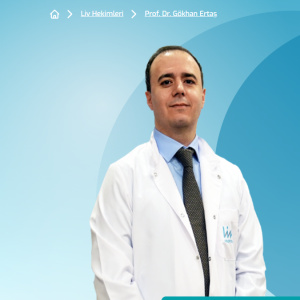
Prof. Dr. Gökhan Ertaş
Turkey, Istanbul
5.0
(1 reviews)
Lead doctor for your Cardiac Cryoablation
16 years of experience
LIV Ulus
The clinic is certified:JCI - Joint Commission International LIV UlusInternational Organization for Standardization (ISO) LIV Ulus

Main Specialty : Cardiology Years of Experience : 16 years. Notable Training : MD, Istanbul University Faculty of Medicine; cardiology specialization, Kocaeli University Faculty of Medicine (2005-2010); Professor of Cardiology (since 2020); research fellowship, Thorax Center,… Read more

Prof. Dr.Ahmet Özkara
Turkey, Istanbul
5.0
(1 reviews)
Lead doctor for your Cardiac Cryoablation
29 years of experience
LIV Ulus
The clinic is certified:JCI - Joint Commission International LIV UlusInternational Organization for Standardization (ISO) LIV Ulus

Main Specialty : Cardiovascular Surgery Years of Experience : 29 years. Notable Education : Doctorate in Medicine from Istanbul University, Institute of Cardiology, residency in cardiovascular surgery. Mastered Techniques : Arterial revascularization in coronary bypass surgery,… Read more

Assoc. Prof. Dr. Ali Baran Budak
5.0
(1 reviews)
Lead doctor for your Cardiac Cryoablation
16 years of experience
LIV Ulus
The clinic is certified:JCI - Joint Commission International LIV UlusInternational Organization for Standardization (ISO) LIV Ulus

Main Specialty : Peripheral Vascular Surgery Years of Experience : 16 years. Notable Education : Hacettepe University Faculty of Medicine / Undergraduate / 1994-2000, Hacettepe University / Faculty of Medicine / M.Sc. / 2000, Turkey Yüksek İhtisas Hospital Clinic of… Read more

Assoc. Prof. Dr. Çiğdem İleri Doğan
4.4
(11 reviews)
Lead doctor for your Cardiac Cryoablation
7 years of experience
LIV Vadistanbul
The clinic is certified:International Organization for Standardization (ISO) LIV VadistanbulJCI - Joint Commission International LIV Vadistanbul

Main Specialty : Cardiology Years of Experience : 7 years. Notable Trainings : Cardiologist Specialist Doctor, Marmara University Pendik Training and Research Hospital, Department of Cardiology, 2016; Medical Doctor, Istanbul University, Cerrahpaşa Faculty of Medicine,… Read more

Prof. Dr. Murat Uğurlucan
4.4
(11 reviews)
Lead doctor for your Cardiac Cryoablation
19 years of experience
LIV Vadistanbul
The clinic is certified:International Organization for Standardization (ISO) LIV VadistanbulJCI - Joint Commission International LIV Vadistanbul

Main Specialty : Cardiovascular Surgery Notable Training : Marmara University, Faculty of Medicine; Istanbul University, Istanbul Faculty of Medicine, Cardiovascular Surgery Residency Training; Istanbul University, Faculty of Open and Distance Education, Associate Degree in… Read more

Specialist.Dr. Mehmet SAYGI
4.4
(221 reviews)
Lead doctor for your Cardiac Cryoablation
13 years of experience
HISAR INTERCONTINENTAL
The clinic is certified:International Organization for Standardization (ISO) HISAR INTERCONTINENTALJCI - Joint Commission International HISAR INTERCONTINENTAL

CV vérifié : Cardiology. Training: Ankara University, medical degree in 2013; Cardiology specialization at Dr. Siyami Ersek Hospital, started in 2014 and completed in 2019. Interventional cardiology experience: more than 3,500 coronary angiographies and more than 500 stent and… Read more

Get a free medical opinion on Cardiac Cryoablation with our recognized clinics

Certifications :

JCI - Joint Commission International LIV Vadistanbul
International Organization for Standardization (ISO) LIV Vadistanbul
LIV Vadistanbul
Istanbul, Turkey
Doç. Dr. Meki Bilici

Doç. Dr. Meki Bilici

28 years of experience
Main Specialty : Pediatric Cardiology Years of Experience : 25 years. Notable Training : 1998 Dicle University Faculty of Medicine, 2003 Dicle University Faculty of Medicine Pediatric Health and Diseases, 2010 Ankara Fatih University Pediatric ... Read more
Dr. Hasan Burak İşleyen

Dr. Hasan Burak İşleyen

4 years of experience
Main Specialty : Cardiology Notable Trainings : Erciyes University Faculty of Medicine, SBU Bağcılar Training and Research Hospital Mastered Techniques : Interventional cardiovascular disease, Preventive heart medicine, Hypertension, ... Read more
4.4 / 5
4.4(11 Reviews)

Certifications :

JCI - Joint Commission International HISAR INTERCONTINENTAL
International Organization for Standardization (ISO) HISAR INTERCONTINENTAL
HISAR INTERCONTINENTAL
Istanbul, Turkey
PROF. ALI FEDAKAR

PROF. ALI FEDAKAR

27 years of experience
Main specialty: Cardiovascular surgeryYears of experience: Over 27 yearsNotable training: Graduated in medicine, Erciyes University; specialization in cardiovascular surgery, Çukurova University (1998); associate professor, Kartal Koşuyolu Training and ... Read more
PROF. İBRAHİM HALİL TANBOĞA, M.D.

PROF. İBRAHİM HALİL TANBOĞA, M.D.

21 years of experience
Main specialty: Interventional cardiology (coronary diseases, valvular diseases, arrhythmias, pacemakers, peripheral arterial diseases) Years of experience: Over 21 years Notable training: Medical degree from Dicle University, specialization in ... Read more
4.4 / 5
4.4(221 Reviews)

Certifications :

International Organization for Standardization (ISO) LOKMAN HEKIM ISTANBUL
JCI - Joint Commission International LOKMAN HEKIM ISTANBUL
LOKMAN HEKIM ISTANBUL
Istanbul, Turkey
Prof. Dr. Yunus NAZLI

Prof. Dr. Yunus NAZLI

20 years of experience
Main specialty : Cardiac and Vascular Surgery. Current academic title : Professor. Years of experience : 20 years. Notable training : Trakya University Faculty of Medicine (1994-2000),Celal Bayar University Cardiac and Vascular Surgery (2001-2006). Mastered ... Read more


Assoc.Prof. Dr. Halil AKIN

Assoc.Prof. Dr. Halil AKIN

15 years of experience
Main Specialty : Cardiology Years of Experience : 15 years. Notable Education : Bachelor of Medicine, I.U. Cerrahpasa Faculty of Medicine (1999 - 2005),Specialization at Tigris University (2007 – 2011) Mastered Techniques : Congenital heart diseases, ... Read more
4.7 / 5
4.7(69 Reviews)

Certifications :

International Organization for Standardization (ISO) LIV Ulus
JCI - Joint Commission International LIV Ulus
LIV Ulus
Istanbul, Turkey
Prof. Dr. Alp Burak Çatakoğlu

Prof. Dr. Alp Burak Çatakoğlu

22 years of experience
Main Specialty : Cardiology Years of Experience : 22 years. Notable Training : Istanbul University Cerrahpaşa Faculty of Medicine, English-language program (1993-1999); internal medicine rotation, St George’s Hospital, University of London (1997); ... Read more
Specialist Dr. Ayşegül Karahan

Specialist Dr. Ayşegül Karahan

21 years of experience
Main Specialty : Cardiology Years of Experience : 21 years. Notable Training : Cardiology Specialization, Istanbul Dr. Siyami Ersek Chest, Heart and Vascular Surgery Hospital (1998 - 2005); Medical School, Istanbul University, Cerrahpaşa Faculty of Medicine, ... Read more
4.7 / 5
4.7(1 Reviews)

Certifications :

International Organization for Standardization (ISO) LOKMAN HEKIM Üniversitesi
LOKMAN HEKIM Üniversitesi
Ankara, Turkey
Prof. Dr. Veysel Ozan TANIK

Prof. Dr. Veysel Ozan TANIK

10 years of experience
Main Specialty : Cardiology Years of Experience : 10 years. Notable Training : Istanbul University Faculty of Medicine (2005-2011); cardiology residency, Dr. Siyami Ersek Thoracic and Cardiovascular Surgery Training and Research Hospital ... Read more
4.7 / 5
4.7(1 Reviews)

Certifications :

JCI - Joint Commission International ACIBADEM
International Organization for Standardization (ISO) ACIBADEM
ACIBADEM
Istanbul, Turkey
Dr.Ender Semiz

Dr.Ender Semiz

30 years of experience
Main specialty : Interventional cardiology Years of experience : Over 30 years Notable training : Graduated from Ege Faculty of Medicine (1983),Specialization in internal medicine at Akdeniz University (1991),Specialization in cardiology at Akdeniz ... Read more
4.6 / 5
4.6(183 Reviews)

Certifications :

JCI - Joint Commission International MEMORIAL Şişli
International Organization for Standardization (ISO) MEMORIAL Şişli
MEMORIAL Şişli
Istanbul, Turkey
MD Ahmet ARPACI

MD Ahmet ARPACI

46 years of experience
Prof. Dr. Ahmet Nevzat Nayır

Prof. Dr. Ahmet Nevzat Nayır

41 years of experience
4.5 / 5
4.5(34 Reviews)

You have consulted 7 / 31 Hospitals

🩺 Medical note — This information does not replace professional medical advice. Prices are indicative and confirmed in a personalized quote, and any treatment decision is made with a qualified doctor after reviewing your file.

What is cardiac cryoablation ?

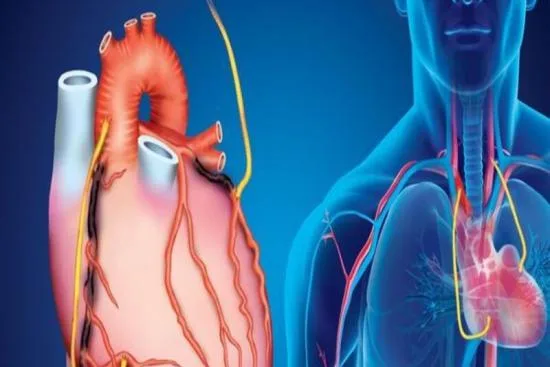
Cardiac cryoablation is a minimally invasive catheter procedure used to treat certain heart rhythm disorders. A catheter is guided through a vein into the heart, where extreme cold is used to create small areas of scar tissue where the abnormal electrical signals originate. For atrial fibrillation, a balloon catheter is typically used to isolate the pulmonary veins. For other types of arrhythmia, a catheter with a smaller tip is preferred.

While this procedure can significantly reduce or eliminate arrhythmia, it does not always offer a permanent cure, and the rhythm disorder may recur over time. In a large randomized trial on paroxysmal atrial fibrillation, cryoablation proved as effective as radiofrequency ablation (which uses heat). However, cryoablation was associated with a higher rate of phrenic nerve injury. Your electrophysiologist will advise you on the most suitable technique for your condition.

Partner centers provide comprehensive post-procedure follow-up care. Recovery and long-term results vary from one patient to another.

Who can benefit from cardiac cryoablation?

Cardiac cryoablation is a targeted therapeutic option for patients with specific heart rhythm disorders, particularly when medication is ineffective or poorly tolerated.

This procedure may be recommended for patients with:

  • Paroxysmal atrial fibrillation, especially when it is isolated and originates from the pulmonary veins.
  • Certain focal atrial tachycardias, when the source of the arrhythmia is clearly identified and accessible via catheter.
  • Accessory pathways, such as in some cases of Wolff–Parkinson–White syndrome.

Cryoablation may be considered when medication is ineffective or poorly tolerated. It is not suitable for everyone: for example, a blood clot in the heart or an inability to take blood-thinning medication may rule it out. Your cardiologist decides after a full evaluation, which may be done remotely at first and confirmed on site.

How is cardiac cryoablation performed in Turkey? (step by step)

The cardiac cryoablation process in Turkey follows a standardized protocol in high-level electrophysiology centers, designed to maximize patient safety, procedural accuracy, and comfort, particularly for international patients.

Evaluation and planning (1-2 days before the procedure)

Before the intervention, the cardiac electrophysiologist reviews your medical records, analyzes previous tests, and confirms the indication for cryoablation. If needed, a preliminary 3D electroanatomical mapping may be performed to improve procedural precision.

You will then undergo:

  • An anesthesia consultation.
  • A complete pre-procedural medical assessment.

At the end of this phase, you receive a clear, personalized treatment plan tailored to your specific arrhythmia.

The day of the procedure

On the day of treatment, cardiac cryoablation typically lasts 2 to 4 hours and follows a well-defined sequence:

StepDescriptionPatient experience
1. Preparation & anesthesia

Anesthesia or sedation is administered, as decided by the anesthetist and the cardiologist.

Continuous monitoring is set up (ECG, blood pressure, oxygen saturation).

You are closely monitored, and the team adapts sedation to your comfort.

2. Vascular accessA femoral vein puncture is performed under ultrasound guidance to insert the catheter safely.Minimal discomfort at the access site.
3. Catheter navigation & mappingThe catheter is guided into the heart chambers using fluoroscopy and, when necessary, advanced 3D electroanatomical mapping.No sensation inside the heart; you remain under close monitoring.
4. Cryoenergy application

The balloon or catheter delivers very cold energy in several applications to isolate the abnormal electrical pathways.

You may feel slight pressure, but no pain.
5. Rhythm verificationThe cardiologist confirms the effectiveness of the ablation and the stability of the heart rhythm before catheter removal.Continuous reassurance from the medical team.
6. Early discharge

Discharge depends on your condition and your cardiologist's decision, usually after one night in the hospital.

Rapid recovery and early return to normal activities.

Immediate post-procedure monitoring

After the intervention, strict bed rest for 4 to 6 hours is required to prevent bleeding at the puncture site. During this period, you are continuously monitored in a specialized unit with:

  • Cardiac monitoring.
  • A follow-up echocardiogram to rule out complications.

Once your condition is stable, mobilization is gradual, and your first steps are taken under the supervision of the medical team.

Recovery and return to normal life after cardiac cryoablation

Cardiac cryoablation is a minimally invasive procedure, allowing many patients to leave the hospital within one to two days. However, recovery is unique to each individual and depends on your specific heart condition, overall health, and medical guidance. While many people can resume light daily activities within a few days, others may need more time to heal. Your cardiologist will provide personalized instructions on when it is safe to return to work, exercise, and travel.

First 24-48 hours

Recovery is usually straightforward and without major complications. You may experience:

  • Mild fatigue during the first day.
  • Slight discomfort at the femoral puncture site.
  • Palpitations or short episodes of irregular rhythm can occur.

Your cardiologist will provide essential instructions regarding rest, hydration, and gradually resuming daily activities.

The first three months

The first three months following the procedure, commonly known as the “blanking period”, is a time when brief episodes of palpitations or irregular heart rhythms are frequent. These episodes are part of the normal healing process and do not necessarily indicate that the ablation has failed; however, you should always report them to your cardiologist. The overall success of the procedure is typically evaluated after this three-month window using symptom tracking and rhythm monitoring (ECG, Holter). A temporary course of antiarrhythmic medication may also be prescribed.

Critical medical warning

Seek immediate emergency medical care if you experience any of the following signs of severe complications:

  • Persistent or severe chest pain
  • Sudden or worsening shortness of breath / breathing difficulty
  • Fainting, severe dizziness, or loss of consciousness
  • Sudden weakness, numbness, or difficulty speaking (signs of stroke)
  • Bleeding, sudden swelling, or severe pain at the catheter insertion site

Urgent warning: Seek immediate medical attention if you experience chest pain, fainting, or severe shortness of breath.

Blood-thinning medication

After ablation for atrial fibrillation, anticoagulant treatment is generally continued for at least two to three months, and longer depending on your stroke risk, even if your rhythm is normal. Never stop taking it without your cardiologist's advice.

Resuming daily activities

Most patients return gradually to normal life, at a pace set by their cardiologist:

  • Light work: Typically 2-5 days after the procedure.
  • Walking and gentle activities: As early as the next day.
  • Intense exercise or sports: After cardiologist approval, usually 2-4 weeks.
  • Air travel: Your cardiologist must approve your flight home at the discharge check-up.

The Turquie Santé team tailors these timelines to your individual situation to ensure safety, comfort, and a smooth recovery.

Post-procedure follow-up

Follow-up care after cardiac cryoablation is essential to ensure optimal recovery:

  • Clinical and ECG checks in the days immediately following the procedure.
  • Follow-up consultations, either in-person or remotely, based on your needs.
  • Extended heart monitoring (Holter) if necessary to evaluate heart rhythm.

With the support of Turquie Santé, you are guided at every step, even after returning home. Your medical coordinator remains available to answer questions and share your test results with your cardiologist.

Most patients achieve a stable heart rhythm and improved quality of life very quickly.

Cardiac cryoablation allows you to take control of your daily life without major restrictions, supported by structured medical follow-up and personalized care tailored to your individual needs.

Risks and success rates of cardiac cryoablation

Cardiac cryoablation is a recognised treatment for selected heart rhythm disorders. It is an invasive procedure with real risks, and it does not always cure the arrhythmia. The figures below come from clinical studies carried out in experienced centres; your own risks depend on your health and on the type of arrhythmia.

Potential risks and complications

  • Vascular access site complications: Bleeding, hematoma, or vascular injury at the femoral puncture site. While most instances are mild and self-limiting, significant vascular trauma occurs in a small percentage of cases.
  • Phrenic nerve injury: In balloon cryoablation for atrial fibrillation, extreme cold near the right pulmonary veins can affect the phrenic nerve, causing diaphragmatic weakness, breathlessness, or a persistent cough. In the landmark FIRE AND ICE trial, phrenic nerve injury occurred in 2.7% of cryoablation patients (compared to 0% with radiofrequency) and resolved within 12 months in roughly 9 out of 10 cases.
  • Heart block: During ablation near the AV node (such as for AV nodal reentrant tachycardia),damage to the heart's conduction system can occur. While usually transient, it may rarely require a permanent pacemaker. In the randomized CYRANO trial (509 patients),permanent heart block occurred in 0% of cryoablation patients versus 0.4% in the radiofrequency group.
  • Major cardiac & thromboembolic events: Severe complications associated with atrial fibrillation ablation, including pericardial effusion or cardiac tamponade, stroke, pulmonary vein stenosis, or esophageal injury (atrio-esophageal fistula),are uncommon but potentially life-threatening and require immediate management.
  • General surgical & anesthetic risks: Infection at the puncture site and adverse reactions to sedation or general anesthesia.
  • Arrhythmia recurrence: The abnormal electrical signals can return weeks or months after the procedure, which may necessitate antiarrhythmic medication or a repeat ablation.

Success rates

  • Paroxysmal Atrial Fibrillation: In the FIRE AND ICE trial (762 patients with drug-resistant paroxysmal atrial fibrillation),34.6% of patients treated with the cryoballoon experienced a primary endpoint event (recurrence, antiarrhythmic drug use, or repeat ablation) within one year, meaning approximately 2 out of 3 patients remained free of treatment failure at 12 months. About 12% of patients underwent a repeat ablation procedure. Broader clinical literature reports one-year freedom from atrial fibrillation following catheter ablation ranging between 50% and 70%.
  • AV Nodal Re-entrant Tachycardia (AVNRT): In the CYRANO trial, cryoablation demonstrated an immediate acute success rate of 96.8%. However, arrhythmia recurrence within six months was observed in 9.4% of cryoablation patients (compared to 4.4% in the radiofrequency arm).

Doctor consultation note: Discuss your specific arrhythmia type, individual risk factors, and the annual procedural volume of the surgical team with your cardiologist during your pre-operative evaluation.

Related medical articles

Other procedures in this specialty

Share this page

Our assistants help you to get the best options in Cardiac Cryoablation