

Turquie Santé
Last update : 07/09/2026

Keratoconus : Causes, symptoms & treatment options in Turkey

Access internationally recognized healthcare with substantial savings compared with European prices.

Get a free quote
Keratoconus treatment Turkey
793+
patient reviews
across all procedures

Keratoconus is a progressive eye condition where the cornea gradually thins and develops a cone-like shape, most commonly affecting teenagers and young adults. This progressive weakening can lead to blurred vision and astigmatism, making early intervention crucial to preserve sight and slow disease progression.

Turkey has emerged as a leading destination for keratoconus treatment, with specialized ophthalmology clinics offering advanced options including corneal cross-linking, corneal transplants when needed, and precise diagnostic staging through corneal pachymetry. The clinics partnered with Turquie Santé combine experienced ophthalmic surgeons with cutting-edge technology, providing personalized treatment plans tailored to each stage of the disease at a fraction of costs found in Western countries.

How much does keratoconus treatment cost in Turkey?

Total expenditure varies with disease stage and specific procedure. Below: transparent 2025-2026 pricing compiled across Turquie Santé's JCI-accredited partner centers:

Treatment / ScopeTurkeyFranceGermanyUSA
Corneal cross-linking (CXL) - 1 eye$600 - $900~$1,800~$2,200~$4,000
Corneal cross-linking (CXL) - 2 eyes$1,100 - $1,700~$3,200~$4,000~$7,500
Intracorneal ring segments - 1 eye$1,200 - $1,800~$3,000~$3,500~$6,000
Topography-guided PRK - 1 eye$1,000 - $1,500~$2,500~$3,000~$5,500
Deep anterior lamellar Keratoplasty$3,500 - $6,500~$8,000~$10,000~$20,000+

Prices verified Q1 2026. Turkey figures reflect pricing at JCI-accredited or ISO-certified Turquie Santé partner clinics. Package arrangements combining consultation, procedure, and follow-up visits are available. Request a personalized quote for your specific profile. Note: Flights and accommodation fall outside procedure costs.

Why this dramatic disparity? Not safety. Turkey hosts more JCI-accredited hospitals than any country outside the United States. Cost savings stem from lower facility overhead, favorable currency exchange rates, and sustained government backing of medical tourism. Quality remains constant; affordability increases.


Why choose Keratoconus treatment with Turquie Santé ?

Chirurgien icon

Accredited surgeons and hospitals (JCI, ISO)

Économie icon

Indicative prices, often lower than in Western Europe depending on the case

Organisation icon

Medical stay organized from A to Z

Prix icon

Detailed quote (included / not included) before your stay

Résultat icon

Free review of your file

All about your Keratoconus treatment in Turkey
Overview
Benefits
Payment

Recovery time :

  • Corneal cross-linking : 3 to 4 weeks.
  • Intra-corneal rings : 3 weeks to few months.

Highly qualified professionals in accredited institutions.


We assist you before, during, and after your trip


A detailed quote is presented to you before your stay. Our support is free for the patient and any fees are specified in advance.

You will pay your clinic directly using these available methods:
Transfer

Verified testimonials from our patients

Mohammad S.
Verified review

The operation went well.


16/06/2026
This patient was treated for Keratoconus treatment
Maxime V.
Verified review

I had been wearing hard contact lenses for several years and my vision was deteriorating, so my ophthalmologist told me about a transplant. Everything was arranged by Turquie Santé, and honestly I didn't have to worry about anything: flight, hotel, t..Read more


09/06/2026
This patient was treated for Keratoconus treatment
Elena H.
Verified review

It was my first time coming to Turkey for treatment, so I had some apprehensions. In the end, my stay went well. Emily accompanied me for my YAG laser capsulotomy at the Acıbadem Clinic. She was available before and during my stay and responded quick..Read more


14/07/2026
This patient was treated for YAG laser capsulotomy
الشاوي ع.
Verified review

Nothing.


07/07/2026
This patient was treated for Laser Presbyond (femtosecond)
Cheikh A.
Verified review

I am very satisfied with the service and the quality of the translation


18/06/2026
This patient was treated for Glaucoma Review
RAMADHAN M.
Verified review

Good evening, Miss Sophia

The reception is more than wonderful

The car with the driver from the hotel to the hospital and from the hospital to the hotel

At the hospital, there was an Arabic translator named Huss..Read more


14/06/2026
This patient was treated for Ophthalmology
ESSANGA V.
Verified review

satisfied with the consultation with the doctor


13/06/2026
This patient was treated for Ophthalmology
Jolicoeur J.
Verified review

We were satisfied with the service provided by the clinic. The staff was very helpful and kind. If possible, improvement is required in the waiting time to see the doctor once the results are received. However, we do understand that the number of pat..Read more


13/06/2026
This patient was treated for Eye Exam
Emily White : Medical Content Team Manager at Turquie Santécheck

Written by

Emily White

This content complies with the editorial policy of Turquie Santé. It was written by Emily White, Head of the Editorial Team, who has over 11 years of experience in scientific research and clinic management in Turkey. She ensures the reliability of medical information while making complex data accessible to everyone.

Exp. Ömer Faruk ÖĞE M.Dcheck

Medically reviewed by : Exp. Ömer Faruk ÖĞE M.D

Specialty : Ophthalmology
Diploma no. (TTB) : 101423

Medical review does not replace an individual consultation.

How it works ?

2
Services
We look for the best option for your case & budget
3
Hospital
Evaluating a care plan with the best quote
4
airplane
Making appointments & Organization of your trip
5
Health care
Ongoing support until you return home

Get a free medical opinion on Keratoconus treatment with our recognized clinics

Certifications :

International Organization for Standardization (ISO) LIV Vadistanbul
JCI - Joint Commission International LIV Vadistanbul
LIV Vadistanbul
Istanbul, Turkey
Spec. MD. Deniz Marangoz

Spec. MD. Deniz Marangoz

17 years of experience
Main Specialty : Ophthalmology Notable Trainings : Uludag University, Bursa; Kartal Training and Research Hospital, Istanbul; Vance Thompson Vision Center, SD, USA; Beyoglu Eye Training and Research Hospital, Istanbul Mastered Techniques : Intraocular ... Read more
Prof. Dr. Rıfat Rasier

Prof. Dr. Rıfat Rasier

16 years of experience
Main Specialty : OphthalmologyYears of Experience : 16 years.Notable Education : PhD in Biomedical Engineering, Master of Science in Biomedical Engineering, Doctorate of Medicine, Residency in OphthalmologyMastered Techniques : Lasers, cataract and refractive ... Read more
4.4 / 5
4.4(11 Reviews)

Certifications :

International Organization for Standardization (ISO) LIV Ulus
JCI - Joint Commission International LIV Ulus
LIV Ulus
Istanbul, Turkey
Prof. Dr. Osman Murat Uyar

Prof. Dr. Osman Murat Uyar

35 years of experience
Main specialty : Ophthalmology Years of experience : 35 years. Notable training : Hacettepe University Faculty of Medicine, Specialist training at SSK Istanbul EH Ophthalmology Clinic Techniques mastered : Intravitreal injection, LASER photocoagulation and ... Read more
Prof. Dr. Vedat Kaya

Prof. Dr. Vedat Kaya

25 years of experience
Main Specialty : OphthalmologyNotable Training : Faculty of Medicine, Ankara UniversityMastered Techniques : Cornea, Anterior Segment Surgery, Refractive Surgery, GlaucomaNotable Achievements : International papers: 30, National papers: 30+, Book in Turkish: ... Read more
4.7 / 5
4.7(1 Reviews)

Certifications :

International Organization for Standardization (ISO) MEMORIAL Şişli
JCI - Joint Commission International MEMORIAL Şişli
MEMORIAL Şişli
Istanbul, Turkey
MD Ahmet ARPACI

MD Ahmet ARPACI

46 years of experience
Prof. Dr. Ahmet Nevzat Nayır

Prof. Dr. Ahmet Nevzat Nayır

41 years of experience
4.5 / 5
4.5(34 Reviews)

Certifications :

International Organization for Standardization (ISO) HISAR INTERCONTINENTAL
JCI - Joint Commission International HISAR INTERCONTINENTAL
HISAR INTERCONTINENTAL
Istanbul, Turkey
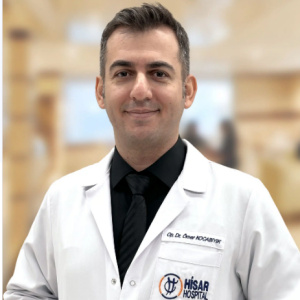
Op.Dr. Omer Kocabayık

Op.Dr. Omer Kocabayık

10 years of experience
Main Specialty : OphthalmologyYears of Experience : 10 years.Notable Education : Gazi University Faculty of Medicine, Çanakkale 18 Mart University Faculty of MedicineMastered Techniques : Cataract surgery, blepharoplasty, treatment of refractive errors, ... Read more
Op. Doctor Yalçın İşcan

Op. Doctor Yalçın İşcan

16 years of experience
Verified CV: Ophthalmology. Training: Istanbul Faculty of Medicine (2005); Ophthalmology specialization at Bakırköy Dr. Sadi Konuk (2010). Expertise: cataract, corneal transplantation, PRK/LASIK/SMILE refractive surgery, strabismus, oculoplastic surgery, ... Read more
4.4 / 5
4.4(221 Reviews)

Certifications :

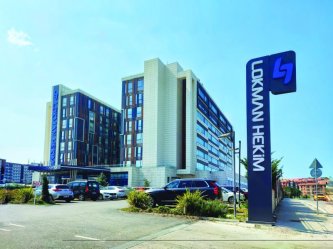
International Organization for Standardization (ISO) LOKMAN HEKIM ISTANBUL
JCI - Joint Commission International LOKMAN HEKIM ISTANBUL
LOKMAN HEKIM ISTANBUL
Istanbul, Turkey
Prof. Dr. Osman İLHAN

Prof. Dr. Osman İLHAN

48 years of experience
Specialist Dr. Cemal AYDOĞAN

Specialist Dr. Cemal AYDOĞAN

40 years of experience
4.7 / 5
4.7(69 Reviews)
DERINDERE
Istanbul, Turkey
OP. DR. MEHMET YAVUZ ÇIRPICI

OP. DR. MEHMET YAVUZ ÇIRPICI

4.0 / 5
4.0(2 Reviews)

Certifications :

JCI - Joint Commission International DUNYAGOZ ETILER
International Organization for Standardization (ISO) DUNYAGOZ ETILER
DUNYAGOZ ETILER
Istanbul, Turkey
Op. Dr. Pervin Uygur

Op. Dr. Pervin Uygur

30 years of experience
Main specialty: Ophthalmology, cataract and refractive surgery Years of experience: Over 30 years Notable training: Graduated from Hacettepe (1980),ophthalmology specialization Çukurova (1986) Professional background / Notable achievements: Over ... Read more
Prof. ATILLA BAYER, MD

Prof. ATILLA BAYER, MD

30 years of experience
Main specialty: Ophthalmology Years of experience: Over 30 years Notable training: Graduated from the GATA Military Medical School in 1988, specialized in ophthalmology at the same institution in 1994, and specialized training in glaucoma at Wills Eye ... Read more
4.1 / 5
4.1(31 Reviews)

You have consulted 7 / 31 Hospitals

🩺 Medical note — This information does not replace professional medical advice. Prices are indicative and confirmed in a personalized quote, and any treatment decision is made with a qualified doctor after reviewing your file.

What is keratoconus and who does it affect?

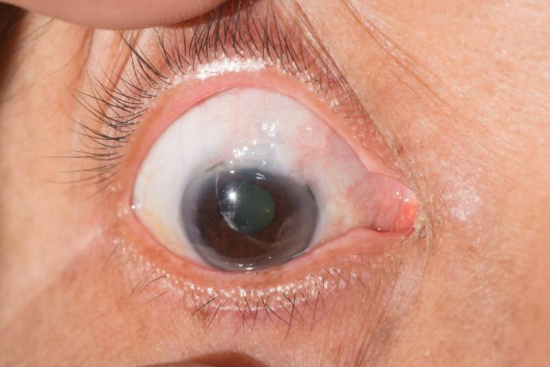
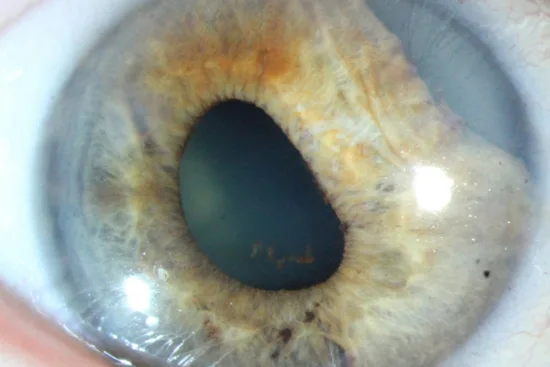
Keratoconus derives its name from Greek: literally, a cone-shaped cornea. In this progressive, non-inflammatory disorder, the cornea, normally smooth and dome-like, gradually loses thickness and protrudes forward into an irregular conical form. Light entering the eye scatters rather than focusing cleanly onto the retina, resulting in progressively blurred and distorted vision that worsens over time.

Onset typically occurs during the teenage years. The condition continues to evolve through the 30s and into the 40s, after which it frequently stabilizes. Almost always bilateral, though one eye may show more pronounced changes than the other.

A 2021 systematic review in Ophthalmology (the official journal of the American Academy of Ophthalmology) found global keratoconus prevalence at roughly 1.38 per 1,000 individuals. Higher concentrations appear in the Middle East, South Asia, and North Africa. This geographic distribution explains why international patients from these regions increasingly pursue keratoconus treatment in Turkey, where advanced eye centers now attract patients from across three continents seeking both expertise and cost-effective care.

What are the symptoms of keratoconus and when should you see a doctor?

Early detection is notoriously challenging. The initial signs often mirror ordinary refractive errors. Watch for these:

  • Vision that blurs or distorts unpredictably; spectacle prescriptions requiring updates every few months or even sooner.
  • Monocular diplopia, 'ghost images' visible to one eye alone, persisting even behind glasses.
  • Heightened light sensitivity (photophobia) and glare, most bothersome after sunset.
  • Halos surrounding streetlights and difficulty with nighttime driving; this affects quality of life significantly.
  • Compulsive eye rubbing. Often linked to allergies or dryness, this habit itself weakens the cornea.
  • Unexplained eye irritation.

The crucial warning sign? Rapidly changing vision. If your prescription shifts every 6–12 months and standard glasses no longer adequately correct your sight, ask your ophthalmologist for a corneal topography scan. This detailed surface map is the gold standard for diagnosis. Early identification fundamentally reshapes your treatment options and prognosis.

What are the stages of keratoconus?

The Amsler-Krumeich classification system remains the globally accepted standard for staging keratoconus severity. Your assigned stage directly shapes treatment strategy:

StageCorneal curvatureKey symptomsTypical treatment
Stage 1 (Mild)< 48 DMild myopia, slight astigmatismSpectacles or soft contacts
Stage 2 (Moderate)48-54 DIncreasing distortion, frequent prescription changesRigid contacts / CXL if progressing
Stage 3 (Advanced)54-60 DSignificant distortion, halos, glareCXL + intracorneal rings
Stage 4 (Severe)> 60 DSevere blur, corneal thinning or scarringDALK or PKP transplant

Critical point: Early-stage disease responds best to intervention. If you fall between stages 1 and 2 and progression continues, cross-linking offers the most compelling evidence for halting advancement before reaching advanced stages where corrective options narrow considerably.

What causes keratoconus?

Medical research consistently identifies multiple suspicious factors. Yet no single cause fully explains every case.

Genetic predisposition

Family clustering appears repeatedly in clinical records. Many patients report a relative, parent, sibling, or cousin, with the same diagnosis. This familial pattern strongly suggests hereditary transmission, though researchers have yet to isolate a single responsible gene. The genetic component is now virtually undisputed.

If a first-degree relative carries this diagnosis, periodic eye exams become prudent, particularly for young family members and adolescents entering the typical age of onset.

Environmental aggravating factors

Heredity alone does not determine destiny. External triggers can accelerate or amplify the process. Three emerge repeatedly:

  • Vigorous eye rubbing, frequently tied to allergies or chronic dryness. This mechanical stress directly compromises corneal architecture.
  • Long-term or improper contact lens wear, particularly rigid designs. In susceptible individuals, this accelerates deformation.
  • Chronic unprotected UV exposure.

These everyday habits, when repeated, inflict measurable damage on corneal biomechanics.

Hormonal involvement?

Since onset clusters around puberty and early adulthood, hormonal shifts may prime the cornea for weakness. Structural changes in collagen and proteoglycans during these transitions could explain the temporal pattern.

Systemic disease associations

Certain genetic syndromes carry elevated keratoconus risk:

  • Down syndrome (trisomy 21).
  • Marfan syndrome, characterized by connective tissue fragility.
  • Osteogenesis imperfecta, which weakens skeletal collagen.

These associations point toward underlying collagen or connective tissue defects as contributing mechanisms.

What are the keratoconus treatment options available in Turkey?

Effective management pursues two parallel goals:

  1. Halt or slow corneal deterioration before irreversible damage occurs.
  2. Optimize vision within the constraints of current corneal shape.

Treatment selection depends entirely on disease stage and progression velocity.

TreatmentStage / IndicationObjectiveRecovery
Corneal cross-linkingProgressive / early to moderateHalt disease progression3-4 weeks visual recovery
Rigid contact lensesMild to moderateOptical correction onlyImmediate (adaptation period)
Intracorneal rings (ICR)Moderate (no central opacity)Reshape cornea + improve vision2–3 weeks; full stability 3 months
Topo-guided PRKPost-CXL, stable diseaseRefine correction after stabilization4-6 weeks epithelial healing
DALK (Partial transplant)Advanced, no endothelial damageReplace anterior corneal layers6-12 months
PKP (Full transplant)Severe / scarred corneaFull corneal replacement12-18 months

Corneal cross-linking: The disease-stopping foundation

Cross-linking stands alone as the only intervention with solid, replicated evidence for halting keratoconus progression. The mechanism is straightforward: riboflavin (vitamin B2) solution is instilled into the corneal stroma, then activated with controlled UVA illumination. This photochemical reaction creates new covalent bonds between collagen fibrils, dramatically stiffening the tissue and resisting further cone formation.

A 2023 Cochrane review (the gold standard in systematic evidence) documented that accelerated CXL arrests progression in over 90% of treated eyes at 3-year follow-up. It does not erase pre-existing deformation, but it freezes the process, precisely what early-to-moderate disease requires. Concretely, this means most patients avoid more invasive surgery.

The partner clinics of Turquie Santé perform cross-linking under topical anesthesia (eye drops only),requiring 60–90 minutes total and no overnight hospitalization. Temporary light sensitivity and mild discomfort typically resolve within 48–72 hours. Functional vision normalizes within 1–2 weeks in the majority of cases.
Intracorneal ring segments: Non-transplant reshaping

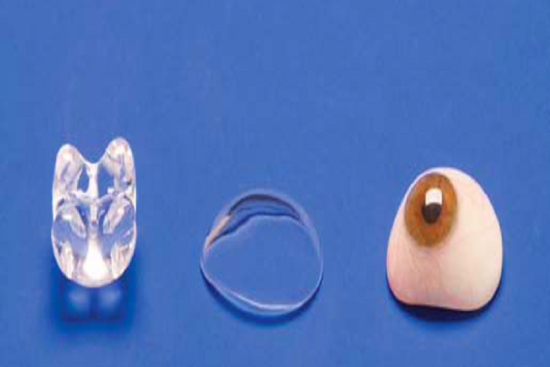
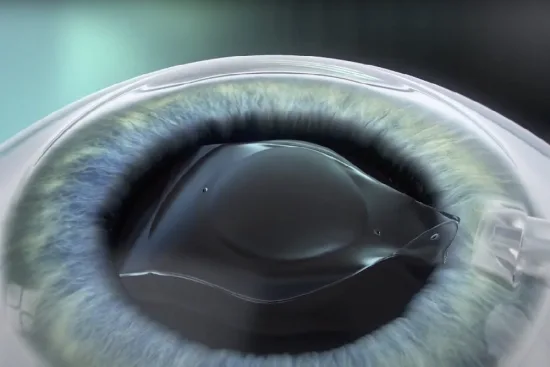
When spectacles and contact lenses fail to provide adequate vision and disease activity has plateaued, intracorneal ring segments offer surgical reshaping. Small synthetic arcs are inserted into the corneal stroma to flatten and regularize surface curvature, producing both structural improvement and better optical alignment. Two key advantages: reversibility and preservation of the patient's own corneal tissue.

ICRS frequently combines with CXL in a single session. The procedure relies on precise topographic mapping to determine segment size and position. Turkish corneal centers increasingly adopt this combined approach for moderate cases, with excellent refractive outcomes reported at the 6-month mark.

Topography-guided excimer laser (PRK / Trans-PRK)

After cross-linking stabilizes the cornea, laser surface ablation based on detailed topography maps can further regularize the shape and address residual myopia or astigmatism. This is adjunctive, not primary, applied once the disease has been arrested and the cornea proven stable on serial imaging.

Corneal transplantation: When conservative options exhaust

Reserved for advanced cases (Stage 3-4) where irregular scarring or extreme thinning defeats all optical approaches. Two distinct surgical strategies exist:

  • DALK (Deep Anterior Lamellar Keratoplasty): Replaces only the damaged anterior layers while preserving the patient's own inner cornea. This reduces rejection risk and is preferred when the back layers remain healthy.
  • PKP (Penetrating Keratoplasty): Full-thickness replacement. Reserved for severe cases with deep central scarring.

Clinical note: A 2022 meta-analysis in Ophthalmology demonstrated DALK carries significantly lower endothelial rejection rates than PKP (2.4% versus 7.6% at 5 years),with equivalent long-term visual results. Most clinics at Turquie Santé partner networks now favor DALK where anatomically feasible.

Experiences of our patients – Turquie Santé

Other procedures in this specialty

Share this page

Our assistants help you to get the best options in Keratoconus treatment