


Turquie Santé
Last update : 20/09/2025

Breast cancer treatment in Turkey: Diagnosis, methods, results & costs

Save 20 to 60% vs. European prices in internationally certified clinics

Get a free quote
Breast cancer treatment Turkey
640+
patient reviews
Patient icon
600K+
Requests received since 2018
Clinique icon
22
Clinics
Trustpilot icon
4.6
Ville icon
5
Cities
Docteurs icon
1K+
Recognized doctors

Facing breast cancer can feel overwhelming. The uncertainty, the tests, and the thought of treatment can be stressful. But with the right care, modern technology, and a personalized treatment plan, recovery is possible.

At Turquie Santé, we connect you with leading oncology specialists in Turkey, offering advanced treatments tailored to your tumor type and stage. Our partner hospitals provide modern infrastructure, expert care, and compassionate support throughout your journey.

How much does breast cancer treatment cost?

The cost of breast cancer treatment in Turkey varies depending on the type of cancer, its stage, and the treatment approach. While surgery alone may be less expensive, a comprehensive plan including chemotherapy, radiation, and targeted therapies can affect the overall cost.

Request a personalized quote based on your specific diagnosis and treatment plan.

Why choose Breast cancer treatment with Turquie Santé ?

Chirurgien icon

Expert surgeons and JCI certified hospitals

Économie icon

Prices 35% to 50% cheaper than in Europe

Organisation icon

Medical stay organized from A to Z

Prix icon

Direct prices without commission

Résultat icon

Free assistance

All about your Breast cancer treatment in Turkey
Overview
Alternative care
Benefits
Payment

Verified reviews : 640

including 31 for Breast cancer treatment

Requests processed : 146

Intervention or treatment's duration :

  • It all depends on the type of treatment.

Alternative treatments

Highly qualified professionals in accredited institutions.


We assist you before, during, and after your trip


Book with full transparency, no hidden fees or commissions.

You will pay your clinic directly using these available methods:
Transfer

Among our doctors

Verified testimonials from our patients

What is breast cancer? Understanding the disease

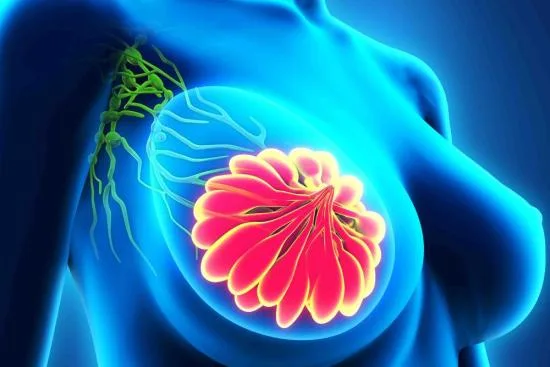
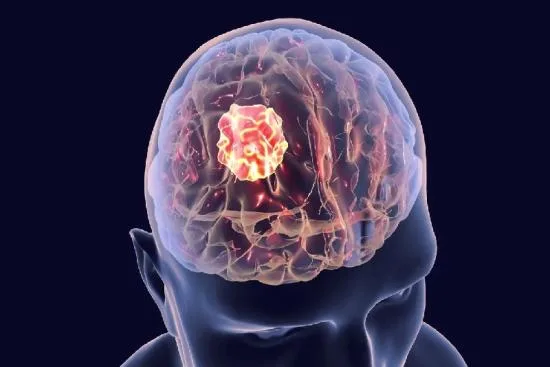
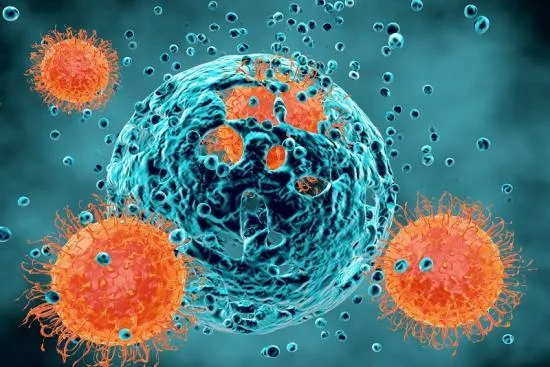
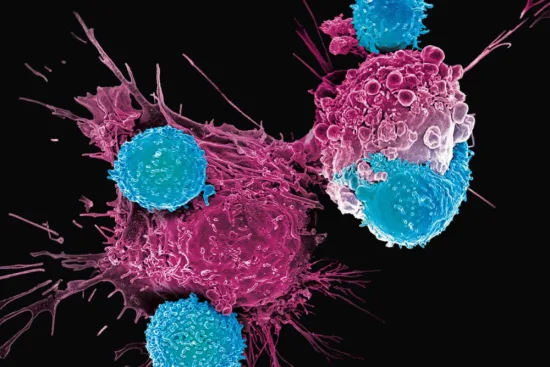
Breast cancer is a disease caused by the uncontrolled growth of abnormal cells in the breast. These cancer cells can invade surrounding tissues and, in some cases, spread to other parts of the body through blood or lymphatic vessels.

The disease often develops slowly over months or years, which allows early detection and increases the chances of successful treatment. Understanding breast cancer is the first step in managing it effectively.

Causes and risk factors: Who is more likely to develop breast cancer?

Understanding what increases your risk can help you take preventive steps and recognize early signs. While having risk factors does not guarantee breast cancer, it highlights the importance of regular screening and consultation.

TypeRisk factorsNotes / Tips
Non-modifiableAge (most cases after 50),Family history (mother, sister, daughter),BRCA1/BRCA2 gene mutations.Consider genetic counseling if you have a strong family history.
ModifiableOverweight/obesity after menopause, Sedentary lifestyle, Hormone replacement therapy, Alcohol consumption, Long-term use of birth control pills, Exposure to certain chemicals.Lifestyle changes can help reduce risk. Regular check-ups are recommended.

It is important to understand that having one or more risk factors does not mean you will definitely develop breast cancer. Conversely, women without any known risk factors can still be diagnosed with the disease. This is why regular screenings, self-examinations, and timely consultations with oncology specialists are essential for everyone, regardless of their risk profile.

Different types of breast cancer and their characteristics

Breast cancer is not a single disease. It comes in several forms, each requiring a specific diagnosis and treatment plan. Knowing the type of breast cancer is essential, as it guides the medical team in choosing the most effective therapy.

Main types

Main types of breast cancer include:

TypeDescriptionkey notes
Ductal carcinoma in situ (DCIS)A non-invasive tumor affecting the milk ducts.Highly treatable when detected early.
Invasive ductal carcinoma (IDC)The most common type, starting in the ducts and spreading into surrounding breast tissue.Represents about 80% of all breast cancers.
Lobular carcinoma in situ (LCIS)Not a true cancer, but abnormal cells in breast lobules.Increases future cancer risk and requires close monitoring.
Invasive lobular carcinoma (ILC)Begins in the lobules (milk glands) and spreads into nearby tissues.Less common but often harder to detect on imaging.
Inflammatory breast cancer (IBC)A rare and aggressive type causing redness, swelling, and warmth in the breast.Requires immediate and intensive treatment.

Why classification matters?

Identifying the exact type of breast cancer helps oncologists design a personalized treatment plan. For example, early-stage DCIS may be treated with surgery and radiation, while IBC requires a multimodal approach combining chemotherapy, targeted therapy, and surgery.

Breast cancer symptoms: What to watch for?

Recognizing the early warning signs of breast cancer is crucial for timely diagnosis and effective treatment. While some symptoms may seem harmless at first, paying attention to subtle changes in your breasts can make a real difference.

Common symptoms of breast cancer include:

  • A lump or thickening in the breast or underarm area
  • Spontaneous nipple discharge (clear, yellow, or bloody)
  • Nipple retraction (turning inward)
  • Changes in breast skin (redness, thickening, dimpling, or warmth)
  • A noticeable change in breast size, shape, or symmetry
  • Persistent breast pain or discomfort

Not every lump or change means cancer, but only a medical examination can confirm the cause.

Can men get breast cancer?

Although breast cancer is most commonly associated with women, it can also affect men. Male breast cancer is rare, representing about 1% of all breast cancers, but it is often diagnosed at a later stage because it is not usually suspected. Most cases occur in men over 60, and the symptoms are very similar to those seen in women, such as a painful lump, nipple retraction, or unusual discharge.

Because of delayed diagnosis, tumors in men are often larger and more advanced when discovered, making treatment more complex. Raising awareness and encouraging men to seek medical advice quickly if they notice breast changes can greatly improve outcomes.

How to detect breast tumors early?

Early detection plays a major role in improving survival rates and treatment outcomes for breast cancer. The earlier the disease is diagnosed, the greater the chances of receiving less invasive and more effective treatment.

Methods of early detection include:

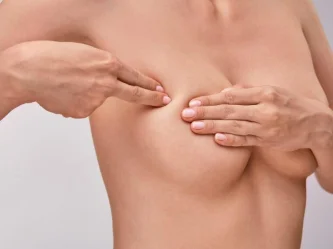
  • Breast self-examination (BSE): Regular self-checks help women notice changes such as lumps, swelling, or unusual skin changes. This should be done monthly, ideally after the menstrual cycle.
  • Clinical breast examination (CBE): Performed by a healthcare professional, this examination can identify abnormalities not always noticed during self-checks.
  • Mammography: The most common screening method. It can detect tumors that are too small to be felt by hand. Recommended every 1–2 years for women over 40 or earlier in high-risk cases.
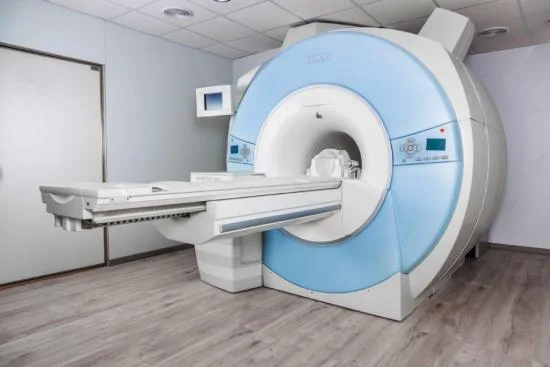
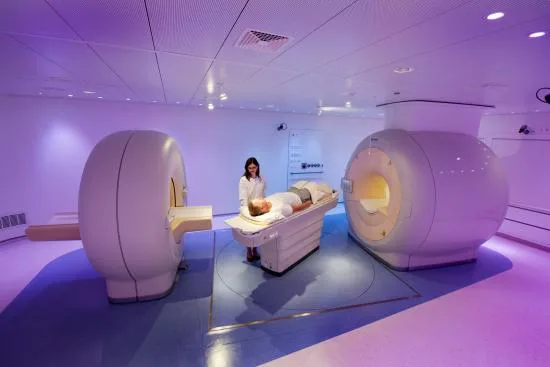
  • Advanced imaging techniques: Ultrasound, MRI, and nuclear scans are used for more detailed evaluation when necessary.

Women themselves first detect most breast cancers. That's why awareness and regular check-ups are essential. Even if you have no symptoms, routine screening can save lives by detecting tumors before they have a chance to spread.

Learn more about preventive check-ups with experienced oncology teams in Turkey!

Treatment options of breast tumors in Turkey

Treatment for breast cancer in Turkey is tailored to each patient, taking into account the type, stage, and individual needs. Thanks to modern oncology techniques, patients now have access to a variety of effective therapies beyond traditional surgery.

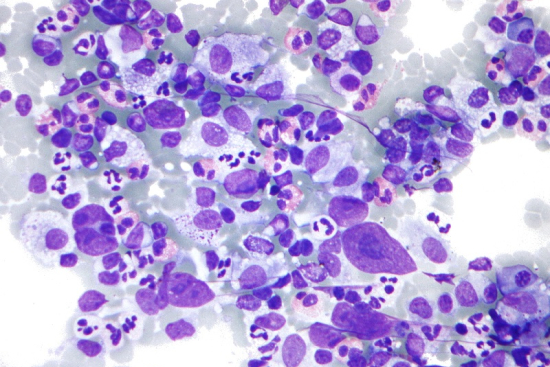
Every treatment journey begins with a breast biopsy, which removes tumor tissue for precise analysis. This allows oncologists to determine the most effective treatment strategy for you.

These are the main approaches that may be considered in breast cancer treatment in turkey:

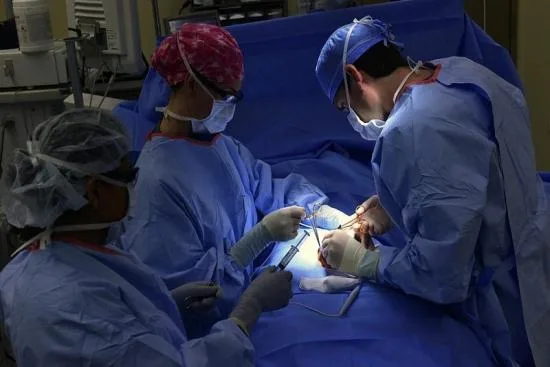
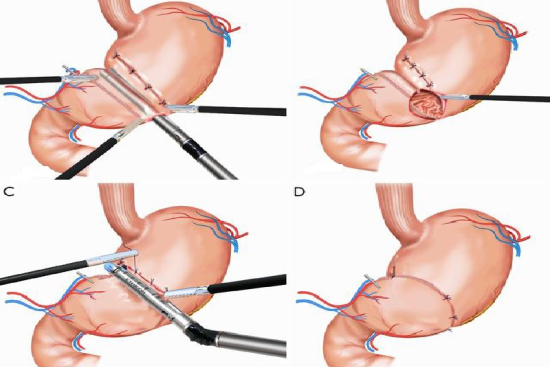
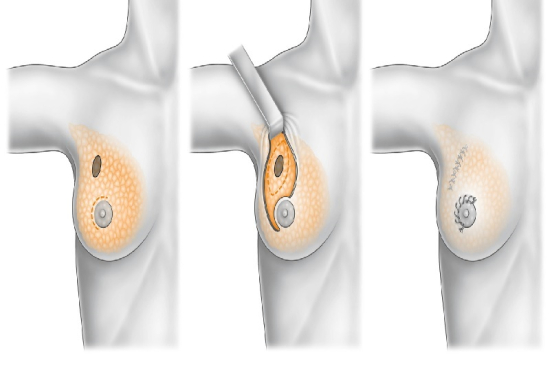
  • Surgery: Removing the tumor or affected breast tissue, sometimes combined with reconstruction.
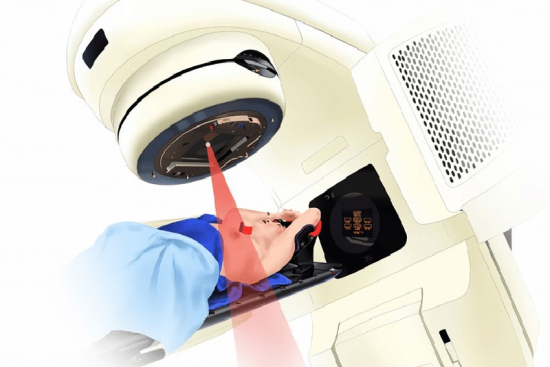
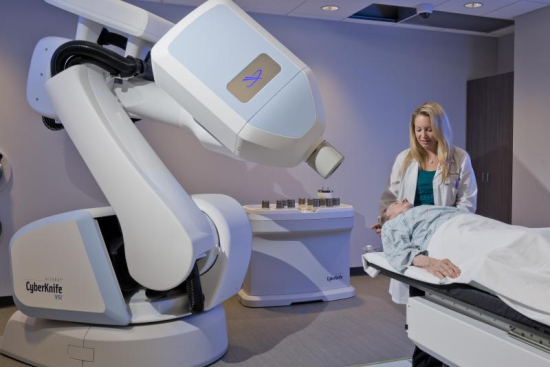
  • Radiation therapy: Using targeted X-rays to destroy remaining cancer cells after surgery.
  • Chemotherapy: Drugs administered orally or intravenously to eliminate cancer cells throughout the body.
  • Hormonal therapy: Blocks the production or action of hormones that stimulate tumor growth.
  • Targeted therapy: Innovative drugs designed to attack cancer cells specifically, minimizing side effects on healthy tissue.

With Turquie Santé, patients benefit from highly specialized oncology teams and modern medical infrastructure, ensuring a comprehensive approach to care. Throughout the process, you'll receive guidance tailored to your condition, including support for recovery and emotional well-being.

Discover what treatment options might be most suitable for your specific case with the guidance of our experienced oncology specialists.

Why choose Turkey for your treatment?

With Turquie Santé, you'll have access to highly care and personalized attention. In fact, Turkish hospitals guarantee breast cancer patients modern infrastructure and state-of-the-art technical facilities for top-quality treatment.

Personalized support is also provided throughout the treatment process for optimal physical and psychological care.

Thanks to an individualized approach and the comprehensive therapeutic arsenal available in Turkey, women with breast cancer can now look to the future with confidence. With Turquie Santé, you finally have the opportunity to rely on cutting-edge medical solutions and personalized support to maximize your chances of recovery and improve your quality of life.

How it works ?

2
Services
We look for the best option for your case & budget
3
Hospital
Evaluating a care plan with the best quote
4
airplane
Making appointments & Organization of your trip
5
Health care
Ongoing support until you return home

Get a free medical opinion on Breast cancer treatment with our 22 Recognized Clinics

Certifications :

International Organization for Standardization (ISO) LIV Vadistanbul
SRC — Center of Excellence (Colorectal Surgery) LIV Vadistanbul
Eurocrine — Endocrine Surgery Quality Registry LIV Vadistanbul
TÜV SÜD ISO 9001:2008 - Quality Management Certification LIV Vadistanbul
LIV Vadistanbul
Istanbul, Turkey
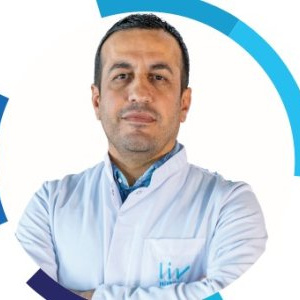
Assoc. Prof. Dr. Murat Ayhan
Main Specialty : Oncology Years of Experience : 16 years. Notable Training : Dicle University, Faculty of Medicine 2007; Associate Professor of Medical Oncology 2023 Mastered Techniques : Immunotherapy; Hormonal Therapy; Chemotherapy Notable ... Read more
4.4(10 Reviews)
Price on request

Certifications :

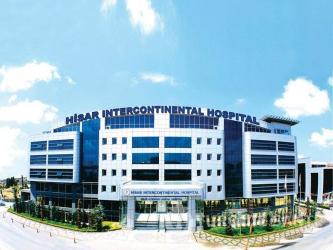
TÜV SÜD ISO 9001:2008 - Quality Management Certification HISAR INTERCONTINENTAL
JCI - Joint Commission International HISAR INTERCONTINENTAL
International Organization for Standardization (ISO) HISAR INTERCONTINENTAL
HISAR INTERCONTINENTAL
Istanbul, Turkey
DR. MUSTAFA SOLAK
Main specialty: Medical oncology Years of experience: Over 20 years Notable training: Medical degree, Hacettepe University; specialization in medical oncology, Şişli Etfal Training and Research Hospital, Istanbul; subspecialization in ... Read more
4.4(220 Reviews)
Price on request

Certifications :

JCI - Joint Commission International LOKMAN HEKIM ISTANBUL
TÜV SÜD ISO 9001:2008 - Quality Management Certification LOKMAN HEKIM ISTANBUL
International Organization for Standardization (ISO) LOKMAN HEKIM ISTANBUL
4.7(65 Reviews)
Price on request

Certifications :

TÜV SÜD ISO 9001:2008 - Quality Management Certification LIV Ulus
International Organization for Standardization (ISO) LIV Ulus
AOSpine International — Global Spine Care Organization LIV Ulus
SRC — Center of Excellence (Colorectal Surgery) LIV Ulus
4.7(1 Reviews)
Price on request
Get a free expert opinion via our Medical Quiz
Have you ever undergone a Breast cancer treatment ?

Certifications :

JCI - Joint Commission International MEMORIAL Şişli
International Organization for Standardization (ISO) MEMORIAL Şişli
TÜV SÜD ISO 9001:2008 - Quality Management Certification MEMORIAL Şişli
MEMORIAL Şişli
Istanbul, Turkey
Mehmet Akif Öztürk
Graduated in medicine from Marmara University (2003),specializing in internal medicine (2009) and medical oncology at Cerrahpaşa University (2012). Mandatory service at Hatay Antakya State Hospital (2012-2014),became assistant professor in ... Read more
Prof. Betül Tavil
Main Specialty : Oncology Years of Experience : 19 years. Notable Trainings : Hacettepe University Faculty of Medicine, Ankara Pediatric Health and Diseases Hematology Oncology Training and Research Hospital. Languages Spoken : English, ... Read more
4.5(34 Reviews)
Price on request

Certifications :

International Organization for Standardization (ISO) MEMORIAL ANKARA
JCI - Joint Commission International MEMORIAL ANKARA
TÜV SÜD ISO 9001:2008 - Quality Management Certification MEMORIAL ANKARA
4.3(2 Reviews)
Price on request

Certifications :

JCI - Joint Commission International MEMORIAL Bahçelievler
Leed Platinium Certificate MEMORIAL Bahçelievler
International Organization for Standardization (ISO) MEMORIAL Bahçelievler
TÜV SÜD ISO 9001:2008 - Quality Management Certification MEMORIAL Bahçelievler
4.3(23 Reviews)
Price on request

Certifications :

International Organization for Standardization (ISO) NP BRAIN
JCI - Joint Commission International NP BRAIN
4.7(4 Reviews)
Price on request

Certifications :

TÜV SÜD ISO 9001:2008 - Quality Management Certification Florence Nightingale
JCI - Joint Commission International Florence Nightingale
4.7(10 Reviews)
Price on request

Certifications :

JCI - Joint Commission International AMERICAN HOSPITAL
TÜV SÜD ISO 9001:2008 - Quality Management Certification AMERICAN HOSPITAL
International Organization for Standardization (ISO) AMERICAN HOSPITAL
4.7(5 Reviews)
Price on request

Certifications :

International Organization for Standardization (ISO) MEMORIAL Antalya
TÜV SÜD ISO 9001:2008 - Quality Management Certification MEMORIAL Antalya
JCI - Joint Commission International MEMORIAL Antalya
MEMORIAL Antalya
Antalya, Turkey
Prof. Dr. Akın YILDIZ
Main specialty : Nuclear Medicine Years of experience : 32 years. Notable training : Mount Sinai Medical Center, 2010; Dokuz Eylul University Faculty of Medicine, 1993 - 1997; Akdeniz University Faculty of Medicine, 1988 - 1991. Mastered ... Read more
4.7(1 Reviews)
Price on request

Certifications :

JCI - Joint Commission International ACIBADEM
TÜV SÜD ISO 9001:2008 - Quality Management Certification ACIBADEM
International Organization for Standardization (ISO) ACIBADEM
4.6(172 Reviews)
Price on request

Certifications :

TÜV SÜD ISO 9001:2008 - Quality Management Certification LOKMAN HEKIM Üniversitesi
International Organization for Standardization (ISO) LOKMAN HEKIM Üniversitesi
LOKMAN HEKIM Üniversitesi
Ankara, Turkey
Assoc.Prof.Yusuf AÇIKGÖZ
Main Specialty : Medical Oncology Years of Experience : 8 years. Notable Training : Faculty of Medicine, Internal Medicine, Medical Oncology Mastered Techniques : Clinical Trials, Biostatistics, Immuno-Oncology, Good Clinical Practices Notable ... Read more
4.7(1 Reviews)
Price on request

You have consulted 7 / 22 Hospitals

Related medical articles

Everything you will need for your medical trip

Medical opinion and estimates

Expert opinions and cost estimates

Pre-trip consultations

Understand your procedure before traveling.

Visa assistance

We assist our patients in obtaining their visas from the consulates.

Translation of your medical reports

We guarantee free and certified translation of your medical documents from all languages.

VIP Transport

Your transfers will be provided from the airport and your hotel.

Continuous Follow-up

You will be assisted by your attending doctor even after returning to your country, via videos or messages.

Experiences of our patients – Turquie Santé

Emily White : Medical Content Team Manager at Turquie Santécheck

Written by

Emily White

This content complies with the editorial policy of Turquie Santé. It was written by Emily White, Head of the Editorial Team, who has over 11 years of experience in scientific research and clinic management in Turkey. She ensures the reliability of medical information while making complex data accessible to everyone.

Doç. Dr. Mustafa Emre ERCİNcheck

Reviewed by Doç. Dr. Mustafa Emre ERCİN

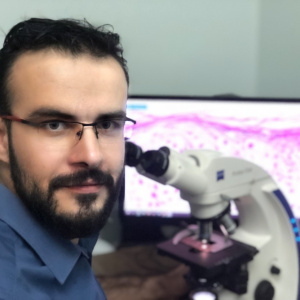
Dr. Mustafa Emre Ercin is an Associate Professor of pathology, an expert in cellular analysis and tissue diagnosis at LHU Ankara. A key link between research and clinical practice, he validates the terminological and diagnostic accuracy of our content, ensuring laboratory analysis explanations are scientifically exact.

Breast cancer treatment FAQ in Turkey

Is it possible to remove only the tumor and keep the breast?

Surgery that retains most of the mammary tissue is called lumpectomy or breast-conserving surgery. It is often followed by radiotherapy.

How long does breast cancer treatment last?

The duration of breast cancer treatment depends on the protocol chosen and the stage of the disease. Chemotherapy or radiation therapy lasts on average between 3 and 6 months, while hormone therapy or targeted therapy can last several years to reduce the risk of recurrence.

Does hair always fall out during chemotherapy?

Chemotherapy can cause temporary hair loss, but this is not always the case. In most cases, hair gradually grows back a few months after the end of treatment.

What follow-up care is needed after breast cancer treatment?

After breast cancer treatment, regular medical follow-up is necessary to detect any recurrence and monitor side effects. This includes examinations, mammograms, and sometimes blood tests, depending on the doctor's recommendation.
Procedures available for this specialty

Share this page

Our assistants help you to get the best options in Breast cancer treatment