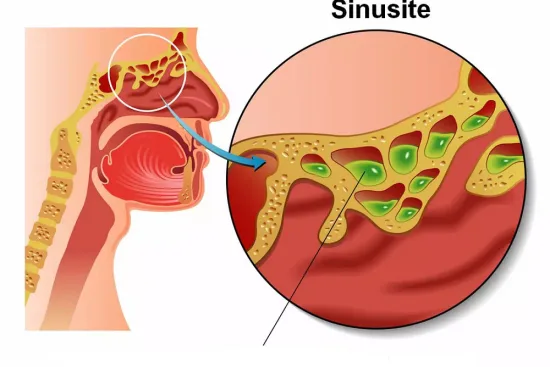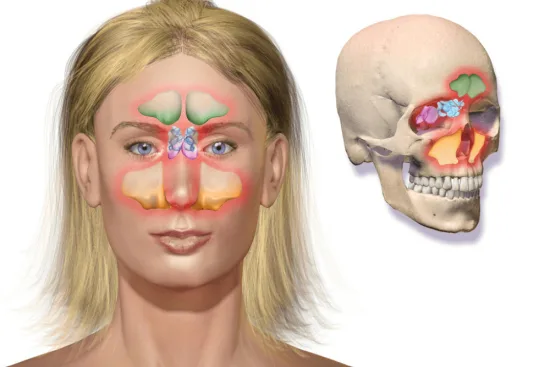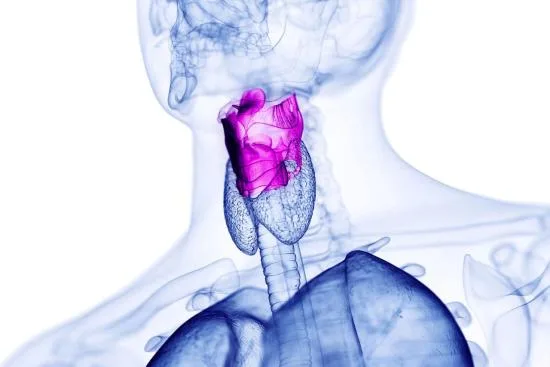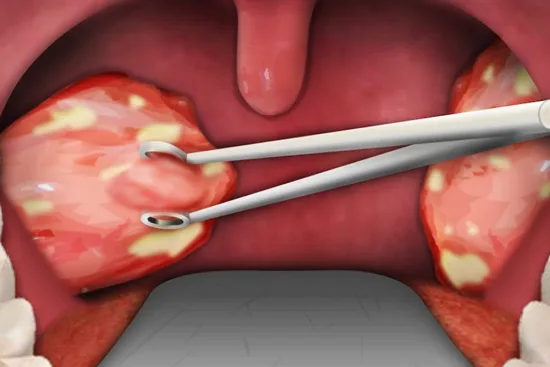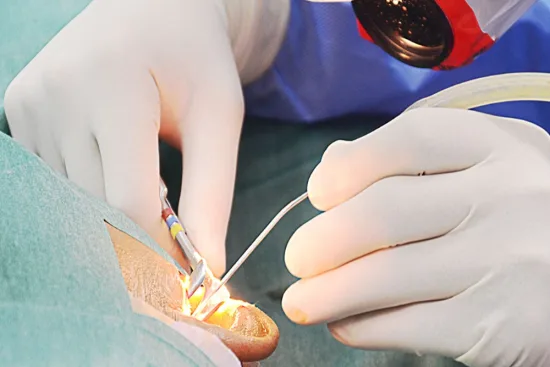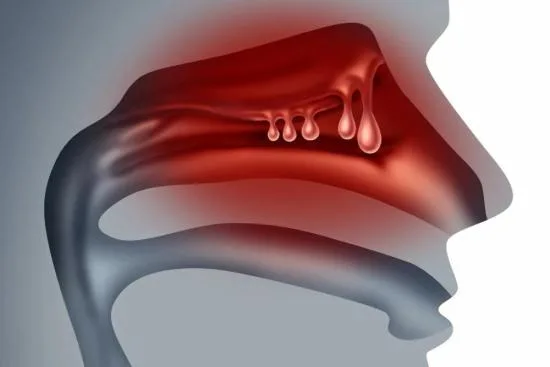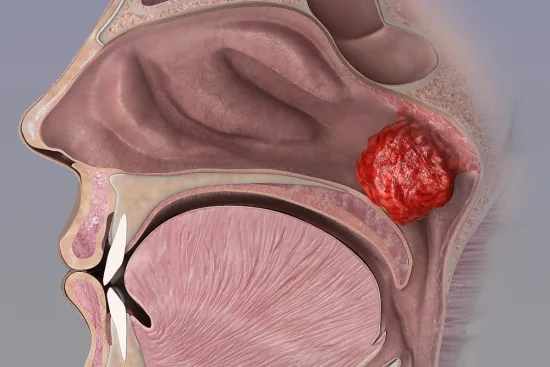






When chronic sinus problems keep coming back despite medications, endoscopic sinus surgery may offer a long-term solution. This minimally invasive procedure opens blocked sinus passages, improves drainage, and restores normal breathing. It's commonly recommended for chronic sinusitis, recurrent infections, nasal polyps, or persistent facial pressure. The surgeon uses a thin endoscope to access the nasal cavities without external incisions, treating the area precisely while preserving healthy surrounding tissue.
Recovery is generally straightforward, with most patients returning to usual activities within one to two weeks, though complete healing can take a little longer. Clinical studies report symptom improvement in roughly 75 to 95% of patients, making endoscopic sinus surgery one of the most effective options for lasting relief from chronic sinus disease.
Cost of Sinus Surgery in Turkey
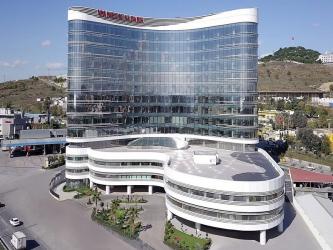
Turkey offers exceptional value for sinus surgery without compromising quality or safety. FESS procedures in Turkey vary widely by clinic and case complexity, with prices commonly ranging from about $2,500 to $3,800 USD depending on the facility, surgeon experience, and whether the procedure is combined with other treatments like septoplasty. This compares to $7,000–$18,000 in the United States for comparable procedures, representing substantial savings. This cost differential reflects lower healthcare infrastructure expenses, favorable currency exchange rates, and competitive surgical fees while maintaining international standards. Turkish hospitals maintain Joint Commission International (JCI) accreditation and employ surgeons trained in European and American institutions.
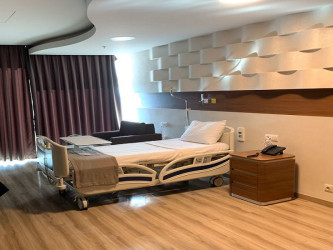
Cost components include surgeon fees, anesthesia, hospital facility charges, and postoperative care. Bilateral procedures, complex cases involving multiple sinuses, or revision surgeries typically cost more than primary unilateral procedures — patients should request a detailed, itemized quote after consultation and imaging review, as pricing varies significantly by clinic. Many Turkish facilities offer all-inclusive packages covering preoperative consultation, imaging, surgery, hospital stay, medications, and postoperative follow-up. International patient coordinators arrange travel logistics, accommodation, and translation services, often included in package pricing.
Payment options accommodate international patients. Most facilities accept wire transfers and credit cards; some may accept cryptocurrency or offer financing plans for patients requiring extended payment schedules. When combined with surgical costs, total treatment expenses — including travel and accommodation — generally remain lower than home-country alternatives, though patients should verify insurance coverage before traveling. Turkish Ministry of Health regulates all surgical facilities, ensuring compliance with infection control, equipment standards, and surgeon qualifications meeting international benchmarks.