


Turquie Santé
Last update : 02/04/2026

Chronic constipation surgery in Turkey: Costs, recovery & risks

Looking for more options? You can browse all our 63 partner clinics.
We only work with certified clinics, selected according to strict quality and safety criteria.

Chronic constipation surgery Turkey
96%
Recommendations
850+
patient reviews
Patient icon
600K+
Requests received since 2018
Clinique icon
38
Clinics
Trustpilot icon
4.6
Ville icon
5
Cities
Docteurs icon
2K+
Recognized doctors

You've been dealing with constipation for months, sometimes years, despite trying fiber, laxatives, and even pelvic floor therapy. When these approaches fail, and symptoms become severe, surgery may become not just an option, but the only effective solution.

This is the question many patients hesitate to ask: “Have I reached the point where surgery is necessary?”
Too often, the answer is delayed, either because of embarrassment or simply because patients are not aware that surgical treatment exists.

For a carefully selected group of patients with chronic, treatment-resistant constipation, surgery can significantly improve quality of life. Today, this option is performed in specialized centers with expertise in digestive surgery, including in countries such as Turkey.

Cost of chronic constipation surgery: Turkey vs. other countries

All prices are approximate and inclusive of surgeon fees, anesthesia, and standard admission.

ProcedureTurkey ($)UK (£)Germany (€)USA ($)Notes
Full diagnostic workup
(manometry + transit study + colonoscopy)
440–8801,200–2,0001,200–2,0002,000–4,000Includes complete preoperative evaluation; Istanbul clinics provide 1–2 day completion without waiting lists
Anorectal surgery
(rectopexy, rectocele repair, STARR)
1,650–3,0804,000–7,0004,000–7,5006,000–12,000Minimally invasive procedures; hospital stay 1–3 days; excellent functional outcomes when anatomy is well-documented
Laparoscopic subtotal colectomy
(ileorectal anastomosis)
3,300–5,5008,000–14,0008,000–13,00015,000–30,000Standardized in expert colorectal centers; hospital stay 4–6 days; post-op nutrition follow-up recommended
Sacral neuromodulation
(test + permanent implant)
2,750–4,9506,500–11,0007,000–12,00012,000–25,000For selected patients with refractory constipation or incontinence; includes device, implantation, and follow-up

Sources & notes:

  • Turkey prices: Verified with Turquie Santé JCI-accredited partner clinics, inclusive of surgeon fees, anesthesia, and standard admission.
  • UK & Germany: Private hospital guide prices.
  • USA: CareCredit / Healthline 2024 data.
  • Out-of-pocket costs vary; NHS, statutory insurance, or private coverage may reduce patient contribution.


Why undergo Chronic constipation surgery with Turquie Santé ?

Chirurgien icon

Expert surgeons and JCI certified hospitals

Économie icon

Prices 35% to 50% cheaper than in Europe

Organisation icon

Medical stay organized from A to Z

Prix icon

Direct prices without commission

Résultat icon

Free assistance 24/7

All about your Chronic constipation surgery in Turkey
Overview
Alternative care
Benefits
Payment

Verified reviews : 780

Processed requests : 46

Intervention or treatment's duration :

  • The procedure lasts about 30 minutes

Recovery time :

  • A two-day hospital stay
  • Normal activity resumes in one week

Alternative treatments

Highly qualified professionals in accredited institutions.


We assist you before, during, and after your trip


Book with full transparency, no hidden fees or commissions.

You will pay your clinic directly using these available methods:

Transfer

How it works ?

1
Smartphone
Send your request online
2
Services
We look for the best option for your case & budget
3
Hospital
Evaluating a care plan with the best quote
4
airplane
Making appointments & Organization of your trip
5
Health care
Ongoing support until you return home

Get a free medical opinion on Chronic constipation surgery with our 38 Recognized Clinics

Certifications :

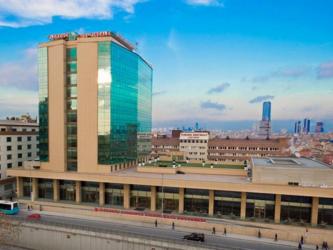
Joint Commission International - JCI HISAR INTERCONTINENTAL
International Organization for Standardization (ISO) HISAR INTERCONTINENTAL
ISO 9001:2008 HISAR INTERCONTINENTAL
HISAR INTERCONTINENTAL
Istanbul, Turkey
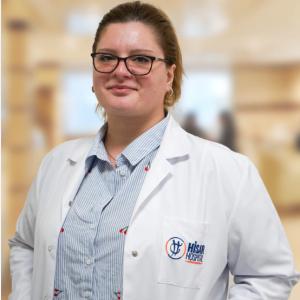
Op. Dr. Merve Karli, M.D

Op. Dr. Merve Karli, M.D

Main specialty: General surgery, laparoscopic surgery Years of experience: Over 12 years Notable training: Medicine at Osmangazi University in Eskişehir; specialization in general surgery at Dr. Sadi Konuk Hospital, Bakırköy Notable ... Read more
Ömer Necip AYTUĞ

Ömer Necip AYTUĞ

4.4

Certifications :

Joint Commission International - JCI LOKMAN HEKIM ISTANBUL
International Organization for Standardization (ISO) LOKMAN HEKIM ISTANBUL
ISO 9001:2008 LOKMAN HEKIM ISTANBUL
LOKMAN HEKIM ISTANBUL
Istanbul, Turkey
Prof. Dr. Osman İLHAN

Prof. Dr. Osman İLHAN

Assoc. Prof. Dr. Mehmet Emin SIMSEK

Assoc. Prof. Dr. Mehmet Emin SIMSEK

4.7

Certifications :

Joint Commission International - JCI MEMORIAL Şişli
International Organization for Standardization (ISO) MEMORIAL Şişli
ISO 9001:2008 MEMORIAL Şişli
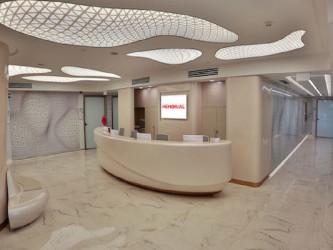
MEMORIAL Şişli
Istanbul, Turkey
MD Ahmet ARPACI

MD Ahmet ARPACI

Dr. Volkan TURUNÇ

Dr. Volkan TURUNÇ

4.5

Certifications :

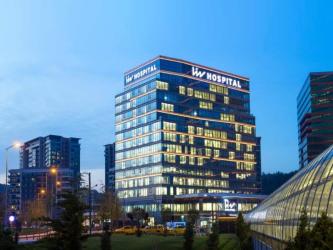
Joint Commission International - JCI LIV Vadistanbul
International Organization for Standardization (ISO) LIV Vadistanbul
ISO 9001:2008 LIV Vadistanbul
LIV Vadistanbul
Istanbul, Turkey
Prof. Dr. Koray Karabulut

Prof. Dr. Koray Karabulut

Main Specialty : Bariatric Surgery Years of Experience : 17 years. Notable Trainings : 1992-1998 Medical Doctor Education: Istanbul University Istanbul Faculty of Medicine, 1998-2004 General Surgery Specialization Training: Istanbul University, ... Read more
Prof. Dr. Kazım Özenç Minareci

Prof. Dr. Kazım Özenç Minareci

4.4

Certifications :

Joint Commission International - JCI LIV Ulus
International Organization for Standardization (ISO) LIV Ulus
ISO 9001:2008 LIV Ulus
LIV Ulus
Istanbul, Turkey
Assoc. Prof. Dr. İlteriş Oğuz Topal

Assoc. Prof. Dr. İlteriş Oğuz Topal

Prof. Dr. Ferah Ece

Prof. Dr. Ferah Ece

4.7

Certifications :

Joint Commission International - JCI MEMORIAL ANKARA
International Organization for Standardization (ISO) MEMORIAL ANKARA
ISO 9001:2008 MEMORIAL ANKARA
MEMORIAL ANKARA
Ankara, Turkey
Prof. Dr. Ferit AVCU

Prof. Dr. Ferit AVCU

4.3

Certifications :

Joint Commission International - JCI MEMORIAL Bahçelievler
International Organization for Standardization (ISO) MEMORIAL Bahçelievler
ISO 9001:2008 MEMORIAL Bahçelievler
Leed Platinium Certificate MEMORIAL Bahçelievler
MEMORIAL Bahçelievler
Istanbul, Turkey
Prof. Ediz ALTINLI

Prof. Ediz ALTINLI

Main specialty : Colorectal Surgery Years of experience : 26 years. Notable training : Specialization in General Surgery at the Faculty of Medicine of Cerrahpaşa University (1992 - 1997) Mastered techniques : Advanced laparoscopic ... Read more
4.3

Certifications :

Joint Commission International - JCI NP BRAIN
International Organization for Standardization (ISO) NP BRAIN
NP BRAIN
Istanbul, Turkey
4.7

Certifications :

Joint Commission International - JCI Florence Nightingale
ISO 9001:2008 Florence Nightingale
Florence Nightingale
Istanbul, Turkey
Dr. Abdullah Eren

Dr. Abdullah Eren

Dr.Çavlan Çiftçi

Dr.Çavlan Çiftçi

Certifications :

Joint Commission International - JCI AMERICAN HOSPITAL
International Organization for Standardization (ISO) AMERICAN HOSPITAL
ISO 9001:2008 AMERICAN HOSPITAL
AMERICAN HOSPITAL
Istanbul, Turkey

Certifications :

Joint Commission International - JCI MEMORIAL Antalya
International Organization for Standardization (ISO) MEMORIAL Antalya
ISO 9001:2008 MEMORIAL Antalya
MEMORIAL Antalya
Antalya, Turkey
Prof. Dr. Akın YILDIZ

Prof. Dr. Akın YILDIZ

4.7

Certifications :

Joint Commission International - JCI ACIBADEM
International Organization for Standardization (ISO) ACIBADEM
ISO 9001:2008 ACIBADEM
ACIBADEM
Istanbul, Turkey
Dr. A.BÜLENT OKTAY

Dr. A.BÜLENT OKTAY

Dr. Ayşe Sagduyu Kocaman

Dr. Ayşe Sagduyu Kocaman

Certifications :

International Organization for Standardization (ISO) LOKMAN HEKIM Üniversitesi
ISO 9001:2008 LOKMAN HEKIM Üniversitesi
LOKMAN HEKIM Üniversitesi
Ankara, Turkey
Prof. Dr. MUSTAFA ÖZSOY

Prof. Dr. MUSTAFA ÖZSOY

Main Specialty : General Surgery Years of Experience : 16 years. Notable Training : MD, Ege University Faculty of Medicine; General Surgery Residency, Ege University Faculty of Medicine Mastered Techniques : Hepatobiliary surgery, liver and kidney ... Read more
Prof. Dr. Osman İLHAN

Prof. Dr. Osman İLHAN

4.7

You have consulted 7 / 38 Hospitals

Everything you will need for your medical trip

Medical opinion and estimates

Expert opinions and cost estimates

Pre-trip consultations

Understand your procedure before traveling.

Visa assistance

We assist our patients in obtaining their visas from the consulates.

Translation of your medical reports

We guarantee free and certified translation of your medical documents from all languages.

VIP Transport

Your transfers will be provided from the airport and your hotel.

Continuous Follow-up

You will be assisted by your attending doctor even after returning to your country, via videos or messages.

Experiences of our patients – Turquie Santé

Verified patient reviews

Messan Kogue K.

every thing went well. thank you all


5.0
12/11/2024
This patient was treated for Laser hemorrhoids surgery
ALWAREEDI O.

Praise be to God, the examination was done by the doctor, and his analysis and treatment method were very convincing. In..Read more


5.0
10/09/2024
This patient was treated for Treatment of ulcerative colitis
Barry Boubacar S.

I had an operation, it went well but since the operation I have been suffering. The doctor told me that it will pass, I ..Read more


4.9
24/10/2023
This patient was treated for Laser hemorrhoids surgery
Emily White : Editorial Team Lead at Turquie Santécheck

Written by

Emily White

This content complies with the editorial policy of Turquie Santé. It was written by Emily White, Head of the Editorial Team, who has over 11 years of experience in scientific research and clinic management in Turkey. She ensures the reliability of medical information while making complex data accessible to everyone.

Severe chronic constipation: Understanding the hidden impact

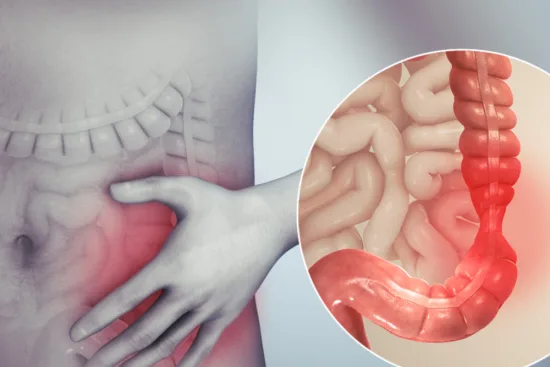
Chronic constipation is more than a temporary inconvenience. When it lasts for more than six months, with fewer than three bowel movements per week, significant straining, or a feeling of incomplete evacuation, it becomes a genuine digestive disorder.

According to the French National Society of Colo-Proctology, it affects 15-20% of adults. For most people, simple measures, such as a fiber-rich diet, proper hydration, and regular physical activity, are enough to restore normal bowel function.

However, for a small subset of patients (about 1-3%),constipation becomes refractory, meaning no standard medical treatment provides lasting relief. In these cases, surgical options may need to be considered.

Medically, chronic functional constipation is defined by the Rome IV criteria, which include symptoms such as straining, hard stools, a sensation of incomplete evacuation, blockage, or fewer than three spontaneous bowel movements per week over the past six months.

Understanding the cause before considering surgery

Before thinking about surgery for chronic constipation, it's important to understand why your bowel isn't working properly. Not all constipation is the same, and knowing the underlying cause helps doctors choose the safest and most effective treatment for you.

In practice, there are three main types:

Understanding which type you have is the first step toward real relief. It guides doctors to the right treatment and helps set realistic expectations for recovery.

Preoperative evaluation for chronic constipation in Istanbul

Before any surgery for chronic constipation, a thorough evaluation is essential. In Turkey, as in France, the medical teams partnered with Turquie Santé always start by checking that all necessary tests have been completed.

This evaluation serves two main purposes:

  1. Confirm that your constipation is truly refractory to medical treatment.
  2. Pinpoint the exact mechanism so the surgical team can choose the most appropriate procedure for you.

Basic assessments

These tests are the foundation of any preoperative workup:

Specialized tests

These exams help determine the exact cause of chronic constipation and guide the surgical plan:

Non-surgical treatments first: what should have been tried

Turquie Santé's medical partners will not recommend surgery until all conservative options have been exhausted. This isn't bureaucratic caution; it's good medicine. Here's what an optimized nonsurgical pathway looks like:

Dietary and lifestyle changes

Increasing dietary fiber to 25–40 grams per day from fruits, vegetables, whole grains, and legumes, combined with adequate fluid intake (at least 1.5–2 liters per day) and regular physical activity, is the cornerstone of initial management. These measures are effective for treating mild to moderate functional constipation.
Laxatives: matched to the mechanism

Pelvic floor biofeedback

For constipation caused by anismus or dyssynergia (obstructed defecation),biofeedback is the first-line, evidence-based treatment, not surgery. With the help of pressure sensors or surface electromyography, patients learn how to correctly relax the pelvic floor and puborectalis muscles during defecation. Meta-analyses in gastroenterology consistently demonstrate improvement rates of 50-75% in patients with dyssynergia, often with lasting benefits. Any patient with ODS who has not completed a proper course of biofeedback treatment has not yet been fully treated.
Surgical options: which procedure, for whom, and what to expect?

Surgery may be recommended after twelve months or more of optimal medical management have been unsuccessful and the cause has been clearly identified. The procedures available at Turquie Santé's partner hospitals in Istanbul are listed below.

Laparoscopic subtotal colectomy with ileorectal anastomosis

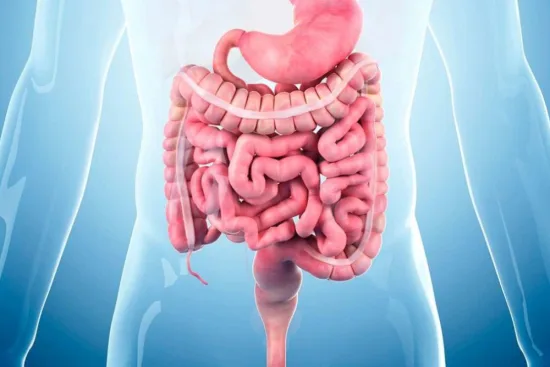
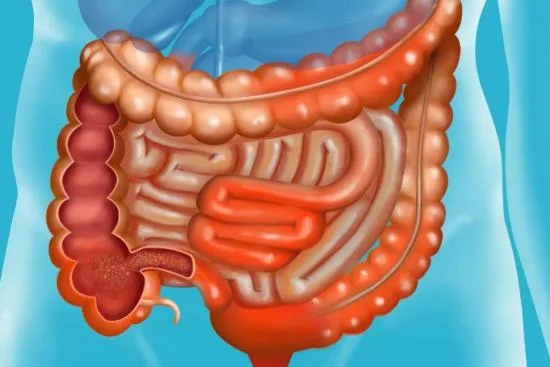
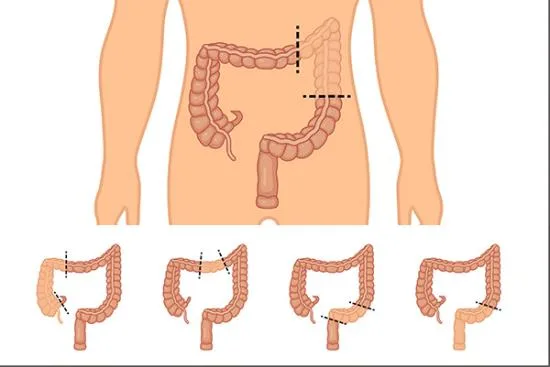
This is the definitive surgical option for slow-transit constipation (colonic inertia). The surgeon removes approximately 80–90% of the colon (the ascending, transverse, and descending colon) and joins the end of the small intestine (terminal ileum) directly to the rectum. With the colonic bottleneck removed, transit time decreases dramatically.

In Istanbul, this procedure is almost always performed laparoscopically, requiring only four or five small incisions and allowing for a significantly faster recovery than open surgery. Hospital admission is 4–6 days. Patients can return to light activity in 2–3 weeks and make a full recovery in 4–6 weeks.

Outcomes in well-selected patients are favorable. A systematic review and meta-analysis by Knowles et al. (Diseases of the Colon & Rectum, 2008) found significant improvement in transit time in 70–80% of patients at long-term follow-up. However, this procedure only works when slow transit is the primary problem. If there is a concurrent rectal evacuation disorder, then colectomy alone will not help and may worsen the condition.
The most common postoperative challenge is having loose or frequent stools during the first few months: Without the colon's water-absorbing function, stool consistency changes. For most patients, this stabilizes at two to four formed stools per day over three to six months, particularly with dietary adjustments.

This is an irreversible procedure. That's why patient selection and a thorough preoperative workup are so critical. Operated in a specialist colorectal unit with an experienced laparoscopic surgeon, the risk-benefit ratio is favorable, but the procedure requires the right patient, not just an unhappy one.

Anorectal surgery for obstructed defecation

Several distinct procedures fall under this heading, each targeting a specific anatomical abnormality.

These procedures are significantly less invasive than colectomy and typically allow patients to return to normal activity within 7–14 days. The results are excellent when the anatomical abnormality is well documented. The challenge is ensuring that the symptom pattern matches the findings before proceeding.

Sacral neuromodulation (sacral nerve stimulation)

Originally developed for fecal incontinence, sacral neuromodulation has a growing evidence base for treating refractory chronic constipation with anorectal dysfunction. A small electrode is placed near the sacral nerve roots, and low-level electrical stimulation modulates pelvic floor and colonic nerve activity.

A critical advantage of this approach is the built-in test phase. An external stimulator is used for three to four weeks before a permanent implant is decided upon. Roughly 50–65% of carefully selected patients experience meaningful improvement during the test phase, and only those patients proceed to permanent implantation. It is available at specialist colorectal units in Istanbul.

Recovery: What actually happens in the days and weeks after surgery

Recovery timelines vary depending on the procedure. Here's what patients can realistically expect, based on the experience of Istanbul's specialized colorectal teams.

After anorectal surgery (Rectopexy, rectocele repair, STARR)

After laparoscopic subtotal colectomy

What we tell every patient before a subtotal colectomy is this: the first three months are an adjustment, not a failure. Those who work with a dietitian and understand what's happening navigate it well and are genuinely happy with the results. Those expecting an immediate return to normal routines are the ones who struggle.

Chronic constipation surgery in Turkey: Success rates, risks, and What to expect

Even at experienced centers, surgery carries risks. For well-selected patients, these risks are generally low, but "low" does not mean "zero." Fully informed consent means knowing what can go wrong.

ProcedureIdeal candidatesMain risks / ComplicationsRecovery notesSuccess rate
Anorectal Surgery (Rectopexy, Rectocele Repair, STARR)Patients with well-documented anorectal anatomical abnormality (internal prolapse, rectocele) refractory to medical therapyPost-op bleeding (<2%),infection (rare),recurrence of prolapse/rectocele (5–15%),temporary painLight activity within 7–10 days, full recovery ~2 weeks; meticulous local hygiene needed first week70–80%
Laparoscopic Subtotal Colectomy (Ileorectal Anastomosis)Severe slow-transit constipation refractory to medical/anorectal therapyChronic diarrhea (20–30%),persistent abdominal pain (10–20%),adhesive small bowel obstruction (2–5%),and anastomotic leak (<2%)First 48 hrs are most demanding; higher stool frequency initially (4–8/day),settling to 2–4/day over 3–6 months; nutritional guidance critical70–80% at 5 years
Sacral Neuromodulation (Test + Permanent implant)Patients with refractory constipation and confirmed pelvic floor dysfunction or slow-transit componentLead migration, infection, temporary pain, device malfunctionMost resume normal activity within 7–14 days; device programming may require follow-up visits50–65%
Puborectalis myotomy / Botox injectionPatients with paradoxical puborectalis contraction not responsive to biofeedbackLocal bleeding, temporary incontinence, infectionEffect may be temporary; repeat injections sometimes required75–85%
Share this page

Our assistants help you to get the best options in Chronic constipation surgery